Article Contents:
- Historical Roots and Inspiration
- Modern View on Wooden Craftsmanship
- Technologies and Innovations
- Ecology and sustainability
- Wood selection
- Hand Tools and Power Tools
- Protective coatings and final finishing
- Decorative Panels and Wood Carving
- Staircase Elements: Practical and Beautiful
- Furniture in Vintage and Modern Styles
- Accessories and Interior Items
- Step 1. Define Your Idea
- Step 2. Prepare Materials and Tools
- Step 3. Study Safety Techniques
- Step 4. Begin Creation
- Step 5. Decoration and Finishing
- Classic Interior with Carved Elements
- Modern Minimalism with Solid Wood Accents
- Loft and industrial aesthetics
Creating beautiful wooden items by hand means immersing yourself in a world where every detail bears the imprint of the craftsman’s soul, and the result becomes a manifestation of love for nature and craftsmanship. Wood, with its warm tones and unique texture, has inspired artists, artisans, and architects since ancient times. Today, in an era of technological progress and rapidly changing trends, more and more people are turning back to the roots, experiencing the joy of creation, and touching the beauty of natural materials. In this article, we will explore how traditional woodworking combines with innovations, what materials and tools will help you turn your dreams into reality, and we will also share ideas for decorating your home with wooden elements.


Historical Roots and Inspiration
Wood is one of the first materials with which humans learned to work. For centuries, our ancestors built homes from it, made household items, and created works of art and everyday objects. Wood surrounded them everywhere, becoming a symbol of reliability and coziness. In old Russian izbas, European chalets, or Eastern pagodas, wood was always held in high esteem, as it provided warmth and protection from the elements.
Traditional woodworking craftsmanship was passed down from generation to generation, accumulating new techniques, tools, and stylistic approaches. Wood carving, artistic turning, inlay, and other decorative techniques became an integral part of folk culture. Even in the most modest homes, there was room for wooden tableware, carved figurines, and other handmade ornaments imbued with a special aura.
However, in our time, tradition has not lost its relevance. On the contrary, more and more people value eco-friendliness and natural beauty, choosing wood as a material for creativity. Returning to nature, handcraft, and the art of working with wood has become a kind of response to industrialization and standardization, which gradually pushed out individuality.




Modern View on Wooden Craft
Our factory also produces:


Technologies and Innovations
Modern masters combine classical woodworking techniques with innovative technologies. Laser cutting, computer modeling, 3D printing, and other methods help create complex shapes and achieve flawless precision. Yet, true beauty of the pieces still lies in the heartfelt warmth of handcrafted work. While using power tools and high-tech equipment, it is important to remember the roots of craftsmanship to ensure the pieces retain authenticity and individuality.
Get Consultation
Ecological and Sustainable
Tools and Materials for Creativity
Tools and Materials for Creativity
Wood Selection
Before starting work, it is important to choose the right type of wood. Each has unique properties, shades, and textures. Classic options for making furniture and decor — oak, beech, ash, pine. They are easy to work with, durable, and have an elegant appearance. For small crafts, you can use softer wood, such as linden or birch, which is easier to carve and sand.
Hand Tools and Power Tools
A modern craftsman has a wide range of tools at their disposal — from classic chisels, hammers, and saws to high-tech routers, jigsaws, and drills. However, even with power tools, handwork remains indispensable in the final stages, when it is important to feel the material with fingertips and perfect the piece to perfection.
Protective Coatings and Final Finishing
To ensure your piece delights you for many years, it is necessary to protect it. Use special oils, varnishes, or waxes that will highlight the beauty of the wood and protect it from moisture and damage. For items that will be placed outdoors, enhanced protection against ultraviolet rays and temperature fluctuations is essential.
Ideas for Inspiration: What You Can Make Yourself
Decorative Panels and Wood Carving
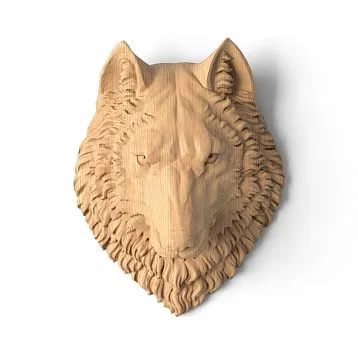
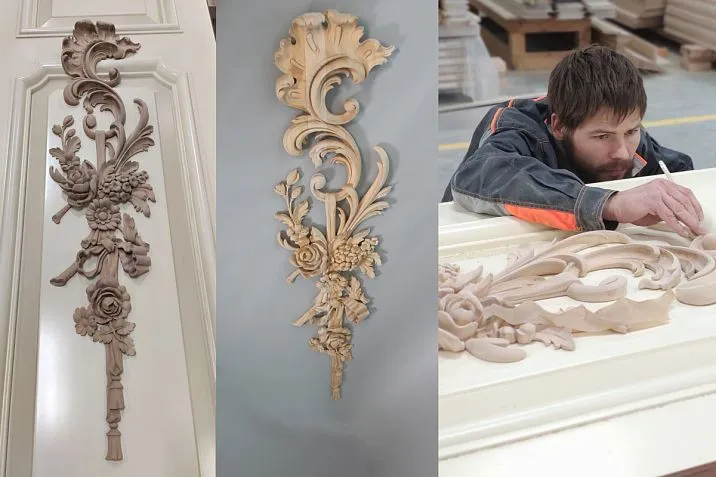
One of the most expressive ways to showcase yourself in woodworking is creating carved panels. Carving allows you to reflect the full depth of the craftsman’s imagination, conveying fine details and textures. Such works can become a central element of interior design, bringing an atmosphere of an old estate or a modern art space — depending on the chosen style.
Staircase Elements: Practical and Beautiful
If you are lucky enough to own a country house or a multi-level apartment, pay attention to the staircase. This interior element can become a true work of art if you useStaircase Components and Elements, crafted from solid wood. Elegantbalusters for staircases, majesticPosts for staircase and neatstair railings can be made yourself or purchased ready-made and customized for your project. The key is to maintain overall style and harmoniously integrate the staircase into the interior.
Furniture in Vintage and Modern Styles
Creating furniture is one of the most complex and simultaneously engaging forms of creativity. You can start with simple stools or shelves, gradually refining your skills. Combining solid wood with elements of metal, glass, or even stone gives furniture a unique look. If desired, you can add carved inserts, inlays, or decorative elements made from other materials — for example,Relief Decoration andPolyurethane moldings will be an excellent addition if you wish to introduce notes of classic luxury.
Accessories and Interior Items
Wood is ideal for creating numerous small details that can adorn your home:
● Picture and mirror frames, enhanced with carved elements oroverlay panels.
● Hot pot stands, cutting boards, and other kitchenware.
● Decorative boxes, small boxes, and key holders that can be decorated with pyrography or carving.
● Candlesticks and candle holders, transforming an ordinary evening into an atmospheric event.
All these details, made by hand, fill the home with coziness and highlight the individuality of the owners.
How to Begin Creating Wooden Masterpieces
Step 1. Define Your Idea
Before starting work, formulate your idea and visualize how the finished product should look. Study photos, drawings, and projects — they will help determine the shape, style, and required amount of materials.
Step 2. Prepare Materials and Tools
Ensure you have all necessary tools: saws, chisels, sanders, power tools, and consumables. Purchase wood in advance, accounting for possible defects and errors during work.
Step 3. Study Safety Procedures
Working with wood, especially using power tools, requires care and adherence to safety rules. Do not neglect safety goggles, gloves, and respirators. The workspace must be well-lit and organized to allow free movement and clear visibility.
Step 4. Begin Creation
Try not to rush and allocate sufficient time for each stage — from cutting wood to final finishing. Remember that every element is important, and any inaccuracy may affect the overall quality of the structure. If you are working on a staircase or furniture, consider the load the item will bear.
Step 5. Decoration and Finishing
Final stage — decorating and protecting the item. Consider how you want to highlight the natural beauty of wood: with oil, wax, varnish, or paint. For classic interiors, you can usepolyurethane molding and other decorative elements that will add a unique touch and make your creation truly one-of-a-kind.
Relief Decoration: Combination of Wood and Polyurethane
Many artisans, striving for elegance and originality, complement wooden items with polyurethane elements.Polyurethane moldings This is a modern solution that allows you to add a touch of classic style to the interior without extra effort. Such decoration can be used on walls, ceilings, furniture, or staircase structures.
● Advantages of Polyurethane Moldings: lightweight, easy installation, resistance to moisture and deformation.
● PU Insertsa small but expressive element that can be painted any color and easily attached to a wooden surface.
● Combination with Wood: it is important to plan how the transition between the wooden part and polyurethane will look. Often, artisans use the same colors or similar shades to create a sense of unity and harmony.
Inspiration in Interior Design: Examples of Wooden Masterpieces
Classic Interior with Carved Elements
Imagine a living room where a massive wooden table is adorned with delicate carving, and wooden baseboards with patterns run along the room’s perimeter. The walls feature natural wood panels, complemented bywith molded decorationcreating an atmosphere of an old estate. In such an interior, every detail breathes history and elegance, and the overall impression evokes warm evenings spent at a grandfather’s house.
Modern Minimalism with Solid Wood Accents
For lovers of modern styles, wood can become a striking accent in interiors dominated by white and glass. For example, strict geometric forms of solid oak or beech furniture contrasting with smooth surfaces. No excessive ornamentation — only the natural beauty of the material, highlighted by soft lighting and functional details.
Loft and industrial aesthetics
In lofts, wood is often combined with metal and concrete, bringing warmth and balancing the roughness of industrial style. Large solid wood countertops with unpolished edges, brutal oak plank shelves, staircases with metal railings and woodenhandrails — all of this creates a unique atmosphere of creative freedom and originality.
The Soul of Wood in Every Item: Philosophy of Handcrafted Work
When we create beautiful things from wood by hand, we are not just making interior items, but also embedding a part of our soul into them. This process requires patience, skill, and a great desire to create. The result is a unique item, in which every scratch, every pattern, every small imperfection reflects the story of its creation. This approach to work stands against the fast-paced mass consumer culture, bringing us back to mindfulness and love for details.
● Tactility: wood is a living material that 'responds' to touch, absorbing the warmth of hands.
● Energy: It is believed that wooden items can carry positive energy, creating in the home an atmosphere of comfort and tranquility.
● Uniqueness: It is impossible to find two identical boards, so each item becomes unique and special.
Final reflections: beauty that lives forever
Wood is a material capable of enduring generations, if treated with care and love. Handcrafted work, inspired by ancient traditions and enriched by modern technologies, allows creating true masterpieces that will delight not only you, but also your children, grandchildren, and perhaps future admirers of beauty.
Beautiful wooden creations made by hand are a story you write with your own hands and heart. Every shavings, every carved swirl, every layer of varnish or wax — part of a grand and captivating work on yourself and the material nature has gifted us for creativity.
Drawing on ancestral experience and modern techniques, you can create something special: from a small box to a luxurious staircase withcomponents and carvedposts, enhanced bybalusters andhandrails. If you wish to give the interior a more aristocratic elegance, you will find help inPolyurethane moldings andRelief Decorationwhich, when combined with wood, appear noble and majestic.
May your creativity become a source of inspiration and joy. Wood is ready to reveal its secrets to you, and you, in turn, can give it a second life in the form of elegant items and interior details. For true beauty, created by human hands, never loses its charm, preserving the warmth of living nature and the bright thoughts of the craftsman.