Article Contents:
- Advantages of ceiling finishing in a wooden house
- Natural warmth and coziness
- Ecological and natural properties
- Durability and resistance
- Traditional and modern approaches
- Choosing wood and preparing the surface
- Baseboards and cornices
- Recessed Outlets
- Moldings
- Harmony and unity of style
- Classic and modern in one piece
- Ecological and warm interior
- Planning and design
- Surface Preparation
- Choosing finishing materials
- Installation of decorative elements
- Regular maintenance and renewal
- Inspiration photo galleries
- Real projects
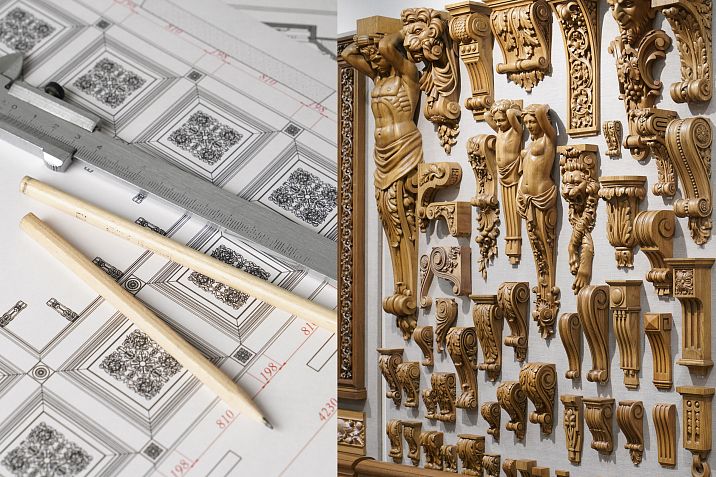
Ceiling finishing in a wooden house is not just a way to decorate space, but a true art that can transform the interior, bring warmth, and create an atmosphere of coziness and harmony. When it comes to a beautiful ceiling, every detail matters. An important role is played not only by the main material, but also by such finishing elements as %sBaseboards and moldings, Outlets andappliqueIn this article, we will consider how to beautifully finish a ceiling in a wooden house, what technologies and design solutions will help create a harmonious interior, and how individual finishing elements complement the overall style.


Advantages of ceiling finishing in a wooden house




Natural warmth and coziness
Wood is a material that is always associated with warmth, coziness, and natural beauty. Finishing the ceiling with natural wood creates an atmosphere where every element is filled with natural texture and soft shades. Such a ceiling becomes the focal point of the interior, emphasizing the connection with nature and adding a special charm to the room.
Our factory also produces:


Ecological and natural properties
Using natural wood in interior finishing allows you to create a healthy microclimate in the house. A wooden ceiling 'breathes' and regulates humidity, which is especially important for creating a favorable atmosphere for living. This solution is suitable for those who value the ecological and safety of natural materials.
Get Consultation
Durability and Resistance
Properly treated wood can serve for many years without losing its aesthetic qualities. Modern treatment methods and protective coatings help preserve the original appearance of the wooden ceiling, making it resistant to moisture, temperature fluctuations, and mechanical damage. This ensures the durability and practicality of the finish.
Technologies and methods of ceiling finishing
Traditional and modern approaches
Ceiling finishing in a wooden house can be done using both traditional methods and modern technologies. Traditional techniques include hand-fitting and the use of carved elements, which allow achieving unique decorative effects. Modern technologies such as digital modeling, laser cutting, and CNC processing allow creating items with high precision, making the finishing as neat and stylish as possible.
Choosing wood and preparing the surface
The key step is choosing high-quality wood. Suitable species may include oak, beech, ash, or cherry. It is important that the wood is uniform in color and texture, carefully dried and treated. Surface preparation includes sanding, priming, and applying a protective coating, which guarantees the durability and aesthetic appearance of the ceiling.
Decorative elements complementing the finish
To make a wooden ceiling look truly elegant, it can be complemented by a number of decorative elements. They not only decorate the ceiling, but also help create a harmonious interior.
play an important role in creating a finished and harmonious interior. Baseboards neatly conceal the junctions between walls and floors, while cornices frame the transition between walls and ceilings. These elements not only serve utilitarian functions but also become striking decorative accents, emphasizing the natural beauty of wood. They allow you to create a unified whole, where every detail contributes to the overall result — comfort and aesthetic completeness of the space.
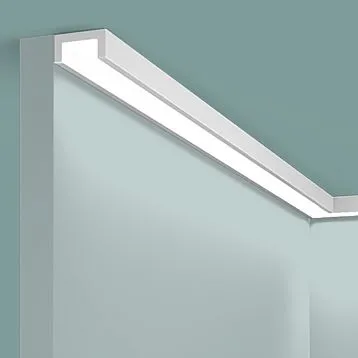
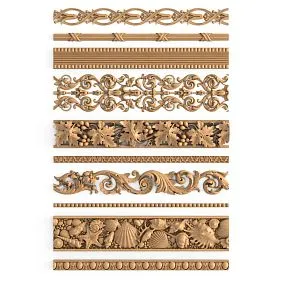
Baseboards and moldings They play an important role in ceiling decoration. They serve to neatly finish the transition between the ceiling and walls, hiding joints and irregularities, and create a smooth transition between interior elements. Cornices can be made in a classic or modern style, allowing them to be adapted to the overall room design.
Outlets
Outlets These are not only functional elements for connecting lighting, but also stylish decorative accents. They can be integrated into the overall ceiling composition, creating interesting lighting effects and highlighting the natural wood texture. Outlets, crafted with attention to detail, give the interior a modern look and emphasize the uniqueness of the design.
Plates
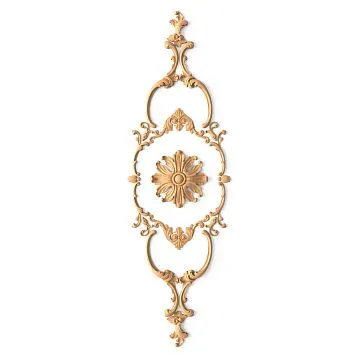
applique These are decorative elements that allow you to add unique patterns and ornaments to the ceiling surface. Carved inserts can become a central design element, adding additional expressiveness and depth to the cladding. They allow you to incorporate traditional craft motifs into a modern interior, creating a striking contrast with smooth wooden surfaces.
Interior design with beautiful wooden ceilings
Harmony and unity of style
A beautifully clad ceiling is an important element in creating a unified interior style. It should harmonize with other finishing elements, such as walls, floors, and furniture, forming a cohesive space. Using skirting boards, cornices, outlets, and inserts helps achieve this harmony, making the interior complete and unified.
Classic and modern in one piece
A wooden ceiling can be designed in both classic and modern styles. Classic solutions include the use of carved elements, rich ornamentation, and traditional decorative motifs. Modern options are more minimalist, emphasizing clean lines and natural wood texture. Combining these approaches allows you to create an interior that will remain relevant at any time and highlight the uniqueness of your home.
Ecological and warm interior
Cladding the ceiling with natural wood creates a sense of warmth and coziness, making the home more ecological and healthy. Natural wood, thanks to its insulating properties, helps maintain a comfortable temperature in the room, while its natural texture adds liveliness and originality to the interior. An ecological approach to design becomes especially important in today’s world, where natural materials are valued and efforts are made to create a healthy atmosphere.
Practical tips for creating a beautiful ceiling
Planning and Designing
Before starting work, it is important to develop a detailed project. Determine which decorative elements you want to use, the style in which the ceiling will be designed, and how it will coordinate with other interior elements. Creating sketches and 3D models will help visualize the final result and choose the optimal solution.
Surface preparation
Quality surface preparation is the key to an ideal result. Ensure the ceiling is flat, the surface is carefully sanded and cleaned of dust. Apply primer to ensure better adhesion of the protective coating to the wood.
Choice of finishing materials
When choosing finishing materials, prefer eco-friendly and durable compositions. Use high-quality varnishes and oils that will highlight the natural beauty of the wood and protect it from external influences. Products from reputable manufacturers such as STAVROS guarantee high quality and long-lasting finish.
Installation of decorative elements
Consult professionals for installing skirting boards, cornices, outlets, and inserts to ensure each detail is installed neatly and securely. Careful installation guarantees that all decorative elements will work in harmony, creating a cohesive and finished interior.
Regular maintenance and updates
To preserve the beauty of the wooden ceiling, regular maintenance is necessary. Periodically renew the protective coating, inspect for minor damages, and promptly carry out repair work. Regular care will help maintain the ceiling’s original appearance and extend its service life.
Inspiration and Examples
Inspiration photo galleries
Study photo galleries of beautiful wooden ceilings to find ideas for your own project. Examples of successful interiors will show you how skirting boards, cornices, outlets, and inserts can harmoniously combine to create a unique room appearance. Such photos can serve as a source of inspiration and help you decide on the style and decorative elements.
Real projects
Consider real projects where wooden ceilings became a central element of the interior. Study how designers used various decorative elements to create a cohesive and cozy space. These examples will help you understand how to bring your ideas to life and provide practical advice on choosing and installing finishes.
Conclusion
A beautifully clad ceiling in a wooden house is not just decoration, but real art capable of transforming the entire interior. Natural wood, enhanced by quality decorative elements such asBaseboards and moldings, Outlets andapplique, creates a space filled with warmth, coziness, and harmony with nature. Such a ceiling not only pleases the eye but also ensures functionality, durability, and ecological safety of the interior.
By investing in quality finishing and paying attention to every detail, you create a home that will delight you and your loved ones for many years. Let your ceiling become a reflection of your taste, your pursuit of perfection, and your love for natural materials. Enjoy the art of creating unique interiors, where every detail tells its own story, and the beauty of wood inspires and fills you with positive energy.