Article Contents:
- 1. The beauty of nature: why natural wood is always in fashion
- 1.1. Aesthetics and uniqueness of natural material
- 1.2. Ecological Safety and Health
- 1.3. Thermal insulation and acoustics
- 2.1. Classic Plank
- 2.2. European Plank
- 2.3. Board House
- 2.4. Beam Imprint
- 2.5. Decorative planks
- 3.1. Spruce
- 3.2. Fir
- 3.3. Larch
- 3.4. Oak
- 3.5. Cedar
- 4.1. Technology of planing and profiling
- 4.2. Protective coatings
- 4.3. Calibration and drying
- 5.1. Wall cladding
- 5.2. Ceilings
- 5.3. Decorative elements
- 5.4. Interiors in various styles
- 6.1. Playing with color and texture
- 6.2. Creating accent walls
- 6.3. Combining with other materials
- 6.4. Lighting and accents
- 7.1. Surface Preparation
- 7.2. Installation and mounting
- 7.3. Installation tips
- 8.1. Protective coatings
- 8.2. Regular cleaning
- 8.3. Prevention of damage
- 9.1. Pricing
- 9.2. Reliable suppliers
- 9.3. Seasonal discounts and promotions

Natural wood is a material that always evokes associations with warmth, comfort, and timeless aesthetics. Beautiful wooden planks become a choice for those who value not only practical finishes but also wish to create an atmosphere of natural beauty in their homes. Thanks to its versatility, durability, and ability to realize the most daring design ideas, wooden planks occupy leading positions among finishing materials.
In this article, we will thoroughly examine what makes wooden planks beautiful, what types and species of wood exist, how to properly select and install the material, as well as what design solutions will help create a harmonious interior. We will also provide recommendations for caring for the planks so that they retain their original appearance for many years. For more detailed information and current offers, please visitthis resource.


1. The Nature of Beauty: Why Natural Wood is Always in Style




1.1. Aesthetics and Uniqueness of Natural Material
Natural wood possesses an unparalleled texture, natural shades and patterns that cannot be artificially reproduced. Each board has its own story – unique growth rings, fibers and natural irregularities give the product character and individuality. It is precisely these features that make beautiful wooden siding not just a decorative material, but a true work of art capable of transforming any interior.
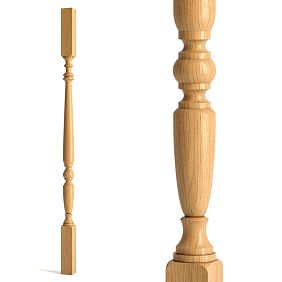
Our factory also produces:



1.2. Eco-friendliness and health
Modern consumers are increasingly paying attention to the ecological properties of materials. Natural wood does not emit harmful substances, and with proper treatment, it retains its "breathable" properties. This contributes to creating a favorable microclimate in the room, which is especially important for the health of children and people suffering from allergies. Using natural siding is an investment in the purity and ecological safety of your home.
Get Consultation
1.3. Thermal Insulation and Acoustics
Wood has excellent thermal and sound insulation properties. This allows maintaining warmth during cold seasons and reducing noise levels, creating comfortable living conditions. Beautiful wooden siding, in addition to its aesthetic function, helps reduce energy consumption and makes the room more cozy.
2. Types of Wooden Siding: Variety of Forms and Profiles
2.1. Classic Plank
Classic wooden siding is the most common type, characterized by a tongue-and-groove system. When installing boards, neat joints are formed, emphasizing the line of finish. This option is ideal for creating traditional interiors where coziness and harmony are valued.
2.2. European Plank
European siding differs with a deeper groove and wider tongue, providing improved board connection and better ventilation behind them. This is especially important for rooms with high humidity, such as kitchens, bathrooms, and saunas. Thanks to its modern appearance, European siding fits perfectly into high-tech and minimalist interior styles.
2.3. Block House
Block house is a type of siding that imitates the appearance of round logs. Its rounded shapes create the effect of massive wooden walls, giving the interior a rustic charm and coziness. This material is often used for decorating country houses, bathhouses, and saunas, where functionality is important, but so is decorative appeal.
2.4. Beam imitation
Imitation of beams consists of boards that resemble planed beams. This type of siding allows creating the effect of a solid wooden wall, while installation is significantly simpler and faster than with real solid beams. This option is ideal for those who want to achieve an impressive visual result without high costs.
2.5. Decorative Siding
There are also numerous decorative siding options that may include carved elements, inlays, or special textural treatments. Such items serve as a striking accent in the interior and can become a central element when designing a living room or entryway.
3. Wood Species: What Makes Siding Truly Beautiful
3.1. Pine
Spruce siding is one of the most popular and affordable options. It has a light, warm tone and natural texture that highlights the material's inherent beauty. However, spruce requires additional protection from moisture and ultraviolet rays, so it is important to ensure proper coating with varnish or oil.
3.2. Spruce
Fir siding is distinguished by its smooth texture and neutral tone, making it versatile for various interior styles. Fir is easy to work with, and its minimalist appearance harmonizes beautifully with modern design. This option is popular for creating clean, minimalist interiors in the style of minimalism.
Larch
Larch siding is a choice for those seeking durable and strong material. Larch has high resistance to moisture and mechanical damage, and its rich tones and expressive texture give the interior a sense of solidity and warmth. It is often used in rooms with high humidity, such as saunas and bathhouses, as well as for exterior cladding of wooden houses.
3.4. Oak
Oak siding is a premium material distinguished by exceptional strength, rich texture, and elegance. Oak offers a rich palette of tones – from light beige to dark brown – allowing for luxurious interiors. Despite its higher cost, oak siding is justified by its longevity and aesthetic value.
3.5. Cedar
Cedar siding is valued for its unique aroma, resistance to rot and insects, and natural beauty of texture. Cedar is often used in bathroom and sauna finishes, where aesthetics are important, but also the therapeutic properties of the wood. Its rich texture and warm tone create an atmosphere of calm and coziness.
4. Production and Processing Technology of Siding
4.1. Planing and Profiling Technology
Modern wood processing methods allow obtaining siding with ideal geometry, smooth grooves and tongues. Planing is performed using modern machines, ensuring precise dimensions and minimal defects. Profiling boards allows achieving not only reliable connections but also decorative effects, which become an important part of the overall design.
4.2. Protective Coatings
To ensure thatwooden plank To maintain its beauty and functionality for many years, it is necessary to properly treat it with protective compounds. These may be varnishes, oils, waxes, or special impregnations that protect wood from moisture, ultraviolet rays, mechanical damage, and biological factors. The choice of coating depends on the conditions of use and the owner's preferences.
4.3. Calibration and Drying
After planing, the wood undergoes a drying process, which reduces moisture content to an optimal level. This is important to prevent deformation, cracking, and rot. Calibration of boards ensures uniform dimensions, which is especially important during installation, as it allows creating neat and even finish.
5. Application of Wooden Siding in Interior Design
5.1. Wall Cladding
One of the most common ways to use siding is wall cladding. Depending on the interior style, siding can be used to create:
● Full coverage of the entire wall.
Accent wall that stands out against neutral surfaces.
Combined option, where siding is combined with decorative plaster or wallpaper.
When covering walls with siding, it creates a 'live' texture effect, giving the room warmth and depth. Special attention should be paid to color and finish selection to ensure the material harmonizes with other interior elements.
5.2. Ceilings
Using siding for ceiling decoration allows creating a cozy atmosphere and visually reducing the room's height. This is especially relevant for large rooms, where a sharp height difference may create a sense of discomfort. Ceiling siding can be executed in a classic or modern style, depending on the overall interior concept.
5.3. Decorative elements
Wooden siding is actively used to create decorative panels, niches, frames, partitions, and even furniture. It can be combined with other materials: stone, glass, metal. This allows achieving unique design solutions where every detail contributes to creating a cohesive space image.
5.4. Interiors in various styles
Beautiful wooden siding can become a central element of decoration in almost any style:
● Classic. Using oak or larch siding with rich texture and decorative elements emphasizes traditional values and creates an atmosphere of luxury.
● Modern minimalism. Light, single-tone siding without unnecessary embellishments suits clean lines and simplicity of forms, characteristic of modern interiors.
● Scandinavian style. Light and natural wood, possibly with a slight aged effect, creates an atmosphere of coziness, spaciousness, and functionality.
● Loft and industrial style. Natural wood combined with brickwork or metallic elements creates an interesting contrast, adding ruggedness and originality to the interior.
● Eco-style. Natural siding treated with eco-friendly compounds contributes to creating a healthy microclimate and emphasizes the connection with nature.
6. Designer solutions and creative ideas
6.1. Playing with color and texture
One of the key aspects of the beauty of wooden siding is its ability to change perception depending on treatment and lighting. You can:
● Leave the natural color, highlighting the texture with a transparent lacquer.
● Give the material an aged or patinated effect to create a vintage or rustic look.
● Use stains to achieve the desired shade and harmonize with other interior elements.
6.2. Creating accent walls
An accent wall made of wooden siding can become a central element of the interior. This allows visually zoning the space, highlighting a specific area, and adding depth to the overall design. Use contrast between siding and other walls, selecting different textures and shades to create a sense of 'movement' and dynamism.
6.3. Combining with other materials
Wooden siding combines well with stone, brick, glass, and metal. Such combinations allow creating unique interior solutions:
● Covering one wall with siding, while others are finished with decorative plaster or stone cladding.
● Using siding in combination with metallic elements in light, modern interiors.
● Combining natural wood with glass elements that create an effect of transparency and lightness.
6.4. Lighting and accents
Built-in or illuminated lighting along wooden siding can create a magical atmosphere. Small LED lights installed along the perimeter highlight the wood texture and add an extra dimension to the interior. This approach is especially popular in modern interiors, where emphasis is placed on minimalism and functionality.
7. Installation technology: how to achieve perfect finishing
7.1. Surface preparation
Before installing wooden planks:
● Thoroughly clean walls of old coatings, dust, and dirt.
● Level the surface with plaster or putty if necessary.
● Ensure a flat substructure is present if using the rail mounting method.
7.2. Installation and Fastening
Main installation stages:
- Marking. Accurate marking is key to neat installation. Use a level and square to draw a straight line.
- First row. Installation begins with the first row, which sets the direction for the entire finish. It must be perfectly level, as its quality affects the entire work.
- Board joints. Each subsequent board is inserted into the groove of the previous one, creating even joints. It is important to control the tightness of the connection to avoid gaps.
- Final finishing. After installing the planks, adjust corner elements, install decorative trim and baseboards to achieve a finished look.
7.3. Installation Tips
● Material acclimatization. Allow the planks to acclimate in the room for at least 2–3 days before installation.
● Use professional tools. Using a level, laser measure, and quality fasteners guarantees neat work.
● Monitor each stage. Constant checking of level and joints helps avoid mistakes and achieve an ideal result.
8. Care and longevity: how to preserve the beauty of planks for many years
8.1. Protective coatings
To maintain the aesthetic of wooden planks, regularly renew the protective coating:
● Lacquering. Lacquer creates a durable layer protecting wood from moisture and mechanical damage.
● Oil treatment. Oil penetrates the wood structure, highlighting the natural grain and preserving the material's 'breathable' properties.
● Wax coatings. Wax gives the surface a velvet finish but requires more frequent renewal.
8.2. Regular cleaning
Use soft cleaning agents and cloth to remove dust and dirt. Avoid aggressive chemical cleaners that may damage the protective coating.
8.3. Damage prevention
Monitor room humidity, especially if planks are installed in the kitchen or bathroom. In case of minor damage, perform repair work: fill scratches, sand the surface, and renew the coating.
9. Economic aspects and supplier selection
9.1. Pricing
The cost of attractive wooden planks depends on:
Types of wood (spruce and pine are more affordable, oak and larch are more expensive).
● Material grade (higher-grade materials cost more but have a more flawless appearance).
● Profile type and processing technology.
Regional characteristics and transportation costs.
9.2. Reliable suppliers
When choosing a supplier, pay attention to:
Company reputation, customer reviews, and presence of quality certificates.
Wide product range, allowing you to select the optimal solution for your interior.
Delivery terms and warranty service, ensuring material quality during transportation and storage.
9.3. Seasonal discounts and promotions
Planning purchases during off-seasons or using promotions can significantly reduce costs. Keep an eye on offers from trusted suppliers to buy quality siding at a favorable price.
10. Conclusion
Beautiful wooden siding is not just a finishing material—it is a true tool for creating an atmosphere of coziness, warmth, and natural beauty in your home. Thanks to its naturalness, eco-friendliness, and aesthetic qualities, siding can transform any space, adding unique charm and individuality.
From selecting the type of wood to the technologies of planing and finishing—each stage of production and installation plays an important role in the final result. Proper installation, regular maintenance, and timely renewal of protective coatings will ensure longevity and preservation of the material's original beauty.
When designing an interior, it is important to consider all nuances: from coordinating with other finishing materials to integrating decorative elements and lighting. Wooden siding can become a central element of any composition, whether classic, modern, minimalist, or eco-interior. Its versatility allows experimenting with textures, shades, and styles, creating unique spaces that will delight the eye and provide comfort for many years.
If you dream of a home filled with natural beauty and the warmth of real wood, pay attention towooden plankBeautiful wooden siding: Choosing quality material and properly executing all installation stages will allow you to create an interior that not only meets aesthetic requirements but will also serve you for many years, becoming a reliable companion in your life.
Let natural wood become the foundation of your home’s coziness, and let every board, joint, and finishing detail contribute to creating a space where you want to live, create, and savor every moment. Reliable, beautiful, and functional wooden siding is your step toward perfection in interior design, a symbol of natural harmony and longevity.