Article Contents:
- Anatomy of Ideal Furniture: Key Components
- Structural Elements: The Invisible Foundation of Quality
- Decorative Elements: Art in Details
- Functional Hardware: Technologies of Comfort
- Materials for Components: Choice That Determines Quality
- Natural Wood: Eternal Classic
- Metal: Strength and Technological Advancement
- Composite Materials: Innovations Serving Design
- Technical Aspects of Choosing Components
- Load Characteristics: Calculating Strength
- Component Compatibility: Systemic Approach
- Ecological safety: health above all
- Where to Buy Furniture Components: Strategy for Successful Selection
- Specialized Suppliers: Expertise and Quality
- Furniture Centers: Everything in One Place
- Online Platforms: Convenience and Wide Selection
- Practical Tips for Choosing and Using Components
- Planning and Calculation: Foundation of a Successful Project
- Material Compatibility: Harmony in Diversity
- Processing Technologies: From Raw Material to Perfection
- Innovations in the World of Furniture Components
- Smart Technologies: Furniture in the Digital Age
- Eco-friendly Solutions: Responsibility Toward the Future
- Personalization: Uniqueness in the Age of Mass Production
- Economic Aspects of Choosing Components
- Pricing: What We Pay For
- Cost Optimization: Smart Savings
- Long-Term Economics: Investing in Quality
- Conclusion: Components as the Foundation of Furniture Excellence
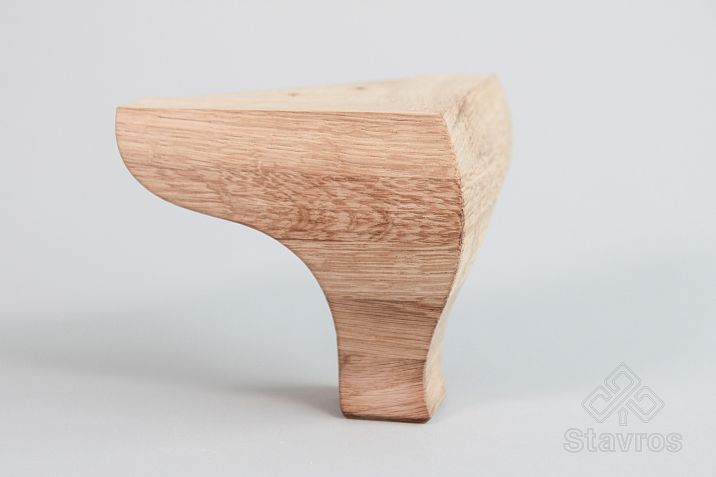
Touch the wooden surface of your table. Feel its smoothness, warmth, character. Now imagine that this piece of furniture is a complex organism, where every detail, every element plays an irreplaceable role. Drawers glide silently thanks to quality guides. Doors close smoothly due to thoughtfully designed hinges with dampers. Facades shine with the nobility of natural wood, framed by elegant moldings. The question of where to buy furniture components becomes crucial for those who aim to create not just a functional interior item, but a true masterpiece of furniture art.
In this material, I will reveal professional secrets of choosing components that will transform your furniture into a masterpiece — durable, functional, and aesthetically perfect. Let’s dive into the world where every detail matters, where technology meets tradition, and engineering precision meets artistic taste.


Anatomy of Ideal Furniture: Key Components
Furniture is a complex ensemble of components, where each element must flawlessly perform its function and harmoniously blend with the rest. Let’s examine the main categories of components that determine the quality, functionality, and aesthetics of a furniture item.




Structural Elements: The Invisible Foundation of Quality
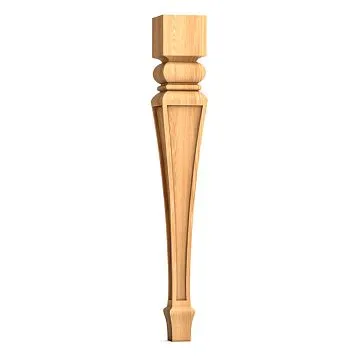
The foundation of any furniture is its frame, skeleton, determining the strength, durability, and functionality of the item. Here, the key role is played by solid wood beams — a material proven over centuries.
A solid wood beam is not just a construction element — it is a guarantee of structural reliability. Unlike synthetic materials, a high-quality wooden beam possesses a unique combination of strength and elasticity. Under load, it slightly springs back, absorbing impact energy without breaking. This is especially important for furniture subjected to dynamic loads — chairs, sofas, and couches.
Solving, Where to buy furniture componentsPay special attention to the quality of the block. An ideal block should be made from wood with a moisture content of 8-12%, have a smooth geometry with a tolerance of no more than ±0.5 mm, and be free of defects that reduce strength — knots, cracks, resin pockets.
Different furniture elements require blocks of different cross-sections:
- For chair and armchair frames, optimal block sizes are 40×40 mm or 50×30 mm
- For table and bed aprons — 50×50 mm or 60×40 mm
- For cabinet support posts — 40×40 mm or 60×30 mm
The wood species also matters. For load-bearing elements, hardwoods with high density are ideal:
- Oak (density 700-800 kg/m³) — unmatched strength and durability
- Beech (650-750 kg/m³) — excellent workability with high strength
- Ash (650-700 kg/m³) — exceptional elasticity and impact resistance
Our factory also produces:


Decorative Elements: Art in Details
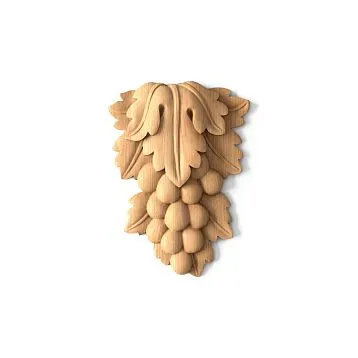
If structural elements are the skeleton of furniture, then decorative details are its face, defining the character, style, and aesthetic value of the item. Moldings, cornices, pilasters, rosettes — these elements transform ordinary furniture into a work of art.
Moldings are profiled strips used to frame facades, emphasize architectural lines, and create visual accents. Their profile can range from simple semi-circular moldings to complex multi-tiered compositions with ornamentation.
Classic furniture features moldings with rich profiles, including elements such as a cove, quarter-round, ogee, and flat molding. Modern furniture tends toward more minimalist forms — beveled edges, simple half-rounds, soft S-shaped profiles.
Cornices are finishing elements that cap the top of cabinets, bookcases, and buffets. They not only serve a decorative function but also protect upper edges from dust and mechanical damage. The height of a cornice is typically 5-10% of the total furniture height, ensuring visual proportion harmony.
Baseboards are lower framing elements that create a smooth transition between furniture and the floor. They protect the lower part of furniture from damage during cleaning and give the item a finished look. The height of a baseboard is typically 3-7% of the total furniture height.
When choosing, Where to buy furniture components For decorative purposes, pay attention to the following characteristics:
- Profile accuracy — absence of waves, burrs, unevenness
- Wood quality — uniform texture, absence of knots on the front surface
- Moisture content 8-10% — guarantee of shape stability and absence of deformation
- Sanding quality — surface must be perfectly smooth, ready for final finishing
Get Consultation
Functional hardware: technologies of comfort
Modern furniture is unthinkable without quality functional hardware, which ensures ease of use, smooth movement, and quiet operation. These are hinges, guides, lifting mechanisms, and extension systems — the technological heart of furniture.
Hinges are pivot mechanisms that enable door movement. Modern concealed hinges with integrated soft-close mechanisms are engineering marvels, including up to 30 parts. They ensure smooth closing of doors weighing up to 25-30 kg, have three-way adjustment (±2 mm vertically, horizontally, and depth-wise), and withstand up to 200,000 open-close cycles.
Drawer guides come in roller, ball-bearing, and concealed types:
- Roller guides — economical solution for lightweight drawers with partial extension (75-80% depth)
- Ball-bearing guides — provide full extension and support loads up to 30-45 kg
- Concealed guides — premium solution with full extension, load capacity up to 60-80 kg, and integrated soft-close mechanisms
Lifting mechanisms for upper kitchen and wardrobe cabinets are complex systems with gas struts or torsion springs that compensate for facade weight, ensuring easy opening and smooth closing. Modern mechanisms feature a locking function at any position and a safety system against accidental slamming.
Materials for components: choice that determines quality
The material used for components determines not only their appearance but also their durability, eco-friendliness, and functional characteristics. Let’s consider the main materials and their features.
Natural wood: eternal classic
Natural wood remains the benchmark of quality and eco-friendliness for furniture components. Each species has its own character, expressed in texture, color, density, and workability.
Oak - the king among wood species. Its exceptional strength (hardness on the Brinell scale 3.7-4.5), resistance to moisture and mechanical damage makes it an ideal choice for components subjected to significant loads. The honey-golden hue with distinct annual rings creates a sense of solidity and nobility.
Beech - a universal material with uniform structure and light-pink tone. Its dense texture allows creating details with complex profiles, and its high strength (hardness 3.5-4.0) ensures durability. Beech easily accepts staining, allowing it to imitate more expensive species.
Ash - a material with expressive texture and high elasticity. Its light wood with characteristic annual ring pattern creates a sense of lightness and freshness. Ash is especially suitable for bent details due to the exceptional flexibility of its fibers.
Walnut - the aristocrat of the furniture world. Its chocolate-brown wood with a purple undertone and complex fiber pattern creates an atmosphere of luxury and refinement. Walnut has medium hardness (3.0-3.5), but compensates for this with high dimensional stability and resistance to cracking.
Solving, Where to buy furniture components Made of natural wood, pay attention to the following characteristics:
- Wood grade - for face parts, grades Extra and A are optimal; for internal structural elements, grades B and C are acceptable.
- Moisture content 8-12% - a critically important parameter for dimensional stability.
- Grain direction - must consider the nature of loads on the part.
- Processing quality - dimensional accuracy, surface cleanliness, absence of defects.
Metal: strength and technological suitability
Metal components provide structural strength and functionality of furniture. These include supports, fasteners, guides, and transformation mechanisms.
Structural steel (St3, St20) - for simple supports and brackets.
- Alloyed steel (40Х, 30ХГСА) - for elements subjected to high loads.
- Stainless steel (AISI 304, AISI 316) - for parts in contact with moisture.
- Stainless steel (AISI 304, AISI 316) - for parts in contact with moisture.
Aluminum and its alloys are ideal for profiled systems, framed facades, and decorative elements. Their lightness (density 2700 kg/m³ vs. 7850 kg/m³ for steel), corrosion resistance, and technological suitability make aluminum indispensable for modern furniture.
Brass and bronze are used to manufacture premium decorative hardware - handles, inlays, hinges. Their noble golden hue, corrosion resistance, and ability to patina make these materials ideal for classical and antique furniture.
Composite materials: innovations serving design
Modern composite materials combine the best properties of various components, opening new possibilities for furniture design and functionality.
MDF (Medium Density Fiberboard) - a material obtained by pressing wood fibers at high temperature with the addition of binding agents. With a density of 700-870 kg/m³, it has a uniform structure that ensures excellent workability and dimensional stability.
MDF is ideal for manufacturing facades with complex profiles - panels, cornices, pilasters. Unlike solid wood, it lacks directional fibers and internal stresses, eliminating cracking and deformation during milling.
MDF finishing techniques include:
- Veneering - applying a thin layer of natural wood (0.5-0.8 mm).
- Laminating - covering with a decorative film mimicking wood texture.
- Painting - applying polyurethane or acrylic lacquers with gloss, matte, or patina effects.
Acrylic stone (artificial stone based on acrylic resins) - an innovative material for countertops, window sills, and sinks. It combines the aesthetics of natural stone with the technological advantages of plastic - seamless joints, thermoforming, and surface repair capability.
Technical aspects of component selection
Component selection is not only an aesthetic issue but also involves technical characteristics that determine furniture functionality, durability, and safety.
Load-bearing characteristics: strength calculation
Each furniture element must withstand specific loads depending on its functional purpose. A professional approach involves calculating these loads and selecting components with appropriate characteristics.
For shelves and horizontal surfaces, the key parameter is bending strength. It depends on the material, thickness, and span (distance between supports):
- A 16 mm thick MDF shelf with a 600 mm span withstands a distributed load up to 15-20 kg
- A shelf of the same thickness made of MDF - up to 25-30 kg
- A shelf made of solid oak - up to 35-40 kg
For drawer guides, dynamic load is important - the ability to withstand not only the weight of the contents, but also the forces during opening/closing:
- Ball-bearing guides are rated for a load of 15-25 kg
- Ball-bearing guides - 30-45 kg
- Hidden mounting - 40-80 kg
For hinges, weight and door size are critical. A standard hinge is designed for doors weighing up to 5-7 kg; for heavier doors, reinforced hinges or additional hinges (one additional hinge for every 5-7 kg of weight) are used.
Component compatibility: systematic approach
Modern furniture is a complex system of interrelated components that must ideally match each other. Incompatibility of components may lead to problems during assembly and operation.
Dimensional compatibility - this is the correspondence of dimensions and mounting holes of different components. For example, the distance between the centers of hinge cups must exactly match the distance between mounting plates on the carcass (standard - 52 mm).
Functional compatibility - this is the ability of components to work together without conflicts. For example, the drawer extraction system must take into account the construction features of the carcass and fronts, and transformation mechanisms must consider the dimensions and weight of movable elements.
Stylistic compatibility - this is the harmonious combination of different elements by design, color, and texture. For example, classic fronts with carved elements require corresponding hardware - brass handles with patina, decorative hinges, carved supports.
Ecological safety: health comes first
Modern consumers are increasingly paying attention to the ecological safety of furniture, which is determined by the materials of components and the technologies used in their production.
The key parameter for wooden materials - formaldehyde emission class:
- Class E0 (up to 0.5 mg/100 g) - the highest safety standard, recommended for children's furniture
- Class E1 (up to 8 mg/100 g) - European standard, permissible for residential spaces
- Class E2 (up to 30 mg/100 g) - permissible only for office and outdoor furniture
For coatings, the absence of heavy metals (lead, cadmium, chromium) and volatile organic compounds (VOCs) is important. Modern water-based paints and varnishes contain less than 5% VOCs, compared to 50-70% in traditional solvent-based materials.
For upholstered furniture, the safety of fillers and upholstery materials is critical. They must be non-toxic, hypoallergenic, and not emit harmful substances during use.
Where to buy furniture components: strategy for successful selection
The question of Where to buy furniture componentsThere are many answers — from specialized stores to online platforms. But how to make a choice that ensures optimal price-to-quality ratio?
Specialized suppliers: expertise and quality
Specialized companies focusing on specific types of components offer not only higher quality products but also expert support. Such suppliers usually have their own production facilities, allowing them to control the entire process - from raw material preparation to final processing.
Companies specializing in solid wood products - beams, moldings, cornices, skirting boards - are especially valuable. They ensure dimensional accuracy (tolerance ±0.5 mm), optimal moisture content (8-10%), and absence of defects critical for furniture production.
When choosing a supplier, pay attention to the presence of their own drying chamber - this guarantees that the wood has undergone proper thermal treatment, ensuring dimensional stability and protection against biological damage.
Furniture centers: everything in one place
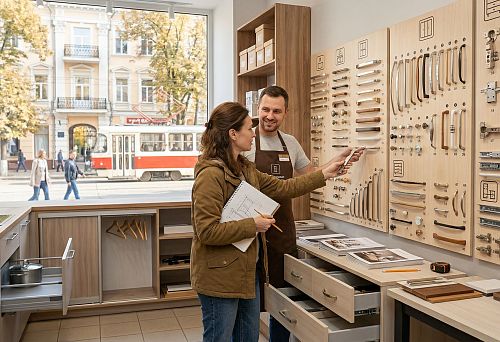
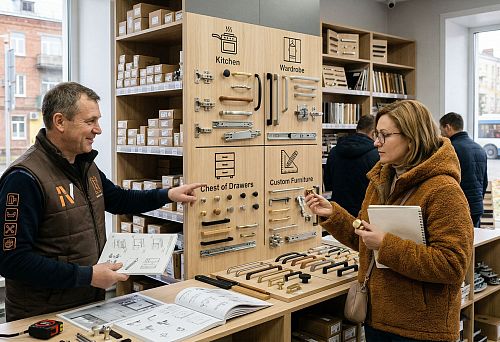
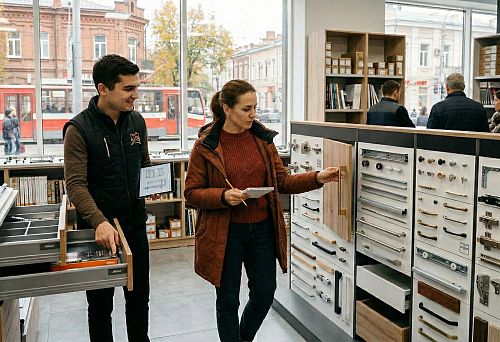
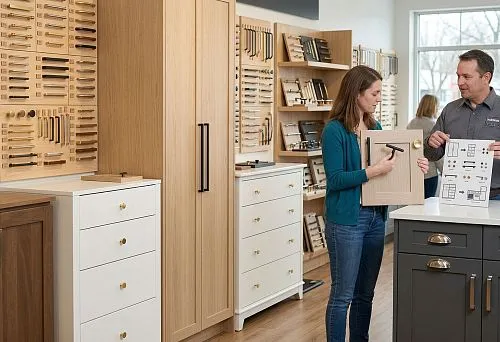
Furniture centers that bring together multiple suppliers under one roof offer the convenience of "one-stop shopping." Here, you can purchase all necessary components - from solid wood to hardware - in a single visit, significantly saving time.
The advantage of such centers is the ability to visually compare different materials and consult with representatives of various companies. This is especially valuable for complex projects requiring the combination of different components.
Online platforms: convenience and wide selection
Modern online platforms offer an impressive selection of furniture components with delivery to your door. This is especially convenient for those who value their time or are located in regions with limited availability of specialized stores.
When choosing an online supplier, pay attention to the detail of product descriptions (including technical specifications and quality certificates), the presence of real material photos, and the opportunity to obtain samples before large purchases.
Supplier reputation, reflected in customer reviews, is a key factor in selection. Special attention should be paid to comments regarding packaging and delivery quality — this is critically important for the preservation of components, especially delicate ones such as solid wood decorative elements.
Practical tips for selecting and using components
Selecting and using furniture components is not only a technical but also a creative process, requiring an understanding of both functional requirements and aesthetic aspects.
Planning and calculation: the foundation of a successful project
Before purchasing components, thorough planning is required, including:
- Detailed furniture drawings indicating all dimensions and structural features
- Specification of all required components with indication of quantity, dimensions, materials
- Load calculations for various structural elements
- Assembly plan with indication of operation sequence
For complex projects, it is recommended to create a prototype or scale model, which allows identifying potential issues before production begins.
Material compatibility: harmony in diversity
When combining different materials, it is necessary to consider their physical and aesthetic characteristics:
- Coefficient of thermal expansion — different materials react differently to temperature changes, which may lead to deformations and destruction of connections
- Moisture resistance — materials with different hygroscopicity may deform under changes in humidity
- Color and texture compatibility — materials must harmoniously match in color, texture, and gloss
Special attention should be paid to joining wood with metal — insulation is required to prevent oxidation and staining.
Processing technologies: from raw material to perfection
The quality of component processing determines not only the aesthetics but also the functionality of furniture:
- Sanding — sequential use of abrasives with decreasing grit (from P80 to P240) ensures a perfectly smooth surface
- Routing — using sharp cutters with optimal feed speed (15–20 m/min for hardwoods) prevents chipping and burning
- Final finishing — proper selection of coatings and application techniques (spraying, rolling, dipping) ensures durability and aesthetics of the finish
For solid wood, proper acclimatization is critically important — components must be conditioned under future operating conditions for at least 7–10 days before processing begins.
Innovations in the world of furniture components
The world of furniture components is constantly evolving, offering new solutions that expand design possibilities and enhance furniture functionality.
Smart Technologies: Furniture in the Digital Age
Integration of electronics and digital technologies transforms traditional furniture into interactive systems that adapt to user needs:
- Electronic opening systems with touch or gesture recognition
- Integrated lighting systems with adjustable brightness and color temperature
- Wireless charging stations built into table and cabinet surfaces
- Climate control systems for cabinets and display cases housing valuable collections
Modular electrification systems are particularly interesting, as they allow integrating various functional elements without complex installation — from outlets and USB ports to audio systems and displays.
Eco-friendly solutions: Responsibility toward the future
Growing environmental awareness stimulates the development of components that minimize environmental impact without compromising quality and aesthetics:
- Bio-composites based on plant fibers (linen, hemp, jute) combined with biodegradable binders
- Recycled materials — from plastic to textiles — receive a second life in furniture components
- Water-based decorative materials with minimal volatile organic compound content
- Energy-efficient production technologies reducing the carbon footprint of components
Components made from certified wood (FSC, PEFC), harvested in accordance with sustainable forestry principles occupy a special niche.
Personalization: uniqueness in the age of mass production
Modern technologies enable the creation of personalized components, tailored to individual needs and preferences:
- Digital printing on surfaces with up to 1440 dpi resolution allows reproduction of any images — from photographs to works of art
- Laser engraving creates unique textures and patterns with precision down to 0.1 mm
- 3D printing opens up limitless possibilities for creating complex decorative elements
- Parametric design allows adapting the shape and size of components to specific conditions and requirements
Visualization systems are particularly interesting, allowing customers to see future furniture with selected components in virtual or augmented reality before production begins.
Economic aspects of component selection
Selecting furniture components is not only a technical and aesthetic issue, but also an economic one, requiring an optimal balance between quality and cost.
Pricing: what we pay for
The cost of components depends on many factors:
- Material — high-quality natural materials (solid premium wood, natural leather) can be 5–10 times more expensive than artificial alternatives
- Production complexity — components with high processing degree and complex geometry require more time and resources
- Brand and origin — products from well-known European manufacturers are usually more expensive than Asian equivalents
- Uniqueness — exclusive components produced in limited editions have premium pricing
Understanding pricing structure allows making an informed choice and avoiding paying for unnecessary features.
Cost optimization: sensible savings
A rational approach to component selection allows optimizing costs without compromising quality:
- Functional hierarchy — invest in quality of key functional elements (guides, hinges, transformation mechanisms) and save on secondary components
- Visible/invisible elements — use premium materials for visible parts and more economical ones for hidden elements
- Standardization — using standard sizes and configurations reduces production costs
- Bulk purchasing — buying components in large quantities usually provides a significant discount
Special attention should be paid to compatibility of components with existing equipment and tools — this can significantly reduce production costs.
Long-term economics: investments in quality
When evaluating component costs, it is important to consider not only initial expenses, but also long-term economics:
- Service life — high-quality components last longer, reducing repair and replacement costs
- Operating expenses — some components require regular maintenance, increasing overall ownership cost
- Liquidity — furniture with quality components retains higher residual value when resold
- Reputational costs - cutting corners on components may lead to quality issues, negatively impacting the manufacturer's reputation.
Investing in quality components is not merely an expense, but an investment in durability, functionality, and the reputation of the furniture piece.
Conclusion: Components as the foundation of furniture excellence.
Choosing components is a fundamental decision that determines not only aesthetics and functionality, but also durability, eco-friendliness, and economic efficiency of the furniture.
In a world where mass production has become the norm, a conscious choice of components is the opportunity to create furniture with character — furniture that not only serves its functional purpose but also tells a story, creates an atmosphere, and shapes space.
Regardless of whether you are a professional furniture maker or an enthusiast creating furniture for your own home, the question of Where to buy furniture componentsWorth your closest attention. For it is precisely the quality of components that determines whether your product will be merely a functional item or a work of art capable of enduring generations and telling a story about craftsmanship, taste, and attention to detail.
In a world where authenticity has become luxury and mass production the norm, choosing the right components is not merely a practical decision — it is a philosophical choice in favor of quality, durability, and authenticity. And this choice begins with understanding where to buy furniture components that will serve as a worthy foundation for your creativity and self-expression.