Article Contents:
- What is Applied Art?
- Main Directions of Applied Art
- Role of Applied Art in Interior Design
- Preserving Traditions and Innovation in Applied Art
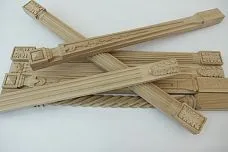
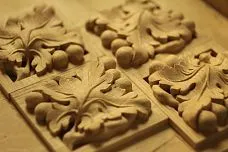
Applied Art is a unique creative direction where aesthetics and utility go hand in hand. It encompasses the creation of items that beautify life while remaining functional. This art embodies craftsmanship, creativity, and deep respect for materials and traditions.
In the modern world, applied art is experiencing a new wave of popularity. It is valued not only as a means of preserving cultural heritage but also as an element capable of highlighting the style and individuality of interiors.


What is Applied Art?
Applied Art is a unique creative direction in which aesthetics and practicality are combined. The main principle of this art is the creation of items that not only beautify the surrounding space but also serve utilitarian functions. Such items simultaneously carry artistic value and serve as important elements of daily life.
Main Features of Applied Art
- Combining Beauty and Utility
Unlike visual arts, decorative-applied art always has practical application. These may be interior elements, tableware, furniture, or architectural ornaments that, in addition to their function, enrich space with aesthetics. - Uniqueness of Items
Each item is created by hand or using special techniques, making it unique. This is especially important in the modern world, where unique items are increasingly valued as a means of expressing individuality. - Connection with traditions
Applied Art often relies on cultural heritage. It reflects historical styles, national motifs, and craft techniques passed down from generation to generation.
Examples of Applied Art Items
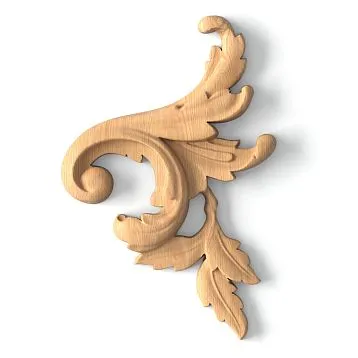
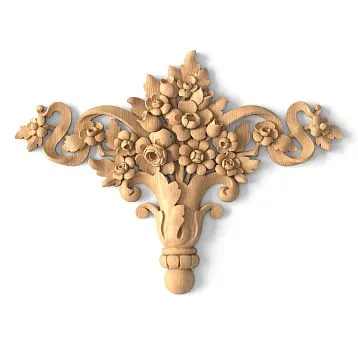
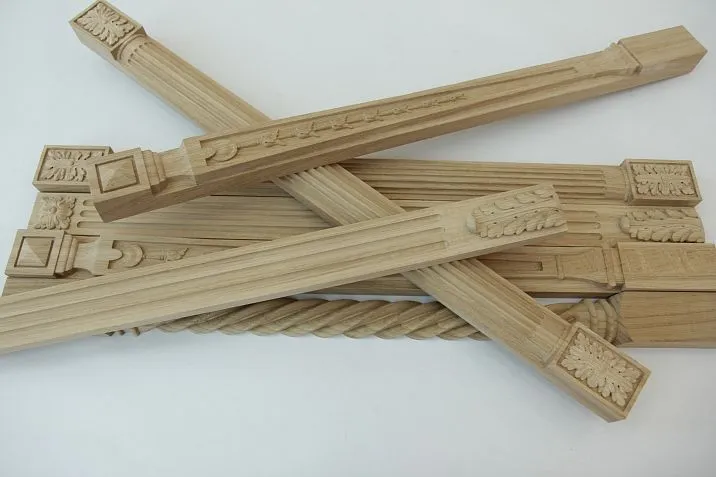
● Woodcarving: decorative appliqués, moldings, baseboards, rose petals that decorate interiors and emphasize architectural lines.
● Ceramics: artistic vases, tiles, tableware that serve both utilitarian purposes and decorative elements.
● Metal: wrought iron railings, lamps, furniture details.
● Textiles: tapestries, rugs, decorative cushions and drapes.
STAVROS company specializes in producing wooden items that are vivid examples of applied art. The company's assortment includes carved appliqués, moldings, baseboards, and other elements created for decorating interiors. Learn more about STAVROS products on the page Solid Wood Items.




Main Directions of Applied Art
Applied Art includes numerous directions, each with its own characteristics, materials, and techniques. These directions have evolved over centuries, reflecting cultural, historical, and technological changes. Today, they are actively used to create unique decorative elements that combine tradition with modern trends.
1. Woodcarving
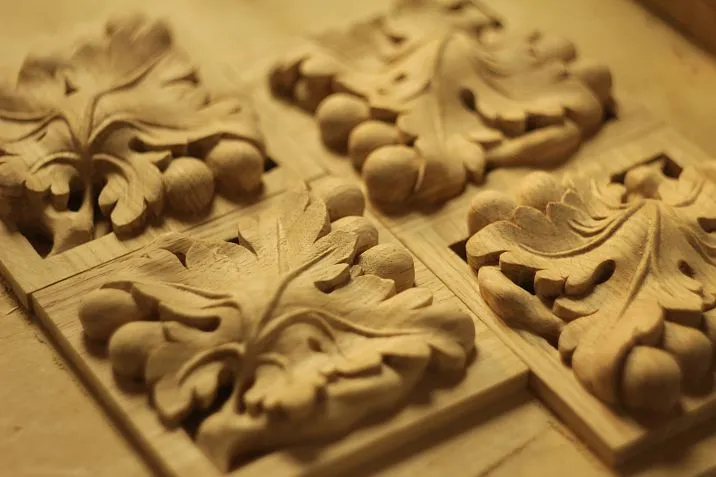
Woodcarving is one of the oldest directions of decorative-applied art, which continues to remain popular. This form of creativity is used to create decorative interior elements, furniture, and architectural details.
Features:
● Material: Most often, solid oak, beech, pine, and other types of wood are used for carving. Each type differs in texture and processing capabilities.
● Items: Carved appliqués, moldings, baseboards, rose petals, decorative panels. These elements add warmth and elegance to interiors.
● Techniques: Relief carving, engraving, ornamental carving.
STAVROS products are a vivid example of mastery in this direction. STAVROS wooden items combine classic motifs and modern design, making them ideal for interiors of any style. Browse the selection of carved items on the page Solid Wood Items.
2. Ceramics
Ceramics is the art of creating items from clay that are fired and decorated. This material is widely used for producing tableware, tiles, and decorative elements.
Features:
● Material: Clay, faience, porcelain.
● Items: Vases, tableware, mosaics, decorative wall and floor tiles.
● Techniques: Glazing, hand-painting, casting.
Ceramic items harmonize beautifully with wooden elements, creating harmonious interiors. For example, ceramic tiles can be framed by carved moldings from STAVROS, emphasizing a classic aesthetic.
3. Metal
Metal is a material that adds elegance and durability to a space. Artistic metalworking includes forging, casting, engraving, and embossing.
Features:
● Material: Iron, copper, brass, bronze.
● Items: Wrought iron railings, furniture elements, lamps, decorative panels.
● Techniques: Hand-forging, casting, laser processing.
Metallic elements are often combined with wooden items to create texture contrasts and enhance visual impact.
4. Textile
Fabric is one of the most versatile materials in decorative applied arts. Textiles are used to create both utilitarian and decorative elements.
Features:
● Material: Silk, linen, cotton, velvet.
● Items: Wall hangings, rugs, decorative cushions, curtains.
● Techniques: Weaving, embroidery, appliqué.
Textile items complement wooden decorative elements perfectly. For example, wall hangings or curtains look wonderful when combined with carved wooden appliqués.
5. Glass
Glass is used in decorative applied arts to create delicate and light decorative elements. It adds airiness and elegance to interiors.
Features:
● Material: Transparent, matte, colored glass.
● Items: Stained glass, mosaics, decorative lamps, tableware.
● Techniques: Stained glass technique, engraving, sandblasting.
Glass items are often framed in wooden frames, which highlight their fragility and delicacy.
STAVROS offers items that harmoniously combine with elements made from all the aforementioned materials. The company’s products help create interiors where each decorative element becomes part of a unified ensemble. Explore the possibilities of decorating your space on the page Solid Wood Items.
Our factory also produces:


Role of decorative applied arts in interior design
Decorative applied arts play a key role in creating a harmonious and unique interior. Items crafted by artisans not only decorate the space but also give it individuality, reflect the owner’s taste, and make the environment cozy and complete.
How decorative applied arts influence interior design?
- Creating a unique atmosphere
Decorative art elements bring warmth, coziness, and aesthetic value to interiors. For example:
Carved wooden panels add elegance and warmth to the space.
Stained glass creates play of light, adding airiness to the space.
Wrought iron elements give the interior status and sophistication.
- Accentuating the space
Items of applied art can serve as accent details that attract attention. For example:
Carved appliqués highlight the beauty of furniture.
Decorative rosettes become a central element on the ceiling or wall.
Ceramic tiles with artistic patterns enliven kitchen or bathroom zones.
- Expression of individuality
Handcrafted items make each piece unique. This allows creating an interior that fully reflects the owner’s taste and preferences. For example:
Custom-designed tapestries become a symbol of character and style.
Hand-carved details on furniture or walls make the space unique.
- Combining styles and eras
Elements of fine art can be used to combine traditional and modern directions. For example:
Classic wood carving can complement modern minimalism.
Wrought iron metal items create contrast with wooden elements.
Application of artistic elements in different parts of the interior
- Living Room
Carved panels and moldings add elegance to the space.
Decorative textile elements, such as rugs and cushions, enhance coziness.
- Bedroom
Carved headboards or wooden panels create an atmosphere of comfort.
Curtains with ornaments add softness to the room.
- Kitchen and dining room
Ceramic tiles with artistic painting make a statement in the backsplash area.
Carved appliqués decorate cabinet facades, emphasizing their individuality.
- Bathroom
Ceramic elements, such as vases and mosaics, add color and texture.
Water-resistant wooden skirting boards emphasize style.
- Entry Hall
Decorative mirrors in carved frames create an impressive first impression.
Wrought iron accessories, such as hooks, add functionality and style.
STAVROS Products for Interiors
STAVROS Company offers a wide range of items that are perfectly suited for decorating interiors:
Carved appliqués for furniture.
● Molding and baseboards for creating accent lines in interior design.
● Decorative outlets and panels for walls and ceilings.
STAVROS products help make your interior refined and harmonious, combining traditions with modern design solutions. Explore decoration options for your home on the page Solid Wood Items.
Get Consultation
Preservation of traditions and innovation in applied art and decorative crafts
Applied art and decorative crafts are not only a reflection of cultural heritage but also continuous development thanks to new technologies and approaches. Modern masters actively preserve and reinterpret traditional techniques, incorporating innovations to create items that meet contemporary demands.
How are traditions preserved in decorative and applied arts?
- Transmission of knowledge and craft techniques
Traditions in fine arts are passed down from generation to generation. Masters teach their students unique skills that allow maintaining the authenticity of their works:
○ Wood carving: classical hand techniques for wood processing are preserved and used in creating carved panels, appliqués, and other elements.
○ Ceramic painting and glazing: hand-painted designs make each item unique, preserving traditional motifs.
- Use of traditional materials
In decorative and applied arts, it is important to preserve the use of natural materials such as wood, ceramics, textiles, metal, and glass. This helps maintain the ecological and authentic nature of the items. - Inspiration from historical styles
Many masters draw inspiration from architectural and artistic styles of past eras: Baroque, Classicism, Russian Modernism. These motifs are recreated or reinterpreted in contemporary items.
STAVROS company actively preserves Russian wood carving traditions, using solid oak, beech, and other species to create items reflecting historical heritage. Explore their collection on the page Solid Wood Items.
Influence of innovations on decorative and applied arts
Modern technologies allow artisans to expand the boundaries of possibility, adding precision and durability to their works. Here’s how innovations influence art:
- New material processing methods
○ Laser cutting: allows creating complex patterns on wood, metal, and glass with high precision.
○ Digital painting: used for applying complex ornaments to ceramics and textiles.
○ 3D printing: helps create models that are later realized in wood, metal, or stone.
- Modern materials
○ Use of composite materials that mimic natural materials but have superior performance characteristics.
○ Eco-friendly coatings and stains for wood that extend the lifespan of items.
- Combining traditions and technologies
Modern items often combine handcrafted elements with technology. For example:
○ Hand carving can be complemented by laser engraving to create multi-layered patterns.
○ Handmade ceramics are decorated with digital ornaments.
Example: STAVROS as a keeper of traditions and innovator
STAVROS company vividly demonstrates how traditions can be preserved by actively using modern technologies. In their products:
● Handcrafted work combines with high-precision wood processing to achieve a unique result.
● Eco-friendly materials and finishes make products safe and long-lasting.
● Modern processing technologies help create carved elements with high detail.
For example, STAVROS carved inlays, crafted in classic motifs, are perfect for decorating furniture or interiors in any style. Browse their selection on the page Solid Wood Items.
Conclusion: Tradition and Innovation in Harmony
Applied art combines respect for heritage with a drive for innovation. Preserving traditional crafts helps retain cultural roots, while innovation allows art to adapt to modern realities. STAVROS Company is a vivid example of how tradition and technology can work together, creating products that inspire and beautify our lives.