Article Contents:
- What is Wood Carving Art?
- History and Traditions of Wood Carving Art
- Types of Wood Carving Art
- Artisans and Factories of Wood Carving Art
- Wood Art Processing: Modernity and Tradition
- Wood Carving in Interiors: Elegance and Style
- Wood Carving on Facades: Traditions and Innovations
- Wood Carving in Furniture: Luxury and Practicality
- Decorative Items with Wood Carving: Small Accents, Big Impressions
- Care for Items with Wood Carving
- The Art of Wood Carving: Craftsmanship Through the Centuries
- Types of Wood Carving Art Processing
- Crafts of Wood Carving: From Traditions to Modernity
- Artisans of Wood Carving: Keepers of the Craft
- Wood Carving in Moscow and Other Regions
- Why is Wood Carving Relevant Today?
- Wood Carving in Premium-Class Interiors
- Wood Carving on Facades: Attracting Attention
- Carving as a Space-Zoning Element
- Personalization Through Wood Carving
- Care for Modern Wood Carving
- Traditional Crafts and Their Significance
- Modern Development of Crafts
- Minimalism and Simplicity
- Why personalization is important?
- How to implement personalization?
- Artistic carving in corporate projects
- Carving in art and culture: symbolism and meaning
- Artistic carving as a reflection of time
- Role of artistic carving in architectural projects
- Examples of carving usage in architecture
- Carved furniture as the main interior accent



What is artistic wood carving?
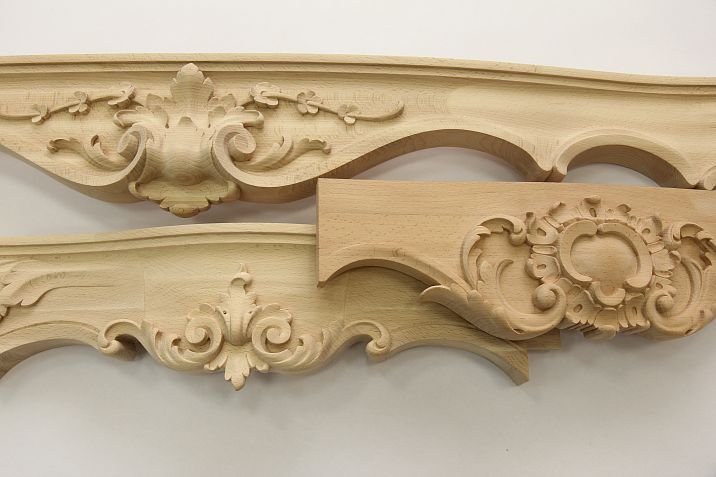
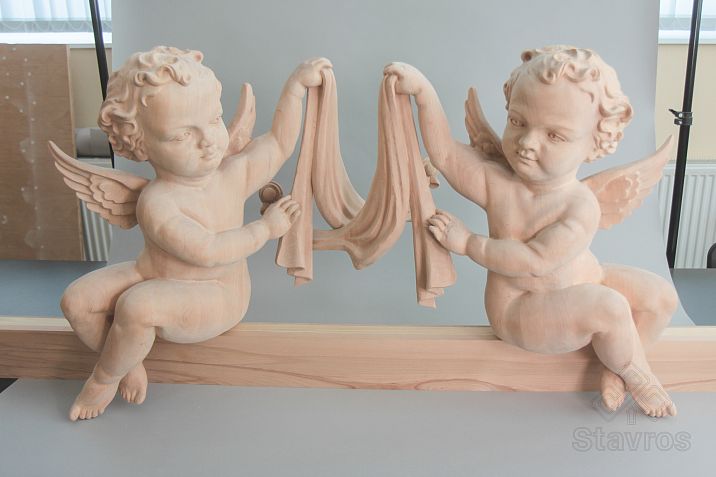
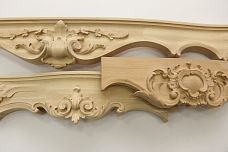
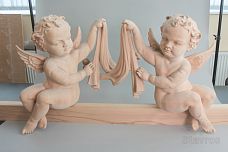
artistic wood carving It is a form of decorative art in which wood is transformed into a piece capable of decorating any home, church, furniture, or household item. It combines aesthetics and craftsmanship, creating unique patterns that reflect the master's taste and the aesthetics of the era.
The uniqueness of artistic carving lies in its diversity. It is not merely applying patterns — each element carries meaning, emphasizes style, and harmonizes with the item's form. For example, plant ornaments symbolize nature, while geometric patterns highlight strictness and order.
What makes wooden artistic carving so unique?
- Natural material. Wood, with its texture and scent, adds warmth and authenticity to items.
- Individuality. Each detail is handmade, so no two identical items exist.
- Multifunctionality. Artistic carving decorates furniture, interior elements, facades, and accessories.
Have you ever wondered how simple wooden blanks are transformed into masterpieces that can delight for centuries? This magic is possible only thanks to the talent and patience of artisans.




History and traditions of artistic carving
Artistic carving is a craft with a rich history, roots stretching back thousands of years. In ancient times, humans used wood to create utilitarian objects, which gradually began to be adorned with patterns. The ornaments on ancient items had not only aesthetic but also ritual functions — they served as symbols of protection, prosperity, or strength.
In Russia, wood carving reached its peak during the era of wooden architecture. Houses, churches, and even household items were adorned with complex patterns that conveyed folk motifs.Crafts of artistic carving thrived in different regions of the country, each contributing its own characteristics to the art.
Examples of historical carving styles:
● Vologda carving. Predominantly geometric patterns and symbolic elements.
● Bogorodskaya carving. Sculptural compositions, often depicting scenes from peasant life.
● Kizhi carving. Decorations of churches and residential buildings with delicate patterns.
Today, traditions of the past are preserved and developed, and artisans use ancient techniques to create items that combine history and modernity.
Our factory also produces:


Types of artistic wood carving
Varietytypes of artistic wood carving It is impressive for its richness. Each type of carving has its own features that determine its application and style.
- Relief Carving.
○ This is one of the most popular types, in which patterns protrude above the surface of the item. It is ideal for decorating furniture, doors, or decorative panels.
○ Relief carving can be high or low, depending on the depth of the pattern.
- Cut-out Carving.
○ This type of carving creates an effect of delicacy and lightness, as patterns are cut through completely. It is used for creating panels, screens, and decorative inserts.
- Flat Carving.
○ Patterns are carved on a flat surface, with details remaining at the same level as the base. This technique is popular for decorating wall panels and household items.
- Sculptural Carving.
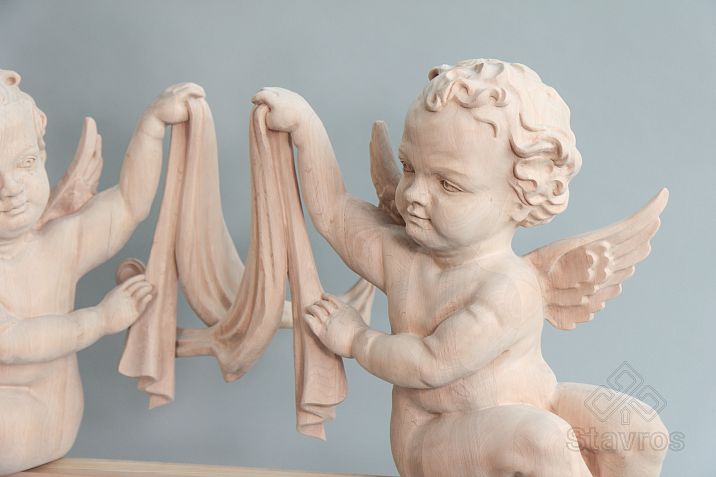
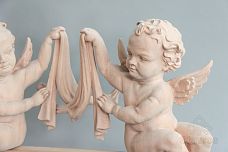
○ Three-dimensional compositions depicting animals, people, or fantasy scenes. This type requires special skill and is often used to create unique items.
- Geometric Carving.
○ Minimalist patterns built on clear lines and symmetry. Perfect for minimalist and modern interiors.
Have you thought about which type of carving would be ideal for your home or interior? The right choice depends on your preferences and the style of the space.
Get Consultation
Artistic Wood Carving Masters and Factories
Behind every carved detail lies the labor of a master.Artistic Wood Carving Masters — are people who possess not only technical skills but also artistic vision. Their works come to life in their hands, transforming into works of art.
Today, the craft of artistic wood carving continues to develop thanks to factories and workshops that produce both traditional and modern items. For example,artistic wood carving factories offer a wide range of decor for interiors, facades, and furniture.
Tip: if you want to purchase an item with artistic carving, contact only professionals. This guarantees the quality and uniqueness of each detail.
Artistic Wood Processing: Modernity and Tradition
Artistic wood processing today combines tradition and innovation. Masters use both hand tools and modern technologies to create items that meet contemporary demands.
Modern trends include:
● Combination of carving with other materials, such as metal or glass.
● Use of eco-friendly coatings to preserve the natural texture of wood.
● Personalization of patterns to highlight the customer's individuality.
Tip: choose items with artistic carving that reflect your style and character. This is not just decoration, but part of your space.
Artistic Carving — is an art that connects the past and present, creating unique items that adorn life. Want to experience this craft? Browse the collection of carved items on the websiteStavros and choose what will highlight your taste and style. Let your space become a reflection of your individuality!
Application of wood carving in interiors: from interiors to facades
Wood carving in interiors: elegance and style
Artistic Carving It plays a key role in creating unique and expressive interiors. It adds warmth, character, and elegance to the space, transforming ordinary rooms into stylish and cozy zones. Every detail adorned with carving becomes an accent that draws attention and highlights the owner's individuality.
Where is carving most often used in interiors?
- Furniture.
○ Carved cabinets, tables, and chairs become central elements in rooms.
○ Headboards decorated with patterns add a royal look to the bedroom.
- Decorative panels.
○ Carved wall panels create texture and depth in the interior.
- Crown mouldings and mouldings.
○ They emphasize architectural lines, adding completeness to the room.
- Frames for mirrors and paintings.
○ Carved frames make mirrors and paintings expressive accents on the walls.
Tip: Use small carved elements, such as frames or appliqués, to begin incorporating artistic carving into the interior. Gradually add larger details to achieve harmony.
Wood carving on facades: traditions and innovations
Building facades adorned withwood carvingalways attract attention. This is not just decoration, but a reflection of cultural traditions and the homeowner's taste. Carving on the facade can be either complex or minimalist, but it always adds expressiveness and uniqueness.
Which facade elements can be decorated with carving?
● Sills. Carved patterns around windows add elegance and coziness to the house.
● Cornices and gables. These elements with carving add completeness to the facade.
● Corner elements. They emphasize architectural lines and create a sense of structure.
● Doors and entrance groups. An entrance area decorated with carving becomes a true work of art.
Tip: Choose facade elements with carving that harmonize with the house's architectural style. For example, delicate sills suit a wooden cottage, while minimalist carved lines suit a modern home.
Artistic carving in furniture: luxury and practicality
Furniture with artistic carving has always been and remains a symbol of refined taste and high status. Each piece of furniture adorned with carving becomes not only functional but also an aesthetically significant element of the interior.
Which furniture items are most often decorated with carving?
- Cabinets and chests of drawers.
○ Carved fronts make these items refined and expressive.
- Beds.
○ Headboards and legs of beds, decorated with intricate patterns, add luxury to the bedroom.
- Chairs and armchairs.
○ Carved armrests, backs, and legs create an accent on the refinement of forms.
- Dining tables.
○ Tables with carved legs become the central element in the dining room.
Tip: Choose carved furniture that matches your interior style. For classic interiors, intricate ornaments are suitable, while modern spaces benefit from minimalist lines.
Decorative items with artistic carving: small accents, big impressions
Large elements are not always needed to transform an interior or facade. Sometimes justdecorative items with artistic carvingadd uniqueness and completeness to the space.
Examples of decorative items:
● Carved frames. For mirrors, paintings, or photographs.
● Boxes and chests. These items not only decorate but also serve a practical function.
● Wall panels. Carved patterns on panels become an accent in the interior.
● Statuettes and accessories. Add individuality and elegance to any space.
Tip: Use small carved items to gradually introduce artistic carving into your home. This could be a photo frame or a jewelry box, which will be the beginning of your collection.
Care for items with artistic carving
To ensure items with artistic carving retain their beauty, proper care is essential:
- Cleaning. Use soft brushes to remove dust from small details.
- Treatment. Regularly apply protective treatments such as oils or varnishes.
- Restoration. In case of damage to carved elements, consult artisans for restoration.
Artistic Carving — is an art that combines tradition and modernity, transforming wood into unique items. It decorates homes, interiors, and facades, creating an atmosphere of refinement and individuality. Want to be inspired and find carved items for your home? Visit the site Stavros and choose elements that will highlight your style and make your home truly special.
Artistic wood treatment: the combination of art and craftsmanship
The art of artistic carving: craftsmanship through the centuries
The art of artistic carving — is a unique opportunity to transform wood into a work of art. It combines the talent of the craftsman, the natural beauty of wood, and centuries-old traditions. Each item is the result of meticulous work, requiring not only technical skills but also creative inspiration.
Why is artistic wood treatment considered art?
- Individuality of each item. Every line, every pattern is handmade, making each piece unique.
- Wood as the ideal material. Its natural texture, warm color, and aroma turn carving into a tactile and visual pleasure.
- Tradition and innovation. Artistic carving draws its roots from the past but adapts to modernity, offering new forms and ideas.
Tip: If you want to truly understand the art of decorative carving, start by studying its history and various techniques. This will help you appreciate the depth and complexity of this craft.
Types of decorative wood carving
Decorative wood processing includes various techniques and styles, each with its own characteristics. Maintypes of decorative wood carving:
- Relief carving.
○ Patterns or images slightly protruding from the surface, creating a three-dimensional effect.
- Cut-out Carving.
○ Elegant openwork patterns, creating a sense of lightness and airiness.
- Sculptural Carving.
○ Three-dimensional figures and compositions requiring a high degree of skill.
- Inlay.
○ Technique of creating images and patterns using different types of wood.
- Geometric Carving.
○ Simple yet expressive patterns suitable for minimalist interiors.
Each type of carving reveals the wood in its own way, highlighting its natural beauty and adding functionality.
Crafts of decorative carving: from traditions to modernity
Crafts of artistic carving preserve cultural heritage and pass it down from generation to generation. These crafts originated in regions rich in forests, where wood became the primary material for creativity. Today, these crafts adapt to modernity, offering products that fit any interior or architectural style.
Examples of traditional crafts:
● Vologda carving. Geometric patterns, often used to decorate furniture.
● Bogorodsk carving. Sculptural compositions depicting scenes from life and nature.
● Kizhi carving. Complex ornaments decorating building facades.
Tip: When choosing items created by masters of traditional carving, pay attention to the history and unique features of each craft. This will help you find an item that perfectly suits your taste.
Artistic carving masters: keepers of the craft
Artistic carving masters are people who preserve and develop ancient art. Their work is the result not only of experience and skill, but also of love for the material. They see wood not just as a material, but as the foundation for creating something beautiful.
Modern masters use both hand tools and the latest technologies to achieve an ideal result. Artistic carving factories, such as Stavrosoffer a wide range of products that combine tradition with modern trends.
Decorative carving in Moscow and other regions
Modern masters work throughout Russia, offering their services to both private clients and large-scale projects Decorative carving in Moscow is especially popular, as it is in demand in premium-class interiors and for decorating facades of historic buildings.
Tip: If you are looking for a unique item, choose masters or factories that are willing to offer you a personalized approach and create an item according to your design.
Artistic Carving is an art that remains relevant in the modern world due to its unique combination of tradition, aesthetics, and functionality. It decorates homes, interiors, and facades, adding elegance and individuality. Want to become the owner of a unique item with decorative carving? Browse the selection on the websiteStavros and find what will highlight your taste and make your home truly special.
Artistic Carving in Modern Design: Fusion of Tradition and Innovation
Why is artistic carving relevant today?
Despite the rapid development of technologies and new materials,Artistic Carving it remains popular due to its unique blend of aesthetics and traditions. It not only preserves a connection to the past but also becomes an element that seamlessly integrates into modern interiors and architectural solutions.
What attracts modern designers to artistic carving?
- Authenticity. Each piece is unique, as it is handmade or created with minimal technological intervention.
- Ecological. Using natural wood aligns with current trends in eco-friendly design.
- Flexibility. Artistic carving easily adapts to any style — from classic to minimalism.
Tip: If you want to add a distinctive touch to your interior or facade, use elements with artistic carving combined with modern materials such as glass or metal. This creates a harmonious balance between tradition and innovation.
Artistic Carving in Premium Interiors
In premium interiors, wood carving is used to create accents that highlight the owner’s status and taste. It can serve as a central element or an elegant addition to the overall design.
Examples of usage:
- Ceiling rose and cornices
○ Artistic carved elements add depth and completeness to the space.
- Decorative panels and partitions.
○ Delicate patterns on partitions create zoning without overwhelming the interior.
- Carved furniture
○ Cabinets, wardrobes, tables, and chairs with handcrafted patterns become the main accents in the room.
Tip: Choose carved items that emphasize the main style of your interior. For example, intricate ornaments suit classic spaces, while minimalist lines work well for modern interiors.
Artistic Carving on Facades: Attracting Attention
Artistic Carving On building facades — it’s a way to make a home unique and expressive. It is used to create details that emphasize architectural lines and harmonize with nature.
Where is carving on facades most commonly applied?
- Window sills.
○ These elements frame windows, adding expressiveness and elegance.
- Cornices and gables.
○ When adorned with carving, they emphasize the completeness of the facade.
- Doors and portals.
○ Carved elements at the entrance create the first impression of the home.
Tip: Combine artistic carving elements with natural materials such as stone or brick to create a harmonious exterior appearance.
Carving as a Space-Zoning Element
In modern interiors, wood carving is increasingly used for space zoning. This can be a decorative partition or small accents that highlight transitions between zones.
Ideas for zoning:
- Carved panels.
○ Use delicate panels to separate the living room and dining room.
- Decorative inserts.
○ Decorate partitions with small carved elements to add elegance.
- Furniture.
Use carved furniture to visually highlight areas for relaxation or work.
Tip: choose carvings that harmonize with other interior elements to create a cohesive and balanced look.
Personalization with artistic carving
Modern artisans offer customization services. This can be a unique pattern that highlights the owner's personality, or crafting an item based on a custom sketch.
How to use personalization?
● Order carved elements with initials or family crest.
● Create a unique design for furniture or decorative panels.
● Use carving to create family or thematic ornaments.
Tip: consult professionals to develop a unique project that reflects your style and preferences.
Care for modern artistic carving
Carved items require regular care to maintain their beauty:
- Regular cleaning. Remove dust with soft brushes or cloth.
- Protection. Apply oils or varnishes to preserve the wood texture.
- Restoration. In case of damage or cracks, consult artisans for professional repair.
Artistic Carving — is an art that continues to evolve and find its place in the modern world. It adorns homes, creates unique interiors, and preserves connections to traditions. Want to transform your space? Browse the product range on the websiteStavros and choose what highlights your style and individuality. Let artistic carving become part of your life!
Crafts of artistic carving: preserving heritage and cultural values
Traditional crafts and their significance
Crafts of artistic carving represent a cultural wealth that has been formed over centuries. Each region had its own characteristics, techniques, and styles reflecting natural resources, lifestyle, and aesthetic preferences of the people. These traditions not only survived but continue to inspire modern artisans.
What makes traditional crafts unique?
- Regional characteristics. Each craft has a unique style that cannot be confused with others. For example, Bogorodskaya carving is known for sculptural compositions, while Vologda carving features geometric patterns.
- Symbolism. Carved ornaments often carried protective or symbolic functions, telling stories through patterns.
- Handmade work. Even in the age of mechanization, crafts preserve the traditions of manual labor, making each item unique.
Tip: choose items that reflect the characteristics of your region or traditions that resonate with you spiritually. This will add uniqueness and historical depth to your home.
Modern development of crafts
Modern technologies and changes in buyer demands have influenced traditional crafts. Today, artisans successfully adapt ancient techniques to meet modern requirements, creating items suitable for various interior and architectural styles.
What has changed in the crafts?
- New materials. In addition to traditional wood, modern coatings and combinations with metal or glass are used.
- Personalization. Artisans increasingly work on custom orders, offering clients unique items.
- Aesthetics. Traditional patterns have acquired a modern sound while maintaining a connection to cultural roots.
Tip: pay attention to collections from modern manufacturers such asStavrosto find items that combine tradition with modern trends.
Artistic carving features: from minimalism to baroque
Minimalism and simplicity
Modern interiors often require simplicity and elegance, makinggeometric carving a popular choice. Simple patterns, built on clear lines and symmetry, are ideal for modern homes.
Application Examples:
● Mirror or window framing.
● Creating decorative panels.
● Decorating furniture such as chairs or tables.
Tip: use minimalist carving to add elegance to your interior without overloading it with details.
Baroque luxury
Baroque carving, on the contrary, is characterized by complexity and richness of details. These are large patterns including floral ornaments, intricate scrolls, and three-dimensional forms. Artistic carving in the baroque style is ideal for interiors in the classical style.
Where is baroque carving used?
● For decorating doors and doorways.
● On the fronts of cabinets and chests of drawers.
● For decorating cornices and ceiling rose fixtures.
Tip: choose baroque carving to create accent zones in your home, for example, to highlight the fireplace or bedroom.
Eco-style and natural motifs
Eco-style is becoming increasingly popular, and carving in this direction focuses on using natural wood texture. Patterns often include nature motifs: leaves, branches, flowers, and even animals.
Application Examples:
● Decorating house facades, especially country homes.
● Decorating garden furniture and gazebos.
● Decorating interiors in the country or Scandinavian minimalist style.
Tip: eco-style pairs well with raw wood and natural fabrics, creating an atmosphere of coziness and warmth.
Caring for artistic carving: how to preserve beauty for years
Wooden artistic carving, like any work of art, requires careful maintenance. To preserve the aesthetic quality of items, it is important to consider the material and technique specifics.
Basic care rules:
- Dust removal. Use a soft brush or cloth to avoid damaging small details.
- Protection from moisture. Treat items with special oils or varnishes to prevent cracking.
- Restoration. In case of damage, consult professional craftsmen to preserve the original appearance of carved elements.
Tip: Place items with artistic carving away from direct sunlight and significant temperature fluctuations to avoid deformation.
Artistic Carving It is an art that combines traditions, craftsmanship, and aesthetics. It decorates interiors, facades, and household items, adding them individuality and refinement. Regardless of whether you prefer minimalism, luxury, or natural motifs, wood carving can bring your boldest ideas to life.
Want to transform your home or find a unique accent for your interior? Browse items on the website Stavros and choose what will become a true decoration of your space. Let artistic carving inspire you to create a cozy and stylish atmosphere!
Personalization of items with artistic carving: uniqueness in every element
Why is personalization important?
In today's world, where standard solutions are increasingly giving way to individual projects,personalized items with artistic carving are becoming increasingly popular. These are not just interior items or decor, but reflections of the personality, taste, and style of their owners.
Advantages of personalization:
- Uniqueness. Each item is created according to the client's wishes, making it one-of-a-kind.
- Emotional value. Carvings with family crests, initials, or symbols important to the family create an emotional connection.
- Integration into interior. Personalized elements fit perfectly into the style and concept of your space.
Tip: When ordering a personalized item, discuss your wishes in detail with the craftsman to ensure you receive exactly what you envisioned.
How to implement personalization?
Personalization can include creating unique patterns or working with ready-made elements that are enhanced with individual details. Here are some examples:
● Family crests. Perfect for decorating doors, fireplaces, or furniture.
● Initials. Decorate boxes, frames, or small interior items.
● Custom ornaments. Creating unique patterns that reflect the client's preferences.
Example: a carved cabinet with a unique ornament that echoes the motifs of wallpaper or textiles in the interior.
Artistic carving in corporate projects
Personalized carving is popular not only in private interiors but also in corporate environments. Companies increasingly order items with logos or symbols to emphasize their identity and style.
Where is personalization used in corporate environments?
● Office decoration. Carved elements in reception or conference areas create an atmosphere of solidity and elegance.
● Gifts for clients and partners. Boxes, frames, or figurines with the company logo — a stylish and memorable present.
● Branded interior elements. Using carving with corporate symbols in furniture or wall decoration.
Tip: Corporate items with carving will highlight the company's status and leave a positive impression on partners and clients.
Carving in art and culture: symbolism and meaning
Artistic carving as a reflection of time
For centuries, wood carving has not only adorned objects but also served as a means of conveying information, symbols, and even philosophical ideas.The art of artistic carving is a mirror of culture, reflecting its traditions, beliefs, and aesthetic preferences.
Examples of symbolism in wood carving:
- Plant motifs. Represent nature, fertility, and harmony.
- Geometric patterns. Convey ideas of order, symmetry, and stability.
- Narrative compositions. Tell stories, often linked to myths or real events.
Tip: If you wish to create an item with deep meaning, discuss with the artisan the use of symbolism in the design of the carving.
Artistic carving as a collectible item
Items with artistic carving become not only decoration but also valuable collectibles. They retain their historical and cultural significance, becoming part of private collections or museum exhibits.
What makes items with artistic carving valuable?
● Uniqueness. Handcrafted work ensures that each item is one-of-a-kind.
● Historical significance. Many carved elements have a multi-century history.
● Aesthetics. The delicacy of the work and the skill of execution make them appealing to art connoisseurs.
Tip: When purchasing collectible items, pay attention to their origin, history, and condition to make a truly valuable contribution to your collection.
Artistic Carving It is not merely decorative craftsmanship, but a unique way to express oneself, preserve ties to traditions, and highlight individuality. It adorns homes, offices, and facades, creating harmony between the past and the present.
If you wish for your space to reflect your personality and style, choose items with artistic carving. Visit the siteStavrosto find inspiration and select elements that will emphasize the uniqueness of your interior or facade. Let artistic carving become an indispensable part of your life!
Artistic carving in modern architecture: focus on details
Role of artistic carving in architectural projects
Modern architecture increasingly turns to traditions to highlight the uniqueness of buildings and create an expressive appearance.Artistic Carving Becomes an important tool in this process. It gives buildings individuality, harmoniously fitting into both classical and modern projects.
Why is artistic carving important in architecture?
- Focus on details. Even a small carved element can dramatically change the perception of a facade or interior.
- Connection to traditions. Wood carving returns architecture to its historical significance, preserving national and cultural characteristics.
- Flexibility of application. It can be used for both exterior and interior decoration.
Tip: When planning an architectural project, discuss with the designer or architect the possibility of incorporating elements of artistic carving to create a harmonious and expressive building appearance.
Examples of using carving in architecture
- Facades and entrance areas.
○ Carved window casings, cornices, and pediments adorn homes, emphasizing their style.
○ Artistic Carving in the entrance area makes the entrance striking and memorable.
- Window and door decoration.
Balconies and terraces.
- Balconies and terraces.
Carved balusters and railings create a sense of lightness and elegance.
- Roof decoration.
Elements of artistic carving are used to decorate ridges, eaves, and overhangs.
Tip: Combine carved elements with natural materials such as stone or metal to create an interesting contrast in design.
Artistic carving in furniture: from traditions to modernity
Carved furniture as the main interior accent
Furniture with artistic carving has always been a symbol of refined taste and high status. Today, it not only maintains its position but also becomes a trend due to the combination of traditional craftsmanship and modern design solutions.
Which furniture elements are most often decorated with carving?
- Beds.
Carved headboards and legs turn beds into the focal point of the bedroom.
- Cabinets and chests of drawers.
Facades, decorated