Article Contents:
- 1. History and Significance of Wood Materials
- 1.1 Origins of Wood Usage
- 1.2 Role of Wood in Crafts and Construction
- 1.3 Modern Trends and Revival of Natural Wood
- 2.1 Solid Wood
- Advantages of Solid Wood:
- 2.2 Veneer and Plywood
- Advantages of Plywood and Veneer:
- 2.3 Laminated Products
- Advantages of Laminates:
- 2.4 Composite Wood Materials
- Advantages of Composites:
- 3.1 Drying and Conditioning
- 3.2 Mechanical Processing: Planing, Milling, Carving
- 3.3 Laminating and Finishing
- 3.4 Thermal Treatment and Modification
- 3.5 Impregnation and Finishing
- 4.1 Furniture Manufacturing
- 4.2 Interior Finishing
- 4.3 Architectural Projects
- 4.4 Decorative Arts and Crafts
- 5.1 Ecological Purity and Sustainability
- 5.2 Carbon Footprint Reduction
- 5.3 Contribution to Socio-Economic Development
- 6.1 Innovative Processing Technologies
- 6.2 Expanding Product Range
- 6.3 Sustainable Development and Environmental Responsibility
- 6.4 Blending Tradition and Modernity
- 6.5 Global Cooperation and Market Expansion
- 7.1 Material Selection Based on Purpose
- 7.2 Processing and Finishing Technologies
- 7.3 Ecological Certification and Raw Material Origin
- 7.4 Combination with Other Materials
- 8.1 Furniture for Home and Office
- 8.2 Architectural Solutions and Facade Finishes
- 8.3 Decorative Installations and Art Objects
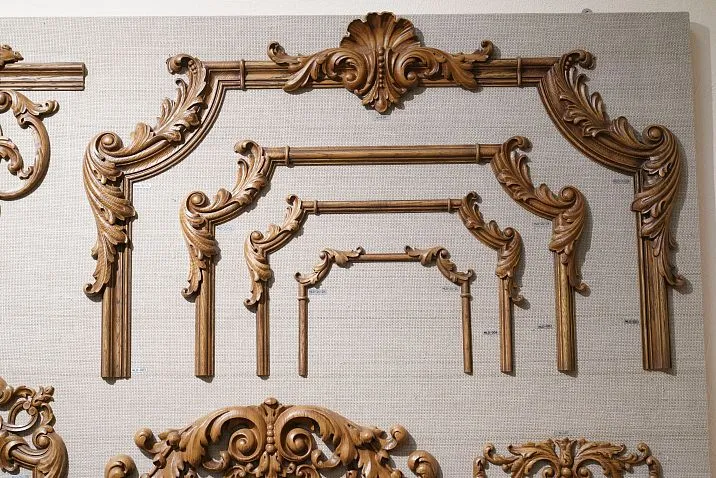
Natural wood is not just a material, but a whole world filled with history, culture, and undeniable aesthetics. In the context of rapid technological development and heightened attention to ecological aspects, wood-based materials are becoming increasingly popular. They are used in construction, finishing, furniture production, and artistic crafts. The modern catalog of wood materials presents a carefully selected collection of products, where each species and type of processing carries unique qualities and possibilities for realizing the boldest design ideas.
In this article, we will thoroughly examine the diversity of wood materials, their characteristics, technological nuances of processing and application, and analyze how to choose the optimal solution for creating a stylish and functional interior. For additional information and to explore the full range of products, we recommend visitingthe wood materials catalog.


1. History and Significance of Wood Materials




1.1 Origins of Wood Usage
Wood has accompanied humanity since the earliest times. Even primitive people used wood to make tools, dwellings, and ornaments. The evolution of wood processing paralleled the development of civilization, becoming an indispensable part of architectural and artistic traditions. Every nation, whether ancient Egyptians, Greeks, Romans, or Eastern peoples, created unique items reflecting not only functional needs but also cultural heritage.
Our factory also produces:


1.2 Role of Wood in Crafts and Construction
For centuries, wood was the primary material in constructing homes, palaces, temples, and public buildings. Crafts related to wood processing developed and refined: carving, planing, inlaying, varnishing — all these methods created unique works worthy of attention. Masters passed down their knowledge from generation to generation, enabling the creation of items with the highest quality and artistic value. Even today, natural wood materials remain symbols of refined taste and ecological responsibility.
Get Consultation
1.3 Modern Trends and Revival of Natural Wood
In the last decades, despite the active development of synthetic materials, interest in natural wood continues to grow. This is linked to global trends in ecology, healthy lifestyle, and sustainable development. Consumers seek natural, durable, and eco-friendly materials that impart warmth and a unique atmosphere to interiors. Modern processing technologies, such as thermal modification, laminating, and digital carving, allow the full potential of natural wood to be realized, combining traditional crafts with innovative approaches.
2. Wood Materials Catalog: Overview of Main Categories
The modern catalog of wood materials covers a wide range of products, from raw solid stock to high-tech composites. Below are the main categories, each with its own features and areas of application.
2.1 Solid Wood Stock
Solid wood refers to items made from whole boards or beams obtained directly from the tree trunk. This material is valued for its strength, natural texture, and durability.
Advantages of Solid Wood:
● Natural beauty: Unique wood grain patterns and rich tones make each item one-of-a-kind.
● Strength: Solid wood has high mechanical strength, ensuring long service life of items.
● Ecological safety: Natural wood contains no synthetic additives, guaranteeing health safety.
However, solid wood items require careful maintenance, as natural wood is prone to shape changes due to fluctuations in humidity and temperature.
2.2 Veneer and Plywood
Veneer is a thin layer of wood obtained by planing or peeling, which retains the material's natural appearance. Veneer is often used to cover cheaper substrates, giving them the look of valuable wood.
Plywood is created by pressing several veneer layers together. This method ensures high strength and resistance to deformation.
Advantages of veneer and plywood:
● Economy: Allows achieving the look of expensive wood at lower costs.
● Stability: The multi-layer structure of plywood prevents warping and deformation.
● Versatility: Ideal for manufacturing furniture carcasses, decorative panels, and packaging.
2.3 Laminated Products
Laminated wood materials are products obtained by covering a base (such as MDF or particleboard) with a decorative veneer or laminate layer. This approach allows creating a product that looks like natural wood but has improved performance characteristics.
Advantages of laminate:
● Variety of design: Rich color palette and textures allow selecting finishes to match any interior.
● Protection: Laminate protects the base product from moisture, scratches, and wear.
● Affordability: Laminate costs significantly less than solid wood products.
2.4 Composite Wood Materials
Composite materials such as wood-polymer composites (WPC) and medium-density fiberboard (MDF) combine natural components with synthetic polymers. These materials have unique characteristics: enhanced resistance to moisture, high strength, and dimensional stability.
Advantages of composites:
● Resistance to external influences: Composites are not afraid of moisture, insects, and ultraviolet radiation.
● Ease of processing: They are easily machined, sanded, and processed using other methods.
● Wide range of applications: Used for creating furniture carcasses, facades, and decorative elements.
3. Wood Processing Technologies and Material Modification
Modern wood processing methods play a key role in enhancing its performance characteristics. Let's consider the main technological processes used in producing solid wood products.
3.1 Drying and Conditioning
Proper wood drying is the foundation without which it is impossible to create a stable product. Modern drying chambers with temperature and humidity control allow achieving optimal conditions for each wood species. This significantly reduces the risk of cracking and warping, preserving the material's structural integrity.
3.2 Mechanical Processing: Planing, Milling, Carving
After drying, wood is planed to obtain smooth surfaces. Subsequently, parts can be processed on CNC milling machines, enabling the creation of complex profiles, decorative patterns, and carved elements with high precision. Modern carving technologies combine manual labor with automated processes, allowing artisans to realize the most daring design ideas.
3.3 Laminating and Veneering
To improve the appearance and enhance protection of wood, laminating is applied. Veneering with veneer or laminate allows creating products that visually resemble solid wood but have more stable characteristics. Laminating technology is used for both furniture carcasses and decorative panels in interiors.
3.4 Thermal Treatment and Modification
Modern thermal treatment methods allow improving wood properties without using chemicals. Thermally modified wood has increased resistance to moisture and decay, making it ideal for outdoor use. At the same time, the natural appearance of the material is preserved, which is especially valuable for designers.
3.5 Impregnation and Finishing
To protect wood from mechanical damage, moisture, and ultraviolet rays, various varnishes, oils, and waxes are applied. Impregnating compounds create a thin protective film on the surface that not only preserves the natural texture but also adds extra gloss and depth of color to the product. These technologies allow extending the service life of products and maintaining their aesthetic qualities for many years.
4. Application of wood materials: from classics to innovations
4.1 Furniture production
Furniture made of natural wood is synonymous with durability, elegance, and ecological purity. The wood materials catalog features items crafted from various species: oak, beech, ash, walnut, pine, birch, and others. Each species has its unique characteristics:
● Oak is renowned for its strength and noble appearance. Oak furniture suits classic interiors and can serve for decades.
● Beech offers excellent workability and is suitable for creating furniture with refined, smooth shapes.
● Ash is known for its elasticity and expressive texture, making it ideal for modern and sporty interiors.
● Walnut gives furniture a luxurious and exclusive look, perfectly suited for elite interiors.
● Pine and birch are affordable and practical options for creating furniture in country or Scandinavian minimalist styles.
Each furniture collection made of natural wood is carefully designed in terms of design, functionality, and durability. Modern manufacturers incorporate innovative processing technologies, allowing them to combine traditional craftsmanship with high standards of quality and aesthetics. For more detailed information about furniture materials, please visitwood-based materials catalog.
4.2 Interior finishing
Natural wood is a popular choice for interior finishing. It is used to create decorative panels, ceilings, wall murals, floors, and staircases. Wood gives a room warmth and coziness, and its natural texture and color palette allow achieving harmonious combinations with any style—from classic to modern minimalism.
In interiors, great attention is paid to combining different wood species, which allows creating an interesting visual effect. By combining solid wood with laminated or plywood items, designers achieve a balance between naturalness and technology.
4.3 Architectural projects
In modern architectural projects, natural wood is used not only as a finishing material but also as a load-bearing structure. Glued beams, glued wood, and solid panels allow constructing buildings with high energy efficiency and aesthetic appeal. In such projects, wood often becomes a central element, emphasizing the connection between the building and nature and giving it a unique appearance.
Especially interesting are modern projects of high-rise wooden structures, where the combination of traditional technologies and modern innovations allows creating safe and strong buildings. Such projects are a vivid example of how an ancient material can be integrated into the latest architectural trends.
4.4 Decorative arts and crafts
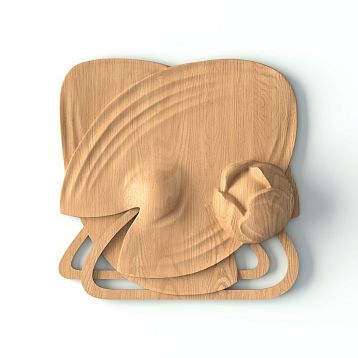
In the world of decorative arts, wood continues to inspire artisans to create unique objects. Carved panels, sculptures, musical instruments, artistic boxes, and much more—all are created with love for the natural material. Traditional woodworking techniques intertwine with modern methods such as laser cutting, creating items capable of becoming true works of art.
Each item made of natural wood carries a story, reflects cultural traditions, and demonstrates a high level of craftsmanship. Such works often become family heirlooms passed down from generation to generation and symbolize not only artistic value but also a deep connection with nature.
5. Ecological and social aspects of using natural wood
5.1 Ecological purity and sustainability
One of the key advantages of natural wood is its ecological purity. Unlike synthetic materials, wood does not contain toxic chemicals, which is especially important for creating a safe and healthy living space. Provided rational forest management, wood is a renewable resource, and using certified materials (e.g., according to FSC or PEFC standards) guarantees compliance with ecological norms.
5.2 Carbon footprint reduction
Producing items from natural wood requires less energy compared to producing metal or plastic analogs. During their service life, wooden structures actively sequester carbon, helping reduce CO₂ emissions into the atmosphere. This makes wood an important element of climate change mitigation strategies and improving building energy efficiency.
5.3 Contribution to socio-economic development
The development of the wood processing industry contributes to creating jobs in rural and urban areas, supporting crafts and traditional technologies. Producing natural wood materials stimulates local production, attracts investments in eco-friendly technologies, and promotes a culture of responsible consumption. Wood material catalogs, such as those presented onSTAVROS website, allow not only to choose quality products but also to support manufacturers oriented towards sustainable development.
6. Trends and prospects for the development of wood materials market
6.1 Innovative processing technologies
Modern technologies play a key role in improving the quality and expanding the possibilities of natural wood. Automation of production, use of CNC machines, laser cutting, and digital modeling allow creating items with high precision and unique decorative elements. Latest methods of thermal treatment and wood modification significantly improve its resistance to moisture, insects, and ultraviolet radiation.
6.2 Expansion of product range
The catalog of wood materials is constantly being updated with new developments. Innovative composite materials based on natural wood, as well as new types of laminated and cladding products, are emerging. This enables designers and architects to realize the boldest projects, combining the aesthetics of natural wood with the practicality and durability of modern materials.
6.3 Sustainable development and ecological responsibility
Global ecological challenges are driving the transition to renewable resources. Natural wood, provided it is harvested sustainably, is an ideal solution for creating eco-friendly and energy-efficient structures. In the coming years, attention is expected to intensify on certified materials and the development of technologies for recycling wood processing waste.
6.4 Blending Tradition and Modernity
Modern designers strive for a harmonious combination of traditional craftsmanship and cutting-edge technological advancements. In interiors, furniture and decorative elements made from solid wood are increasingly common, combining classic carving with contemporary minimalist lines. This approach allows preserving cultural heritage while making products functional and modern.
6.5 Global Cooperation and Market Expansion
The market for natural wood is becoming increasingly international. Producers from different countries are uniting to exchange technologies and experience, creating global supply and cooperation networks. This contributes to improved product quality, expanded product variety, and greater accessibility for consumers worldwide. Platforms and catalogs, such asthe Stavros catalog, play an important role in promoting both domestic and international manufacturers, enabling clients to find the best solutions for their projects.
7. Practical Recommendations for Selecting and Integrating Wood Materials in Projects
7.1 Material Selection Based on Purpose
When selecting wood materials for furniture, finishing, or construction, consider the final purpose of the item. For furniture and decorative elements, prefer solid wood or laminated products that highlight the natural beauty of wood. For load-bearing structures or exterior finishes, use glued laminated timber, plywood, or thermally modified wood, which offers enhanced resistance to atmospheric conditions.
7.2 Processing and Finishing Technologies
When purchasing wood products or materials, pay attention to processing methods. Modern technologies such as digital carving, laser engraving, and automated planing ensure high surface quality and precise dimensions. Finishing materials — varnishes, oils, and waxes — must provide high protection while preserving the natural texture and tone of the wood.
7.3 Environmental Certification and Raw Material Origin
Check for FSC, PEFC, and other environmental responsibility certifications. This not only confirms the legal origin of the wood but also guarantees that production adheres to sustainable development standards. When purchasing, pay attention to the material’s origin to ensure its ecological purity and safety for health.
7.4 Combining with Other Materials
In modern interior and architectural design, natural wood is often combined with metal, glass, and stone. Such combinations allow creating contrasting and dynamic solutions, where each material highlights the strengths of the others. It is important that color and texture harmony is maintained, and transitions between materials are smooth and organic.
8. Examples of Successful Projects and Applications
8.1 Furniture for Homes and Offices
Many modern projects demonstrate how successfully natural wood can be integrated into interiors. Solid wood tables, chairs, cabinets, and shelves made from oak, ash, or walnut create an atmosphere of warmth and luxury. Such items invariably attract attention with their natural beauty and durability, becoming focal points in space composition.
8.2 Architectural Solutions and Facade Finishes
Wood is used not only for interior finishes but also for creating striking building facades. Glued laminated wood panels, solid wood doors, and decorative elements emphasize the ecological orientation of the project and create a unique exterior appearance. Modern architects use natural wood to design buildings that harmoniously blend into natural landscapes, combining traditional methods with innovative technologies.
8.3 Decorative Installations and Art Objects
In the world of contemporary art, natural wood continues to inspire artists. Sculptures, carved panels, decorative elements, and installations made from wood possess a unique aesthetic that is valued in both traditional galleries and urban streets. Such works not only demonstrate the artists’ skill but also underscore the importance of ecological responsibility in contemporary art.
9. Conclusion
The catalog of wood materials represents a vast world filled with diversity of species, processing technologies, and application possibilities. Natural wood, due to its ecological properties, strength, and aesthetic appeal, remains a choice for those who value quality, durability, and connection with nature. It can transform any space — whether home, office, public building, or art installation — and bring warmth, comfort, and harmony.
Modern trends in furniture manufacturing, architecture, and design increasingly turn to natural materials capable of preserving craftsmanship traditions while meeting high modern standards. Innovative processing technologies, production automation, environmental certification, and global cooperation help create products capable of satisfying even the most demanding consumer expectations. At the same time, such catalogs, asthe wood materials catalog, play an important role in showcasing the best solutions, allowing you to select products that meet your expectations.
May natural wood, as one of the symbols of nature and eternal beauty, continue to inspire craftsmen, designers, and architects to create unique projects capable of transforming our world. For it is this material that gives us the opportunity to touch history, feel the warmth of nature, and bring a touch of ecological purity and harmony into everyday life.
Thus, a catalog of wood materials is not merely a list of products, but a philosophy uniting craftsmanship traditions, modern technologies, and a commitment to ecological sustainability. Choosing natural wood means choosing quality, durability, and beauty that remain relevant through all ages. For additional information and to explore the range of high-quality wood products, we recommend visitingthe wood materials catalog.
We hope this article will help you better understand the richness and diversity of natural wood, and inspire you to create unique projects where this magnificent material becomes the central element, uniting aesthetics, functionality, and ecological responsibility.