Article Contents:
- Why do table legs wobble?
- 1. Incorrect leg selection
- 2. Problems with table leg mounting
- 3. Poor-quality materials
- Materials:
- Tools:
- Step 1: Choosing suitable legs
- Step 2: Surface preparation and marking
- Step 3: Installing fasteners
- Step 4: Checking stability
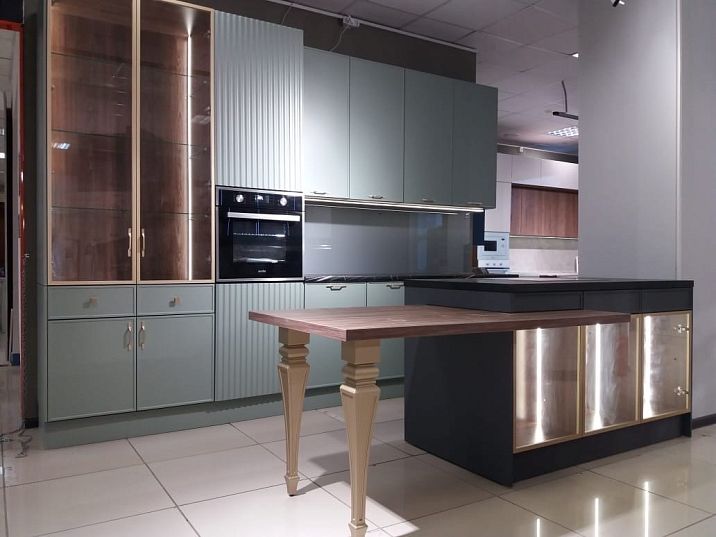
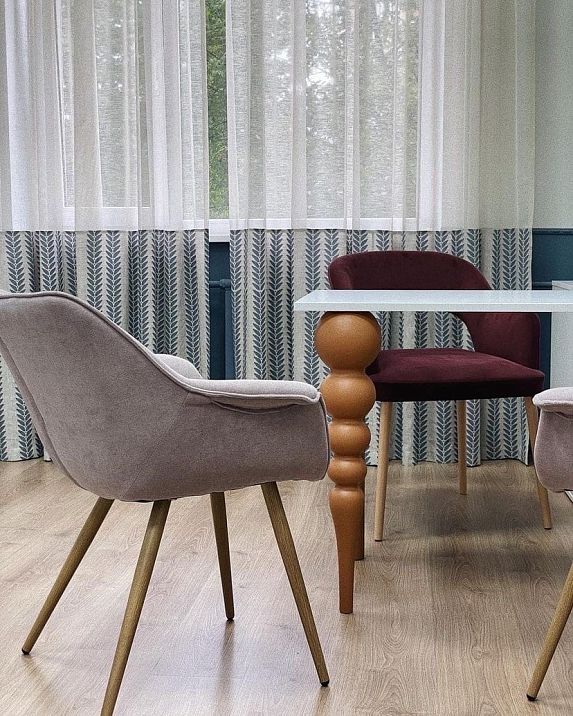
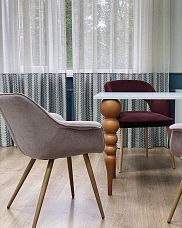
Wobbly table legs can cause many inconveniences and lead to rapid furniture wear. Instability reduces functionality, causes discomfort during use, and may affect the room's appearance. If you want to extend the lifespan of your table and make it as stable as possible, it's important not only to properly secure the legs but also to choose materials and tools appropriately. In this article, we will thoroughly explain how to fix wobbly table legs and help you select suitable optionslegs for the table for your interior.
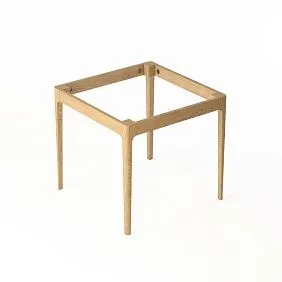


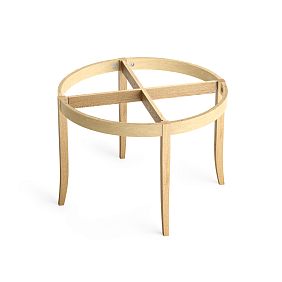
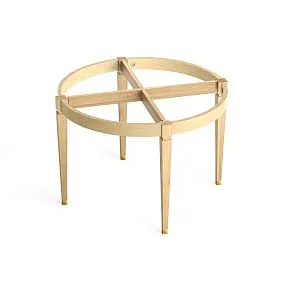
Why do table legs wobble?
Table leg wobbling can be caused by several reasons, each requiring a specific approach. Ignoring these factors may result in the table quickly losing stability, becoming loose, or even deforming. Let's examine the main causes in more detail.




1. Incorrect leg selection
If the legs are not suitable in height, shape, or material, problems are inevitable. For example, standard dining tables require legs 70–75 cm tall, such aslegs for a 75 cm tableHowever, using them for bar furniture will result in insufficient stability. For bar setups, it's important to choose taller models.
Also important is the leg material. For wooden tables, it's better to usebuy wooden table legs of high quality, which will ensure strength and stability.
Our factory also produces:


2. Problems with table leg mounting
Even the most reliable wooden or metal table legs cannot ensure stability if improperly mounted. Using weak fasteners, such as unreliable screws, or improper placement may cause loosening. To avoid this, choose quality fasteners, such as mounting plates or metal brackets, which are ideal forbuy 70 cm table legs.
Get Consultation
3. Poor-quality materials
Saving on materials always results in additional costs in the future. Plastic or overly thin metal legs quickly lose shape and cannot withstand loads. Wooden legs, such asWooden legs for tables 75 cmMaterials and tools for work
Materials and tools for work
Before starting work, it is important to prepare everything necessary. This not only speeds up the process but also helps achieve better results. Properly selected materials and tools are the key to success.
Materials:
-
wooden legs for tables 75 cm or metal equivalents. When choosing legs, consider the style and purpose of the table. For example, for modern interiors, suitable areloft table legs.
-
Fasteners: self-tapping screws, metal brackets, mounting plates. For wooden structures, wood glue is also useful.
-
wood glue, if you are working with wooden legs, for example,buy wooden table legs.
Tools:
-
Tape measure and level for precise measurements and checking stability.
-
Drill and screwdriver for secure fastening.
-
Sandpaper for surface treatment to ensure better adhesion between legs and base.
To choose quality materials and tools, visitsection table legs.
Steps to secure table legs
To achieve stability and longevity of the structure, it is important to follow a specific sequence of actions. Each step is aimed at making your table not only functional but also aesthetically pleasing.
Step 1: Choosing suitable legs
Choosing legs is a key step. They must match not only the style of your interior but also the height and functionality of the table.
-
standard tables are suitablebuy table legs 70 cm.
-
dining tables are popularlegs for a 75 cm table.
-
for round tables, chooseLegs for round tableswhich ensure even load distribution.
-
perfectly suitable for modern interiorsloft table legs.
Step 2: Surface preparation and marking
-
Surface cleaning. The table base and legs must be clean and dry. Sanding with sandpaper ensures perfect adhesion.
-
Marking mounting points. Using a tape measure and level, mark the locations where legs will be attached. The marking should be symmetrical to avoid misalignment.
Step 3: Installing fasteners
-
Mounting plates. This is the most reliable method for attaching metal legs. Plates are installed at the ends of legs and secured with self-tapping screws.
-
metal brackets. Suitable forwooden table legs 75 cmThey are attached to the inner side of the legs and the base.
-
Wood glue. For wooden structures, additionally use glue to increase strength.
Step 4: Stability Check
-
Ensure the table is level. Use a level to check for horizontal alignment.
-
Test stability by gently pressing down on the table. If the legs do not wobble, the job is done.
Tips for the perfect result
-
Choose quality materials. For example,chrome table legs 75 cm or wooden equivalents.
-
Select fasteners appropriate for the leg material. For wood, use glue and bolts; for metal, use mounting plates.
-
Check the level before securing. This will help avoid misalignment.
Where to buy quality table legs?
If you want to purchase reliable and stylish legs, considerthe STAVROS catalogHere you will find:
By properly securing the table legs, you not only extend the lifespan of the furniture but also make its use comfortable and safe. Follow these recommendations, and your table will become a true interior accent!