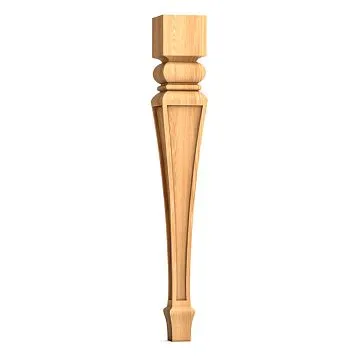
Article Contents:
- Why fittings matter more than commonly thought
- What furniture fittings consist of: navigation by categories
- Decorative fittings: handles and overlay elements
- Structural fittings: fasteners and supports
- Installation and finishing materials
- Furniture handles in Kazan: the main decorative choice
- Wooden handles: why this is a choice not 'for wood lovers', but for those who think about interior
- Types of furniture handles: bracket, rail, button, inset
- How to choose kitchen handles in Kazan
- Handles for cabinets and wardrobes
- Dresser handles
- Furniture leg hardware: stability, leveling, and floor protection
- Furniture glides: three tasks in one element
- Furniture leg studs
- Mounting plates for legs
- How to properly choose a leg mounting system
- Kitchen furniture hardware in Kazan: selection specifics
- Cabinet furniture hardware: what's important to know before ordering
- Cabinet handles: style and reliability
- Cabinet fastening system: glides and legs
- Chest of drawers hardware: selection nuances
- Chest of drawers drawer pulls
- Floor protection under the chest of drawers
- Custom furniture hardware in Kazan
- What's important in custom furniture
- Custom furniture handles: how to make the right choice
- Installation materials for custom furniture
- Furniture installation and finishing materials: what's usually forgotten until the last moment
- Wood oil: Rubio Monocoat as an industrial standard
- Decorative caps
- How to choose furniture hardware: a practical algorithm
- Furniture hardware for kitchen, wardrobe, and dresser: a comprehensive selection table
- Delivery of furniture hardware to Kazan: how it works
- FAQ: answers to the most common questions
- About the Company STAVROS

Furniture hardware is not 'trifles'. It is the backbone of any piece of furniture. It is the hardware that determines how long kitchen fronts will last, how smoothly a dresser drawer will open, whether the floor under the wardrobe legs will get scratched, and whether the handle on the door will feel like a detail of an expensive project—or like a cheap add-on chosen at the last moment.
Kazan today is one of the most dynamic cities in the country in terms of housing construction and renovation. New neighborhoods, renovation of Soviet-era housing stock, custom kitchens, walk-in closets, built-in furniture in studios—the demand for qualityfurniture hardware in Kazanis steadily growing. Along with it, the number of offers is also increasing. And that means—the risk of buying the wrong thing is rising.
How to avoid mistakes? How to choose handles, fasteners, glides, mounting materials, and finishing oil so that the result matches the project and lasts a long time? Let's break it down in detail.


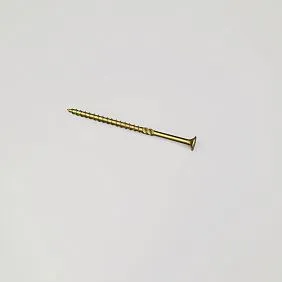
Why hardware matters more than commonly thought
Let's start with an honest conversation. Many people buy furniture, invest serious money in cabinets, fronts, countertops — but save on hardware. The result is predictable: handles become loose within a year, glides leave scratches on new laminate, glue under decorative parts comes off, and threaded inserts strip the threads at the first furniture rearrangement.
QualityFurniture hardware— is not an additional expense item. It's an investment in the product's lifespan. A sliding wardrobe with proper glides and mounting plates will stand stable and without squeaking after ten years. Kitchen fronts with wooden handles on quality fasteners will maintain their appearance after thousands of openings and closings.
And another aspect that is often overlooked: hardware is the final design argument. A properly chosen handle completes the look of a kitchen or dresser just as the right belt completes a suit. Details speak louder about quality than any other interior decision.




What furniture hardware consists of: navigation by categories
Before moving on to selection, let's define the categories. In a broad sense, furniture hardware includes three fundamentally different groups of components. Each solves its own task.
Our factory also produces:


Decorative hardware: handles and overlay elements
This is what is visible and touched by hand. Handles on kitchen fronts, on dresser drawers, on cabinet doors. Decorative overlays, knobs, pulls — everything that forms the visual and tactile image of the furniture.
Get Consultation
Structural hardware: fasteners and supports
This is what is not visible but holds everything together. Threaded inserts for furniture legs, mounting plates, glides, adjustable feet — components that provide stability, precise leveling adjustment, and protection for the floor covering.
Mounting and finishing materials
Adhesive systems, decorative caps, oils for wood finishing — materials needed for proper installation, protection, and maintenance of furniture elements' appearance.
This entire range is available at furniture fittings catalog STAVROS — categorized by purpose, eliminating the need to source components from different suppliers.
Furniture handles in Kazan: the key decorative choice
Let's start with the most obvious — handles. Because they are the first thing that catches the eye and the first thing you touch. Because a mistake in choosing a handle is instantly noticeable.
Wooden handles: why this is a choice not 'for wood lovers,' but for those who think about the interior
wooden furniture handles — is a tactilely warm, visually organic, and stylistically versatile option. Wood doesn't chill the hand in a cool room, doesn't slip, and doesn't leave fingerprints as much as polished metal.
A wooden handle on a kitchen front is a natural touch that softens the rigidity and 'technicality' of kitchen space. In Scandinavian style, eco-style, neoclassicism, or modern minimalism — wooden handles are organic in a wide variety of contexts.
An important nuance: the type of wood for handles matters. Oak with a density of 700–750 kg/m³ is mechanically durable, easy to work with, and retains its shape for a long time. Solid oak handles withstand years of use without loosening — provided they are properly installed.
Types of furniture handles: pull, rail, knob, inset
Choosing a handle style is both a functional and design decision.
A rail handle (or bar pull) is a classic horizontal arc secured at two points. It's convenient for a full-palm grip. The best option for lower cabinet fronts in kitchens: familiar opening method, high load resistance. Rail handle lengths vary from 96 to 256 mm and more—chosen based on the front width and furniture type.
A knob is a compact handle with a single mounting point. Minimalism in its purest form. Used where one wants to 'hide' the hardware: furniture with knobs is perceived as a monolithic surface. Relevant for wall cabinets, nightstands, and wardrobe cabinets.
A recessed handle is a hidden option: the handle is set into the front, not protruding above the surface. Maximum minimalism. Often used in handleless high-end kitchens.
A profile handle is installed along the entire width or height of the front. Opening is done via the profile from below or above. Often used in handleless kitchens with a horizontal profile solution.
How to choose kitchen handles in Kazan
A few specific guidelines:
-
By style: Scandinavian minimalism — a wooden rail handle or knob in a natural tone. Neoclassical — wooden handles with a milled profile. Loft — metal rail handles, but wooden inserts in combined solutions. Eco-style — definitely wood.
-
By size: the distance between mounting holes (center-to-center distance) — standard 96 mm, 128 mm, 160 mm, 192 mm. Before ordering, measure existing holes in the fronts or check the technical specifications from the manufacturer.
-
By material: for the kitchen (an area with variable humidity) — oak with an oil finish is preferable to lacquered oak: the oil coating penetrates the fiber structure and protects from moisture from within.
Furniture handles in Kazanfrom the STAVROS catalog are made from solid oak in various profiles and are available for order with delivery — without trips around the city and without random purchases 'by picture'.
Handles for cabinets and wardrobes
A cabinet is a different mechanism. Cabinet doors open differently than kitchen fronts: not daily 50–70 times, but relatively rarely. Here, the primary focus is not on the fastener's wear resistance, but on the visual role of the handle in the interior.
For built-in cabinets in niches — vertical mounting rail handles. For cabinets in Scandinavian interiors — unlacquered wooden knobs, matte surface. For classic wardrobes — decorative overlay handles with a shaped profile.
Dresser handles
A chest of drawers occupies a special place in the interior of a living room, bedroom, or hallway: it is an item that is constantly seen. Chest of drawers handles work as decorative accents — they must match the style of the entire space.
For a chest of drawers in Scandinavian style — uncoated wooden brackets. For a chest of drawers in classic style — metal or wooden handles with a historical profile. For a chest of drawers in 'jungle' or eco style — wooden knobs in the shape of natural elements.
Handles for cabinets and chestsmade of wood — is an option that does not become outdated or go out of fashion. Wood remains woody, warm, and natural despite any trend changes.
Furniture for furniture legs: stability, leveling, and floor protection
Legs are the support system of furniture. But legs do not work on their own: their functionality is determined by correctly selected hardware — glides, studs, and mounting plates.
Furniture glides: three functions in one component
furniture feet— a small but fundamentally important component. They solve three problems at once:
Floor protection. A hard wooden leg without a glide scratches parquet, laminate, and tile with the slightest furniture movement. A felt or rubber glide provides complete floor covering protection.
Level adjustment. On uneven surfaces (typical for most apartments), furniture without adjustable supports will wobble. Adjustable glides allow leveling furniture with precision up to 1 mm.
Noise absorption. Rubber glides reduce noise transmission during accidental furniture movement — important for apartments with wooden floors.
Glides are selected based on:
-
mounting hole diameter (must match the leg end diameter)
-
adjustment height (higher range for significant floor level differences)
-
working surface material (felt — for parquet and laminate, rubber — for tile and linoleum)
Furniture leg studs
Furniture leg studs.— a metric threaded component that screws into the end of the leg and serves as the attachment point for an adjustable foot.
The length of the stud is selected based on the length of the thread to be cut in the leg material: in solid oak, the screwing depth is 15–20 mm, with an M8 or M10 stud diameter for standard supports. Important: the stud must be made of steel with an anti-corrosion coating—zinc plating or stainless composition.
A common mistake is using studs that do not match the diameter of the foot. Result: unstable connection, leg play, 'separation' of the fastener pair after 2–3 months.
Mounting plates for legs
Mounting plates for legs— is a fastener base for furniture supports that are not screwed directly into the body, but are attached via a metal plate.
Application scenarios for mounting plates:
-
case furniture made of thin MDF, where direct screwing of a stud is unreliable
-
furniture with large-diameter adjustable supports
-
products where legs need to be installed in non-standard locations relative to the standard mounting hole
The mounting plate is attached to the bottom of the body with 4 self-tapping screws; the leg screws into the central threaded hole. The plate redistributes the load over a larger area, preventing the body material from tearing.
How to properly select a leg fastening system
Selection algorithm:
-
Determine the body material: solid wood, 16–25 mm MDF, plywood, particleboard
-
Determine the furniture weight and expected load: a wardrobe with clothes is significantly heavier than a table
-
Choose the fastening type: straight stud (for solid wood and thick MDF) or mounting plate (for thin MDF and particleboard)
-
Select the foot pad: diameter and material of the working surface based on the type of flooring
-
Ensure the stud diameter matches the threaded hole of the foot pad
Kitchen furniture hardware in Kazan: selection specifics
The kitchen is the most demanding area in an apartment in terms of hardware operating conditions. Here, hardware works under constant temperature fluctuations, humidity, grease buildup, and mechanical loads.
What does this mean for selection?
Kitchen handles: materials with moisture-resistant finishes are preferred. Oak handles with oil treatment are an optimal solution: oil protection works from within, does not form a film that can crack. Handles with lacquer coating last less in the kitchen: lacquer on the edges degrades from moisture and grease faster than on regular furniture.
Handle fasteners: use stainless steel or zinc-plated fasteners. Ordinary steel screws in kitchen conditions rust and lose reliability within 1–2 years.
Base supports for kitchen cabinets: lower kitchen cabinets are installed on adjustable plastic plinths or on wooden legs with base supports. In both cases, precise adjustment is necessary: the kitchen backsplash, stove, dishwasher—all require precise leveling.
Mounting materials: for the kitchen, the adhesive's resistance to periodic contact with moisture is fundamentally important. Mounting adhesive based on structural acrylic (like KUDO) or polyurethane adhesive (like TYTAN 604) is the right choice for mounting decorative furniture elements in the kitchen area.
More about selecting kitchen hardware in Kazan — in furniture fittings catalog.
Cabinet hardware: what's important to know before ordering
A cabinet is a product with daily load, but less intense than a kitchen. Here the emphasis shifts from moisture resistance to the load-bearing characteristics of the hardware.
Cabinet handles: style and reliability
For a sliding-door wardrobe, handles are not needed—there's a different mechanism. For cabinet swing doors, the handle carries a functional load: it should be easy to grip and withstand regular pulling force.
Wooden brackets 128–160 mm long with two mounting points are a reliable choice for a cabinet of any style. The distance between the mounting holes needs to be determined before ordering and checked against the technical specifications of the selected model.
For narrow cabinets (depth 40–45 cm), handles with a small projection are preferable: this prevents accidental catching when moving in the tight space of a hallway or corridor.
Cabinet fastening system: leveling feet and legs
Floor-standing cabinets on legs are an aesthetic and functional solution. Legs lift the cabinet body 10–15 cm above the floor, simplifying cleaning and preventing contact between the body and potential condensation on external walls.
For an MDF cabinet weighing 80–120 kg — mounting plates plus M8 metal studs plus adjustable leveling feet with a 15–25 mm adjustment range. This system withstands load without play or deformation.
furniture leg hardwareFor a cabinet, select as a set: plate + stud + leveling foot should form a single coordinated system, not be assembled from mismatched parts from different manufacturers with incompatible thread diameters.
Furniture hardware for a dresser: selection nuances
A dresser in a bedroom or living room is an item that lives in relatively comfortable conditions. Here, the main focus is the visual solution for handles and proper leg fixation.
Handles for dresser drawers
Dresser drawers open with a horizontal pulling motion. The best formats are a pull handle or a knob. A pull handle provides a comfortable grip when pulling out a heavy drawer with clothes. A knob is visually cleaner and suitable for light drawers with accessories.
For a dresser with 4–6 drawers — a unified solution for the shape and color of all hardware. Mismatched handles on a dresser is one of the most common mistakes in DIY assembly.
The center-to-center distance for dresser handles is most often 96 mm. Before ordering, measure the holes or check the specification in the dresser's technical sheet.
Protecting the floor under the dresser
A dresser often stands on parquet or laminate flooring. Wooden legs without felt pads leave scratches at the first accidental shift. Self-adhesive felt pads with a diameter of 25–30 mm are the minimum protection that should be installed immediately after assembly.
For a dresser with carved wooden legs — pads with a pressure ring or screw-in felt inserts that are fixed in the lower end of the leg and do not 'slip' when moved.
Furniture hardware for custom furniture in Kazan
Custom furniture is a special story. There are no standard sizes and standard solutions: each project is unique. And it is here that the correct choice of hardware becomes critical.
What is important with custom furniture
When manufacturing custom furniture, hardware is included in the project at the design stage — it is not selected 'as needed'. This means that the choice of handles, fasteners, and mounting materials occurs before production begins, and changing the decision after cutting the cabinet parts is difficult and costly.
The designer specifies the center-to-center distances for specific handles. If handles are chosen with a center-to-center distance of 128 mm, but holes for 96 mm are drilled in the fronts — rework is inevitable. This is why with custom furniture, the hardware must be approved before the project goes into production.
Handles for custom furniture: how to make the right choice
For a custom kitchen: determine the style of the final interior and choose hardware accordingly. For Scandinavian kitchens — wooden oak brackets. For modern kitchens with dark fronts — contrasting wooden handles in a light tone or, conversely, dark wood on light fronts.
buy furniture hardwareFor custom projects in Kazan, STAVROS catalog is convenient: the entire range with technical specifications is available, delivery to any point in the city, possibility to order samples before final decision.
Mounting materials for custom furniture
Custom furniture often includes decorative wooden elements: applied moldings, solid wood inserts, edge trims. All of them require proper mounting adhesive.
Two main systems:
Structural mounting adhesive KUDO — acrylic base, high adhesion to MDF, plywood, solid wood. Suitable for mounting decorative overlays, wooden moldings and applied furniture elements. Moisture-resistant composition — used in kitchen areas.
Polyurethane adhesive TYTAN 604 — more aggressive adhesion, fills small gaps and unevenness, resistant to vibrations. Used when mounting supporting elements and structural parts.
Rule: adhesive must match the material. MDF + MDF — mounting acrylic. Wood + concrete base — polyurethane. Metal plate + MDF-body — structural adhesive with metal-adhesive additives.
Materials for furniture mounting and finishing: what is usually forgotten until the last moment
This category is called consumables in professional environment. But 'consumable' does not mean 'secondary'.
Wood oil: Rubio Monocoat as industrial standard
If your project includes wooden handles or any other solid wood furniture elements, they require protective coating. Rubio Monocoat oil has become the de facto standard in professional furniture manufacturing.
Why oil, not varnish? Varnish forms a protective film over the wood surface, and it's this film that eventually cracks, peels, and wears away. Oil penetrates the fiber structure and creates protection from within, without a film. The surface remains tactilely 'alive': wood feels like wood, not like a film-coated material.
Rubio Monocoat offers a wide palette of tints: from white through all shades of gray, beige, brown to rich black and special tones. One layer provides full coverage. Renewal is required every 2–3 years with normal use.
Furniture finishing oilRubio Monocoat is available in the STAVROS catalog — both for DIY application on small projects and for professional use in custom furniture production.
Decorative caps
Caps are the final decorative touch that is often overlooked. They cover mounting holes for fasteners: screws, bolts, connector holes. Without caps, finished furniture shows signs of mounting, which ruins the impression of neat execution.
Caps come in:
-
plastic decorative caps matching the MDF coating color
-
wooden caps matching the color and texture of solid wood
-
metal matching the color of handles and other visible metal hardware
Professional rule: plugs are chosen to match the rest of the hardware. On a white MDF front — white plugs. On solid oak — wooden inserts matching the same wood species.
Materials for furniture assemblyinclude the full range: plugs, oils, adhesive systems — everything needed for final assembly and protection of wooden furniture elements.
How to choose furniture hardware: a practical algorithm
A specific sequence for those who don't want to waste time on rework.
Step 1: Determine the furniture style. This defines the visual code of the handles — shape, material, color.
Step 2: Determine the cabinet material. MDF, solid wood, particleboard — this determines the type of fasteners and mounting plates.
Step 3: Measure the center-to-center distances. For handles: distance between mounting holes. For legs: distance between cabinet mounting points.
Step 4: Determine the type of flooring. This determines the material of the working surface of the glides: felt for parquet, rubber for tile.
Step 5: Determine the presence of wooden elements. If there is solid wood — oil or varnish is needed for protective treatment.
Step 6: Order samples before finalizing your order. The color of the handle on screen and in reality often differs. A sample eliminates this uncertainty.
Step 7: Order with a margin. During installation of wooden handles, 5–7% of units are defective. When ordering fasteners — add 10–15% to the calculated quantity.
Furniture hardware for kitchen, wardrobe, and dresser: selection summary table
| Furniture type | Handles | Leg fasteners | Features |
|---|---|---|---|
| Kitchen | Oak with oil finish, bracket 96–160 mm | Stud + adjustable foot with rubber pad | Moisture-resistant handle coating, stainless steel fasteners |
| Sliding wardrobe | Not needed (sliding doors) | Mounting plate + M8 stud + felt foot | Fastener load-bearing capacity up to 150 kg |
| Swing-door wardrobe | Bracket or knob, wood | Mounting plate + stud + adjustable foot | Center-to-center distance — standard 96 or 128 mm |
| Commode | Bracket or button | Self-adhesive felt feet | Unified handle set for all drawers |
| Custom furniture | As per project: determined before cutting | By cabinet material: plate or stud | Approve hardware before production launch |
Delivery of furniture hardware to Kazan: how it works
For residents of Kazan and Tatarstan, logistics is an important issue. You can buy furniture hardware in Kazan in two ways: visit a showroom or order with delivery from an online catalog.
STAVROS delivers throughout Russia, including Kazan. Delivery times are agreed upon when placing an order. Self-pickup from production and warehouse facilities is possible. For large orders for furniture production, terms are considered individually.
Online catalogof furniture fittings in Kazanis available 24/7: technical specifications, photos, the ability to filter by type and purpose. This is more convenient than driving around city stores looking for the right glider or correct stud.
FAQ: answers to the most common questions
What furniture fittings are best for the kitchen?
Solid oak handles with oil finish are moisture-resistant and tactilely comfortable. For fasteners — stainless steel or zinc-plated self-tapping screws. Gliders — adjustable with a rubber working surface.
How to choose handles for a wardrobe?
Determine the interior style, center-to-center distance, and handle projection. For a hinged wardrobe in the hallway — a bracket or vertical railing. For a wardrobe in a Scandinavian-style bedroom — a wooden knob or minimal bracket.
What is a mounting plate and what is it for?
A mounting plate is a metal mounting platform for installing furniture legs where direct screwing of a stud into the body is unreliable (thin MDF, chipboard). It distributes the load over a larger area.
What oil is best for wooden handles?
Rubio Monocoat — the professional standard. One coat, wide range of tints, penetrating protection from within, durability up to 2–3 years without renewal.
How to order furniture fittings to Kazan with delivery?
Through the STAVROS online catalog: select the required items, place an order, specify the delivery address in Kazan. Managers will clarify the terms and conditions.
Is it necessary to order handle samples before purchase?
Yes — especially for wooden handles, where color and texture differ on screen and in reality. A sample allows for an informed decision and avoids returns.
Can I buy furniture fittings wholesale in Kazan?
Yes. STAVROS works with both retail customers and furniture manufacturers. Wholesale terms — upon request through the website.
How to properly install a glider on a wooden leg?
Screw the stud into the center of the leg end to a depth of 15–20 mm (pre-drill a hole with a diameter 1 mm smaller than the stud diameter). Put on the adjustable glider. Adjust the height using a level.
About the company STAVROS
In conclusion — about who stands behind all the listed assortment.
STAVROS is a Russian manufacturer of solid wood and MDF products, operating since 2002. The company was founded in St. Petersburg by two artists — Andrey Ragozin and Evgeny Tsapko. Among the first major projects was the reconstruction of the Konstantinovsky Palace in Strelna in 2003. Over two decades, the company has participated in the restoration of the Hermitage, the Alexander Palace, the Trinity-Izmailovsky Cathedral, and the Sheremetev Mansion.
This context is important not as marketing, but as an explanation of the approach: when you make details for historical objects — the requirements for geometric accuracy, material stability, and coating quality are fundamentally different than in mass production.
STAVROS manufactures in St. Petersburg under climatically stable conditions: temperature 20–24°C, humidity at least 40%. This guarantees the geometric stability of wooden products and eliminates deformation during delivery to regions with different climates.
For Kazan buyers and furniture manufacturers, STAVROS is access to an assortmentfurniture hardwarethat includeswooden furniture handles, furniture leg hardwareandMounting and finishing materials— with delivery directly from the manufacturer. No intermediaries. No random substitutions. With technical consultations on selection and installation.