Article Contents:
- General principles for choosing a bed in a classic style
- Materials: the foundation of quality and durability
- Headboard: the classic bed's signature feature
- Proportions and symmetry
- Color Palette
- Bed in the Baroque style: royal accent for the bedroom
- Characteristic features of the Baroque style
- Materials and finishing
- Modern application of the Baroque style
- Psychology of choosing Baroque
- Bed in the Rococo style: lightness and romance
- Characteristic features of the Rococo style
- Decorative motifs
- Color palette of Rococo
- Modern interpretation of Rococo
- Bed in the Empire style: strictness and grandeur
- Philosophy of the Empire style
- Characteristic elements
- Materials and colors
- Modern application of Empire
- Psychological Impact
- Bed in the Modern style: smoothness and elegance
- Philosophy of Modernism
- Characteristic features
- Materials and techniques
- Color Palette
- Modern relevance of Modern style
- Comparative characteristics of styles
- Baroque vs Rococo vs Empire vs Modern
- Select by room type
- Practical tips for selection
- Style defined by lifestyle
- Combining with the bedroom interior
- Budget considerations
- Long-term perspective
- Technical aspects of selection
- Sizes and proportions
- Manufacturing quality
- Compatibility with mattresses
- Maintenance and care
- Care specifics by style
- General recommendations
- Conclusion: A Choice for a Lifetime
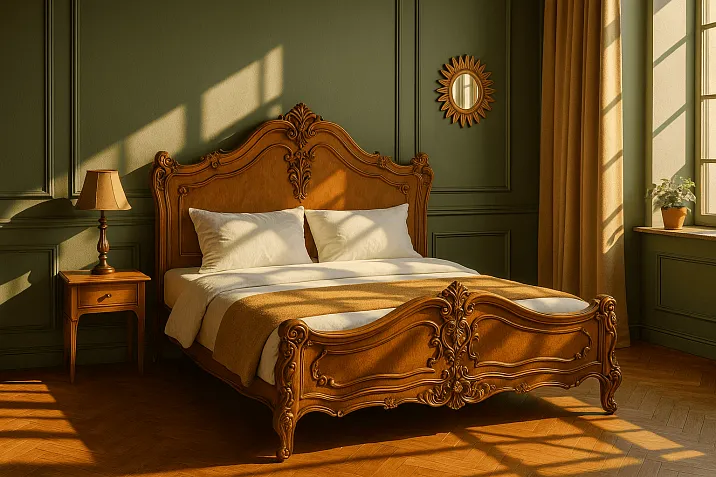
A bed in a classic style is not just a place for sleep, but a central element of the bedroom that sets the tone for the entire interior and creates the atmosphere of the home. Choosing between Baroque, Rococo, Empire, or Modern is choosing between different philosophies of beauty, between opulence and restraint, between grandeur and intimacy.
Each classic style has its own history, its own aesthetics, its own rules. A Baroque bed will turn the bedroom into royal chambers, a Rococo bed will create a romantic boudoir, an Empire bed will emphasize status and power, and a Modern bed will add elegance and lightness. Understanding these differences will help you make the right choice, which will delight you for many years.
Today we will thoroughly examine the features of each style, provide practical advice on choosing, and help determine which classic bedroom suits your home, lifestyle, and aesthetic preferences.

General principles for choosing a bed in a classic style
Before delving into the specifics of individual styles, it is important to understand the general principles that unite all classic beds. These principles were formed over centuries of furniture art development and remain relevant to this day.




Materials: the foundation of quality and durability
Solid wood of noble species is the foundation of any quality classic bed. Oak provides maximum strength and durability, its dark texture is ideal for grand styles. Beech has a light tone and flexibility, making it versatile for any interiors. Walnut displays an elegant texture and noble brown color.
Furniture and interior items Made from solid wood, these pieces last for decades, preserving their original beauty and functionality. Unlike composite materials, natural wood can be restored, updated, and adapted to changing needs.
Our factory also produces:




Headboard: the signature feature of a classic bed
A high headboard is a defining feature of a classic bedroom. It can be:
- Soft — upholstered in luxurious fabrics: velvet, silk, jacquard
- Wooden — with carved elements, patina, and gilding
- Combined — blending wood and textile into a single composition
The headboard shape varies from strictly geometric to whimsically curved, depending on the style. Height is usually 120–150 cm, creating an impression of grandeur and protection.
Get Consultation
Proportions and symmetry
Classic beds follow the principles of the golden ratio and strict symmetry. Standard double beds are 160–200 cm wide and 200–220 cm long. It is important to maintain a balance between the bed’s size and the bedroom’s area: the bed should dominate the space but not overwhelm it.
Color palette
Classic colors include:
- Natural wood tones: from light beige to dark brown
- Pastel tones: cream, ivory, soft pink, blue
- Luxurious dark colors: burgundy, emerald, sapphire blue
- Metallic accents: gold, silver, bronze
Baroque-style bed: royal accent for the bedroom
A baroque bed is the embodiment of absolute luxury and royal grandeur. The style originated in the 17th century during the reign of Louis XIV and is still associated with palace opulence and boundless extravagance.
Characteristic features of the baroque style
Monumentality and massiveness
Baroque beds impress with their size and weight. Massive bases, thick legs, voluminous headboards — all designed to create an impression of immovability and grandeur. The headboard height can reach 180 cm, turning the bed into a true architectural element.
Abundance of decorative elements
Carving, gilding, inlay, and moldings — baroque has no sense of restraint in decoration. Floral motifs, coats of arms, mythological creatures, and angels cover every square centimeter. Special attention is given to the headboard, which often resembles a throne or altar.
Curvilinear forms
Straight lines are rare in baroque. Curved legs, wavy contours, spiral scrolls create a sense of movement and dynamism even in static furniture.
Materials and Finishing
Wood: predominantly dark woods — walnut, mahogany, ebony. The surface is richly decorated with carving and may be gilded or patinated to create an aged effect.
Upholstery: luxurious fabrics — velvet, brocade, tapestry. Colors are rich: burgundy, emerald, royal blue, purple. Upholstery is often adorned with tassels, fringe, and gold thread.
Hardware: heavy, made of bronze or brass, often gilded. Each element is a work of art, adorned with cast figures or intricate ornamentation.
Modern application of the baroque style
A baroque-style bed is ideal for:
- Spacious bedrooms of 20 sq. m or more
- Homes with high ceilings (3 meters or more)
- Interiors where the bed is the main focal point
- People who appreciate theatricality and are not afraid of luxury
In modern interiors, baroque beds are often paired with more restrained furniture, creating a striking contrast between opulence and minimalism.
Psychology of choosing baroque
Choosing furniture in the Baroque style indicates:
- A striving for luxury and comfort
- Confidence in one's own status
- Love for theatricality and effect
- A desire to create unforgettable impressions
Rococo bed: lightness and romance
Rococo bed is the antithesis of Baroque heaviness. While Baroque shouts about power and wealth, Rococo whispers about love and elegance. The style emerged in the 18th century in France as a reaction to Baroque pomposity, introducing lightness, playfulness, and intimacy into interiors.
Characteristic features of the Rococo style
Asymmetry and naturalness
Unlike the strict symmetry of Baroque, a Rococo bed allows for asymmetrical elements. Ornaments may be unevenly distributed, creating a sense of naturalness and informality.
Refined forms
All Rococo elements strive for elegance. The bed legs are curved in smooth S-shaped lines, the headboard has soft, rounded contours, decorative elements are delicate and do not overload the overall composition.
Intimate scale
Rococo was created for boudoirs and private rooms, so beds in this style are usually more compact than Baroque ones. They are designed to create an intimate atmosphere, not to overwhelm with grandeur.
Decorative motifs
Natural ornaments: shells, flowers, leaves, branches. Roses are especially popular, considered symbols of love and beauty.
Mythological scenes: Amours, nymphs, shepherds — everything associated with the theme of love and pleasure.
Ornament 'rocaille': stylized depiction of shells and stones, which gave the style its name.
Rococo color palette
The rococo palette fundamentally differs from the baroque saturation:
- Pastel tones: soft pink, blue, lavender, peach
- Gold accents: not heavy gilding, but delicate gold lines and details
- White and cream: as a base, creating a sense of lightness
- Silver: as an alternative to gold for a cooler palette
Modern interpretation of Rococo
A Rococo bed is suitable for:
- Medium-sized bedrooms (15-20 sq.m)
- Women's boudoirs and romantic interiors
- Apartments with classic or eclectic design
- People who value elegance over monumentality
In modern interiors, Rococo is often simplified, preserving the elegance of forms but eliminating excessive ornamentation.
Ampire bed: strictness and grandeur
An Ampire bed embodies imperial power and state grandeur. The style formed during the Napoleonic era as an artistic expression of imperial ambitions, combining classical strictness with military symbolism and state pomp.
Philosophy of the Ampire style
Ampire is the art of power, materialized in furniture. Every element of an Ampire bed must inspire respect, demonstrate strength, and emphasize the owner's status. This is the choice of people accustomed to leading and making important decisions.
Characteristic elements
Geometric strictness
Ampire returns to ancient principles of harmony. Straight lines, sharp angles, mathematically precise proportions. No random curves — only deliberate geometry.
Architectural Elements
Ampire beds often include columns, pilasters, pediments, and capitals. The headboard may resemble the facade of an ancient temple or a triumphal arch.
Military symbolism
Eagles, laurel wreaths, fasces, swords, shields — symbols of military victory and state power. This symbolism emphasizes the connection to the era of great conquests.
Materials and Colors
Wood: dark, noble species — mahogany, rosewood, ebony. Surface polished to a mirror finish.
Metal: bronze, often gilded. Hardware is substantial, with clearly defined relief.
Upholstery: strict, "masculine" colors — dark blue, burgundy, emerald, black. Fabrics are noble — silk, satin, fine leather.
Modern Application of Empire Style
Choose an Empire-style bed:
- Leaders and Entrepreneurs
- People who value status and reputation
- Owners of spacious homes and offices
- Fans of strict, masculine aesthetics
In modern interiors, Empire style is often softened, preserving its grandeur while eliminating excessive military symbolism.
Psychological impact
Empire style creates a special atmosphere in the bedroom:
- Sense of personal dignity and significance
- Confidence in decisions made
- Sense of stability and reliability
- Respect from guests and partners
Modern-style bed: smoothness and elegance
Modern-style beds represent an attempt to reconcile classical traditions with new aesthetic ideals at the turn of the 19th and 20th centuries. This style aimed to create fundamentally new art, free from historical imitation, yet not entirely breaking away from cultural heritage.
Philosophy of Modernism
Modernism proclaimed the unity of art and life, beauty and functionality. A modern-style bed is not merely furniture, but a work of art intended to serve the human being without losing its aesthetic value.
Characteristic Features
Natural Motifs
Flora and fauna are the main sources of inspiration for modernism. Headboards are decorated with stylized flowers, leaves, branches, sometimes — silhouettes of birds or butterflies.
Smooth Lines
Right angles are rare in modernism. All forms are fluid, organic, resembling natural contours. Transitions between elements are soft and natural.
Asymmetry as a Principle
Modernism deliberately avoids classical symmetry, preferring dynamic balance. This creates a sense of liveliness and movement.
Materials and Techniques
Wood: light species — beech, ash, maple. Often bent wood is used, allowing for smooth, curved forms.
Metal: artistic casting, forging. Iron and bronze are treated as sculptural materials.
Glass and ceramic: stained glass inserts, ceramic elements with floral ornamentation.
Color palette
Modern prefers natural, "natural" colors:
- Green shades: from delicate salad green to deep emerald
- Brown tones: all shades of wood and earth
- Golden-yellow tones: sunny, warm
- Muted blues and purples: colors of twilight and deep water
Modern's contemporary relevance
A modern-style bed is suitable for:
- Creative people who value originality
- Nature and eco-consciousness lovers
- Owners of apartments with non-standard layouts
- Those seeking a compromise between classic and modern
In the 21st century, modernism is experiencing a second rebirth as a style resonant with ideas of sustainable development and harmony with nature.
Comparative characteristics of styles
Baroque vs Rococo vs Empire vs Modern
|
Characteristic |
Baroque |
Rococo |
Empire |
Modern |
|
Atmosphere |
Royal luxury |
Romantic intimacy |
Imperial grandeur |
Natural Harmony |
|
Size |
Monumental |
Compact |
Grand |
Organic |
|
Colors |
Dark, saturated |
Pastel, delicate |
Strict, dark |
Natural, Warm |
|
Decor |
Opulent, gilded |
Elegant, floral |
Geometric, military |
Botanical, Smooth |
|
Room |
From 25 sq. m |
From 15 sq. m |
From 20 sq. m |
From 12 sq. m |
|
Owner's Character |
Luxury Lover |
Romantic |
Leader |
Creative Personality |
Selection by room type
Spacious bedrooms (over 25 sq.m)
Baroque and Empire styles are ideal. Large space allows these styles to fully express their monumentality.
Medium-sized bedrooms (15-25 sq.m)
Rococo and modern styles are optimal. These styles create coziness without overcrowding the space.
Compact bedrooms (up to 15 sq.m)
The best choice is adapted versions of rococo or modern with simplified decoration.
Practical tips for selection
Defining style by lifestyle
For couples with children
Modern or simplified rococo is recommended. These styles are sufficiently practical and require no complex maintenance.
For business professionals
Empire highlights status, baroque impresses partners.
For creative professions
Modern and Rococo resonate with creative thinking and a non-standard approach to life.
For senior couples
Classic styles — Baroque, Empire — correspond to established tastes and status.
Combination with bedroom interior
Walls and ceiling
- Baroque requires rich decoration: moldings, painting, expensive wallpapers
- Rococo harmonizes with pastel tones and delicate decor
- Empire prefers strict geometry and noble materials
- Modern combines with natural textures and organic forms
Lighting
- Baroque: massive crystal chandeliers, bronze fixtures
- Rococo: elegant wall sconces, table lamps with shades
- Empire: strict fixtures in antique style, column-style floor lamps
- Modern: designer fixtures with botanical motifs
Textiles
- Baroque: heavy drapes, rich coverlets, numerous cushions
- Rococo: light curtains, lace linens, pastel tones
- Empire: strict drapery, quality fabrics without excess
- Modern: natural materials, simple forms, natural prints
Budget considerations
Baroque: the most expensive style due to abundance of decor and gilding
Empire: high cost of quality materials and hardware
Rococo: mid-price segment, cost savings on size
Modern: democratic prices due to simplicity of forms
Long-term perspective
Classic styles (Baroque, Empire) never go out of fashion, but may appear heavy after 10-15 years.
Rococo and Modern are more flexible and easier to adapt to changes in taste and interior trends.
Technical aspects of selection
Dimensions and proportions
Standard sizes of classic beds:
- 160×200 cm — for compact bedrooms
- 180×200 cm — universal size
- 200×200 cm — for spacious rooms
Headboard height:
- Baroque: 150-180 cm
- Rococo: 120-140 cm
- Empire: 140-160 cm
- Modern: 100-130 cm
Manufacturing quality
Check:
- No play or squeaks
- Quality of carved elements processing
- Headboard mounting strength
- Condition of upholstery and hardware
Compatibility with mattresses
Classic beds are usually designed for standard mattress sizes. Make sure the selected model is compatible with modern orthopedic mattresses.
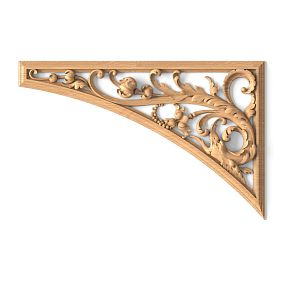
corner trim
Care features by style
Baroque: requires special attention to gilded elements, regular polishing of carvings
Rococo: delicate care for pastel fabrics, protection from fading
Empire: maintaining shine of polished surfaces, care for bronze hardware
Modern: simple care due to minimalist forms, attention to natural materials
General recommendations
- Regular dry cleaning with soft cloth
- Protection from direct sunlight
- Control of indoor humidity
- Professional upholstery cleaning once a year
- Timely tightening of fasteners
Conclusion: a choice for life
Choosing a classic-style bed is a decision that will define the atmosphere of your bedroom for many years. Baroque will offer a sense of royal luxury, Rococo will create a romantic atmosphere, Empire will emphasize your status, and Modern will add elegance and harmony with nature.
Remember: correctly chosen Classic Furniture serves not only as home decoration but also as an investment in quality of life. It creates a special atmosphere, affects mood, and shapes perceptions of beauty for your children.
A classic bedroom is a space where every morning begins with the feeling of beauty, and every evening ends surrounded by true beauty and comfort. This is a choice of those who understand: furniture can be not only functional, but also inspiring.
STAVROS, with its quarter-century experience, will help you realize your dreams of the perfect bedroom, creating a bed that will become not just a place of rest, but a center of family happiness and home comfort.