Article Contents:
- Why Molded Decor Requires Special Care
- Regular Dry Cleaning: The Foundation of Care
- Wet Cleaning: When and How to Use It
- Dealing with Stubborn Stains
- Protecting Molded Decor: Preventive Measures
- Care for Painted Molded Decor
- Restoration: When Restoration Is Needed
- Care Specifics for Different Materials
- Cleaning Hard-to-Reach Areas
- Dealing with Mold and Mildew
- Care for Exterior Molded Decor
- Seasonal Care and Winter Preparation
- Tools and Products for Care
- Common Mistakes in Molded Decor Care
- Refreshing Molded Decor: Painting and Patination
- How to Extend the Lifespan of Molded Decor
- When to Consult Professionals
- Frequently Asked Questions
- Conclusion
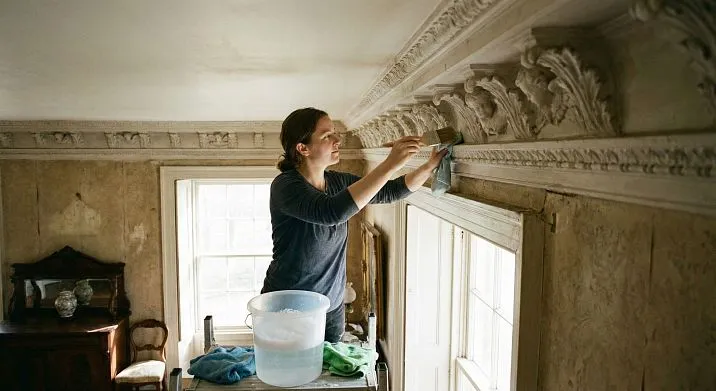
Molded decor is not just interior or facade decoration. It is a living part of space that requires attention, care, and understanding. Proper care of molded decor can extend its lifespan for decades, preserve the original beauty of the relief, and provide protection against the effects of time, humidity, and mechanical damage. In this article, we will not only discuss procedures — we will delve into the philosophy of preservation, the art of careful attention to details that create a unique atmosphere in the home.


Why Molded Decor Requires Special Care
The materials from which molded decor is made have their own characteristics.Ceiling moldingPolyurethane is resistant to moisture but afraid of aggressive solvents. Gypsum molded decor is elegant and fragile, requiring careful handling. Wooden elements react to fluctuations in humidity and temperature. That is why there is no universal recipe. Each surface requires an individual approach, taking into account its nature, age, and condition. Time and environment leave their mark: dust settles in ornament recesses, moisture may cause stains or mold, and mechanical impacts lead to chips and cracks.
How often do we think about the fact thatdecorative corner elementsandCeiling molding for chandelierrequire the same regular care as furniture or textiles? Meanwhile, systematic care becomes the guarantee of longevity. The earlier you start monitoring the condition of molded decor, the less likely it is that serious restoration work will be needed in the future. Prevention is always more effective and economical than restoration.




Regular Dry Cleaning: The Foundation of Care
Dry cleaning is the first and most important step in caring for molded decor. Dust is the main enemy of decorative elements. It accumulates in relief recesses, clogs the ornament, making it visually dull and unremarkable. Moreover, dust acts as an abrasive that may scratch the surface during wet cleaning. Regular dust removal prevents its accumulation and significantly simplifies subsequent cleaning.
For dry cleaning, use a soft brush with natural bristles — it gently penetrates the relief without damaging the surface. A vacuum cleaner with a furniture attachment will be an excellent helper, especially for hard-to-reach areas. Perform dry cleaning no less than once a month, and in high-traffic areas — once every two weeks. This will help maintain the freshness and cleanlinessceiling molding elementsand other decorative details.
If we are talking aboutdoor frameoraround the door openingIn areas where surfaces are frequently touched by hands, pay special attention to these zones. A soft, dry microfiber cloth will effectively remove dust and light dirt without using water.
Our factory also produces:


Wet Cleaning: When and How to Use
Wet cleaning is necessary when dry methods are no longer effective against stains. This may include smudges, fingerprints, grease marks on the kitchen or entryway. However, caution is essential, and the material of the molding must be considered. Unglazed gypsum molding is extremely vulnerable to moisture — it absorbs water, which may lead to deformation, staining, and structural damage. Polyurethane molding, on the other hand, is resistant to moisture and withstands wet cleaning much better.
For wet cleaning, prepare a mild soap solution — mix a few drops of gentle detergent in warm water. Soak a soft cloth or sponge in the solution, squeeze out thoroughly so it is only slightly damp, and gently wipe the soiled areas. Do not use excessive water — excess moisture may penetrate the material’s pores or under the decorative layer. After wet cleaning, always wipe the surface dry with a clean cloth.
If you are working withceiling moldingorcorner decorative elementsWhen cleaning, try to move along the relief, following the lines of the ornament. This will help prevent moisture from accumulating in recesses and ensure even cleaning.
Get Consultation
Dealing with Stubborn Stains
From time to time, stubborn stains may appear on the molding that do not respond to regular wet cleaning. These may be soot marks, grease deposits, insect stains, or water marks. Here, more specialized methods will be required, but caution is still essential.
For gypsum molding, you can prepare a starch solution — a time-tested folk method. Mix 70 grams of starch in 100 milliliters of cold water, then pour the mixture into 900 milliliters of hot water, stirring constantly to avoid lumps. Apply the resulting paste with a brush to the stained areas, filling all irregularities and relief. After drying, the starch forms a film that draws out stains from the material’s pores. The film is then gently removed with a dry, soft brush.
Grease stains onmolding ready for paintingordecorative ornamentscan be treated with talc or starch. Apply the powder to the stain, leave it for several hours to absorb the grease, then remove with a dry brush. Marker or ink stains are treated with medical alcohol: moisten a cotton pad and gently blot the stain, without rubbing.
Molding Protection: Preventive Measures
The best care is prevention. Protective coatings play a key role in extending the lifespan of decorative molding. Gypsum molding is recommended to be treated with hydrophobic agents — special compounds that penetrate the material’s micropores and seal them, creating a water-repellent effect. Treated molding becomes resistant to moisture, less susceptible to dirt, and significantly easier to clean.
Forof polyurethane ceiling moldingsFor plastic and other polymer materials, protection is achieved by painting with water-based acrylic paints. The paint not only provides the desired color but also creates a protective film that shields the material from ultraviolet rays, dust, and mechanical damage. After painting, you can apply a thin layer of matte acrylic varnish — this will enhance protective properties and make future cleaning easier.
Wooden elements, such asMedium in Furnitureorcarved friezesrequire treatment with wax or special oils. These compounds nourish the wood, prevent drying and cracking, and create a protective barrier against moisture and dirt. Wax coating should be renewed every six months to a year, depending on usage conditions.
Care for Painted Molding
Painted molding requires special care. Paint creates a smooth surface that is easier to clean, but it can be damaged by improper care. Regular dry cleaning with a soft cloth or vacuum cleaner with a soft attachment is the foundation of care for painted elements. Perform this cleaning no less than once a month, especially forcorner wall elementsormolding on walls ready for paintingwhere dust is especially noticeable.
Wet cleaning of painted molding should be done using gentle, non-abrasive cleaning agents. Avoid abrasive powders, aggressive chemical solvents, and stiff sponges — they may scratch or damage the painted layer. Use a mild soap solution or specialized cleaners for painted surfaces. Gently wipe the molding with a soft, damp cloth, then immediately dry it thoroughly.
If scratches or scuffs appear on the painted surface, they can be locally repainted with the same paint originally used. For this, it is better to keep a small reserve of paint after painting. Small damages are carefully filled with paint using a fine brush, and after drying, the surface is gently sanded with fine-grit sandpaper and, if necessary, covered with protective varnish.
Restoration: when restoration is required
Even with the most careful maintenance, time may leave its marks. Cracks, chips, flaking, loss of decorative fragments — all of this requires a professional approach to restoration. The first stage of restoration is diagnosis. It is necessary to assess the nature and extent of damage, determine the causes of its appearance, and select the optimal restoration strategy.
Minor cracks and chips can be repaired yourself. To do this, the damaged area is thoroughly cleaned of dust and dirt, primed, and filled with a special restoration compound. For gypsum molding, use gypsum putty or a gypsum solution mixed with water to achieve a thick sour cream consistency. For polyurethane molding, acrylic putties or special plastic repair compounds are suitable. After drying, the restored area is sanded with fine-grit sandpaper, primed, and painted if necessary.
Care for different materials
Care specifics for different materials
Gypsum molding requires maximum delicacy. It is afraid of moisture, mechanical impacts, and sharp temperature changes. Regular dry cleaning, minimal use of water, mandatory treatment with hydrophobic and protective compounds — these are the main care rules. If gypsum molding is located in rooms with high humidity, ensure good ventilation and regular monitoring of its condition.
Polyurethane molding is significantly more resistant to external influences. It does not fear moisture, is easy to clean, does not absorb odors and dirt.Buy ceiling moldingMade of polyurethane — means ensuring yourself a long-lasting and low-maintenance decoration. However, even it requires regular cleaning and UV protection through painting. Avoid using solvents and aggressive chemical agents — they may damage the polymer structure.
Wooden molding is sensitive to operating conditions. It reacts to fluctuations in humidity and temperature, may crack, deform, and be attacked by insects and mold. Regular treatment with wax or oil, maintaining a stable microclimate, protection from direct sunlight and moisture — the key to the longevity of wooden decoration.Wooden Corner ElementsandWooden decorative detailsrequire special attention and care.
Cleaning hard-to-reach areas
Relief molding with deep ornaments and complex patterns requires a special approach to cleaning. Dust and dirt accumulate in recesses, which are difficult to reach with ordinary cloth or sponge. Here, special tools come to the rescue: soft brushes of various sizes, cotton swabs, soft-bristled toothbrushes, and vacuum cleaners with narrow attachments.
For cleaningdecorative door frame trimFor molding with fine carving, use a soft artist's brush. Gently brush along the relief, removing dust from recesses. Cotton swabs slightly moistened with a mild soap solution will help deal with localized dirt in hard-to-reach areas. After wet cleaning, thoroughly dry the treated areas with a dry brush or cloth.
Vacuum cleaner with a narrow attachment effectively removes dust from deep reliefs, especially oncorner ceiling elementsand large decorative panels. Use the minimum suction power to avoid damaging fragile elements. If the molding is painted, ensure the colored layer is firmly adhered before using the vacuum cleaner.
Fighting mold and mildew
Mold is a serious problem that can affect molding in rooms with high humidity: bathrooms, kitchens, basements, unheated spaces. Appearance of dark spots, a specific odor, deterioration of surface condition — signs of mold infestation. Fighting mold must begin immediately, as it not only damages the appearance but also destroys the material's structure and poses a health risk.
To remove mold, use antiseptic solutions or specialized mold-fighting agents. Apply the solution to affected areas using a brush or sponge, leave it for the time specified in the instructions, then carefully remove residue and rinse the surface with clean water. After treatment, thoroughly dry the molding and apply a protective coating that prevents mold recurrence.
Mold prevention involves controlling humidity and ensuring good ventilation. Regularly ventilate rooms, use exhaust fans and air dryers. Treating molding with hydrophobic and antiseptic compounds provides additional protection. If mold has affected a significant area or penetrated deeply into the material's structure, it is better to consult professionals.
Care for exterior molding
Exterior molding is exposed to atmospheric factors: rain, snow, wind, sunlight, temperature fluctuations. This requires a more serious approach to care and protection. Regular inspection of exterior elements — no less than twice a year, in spring and autumn — will help promptly identify damage and take measures to address it.
Exterior moldingdecorative gablesandFacade Corner Elementsrequire regular renewal of the protective layer.
Painting exterior molding with exterior-grade acrylic paints is an essential protective measure. Paint protects the material from ultraviolet rays, moisture, temperature fluctuations, and dirt. The frequency of repainting depends on the conditions of use and the quality of paint used — typically every 3-5 years. Before painting, the surface must be thoroughly cleaned, primed, and dried.
Seasonal care and winter preparation
Seasonal changes require special attention to molding decoration, especially to exterior elements. In autumn, before cold weather sets in, conduct a thorough inspection of all elements. Check the condition of the paint layer, presence of cracks, chips, or flaking. Address any identified damage and renew the protective coating. This will allow the molding to withstand winter frosts and spring thaw successfully.
In winter, facade moldings are exposed to low temperatures, snow, and ice. Regularly remove snow from horizontal surfacescornices and sандriksto prevent its accumulation and formation of ice. Do not use metal tools — they may damage the surface. Use soft brushes or wooden scrapers instead.
In spring, after snow melts, thoroughly clean the facade moldings. Remove dirt, check the coating integrity, assess the need for repairs. Spring is the optimal time for refreshing paint and applying protective coatings. In summer, ensure regular cleaning and monitoring of moldings, especially on the sun-exposed side of the building, where UV exposure is most intense.
Tools and Care Products
Correct selection of tools and products is half the success in caring for moldings. For regular dry cleaning, you will need: soft brushes with natural bristles of various sizes, microfiber cloths, a vacuum cleaner with upholstery and narrow crevice attachments. These simple tools will ensure gentle and effective dust removal.
For wet cleaning, prepare soft sponges, microfiber cloths, mild non-abrasive cleaning agents, medical alcohol for removing specific stains. Do not use stiff scrubbers, metal scrapers, aggressive solvents, or acidic cleaners — they may irreversibly damage the molding surface.
For restoration work, you will need: spatulas of various sizes, fine-grit sandpaper, primers, putties, restoration compounds, application brushes. If you plan to repaint, prepare water-based acrylic paints, primer for the respective material, rollers and brushes for painting, painter’s tape to protect adjacent surfaces.
Common Mistakes in Caring for Moldings
Incorrect care can cause more damage to moldings than neglect. One of the most common mistakes — using excessive water, especially when cleaning gypsum moldings. Water penetrates the material’s pores, causing swelling, deformation, and destruction. Always use minimally damp cloths and immediately dry the surface thoroughly.
Using abrasive cleaning agents, stiff sponges, metal brushes leads to scratches, loss of relief, damage to the paint layer. Moldings require gentleness — use only soft materials and mild products. Do not experiment with aggressive chemicals, solvents, or acids — they may irreversibly damage the material.
Ignoring regular care is another serious mistake. The longer you delay cleaning, the more dirt accumulates, and the harder it becomes to remove it without damaging the surface. Regularity is the key to easy care and long-lasting decor. Lack of protective coatings on gypsum and wooden moldings significantly shortens their lifespan and complicates care.
Updating Moldings: Painting and Patination
Over time, even well-maintained moldings may require aesthetic renewal. Painting is a simple and effective way to refresh decor, revitalize interiors, and conceal minor surface defects. For paintingmoldings on paintable wallpaperand other elements, use water-based acrylic paints — they are safe, odorless, dry quickly, and form a durable coating.
Preparation for painting includes cleaning, degreasing, and priming the surface. Primer ensures better paint adhesion and reduces paint consumption. Apply paint in thin layers — two or three layers are better than one thick layer. Each layer must be fully dry before applying the next. Use brushes for textured areas and rollers for smooth surfaces.
Patination is a technique of artificial aging, giving moldings an elegant vintage look. After the base coat, patina — contrasting paint — is applied to raised relief parts, then partially wiped off, leaving it in recesses. This creates a sense of depth and emphasizes the ornament’s volume. The finishing touch — applying a protective matte varnish, which secures the result and simplifies future care.
How to Extend the Lifespan of Moldings
The longevity of moldings depends not only on material quality and installation, but also on proper care. Regular cleaning, timely repair of damage, protection from adverse factors — these are the main components of care. Maintain a stable microclimate indoors: optimal temperature 18–22°C, humidity 40–60%. Avoid sudden temperature and humidity fluctuations, especially if you have wooden or gypsum moldings.
Protect moldings from direct sunlight — UV causes paint fading and destruction of some materials. Use curtains, blinds, or protective films on windows. Ensure good ventilation in rooms to prevent excessive humidity and mold growth. In rooms with high contamination risk (kitchen, hallway), use polyurethane moldings, which are easy to clean and do not absorb odors.
Regularly inspect moldings for signs of damage. The sooner you detect a crack or chip, the easier and cheaper it will be to repair it. Do not delay repairs — a small crack can become serious damage over time. Renew protective coatings as needed: hydrophobic agents for gypsum — every 2–3 years, wax coatings for wood — annually, painting of facade elements — every 3–5 years.
When to Contact Professionals
Some tasks are better entrusted to professionals. This includes complex restoration with significant fragment loss, deep structural damage, mold infestation on large areas, restoration of historical moldings requiring precise recreation of the original. Professional restorers possess knowledge, experience, specialized equipment, and materials for performing complex tasks.
Contacting professionals is justified if you are unsure about the cleaning or restoration method, if damage is in hard-to-reach areas (high ceilings, facades), if you need to recreate lost elements based on samples or photographs. Do not risk valuable decor by attempting to handle complex tasks yourself — incorrect actions may lead to irreversible damage.
Professional cleaning is recommended for antique or historical moldings, as well as when household methods fail. Specialists use gentle professional products and technologies that effectively remove dirt without damaging the material. Contact companies with proven experience, good reviews, and portfolios of completed projects.
Frequently asked questions
How often should moldings be cleaned? Dry cleaning is recommended at least once a month, in high-traffic areas — every two weeks. Wet cleaning is required as dirt accumulates, typically 2–3 times per year. Facade moldings should be inspected and cleaned twice a year — in spring and autumn.
Can moldings be washed with regular cleaning agents? Use only mild, non-abrasive, non-aggressive chemical cleaners. Dilute them in water to a weak concentration. Avoid solvent-based cleaners for polyurethane moldings and excessive moisture for gypsum moldings. The best choice — specialized decorative element care products or a weak soap solution.
How to remove stains from gypsum moldings? For gypsum moldings, a starch solution is effective — apply it to the surface and remove it along with dirt once it dries. Grease stains are treated with talc or starch, which absorbs the grease. Marker stains are removed with alcohol. For deep stains, it is better to consult professionals.
Do moldings need protective coatings? Yes, protective coatings significantly extend the lifespan of moldings and simplify care. Gypsum moldings are treated with hydrophobic agents, polyurethane moldings are painted with acrylics, wooden moldings are coated with wax or oil. Protective coatings protect against moisture, dirt, mechanical damage, and UV radiation.
How to repair chips and cracks? Minor damage can be fixed yourself: clean, prime, fill with a special repair compound, sand, and repaint if necessary. For plaster, use plaster putty; for polyurethane, use acrylic compounds. Large damages require professional restoration, possibly including mold-making and casting of lost fragments.
Can you paint stucco yourself? Yes, painting stucco is suitable for DIY. The key is to properly prepare the surface (clean, degrease, prime) and use appropriate paints. For polyurethane and plaster, use water-based acrylic paints. Apply paint in thin layers, using brushes for textured areas and rollers for smooth surfaces.
How to protect stucco from mold? The foundation of prevention is humidity control and ensuring ventilation. Treat stucco with hydrophobic agents and antiseptic compounds. Regularly ventilate rooms, use exhaust fans and air dryers. If mold appears, treat affected areas with specialized antiseptic agents and ensure thorough drying.
Conclusion
Stucco decoration is an investment in the beauty and uniqueness of space. Proper care ensures this beauty lasts for decades. Regularity, delicacy, use of appropriate products and methods, and timely repair of damage — these are the foundations of successful care. Do not be afraid to pay attention to details — it is precisely these details that create the atmosphere and character of the interior.
STAVROS company offers a wide range of high-quality stucco in various materials:Polyurethane Items, Solid wood products, Furniture legs, Inlays for furnitureand much more. Here you will find everything needed to create a unique interior and receive professional consultations on selection, installation, and care of stucco decoration. STAVROS — quality proven over time and care for every client.