Article Contents:
- Philosophy of Independent Furniture Making
- Design Stages: From Concept to Drawing
- Material Science: The Foundation of Quality Furniture
- The Master's Toolkit: From Basic Set to Professional Equipment
- Technological Processes: From Cutting to Assembly
- Structural Solutions and Joining Methods
- Finishing Operations: Giving the Item a Completed Appearance
- Specialized Techniques and Decorative Elements
- Ergonomics and Functionality in Furniture Design
- Features of Working with Different Types of Furniture
- Modern Trends in DIY Furniture
- Organization of the Master's Workspace
- Economic Aspects of DIY Furniture Making
- Psychological Aspects of the Creative Process
- Passing on Experience and Traditions of Craftsmanship
- The Future of DIY Furniture
- Conclusion: Craftsmanship as a Way of Life
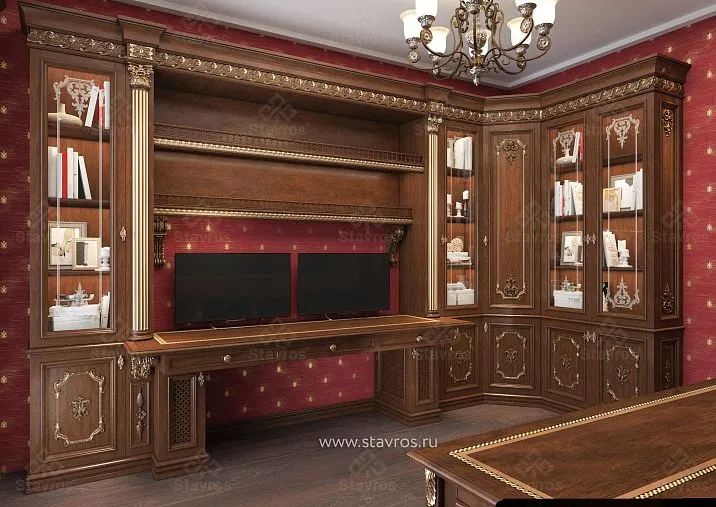
The magnificent art of creating furniture by hand — this is a path that opens boundless opportunities for creative self-expression. Making furniture by hand is an amazing symbiosis of technical skill, artistic vision, and practical functionality, allowing one to bring the boldest design ideas to life.
The modern world offers us mass-produced goods devoid of individuality and soul. However, those who decide to pick up tools and create something truly unique open for themselves a wonderful universe of possibilities. How to Make Furniture — this is not just a technical task, it is a creative process requiring a deep understanding of materials, structural features, and aesthetic principles.


Philosophy of Independent Furniture Making
Every piece of furniture born from your hands carries a part of your soul, your views on beauty and functionality. Unlike factory-made items, handmade furniture possesses an irreplaceable aura that makes a home truly cozy and personal. This art allows not only to save significant funds, but also to gain great moral satisfaction from the process of creation.
Creating furniture by hand is a meditative process that develops patience, concentration, and creative abilities. Each stage of work, from the first sketch to the final lacquer stroke, requires attention and dedication to the task. It is precisely this dedication that gives rise to true masterpieces of home design.




Design Stages: From Concept to Drawing
Conceptual development is the foundation of any successful furniture project. Before taking up tools, it is necessary to clearly formulate the vision of the future product. This process begins with analyzing the space, defining functional requirements and aesthetic preferences. It is important to consider not only the room's dimensions, but also its style, lighting, color scheme, and overall atmosphere.
Creating a sketch is the first material step toward realizing the idea. At this stage, it is important not to strive for artistic perfection, but to focus on proportions, functionality, and overall composition. The sketch should reflect your vision of the finished product in all details — from general outlines to the smallest decorative elements.
Technical drawing requires a more serious approach. Here, it is necessary to translate the artistic concept into precise dimensions and structural solutions. Modern technologies offer numerous software solutions for furniture design, but traditional hand-drawing on paper remains an effective and relevant method.
When creating drawings, it is important to consider the technological properties of selected materials, methods of joining parts, and capabilities of your tools. Every line on the drawing must have practical justification and correspond to real manufacturing capabilities.
Our factory also produces:


Material Science: The Foundation of Quality Furniture
Material selection determines not only the appearance of the future product but also its durability, functionality, and cost. The modern furniture industry offers a wide range of materials, each with unique characteristics and applications.
Solid wood remains the gold standard in furniture production. Oak, beech, ash, walnut — each species has a unique grain pattern, distinctive physical properties, and specific processing characteristics. Working with solid wood requires deep knowledge and significant experience, but the result exceeds all expectations. Wood breathes, lives its own life, and over time acquires a noble patina.
MDF and particleboard represent more affordable and practical alternatives. These composite materials have stable dimensions, do not warp or crack, and are easy to process. MDF is especially popular for making fronts due to the ability to create complex routed elements.
Laminated panels open up boundless opportunities for design experimentation. Modern finishes not only imitate various wood species but also stone, metal, and fabric. Quality lamination ensures high wear resistance and ease of maintenance.
Plywood is a universal material combining strength, lightness, and relative accessibility. Birch plywood is especially valued for its structural qualities and attractive end grain texture.
Get Consultation
Master's Toolset: From Basic Kit to Professional Equipment
A basic toolset should include high-precision measuring instruments, cutting tools for various purposes, and assembly equipment. A quality tape measure, square, ruler, and compass are the foundation of accurate marking. Without precise marking, it is impossible to achieve a professional result.
Power tools significantly simplify and speed up furniture manufacturing. Circular saw, jigsaw, router, sander — each of these tools performs specific functions and requires certain handling skills. It is important to remember that tool quality directly affects the quality of the finished product.
Specialized equipment opens new horizons in furniture design. A router table allows creating complex profiles and decorative elements. A band saw is indispensable for curved cutting. A jointer ensures perfectly flat board surfaces.
Measuring tools deserve special attention. Vernier caliper, protractor, level — these instruments ensure precision that distinguishes professional work from amateur projects.
Technological Processes: From Cutting to Assembly
Material cutting is a responsible stage requiring maximum concentration and precision. During cutting, it is important to consider the direction of the grain, minimize waste, and ensure end quality. Proper cutting layout can save up to 15-20% of material.
End processing plays a critical role in forming the appearance of the product. Edge banding of laminated panels requires special equipment and skills. A well-processed end is not only beautiful but also protected from moisture and mechanical damage.
Drilling holes for hardware requires using special drill bits and dowel guides. The accuracy of hole placement determines the quality of hinges, guides, and other mechanisms. Modern furniture hardware demands very strict requirements for fitting accuracy.
Routing allows creating decorative elements, grooves, dados, and other structural features. Working with a router requires special caution and understanding of cutting processes. Properly selected router bits and processing modes ensure a clean surface without chips or scratches.
Structural Solutions and Methods of Joining
Traditional joinery represents true craftsmanship. Dovetail, tongue-and-groove, and mortise-and-tenon joints — each has its own characteristics and applications. These joints provide maximum strength and longevity of the structure.
Modern furniture hardware significantly simplifies assembly and ensures high-quality joints. Dowels, mini-fixtures, eccentric clamps — each type of fastener is designed to solve specific structural tasks. The correct choice of hardware determines not only the strength of the structure but also the ease of assembly.
Adhesive joints require special attention to surface preparation and glue selection. Modern polyurethane and epoxy adhesives provide joint strength exceeding the strength of the material itself. However, working with glue requires precision and speed.
Finishing Operations: Giving the Product a Finished Appearance
Sanding is a process that largely determines the quality of the final finish. Sequential use of abrasives with different grits allows achieving a perfectly smooth surface. A well-sanded surface is the foundation of any finish.
Preparation for final finishing includes removing dust, degreasing the surface, and, if necessary, priming. These operations may seem insignificant, but their proper execution is critically important for the longevity of the finish.
Applying finishes requires knowledge of the properties of various coatings. Nitrocellulose lacquers provide fast drying and easy application. Polyurethane coatings are distinguished by high wear resistance. Oil-based finishes highlight the natural beauty of wood.
Specialized Techniques and Decorative Elements
Inlay and marquetry represent a high art of furniture decoration. These techniques require not only technical skills but also artistic taste. Using various wood species, metal inlays, and mother-of-pearl allows creating true works of art.
Wood carving is the oldest craft, which remains relevant today. Relief carving, sculptural carving, and openwork carving — each type has its own characteristics and applications. Carved elements give furniture a unique character and individuality.
Patination and brushing allow artificially aging the surface, giving it a noble vintage look. These techniques are especially popular in Provence, country, and vintage styles.
Ergonomics and Functionality in Furniture Design
Anthropometric data form the basis of ergonomic furniture design. Table height, seat depth, backrest angles — all these parameters must correspond to the features of the human body. Ignoring ergonomic requirements renders furniture unsuitable for comfortable use.
Functional organization of interior furniture space requires careful planning. Storage systems must be not only spacious but also convenient to use. A properly designed cabinet or chest significantly simplifies daily life.
Transformable structures are especially relevant in conditions of limited space. Folding tables, pull-out shelves, collapsible elements — all this allows for the most efficient use of available space.
Features of working with different types of furniture
Cabinet furniture requires special attention to manufacturing accuracy and hardware quality. Cabinets, chests, and drawers — these items must ensure long-lasting and silent operation of all mechanisms. How to Make Furniture Cabinet-type furniture is a separate area of furniture craftsmanship, requiring an understanding of the constructive features of each element.
Carpentry furniture implies broader use of traditional carpentry techniques. Tables, chairs, beds made of solid wood — this is the classic of furniture art that never goes out of fashion.
Soft furniture combines carpentry craftsmanship with upholstery skills. Frame construction, creating a comfortable seat, stretching upholstery — each stage requires specific knowledge and tools.
Modern trends in DIY furniture
Ecological materials are becoming increasingly popular among DIY furniture makers. Using reclaimed wood, natural dyes, and eco-friendly finishes meets modern requirements for environmental safety.
Minimalism in design implies maximum functionality with minimal decorative elements. Clean lines, simple forms, emphasis on material quality and craftsmanship — these are the main principles of modern furniture design.
Integrating technology opens new possibilities for furniture makers. LED lighting, built-in charging devices, "smart home" systems — all this can be integrated into DIY furniture.
Organization of the master's workspace
Workshop layout must ensure an efficient workflow and safety. Proper equipment placement, organization of material and tool storage, good lighting — all this affects the quality and productivity of work.
Dust and shavings removal system is critically important for maintaining cleanliness and a healthy atmosphere in the workshop. Modern vacuum cleaners and aspiration systems significantly improve working conditions.
Safety during work should be a priority in any workshop. Use of personal protective equipment, proper operation of power tools, organization of workstations — all this reduces the risk of injury.
Economic aspects of DIY furniture
Project cost calculation must consider not only material costs but also tool depreciation, consumables, and electricity. Proper calculation helps assess the real economic benefit of making furniture yourself.
Cost optimization can be achieved through bulk material purchases, using offcuts for small parts, proper cutting layout planning. Experienced masters know how to minimize waste and maximize the use of every square centimeter of material.
Quality versus cost — this is an eternal dilemma for furniture makers. Sometimes it is worth spending more on quality materials and hardware to get a durable product. In other cases, simpler solutions may be fully justified.
Psychological aspects of the creative process
Overcoming initial difficulties is an important psychological barrier that every beginner furniture maker must overcome. Early failures should not discourage continued effort. Each mistake is a valuable experience that brings one closer to mastery.
Creative thinking develops gradually as experience and knowledge accumulate. The ability to see unconventional solutions, find beauty in simple forms, and feel materials — all this comes with practice.
Satisfaction from creation is the main reward for a furniture maker. There is nothing comparable to the sense of pride you feel when using something created with your own hands.
Passing on experience and craftsmanship traditions
Studying classical techniques allows modern masters to use the centuries-old experience of their predecessors. Many traditional methods remain unmatched in effectiveness and results.
Exchanging experience with other masters enriches knowledge and broadens horizons. Participation in workshops, forums, and exhibitions helps stay current with modern trends and technologies.
Documenting the process not only preserves a memory of completed work but also creates a knowledge base for future projects. Photographs, notes, drawings — all of this can be useful in future work.
The future of DIY furniture
Digital technologies open new possibilities for DIY furniture makers. 3D modeling, cutting optimization programs, online hardware catalogs — all this simplifies the design and manufacturing process.
New materials constantly expand the palette of possibilities. Composites, smart materials, eco-friendly alternatives — each new material offers unique opportunities for creativity.
Personalization and customization have become the main trends in the modern furniture market. Handmade furniture perfectly meets these requirements, allowing you to create absolutely unique pieces.
The path of a furniture maker is a path of continuous learning and improvement. Each new project brings new knowledge and experience. How to Make Furniture Quality and beauty — this is not only a matter of technical skills, but also of a creative approach, love for materials, and respect for craft traditions.
Conclusion: craftsmanship as a way of life
Making furniture by hand is not just a hobby or a way to save money. It is a lifestyle, a philosophy that values quality over quantity, uniqueness over standardization, creativity over consumption. In our rapidly changing world, where more and more things become disposable, creating durable, high-quality furniture acquires special value.
How to Make Furniture By hand — this is not only a practical skill, but also a means of self-expression, an opportunity to create around yourself a space that fully reflects your individuality. Every item born in your workshop carries a part of your soul and becomes not just a piece of furniture, but a family heirloom that will be passed down from generation to generation.
In this wonderful world of furniture craftsmanship, there is no limit to perfection. Every day brings new ideas, new techniques, new possibilities. And if you have decided to take this path, then ahead of you awaits an exciting journey into a world where everything your imagination can conceive and your craftsmanship can realize is possible.
STAVROS understands the importance of quality materials and a professional approach in creating unique furniture. With years of experience in the industry, STAVROS provides not only excellent materials, but also expert consultations for anyone striving for perfection in furniture craftsmanship. Choosing STAVROS means choosing a reliable partner for implementing the most ambitious furniture projects.