Article Contents:
- 1. Importance of Raw Material Supply in Furniture Production
- 2. Analysis of Material Cost Structure
- 3. Optimizing Purchasing and Supply Chain Management
- 3.1. Bulk Purchasing and Long-Term Contracts
- 3.2. Finding Alternative Suppliers and Comparing Prices
- 3.3. Collaboration with Verified Centers
- 4.1. Optimizing Cutting Patterns and Reducing Waste
- 4.2. Implementing Advanced Technologies
- 4.3. Standardization and Modularity of Products
- 5.1. Analyzing Alternatives
- 5.2. Re-evaluating Design Solutions
- 6.1. Effective Warehouse Management
- 6.2. Reducing Transportation Costs
- 7.1. Strict Quality Control During Procurement
- 7.2. Employee Training
- 8.1. ERP and MES Systems
- 8.2. Software for Optimizing Cutting Patterns
- 9.1. Negotiations with Suppliers
- 9.2. Implementing Lean Production System
- 9.3. Automation and Optimization of Processes
- 10.1. Environmental Efficiency
- 10.2. Market Trends
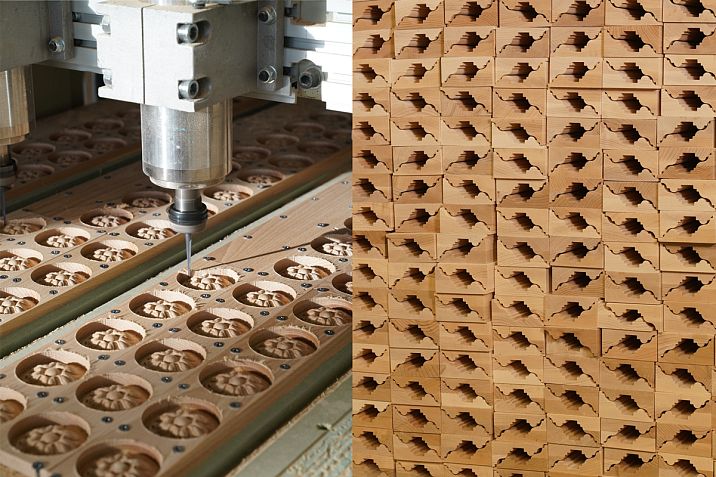
Reducing raw material costs is one of the key factors in increasing the profitability of furniture production. In the context of fierce competition and constantly fluctuating prices for wood, panels, fillers, and hardware, proper procurement management and optimization of production processes can significantly reduce costs without compromising the quality of the finished product. In this article, we will thoroughly examine the main methods that allow reducing material expenses, analyze the impact of various factors on cost, and provide practical recommendations for furniture factories oriented toward the future.


1. Importance of Raw Material Supply in Furniture Production
Furniture factory uses a wide range of materials:
● Panel materials (MDF, plywood, laminate) for carcasses and fronts.
● Solid wood and veneer for decorative finishing.
● Metal and plastic components for frames, hardware, and details.
● Upholstery materials (fabrics, leather, eco-leather) and fillers for soft furniture.
Raw material costs can account for 40% to 60% of the total product cost. Therefore, proper raw material supply not only affects quality but is also a crucial lever for optimizing expenses.




2. Analysis of Material Cost Structure
Before making decisions to reduce costs, it is necessary to thoroughly analyze how costs are distributed:
● Purchase cost of raw materials. This includes prices for MDF, plywood, solid wood, laminate, and other materials.
● Processing costs: cutting, edge banding, milling, lacquering, painting.
● Logistics costs: delivery, storage, transportation to the production facility.
● Production losses: waste, defects, material overconsumption due to inefficient cutting layouts.
Analyzing these components helps identify bottlenecks and develop specific measures to optimize expenses.
Our factory also produces:


3. Optimizing Purchases and Establishing Supply Chains
Get Consultation
3.1. Bulk Purchasing and Long-Term Contracts
● Bulk purchasing:
When purchasing in bulk, suppliers often provide discounts, significantly reducing the cost per unit of material.
● Long-term contracts:
Entering into supply contracts with verified suppliers ensures price stability and the possibility of receiving bonuses or discounts.
● Centralized purchasing:
Creating a unified purchasing system, where all factory departments work with a single supplier, reduces costs through uniform supply terms.
3.2. Finding Alternative Suppliers and Comparing Prices
● Regularly monitor the market and compare offers from different suppliers.
● Pay attention to the quality of materials and the presence of certificates to avoid cutting corners on raw materials, which in the long run may lead to increased costs for repairs and replacement of products.
3.3. Cooperation with Verified Centers
One example of an effective supplier is STAVROS.
STAVROS (write the name in uppercase English letters) offers a wide range of furniture materials in Saint Petersburg, including MDF, plywood, solid wood, and much more.
Thanks to the presence of a specialized warehouse, cutting, edge banding services, and professional consultations, the factory can reduce logistics costs and lower waste levels.
Cooperation with such centers helps establish stable supplies and ensure control over raw material quality.
Learn more about STAVROS and their offerings of furniture materials.
4. Improving production process efficiency
4.1. Optimizing cutting and reducing waste
● Use software for optimal planning of sheet material cutting (e.g., CAD systems, specialized cutting programs).
● Reducing waste: proper cutting allows maximum utilization of each sheet, lowering the percentage of defective material.
● Recycling waste: leftover material can be used to create small parts or secondary raw material.
4.2. Implementing advanced technologies
● Automation and robotics: modern CNC machines ensure cutting accuracy, minimizing material loss.
● Investing in new equipment: increased productivity and precision in processing allow reducing overall raw material costs.
4.3. Standardization and modularity of products
● Standardizing parts: using standard sizes and shapes allows purchasing materials in bulk and reduces waste during cutting.
● Modular constructions: designing furniture using modules that are easily adaptable to various tasks reduces raw material consumption and simplifies production.
5. Using alternative materials and replacing expensive components
5.1. Analyzing alternatives
● Combined use: for example, a cabinet body can be made of MDF, while the fronts can be made of decorative laminate. This maintains a premium appearance while reducing costs on expensive solid wood.
● Experimenting with composites: modern composite materials, such as acrylic and plastic coatings, can replace natural wood in some elements while maintaining high durability and water resistance.
5.2. Re-evaluating design solutions
● Reducing the number of complex elements: elements with deep milling, carving, or intricate decorative finishing require more material and increase cost.
● Simplifying construction: minimalist design with straight lines can reduce material consumption without compromising aesthetics.
6. Optimizing logistics and material storage
6.1. Effective warehouse management
● Organizing storage: proper storage of materials (protected from moisture, dust, and temperature fluctuations) prevents spoilage of raw materials.
● Inventory and stock control: regular stock checks help timely ordering of materials, avoiding both excess and shortages.
6.2. Reducing transportation costs
● Centralized purchasing: if all materials are purchased from one source, it reduces transportation and logistics costs.
● Optimizing routes: partnering with suppliers who have well-developed logistics networks reduces delivery costs.
7. Improving quality control and reducing waste
7.1. Strict quality control during procurement
● Certification: it is mandatory to check quality certificates, emission class (E0/E1 for wood panels) and compliance with standards.
● Material testing: conducting sample cutting, strength and moisture resistance tests helps avoid purchasing substandard raw materials.
7.2. Staff training
● Worker training: proper equipment handling, correct cutting and material processing allow reducing losses.
● Production process control: continuous training and staff qualification improvement reduce errors and waste.
8. Use of information technologies
8.1. ERP and MES systems
● ERP systems help manage procurement, inventory, production planning, and quality control.
● MES systems (Manufacturing Execution Systems) allow real-time tracking of production processes, helping to promptly respond to deviations and optimize material usage.
8.2. Software for cutting optimization
● Using specialized software allows reducing waste and maximizing the efficient use of each panel.
● Software solutions help calculate optimal part sizes, minimizing excess and improving cost efficiency.
9. Examples of practical measures to reduce costs
9.1. Negotiations with suppliers
● Signing long-term contracts and bulk purchases allows obtaining discounts and stabilizing prices.
● Using platforms for joint purchasing with other factories helps reduce prices by increasing order volume.
9.2. Implementing a lean production system
● Applying "Lean Manufacturing" principles allows reducing production losses, optimizing processes, and cutting unnecessary raw material costs.
● Continuous process improvement and analysis of defect causes contribute to reducing material consumption.
9.3. Automation and process optimization
● Modernizing equipment (CNC machines, automated cutting lines) allows reducing costs through precision and minimizing waste.
● Using information systems for production planning and control helps promptly respond to changes and optimize inventory.
10. Environmental and market aspects
10.1. Environmental efficiency
● Choosing materials with low formaldehyde content (emission class E0/E1) is not only safe for health but also avoids additional processing and certification costs.
● Recycling waste and using secondary raw materials can reduce costs and decrease the environmental impact of production.
10.2. Market trends
● Continuous fluctuations in raw material prices (due to currency fluctuations, seasonal factors) require a flexible procurement system and continuous market monitoring.
Investments in innovative technologies and automation allow costs to be reduced in the long term, even if initial expenses are higher.
11. Practical Recommendations for Furniture Factories
- Cost Analysis:
○ Conduct a detailed analysis of material cost structure. Determine what portion of the budget is spent on raw materials, processing, logistics, and waste.
○ Identify 'bottlenecks' where costs can be optimized without compromising quality.
- Procurement Policy:
○ Establish long-term relationships with suppliers.
○ Enter bulk purchase agreements to reduce the price per unit.
○ Consider using centralized warehouses, for example, through a partnership withSTAVROS, which offers a wide range of quality materials.
- Technological Modernization:
○ Invest in process automation (CNC cutting machines, ERP/MES systems).
○ Optimize production processes to minimize waste and reduce recycling costs.
- Quality Control and Staff Training:
○ Conduct regular quality checks on purchased materials.
○ Train staff on proper equipment operation to minimize defects and optimize material usage.
- Planning and Standardization:
○ Implement standards and standard part sizes to reduce waste.
○ Use software to optimize cutting, allowing maximum utilization of each material sheet.
- Logistics and Storage:
○ Optimize raw material storage systems to prevent material spoilage.
○ Reduce transportation costs through centralized procurement and efficient inventory management.
12. Conclusion
Reducing material costs for a furniture factory is a comprehensive task involving procurement optimization, production process modernization, careful quality control, and effective logistics management. A well-balanced combination of these measures not only reduces costs but also improves the quality of the final product, ensures its durability, and meets modern safety standards.
Investments in automation, use of specialized cutting software, and continuous monitoring of raw material markets will help a furniture factory adapt to price and condition changes, maintaining competitiveness. At the same time, engaging with proven suppliers, such as STAVROS, can become a key element in the cost-reduction strategy, providing a wide range of materials and professional support.
Ultimately, effective management of material costs not only reduces expenses but also improves quality, which is the key to successful and sustainable development of the furniture industry in the future.