Article Contents:
- Planning as the Foundation of a Successful Project
- Creating working drawings
- Material Selection and Preparation
- Preparing Wood for Work
- Tooling for a Home Workshop
- Workspace Organization
- Basic Joinery Techniques
- Adhesive Joints and Their Characteristics
- Technology of Manufacturing Cabinet Furniture
- Assembly and Adjustment
- Making Upholstered Furniture at Home
- Upholstery and Decoration Techniques
- Finishing and Protecting Finished Items
- Wax Finishing and Natural Coatings
- Modern Trends in Home Furniture Production
- Integrating Technology into Furniture
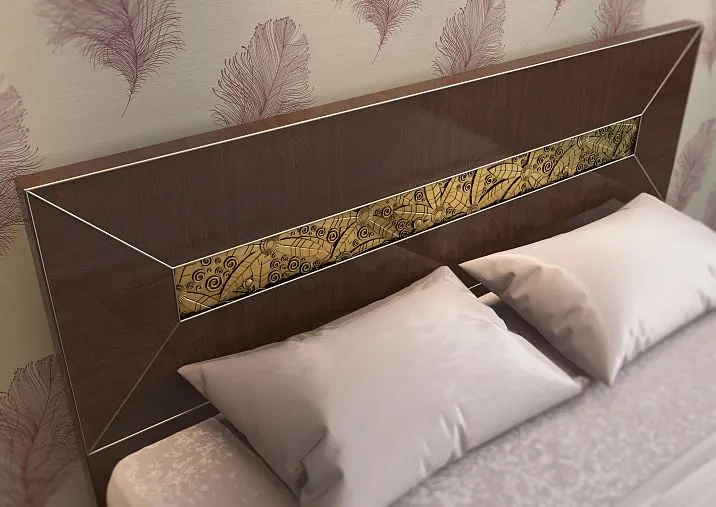
Creating your own furniture is not just about saving money or trying to fill free time. It is a deep immersion into the world of creativity, where every board cut becomes a conscious decision, every joint embodies the design, and every finished part is a step toward realizing a dream. How to Make Furniture Yourself — a question that millions of people ask themselves, striving to surround themselves with unique, functional, and beautiful items created with soul and understanding of personal needs.
In the age of mass production, handmade furniture acquires special value. It carries the energy of the creator, reflects his character, embodies individual preferences and needs. When you touch a countertop sanded by your own hands, sit in a chair assembled according to your drawing, open a cabinet door designed for specific family needs — you feel a connection between person and object that cannot be bought in a store.
The modern furniture industry offers thousands of ready-made solutions, but is unable to account for all the nuances of a specific home, lifestyle, and aesthetic preferences. Homemade furniture becomes a response to these limitations, allowing you to create items that perfectly fit the space and meet functional needs.


Planning as the Foundation of a Successful Project
Any significant project begins with careful planning, and making furniture is no exception. Planning determines not only the final result but also the entire path to achieving it — from selecting materials to the final touch of finishing.
Analyzing needs becomes the starting point of design. What function will the future item serve? Under what conditions will it be used? Who and how often will use it? Answers to these questions form a technical specification that determines all subsequent decisions — from choosing the construction to the type of finish.
Measuring space requires special precision and attention to detail. It is not enough to know the general dimensions of the room — it is important to consider the placement of outlets, switches, radiators, door and window openings. These, seemingly minor details, can significantly affect the future furniture's construction.
Sketching helps visualize the idea, refine proportions, identify potential problems even before starting work with materials. Even simple hand sketches can prevent serious errors and save time and money. Modern 3D modeling programs make this process even more visual and accurate.




Creating working drawings
Transitioning from sketch to working drawing is a critically important stage, determining the accuracy of manufacturing and the quality of the final result. The drawing must contain all the information necessary for manufacturing each part and assembling the item.
Dimensional detailing requires specifying all linear dimensions, radii of fillets, angles of inclination, depths of grooves and holes. Each dimension must be clearly marked, without possibility of different interpretation. Dimensional chains are built logically, from basic surfaces to derived elements.
Material specification includes a precise description of all components of the item — from main parts to fasteners. The wood species, thickness of panels, dimensions of blanks, type and quantity of hardware are indicated. Detailed specification allows accurately calculate the required amount of materials and avoid shortages during work.
Technological instructions define the sequence of operations, requirements for processing accuracy, types of joints, finishing methods. This information is especially important when working with hired workers or manufacturing complex items with many parts.
Our factory also produces:


Selection and Preparation of Materials
The quality of materials directly determines the durability, appearance, and performance characteristics of the finished item. Proper selection of materials requires understanding their properties, processing characteristics, and compatibility with each other.
Solid wood remains a classic choice for making quality furniture. Different species have their unique characteristics — oak is renowned for its strength and beautiful grain, pine is affordable and easy to work with, beech is known for its dimensional stability, walnut impresses with its noble grain pattern. The choice of species is determined by the purpose of the item, the project budget, and aesthetic preferences.
Panel materials — MDF, particleboard, plywood — offer an alternative to solid wood, possessing several advantages: dimensional stability, absence of defects typical of natural wood, variety of decorative finishes. Modern panel materials often surpass solid wood in many characteristics, especially when manufacturing case goods.
Hardware plays a key role in the functionality of furniture. Quality hinges ensure smooth door opening for many years, reliable guides make drawer extraction easy and quiet, strong fasteners guarantee long-lasting joints. Cutting corners on hardware often results in the product failing quickly.
Get Consultation
Preparation of wood for work
Proper material preparation is the key to a quality result. Even wood that has undergone kiln drying requires acclimatization to workshop conditions and additional processing.
Acclimatization allows the material to adapt to the temperature and humidity regime of the room where the furniture will be manufactured and used. Boards are stacked with spacers ensuring air circulation. The acclimatization time depends on the material thickness and the difference between storage and usage conditions.
Material rejection eliminates the use of boards with unacceptable defects — large knots, cracks, rot, warping. Minor defects can be used for decorative purposes or in areas where they do not affect structural strength. Proper rejection saves time and prevents defects.
Planing surfaces ensures precise dimensions and surface quality for finishing. The sequence of operations — planing the face, planing to thickness, planing the edge, cutting to width — guarantees blanks with precise dimensions and mutually perpendicular surfaces.
Tooling for a home workshop
Quality tools are not a luxury, but a necessity for achieving a professional result. Properly selected tools not only simplify work but also ensure processing accuracy, operational safety, and surface quality.
Hand tools remain the foundation of any workshop. Good chisels allow for precise joint fitting, quality saws provide clean cuts, reliable clamps ensure strong glue joints. Hand tools require skill to use, but offer maximum control over the processing process.
Electric tools dramatically speed up basic operations. A circular saw provides accurate and fast longitudinal cuts, a router allows for complex profiled work, a sander prepares surfaces for finishing. The choice of electric tools should be based on the planned workload and required precision.
Stationary equipment opens new possibilities for serious projects. A circular saw provides perfectly straight cuts for large blanks, a planer prepares perfectly flat surfaces, a jointer ensures precise thickness across the entire part. Stationary equipment requires significant investment, but pays off with regular use.
Workshop organization
Effective workshop organization affects not only labor productivity but also the quality of the result. A convenient work area, proper lighting, rational tool placement create conditions for creative and precise work.
The workbench becomes the center of the workshop, so its design must be thought out in detail. A sturdy top withstands impact loads, a clamping system ensures secure holding of blanks, a comfortable height prevents back strain. A homemade workbench often surpasses commercial equivalents, as it takes into account the individual characteristics of the craftsman.
Tool storage must ensure quick access to needed items and protection from damage. Wall panels with hooks and holders, drawers with dividers, special cases for precision tools — all this contributes to maintaining order and preserving tools.
Workshop lighting requires special attention. General lighting should be even and sufficiently bright, local lighting should be directed toward the work area. Proper lighting allows precise control of processing quality, visibility of material defects, and safe work with sharp tools.
Basic joinery connections
The strength and durability of furniture largely depend on the quality of connections between parts. Understanding the principles of operation of different types of connections, and the ability to properly execute them — is the foundation of a joiner's skill.
The mortise-and-tenon joint remains a classic choice for frame structures. This joint transfers loads over the entire contact area, providing high strength when properly executed. Various modifications — straight tenon, angled tenon, dovetail — are used depending on the direction of applied loads.
Dowel joints are simple to make and provide sufficient strength for most applications. Wooden dowels are traditional, but modern plastic and metal alternatives often surpass them in strength and ease of installation. Accuracy of drilling holes is the key factor in the quality of dowel joints.
Connections using modern hardware open new possibilities for the home craftsman. Dowels, eccentric fasteners, various types of brackets allow creating strong disassemblable structures. Such connections simplify the transportation of finished items, facilitate repair and modernization.
Adhesive joints and their characteristics
Adhesive plays a critically important role in modern furniture, often providing greater joint strength than the material itself. The correct choice of adhesive and its application technique determine the longevity of the product.
PVA adhesives are most commonly used in joinery due to their ease of application, eco-friendliness, and sufficient strength for most tasks. Various modifications — fast-setting, water-resistant, extended open time — allow selecting the optimal composition for a specific application.
Polyurethane adhesives provide maximum strength and water resistance of joints. These compositions are indispensable for making furniture for humid areas, outdoor furniture, and items subjected to significant loads. Polyurethane adhesives require precise adherence to application technology.
Epoxy compositions are used for filling wood defects, creating decorative inserts, bonding dissimilar materials. Two-component epoxy adhesives provide exceptional strength and chemical resistance, but require precise adherence to mixing ratios.
Technology of manufacturing case goods
Case goods — cabinets, chests, drawers — form the basis of any interior. The technology of their manufacture has been refined over decades and is accessible for home craftsmen with appropriate tools and materials.
Designing a case begins with determining the overall dimensions and internal layout. The standard depth of case goods is 600 mm, but may vary depending on purpose. Height is determined by ergonomic requirements and room characteristics. Width is limited by material size and structural rigidity requirements.
Cutting details requires special precision and care. Modern panel materials have decorative coatings that are easily damaged by improper cutting. Using guide rails, fine-toothed discs, and backing materials ensures a clean cut without chipping.
Edge banding protects panel materials from moisture and gives the finished product a polished look. Melamine edge banding is economical and easy to apply, but PVC edge banding offers better performance. Natural veneer edge banding creates the appearance of solid wood.
Assembly and Adjustment
Quality assembly requires precision, care, and correct sequence of operations. Pre-assembly "dry" fitting allows identifying and correcting inaccuracies before applying adhesive.
Geometry control is performed at every stage of assembly. The diagonals of the cabinet must be equal, all angles must be right angles, and opposite sides must be parallel. Deviations from geometry lead to problems with door installation, drawer extraction, and an unattractive appearance of the finished product.
Furniture hardware installation requires precise marking and careful drilling of holes. Modern jigs and templates greatly simplify this operation, ensuring accuracy and repeatability. Quality hardware should operate smoothly and silently from the moment of installation.
Mechanism adjustment is the final stage of assembly. Modern furniture hardware includes numerous adjustments that allow compensating for minor manufacturing inaccuracies and ensuring optimal mechanism performance. Careful tuning transforms homemade furniture into a professional-grade product.
Making Soft Furniture at Home
Soft furniture may seem more complex to make independently, but its basic construction principles are accessible for home craftsmen. Understanding the frame structure, spring block operation principles, and upholstery techniques opens opportunities to create unique items.
The frame determines the strength and longevity of soft furniture. Traditionally, frames are made from solid hardwoods, but modern technologies allow using glued laminated wood, plywood, even metal profiles. The main requirement is ensuring structural rigidity under dynamic loads.
Spring systems provide seat and backrest cushioning. Serpentine springs are easy to install and provide sufficient comfort for most applications. "Bonnel" or independent spring systems create more complex but more comfortable body support systems.
Fillers determine the softness and shape stability of furniture. Foam of various densities is the most accessible option, but modern materials — latex, hollofibre, memory foam — provide better performance. Proper combination of different fillers creates the optimal firmness profile.
Upholstery and Decoration Techniques
Upholstering soft furniture is an art requiring patience, care, and understanding of textile material properties. Quality upholstery not only protects the fillers but also determines the appearance of the finished product.
The choice of upholstery fabric depends on the furniture's purpose, usage intensity, and stylistic preferences. Dense fabrics with synthetic fibers ensure durability, natural materials provide eco-friendliness and tactile comfort. Modern fabrics with protective coatings combine the beauty of natural materials with the practicality of synthetics.
Cutting upholstery materials requires consideration of nap direction, fabric pattern, and element symmetry. Professional patterns ensure accurate and economical cutting. Allowances for seams and tension must be sufficient for quality upholstery stretching.
Upholstery stretching technique determines the appearance of the finished product. Even tension without wrinkles or misalignment, careful corner finishing, and proper filler distribution — all require experience and patience. Modern staplers and pneumatic tools significantly simplify upholstery attachment.
Finishing and Protecting Finished Items
Final finishing not only gives furniture an attractive appearance but also protects materials from external factors. The choice of finish depends on wood species, product purpose, stylistic requirements, and usage conditions.
Surface preparation for finishing begins with careful sanding. Sequential application of abrasives of varying grit — from coarse to fine — ensures a perfectly smooth surface. Sanding quality directly affects the appearance of the final finish.
Staining allows changing wood color, evening out tones of different parts, and highlighting material texture. Water-based stains are safe and easy to apply, alcohol-based stains dry quickly, and oil-based stains provide deep, rich color. Stain application technique requires evenness and care.
Lacquering protects wood from moisture, contamination, and mechanical damage. Polyurethane lacquers provide maximum protection, nitro lacquers give a beautiful gloss, and oil-based lacquers highlight the natural beauty of wood. Lacquer application technique affects the quality and durability of the finish.
Wax Finishing and Natural Coatings
Natural coatings are becoming increasingly popular due to their eco-friendliness and unique aesthetic qualities. Such coatings require more careful maintenance but create an irreplaceable atmosphere of natural warmth and authenticity.
Wax finishing creates a matte finish with pleasant tactile qualities. Natural waxes — carnauba, beeswax — provide good protection with regular reapplication. Modern synthetic waxes combine ease of application with long-lasting finish durability.
Oil finishing deeply penetrates wood structure, highlights its texture, and creates a natural appearance. Tung oil, linseed oil, and modern oil-based formulations provide various aesthetic effects. Oil finishes are easy to renew and repair.
Shellac is a traditional finish that creates a warm golden hue. This natural material provides good wood protection, easily polishes to a mirror finish, and can be easily removed with solvents if needed. Shellac application technique requires skill, but the result justifies the effort.
Modern Trends in Home Furniture Production
Home furniture making develops under the influence of new technologies, changing consumer needs, and ecological requirements. Understanding modern trends helps create timely, functional, and aesthetically appealing products.
Modularity has become a key principle of modern furniture. Modular systems allow adapting furniture to changing needs, easy transportation, and modernization without full replacement. Standardization of dimensions and connections makes modular systems accessible for home production.
Multifunctionality meets the needs of modern life in limited space. Transformable furniture, hidden storage systems, integrated technical solutions allow for the most efficient use of every square meter of living space.
Ecological awareness is no longer a fashion trend but a conscious necessity. The use of renewable materials, non-toxic coatings, and the possibility of recycling used furniture are all considered in modern design. DIY furniture is inherently more ecological, as it eliminates industrial processing and transportation.
Integration of technology into furniture
Modern furniture increasingly integrates with technological solutions, transforming from a passive interior element into an active component of a smart home. These trends are accessible to DIY enthusiasts as well.
Built-in lighting turns furniture into part of the room’s lighting system. LED strips, spotlights, and lighting control systems easily integrate into homemade furniture. Properly designed lighting is not only functional but also creates impressive decorative effects.
Charging devices built into furniture solve the problem of constantly draining gadgets. USB ports in countertops, wireless charging surfaces, and hidden cable channels make using electronic devices more comfortable and aesthetically pleasing.
Furniture-integrated climate control systems help maintain optimal conditions for storing various items. Ventilated clothing closets, wine climate chambers, and dehumidifiers for musical instruments — all of these can be integrated into homemade furniture.
The path of making furniture by hand is a path of continuous learning, creative growth, and personal development. Each project brings new knowledge, develops skills, and opens opportunities for more complex tasks ahead. Make furniture by hand — means not only saving money or getting a unique item, but also acquiring a new hobby, a means of self-expression, a source of pride and satisfaction.
Modern materials, tools, and technologies make furniture production accessible to DIY enthusiasts of any skill level. Starting with simple projects — shelves, stools, small cabinets — you can gradually move on to more complex items, accumulating experience and confidence in your abilities.
It is important to remember that the quality of homemade furniture depends not only on the craftsman’s skills but also on the quality of materials and tools used. Cutting corners on critical components often leads to disappointment and the need to redo the work.
For many years, STAVROS has supported DIY enthusiasts by offering high-quality materials, professional tools, and expert consultations on all aspects of furniture production. A wide range of lumber, panel materials, hardware, and finishing materials allows you to realize projects of any complexity. Technical support from STAVROS specialists helps avoid mistakes and achieve a professional result in every DIY furniture project.