Article Contents:
- 1. Idea and Planning
- Defining the purpose and function of the item
- Sketch and design plan
- Style selection
- Selecting Wood
- Tools and equipment
- Wood preparation
- Carving and Decorative Finishing
- Assembly and fastening
- Finishing and protection
- Inspiration and research
- Prototyping
- Experimenting with finishes
- Learn from masters
- Don't forget about care
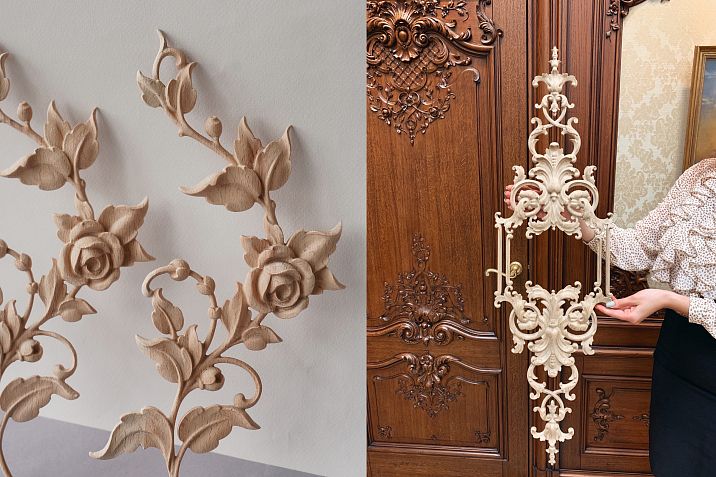
Creating a beautiful wooden item is an art that combines a creative approach, skill in working with natural materials, and modern processing technologies. Whether you want to make wooden furniture, interior decorative elements, or a unique handmade item, following several key stages will help achieve a flawless result. In this article, we will explain how to make a beautiful wooden item, share secrets of material, tool, processing, and finishing selection, and provide practical recommendations for caring for the finished product.





1. Idea and Planning




Defining the purpose and function of the item
The first step in creating any project is clearly understanding what you want to make. Decide what the item will be used for: will it be functional furniture, a decorative element, or a gift. Ask yourself:
● What function should your wooden item perform?
● What sizes, shapes, and styles will best fit the interior or place of use?
● What materials and technologies will be optimal for realizing the intended project?
Answers to these questions will help form the concept and define the main parameters of the future item.
Our factory also produces:




Sketch and design plan
After the idea is defined, it is important to make sketches and rough drafts. Do not be afraid to experiment with shapes, lines, and details. Creating a design plan will allow you to visualize the final result and better understand how the finished item will look. Use paper and pencil, and if you have the skills, digital modeling programs to create accurate drawings and 3D visualizations.
Get Consultation
Style selection
Choosing a style plays a decisive role in creating a beautiful wooden item. This can be classic, minimalism, rustic, or modern design. Each style has its own characteristics, and they determine which decorative elements, finishes, and colors will be used. If you aim for a traditional and refined style, pay attention to hand-carved elements, ornaments, and natural wood tones. Modern styles may require more streamlined lines, smooth surfaces, and minimal decoration.
2. Material Selection
Wood Selection
Choosing the right wood species is the key to the longevity and aesthetics of the item. Various types of wood are available on the market, such as oak, beech, ash, cherry, and cedar. Each has its own characteristics:
● Oak – strong, durable, with a distinctive texture, ideal for solid wood furniture.
● Ash – light, elastic, with a uniform texture, often used to create modern minimalist designs.
● Cherry – has a rich warm tone and beautiful grain, giving the item elegance.
● Cedar – known for its aromatic properties, resistance to moisture and pests, making it an excellent choice for outdoor structures.
Choose wood, paying attention to its uniformity, absence of knots and defects, as well as the seasonal moisture of the material. Proper wood preparation, drying, and treatment are crucial steps to avoid warping and cracking in the finished product.
Tools and Equipment
For working with wood, you will need quality tools. Depending on the complexity of the project, the list may include:
● Hand tools: saws, planes, chisels, sandpaper.
● Power tools: circular saws, sanders, routers, drills.
● Special equipment: laser or CNC machines (if access to such technologies is available), allowing for high precision and complex decorative elements.
Modern technologies, such asSTAVROS, offer a wide range of products and solutions for wood processing and finishing, helping you achieve a professional result even at home.
3. Manufacturing Techniques
Wood Preparation
Before starting work, it is important to properly prepare the wood:
● Drying: The wood must be properly dried to avoid subsequent warping and cracking.
● Surface treatment: Use a plane and sandpaper to achieve a smooth surface. This is important for even finishing and better adhesion of varnishes and oils.
● Edge treatment: To give the item a neat appearance, treat all edges to make them smooth and safe.
Carving and Decorative Processing
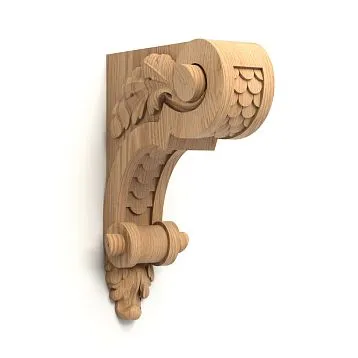
If you plan to create a decorative element with carving, it is important to make preliminary sketches and practice patterns on test blanks. Traditional woodworking carving techniques can give your item individuality and uniqueness. Hand carving requires patience and precision, but the result can exceed expectations, creating true works of art.
Modern processing methods, such as laser cutting and CNC milling, allow automation of the process and achieve high precision. They are ideal for creating repeatable decorative elements and complex patterns that are difficult to achieve by hand.
Assembly and Joining
During assembly, it is very important to ensure strong and neat connections of all parts. Use quality adhesives and mechanical fasteners to guarantee the longevity of the structure. Carefully select joining methods based on the item’s purpose: furniture requires especially reliable joints capable of withstanding significant loads.
Finishing and Protection
Finishing is the final, but no less important, stage. It not only gives the item a finished look, but also protects it from external influences:
● Varnishing and coating: Choose eco-friendly varnishes, oils, or waxes that will highlight the natural wood texture and create a protective layer.
● Polishing: Polishing the surface allows you to achieve a shine and smoothness, making the item more aesthetically pleasing.
● Final processing: Check the finished item for minor defects, remove them, and allow the coating to dry thoroughly.
4. Tips for Creating a Beautiful Wooden Item
Inspiration and Research
Before starting work, it is useful to study the works of masters and designers. Browsebeautiful wooden itemsExplore modern trends and success stories. Photo galleries, blogs, and specialized magazines will help you define your idea and style.
Prototyping
If you are working on a complex project, create a prototype or mockup of the product. This will allow you to check the construction, evaluate the design, and make necessary adjustments before starting the main work. Prototyping is an important stage that helps avoid errors and save time and resources.
Experiment with finishes
Do not be afraid to experiment with different finishing methods. Try combining various types of coatings, polishing techniques, and decorative elements. Sometimes unexpected combinations can give the item a unique and individual character.
Learn from masters
Attend workshops, seminars, or courses on woodworking. Learning from professionals will help you master new techniques, gain useful advice, and improve your skills. Experienced masters can share secrets that will help you achieve an ideal result.
Do not forget about care
Beautiful wooden products require regular care. Use special cleaning and protective coating renewal products. Regular maintenance will help preserve the natural beauty of wood for many years.
5. Examples and inspiration from STAVROS
CompanySTAVROS offers a wide range of solid wood items that can serve as an excellent source of inspiration for creating your beautiful wooden piece. From classic furniture to decorative elements — STAVROS products combine traditional craftsmanship and modern technologies, ensuring high quality and durability of items.
you can familiarize yourself with ready-made projects, viewphoto gallery of beautiful wooden items and find ideas for your projects. This will help you better understand how to combine different processing techniques, decorative elements, and finishes to create a truly unique item.
6. Conclusion
Creating a beautiful wooden item is an engaging process that requires planning, skill, and love for natural materials. From idea to realization, each stage plays an important role in achieving the perfect result. Proper wood selection, modern processing technologies, careful finishing, and regular maintenance — all of this allows you to create a work of art that not only pleases the eye but also serves faithfully for many years.
Regardless of whether you are making a beautiful wooden table, cabinet, decorative element, or even an entire house, the key is to maintain a balance between traditional craftsmanship and innovative technologies. Let each of your items become a reflection of your taste, pursuit of perfection, and love for natural materials.
Remember that the beauty of wood lies in its uniqueness, and every detail matters. If you dream of creating something truly special, draw inspiration from the works of leading masters, study modern trends, and do not be afraid to experiment.
Invest in quality, learn new techniques, and create a beautiful wooden item that will delight you and your loved ones, telling a story of how tradition meets innovation, and nature and art work in harmony. May your journey in the world of woodworking be full of inspiration, creativity, and wonderful discoveries!