Article Contents:
- Advantages of making shelves yourself
- 1. Unique design
- 2. Cost Savings
- 3. Ease of process
- Advantages of wooden planks:
- Materials:
- Tools:
- Interior style and compatibility of decorative shelves
- 1. Material preparation
- 2. Assembly of the structure
- 3. Mounting on the wall
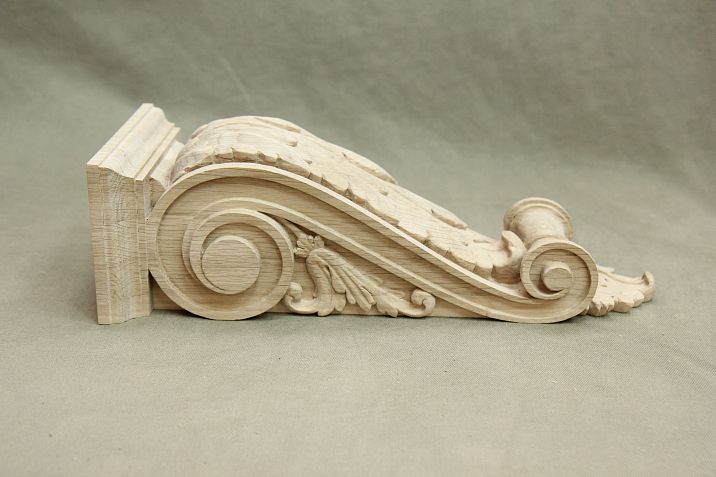
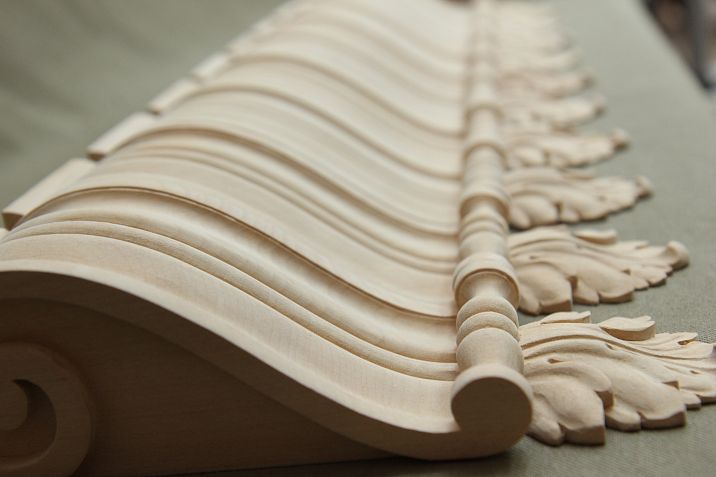
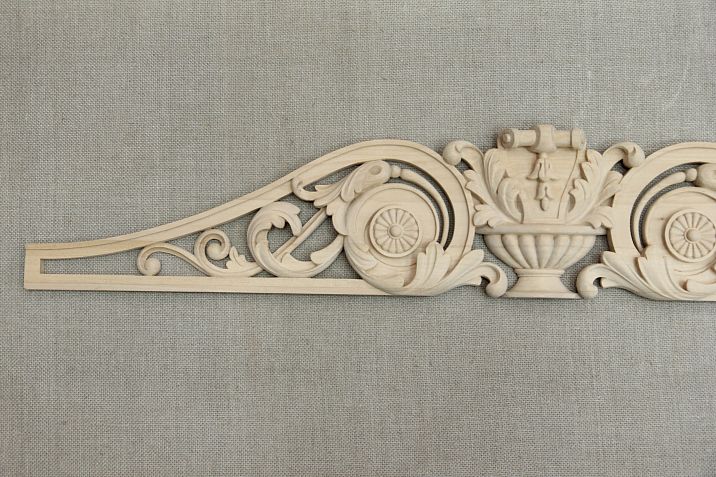
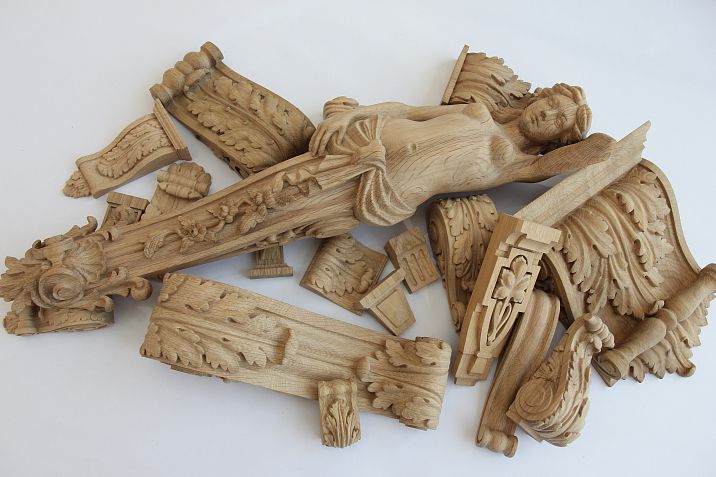
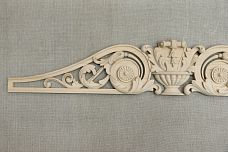
Wooden decorative shelves are the perfect combination of functionality and aesthetics. They decorate the interior, add convenience, and help organize space. And what’s most pleasant — they can be easily made by yourself!
For creating beautiful and reliable shelves, you will need quality materials, such asoak plank or corner wooden plank. Thanks to this, you will be able to create a stylish and long-lasting interior element that will delight you for many years.


Advantages of making shelves yourself
Making shelves is not only an opportunity to save money, but also to show your creative approach. Here are the main reasons why you should make shelves yourself:




1. Unique design
Shelves made by yourself will perfectly match your interior. You will be able to choose materials, shapes, and sizes to suit a specific room. For example, for a classic style, an oak plankoak plank is ideal, while for modern interiors — a minimalist corner wooden plank.
Our factory also produces:


2. Cost savings
Buying ready-made shelves may cost more than making them yourself. Using materials such as wall-mounted shelf planks, you will save money, and the result will not be inferior to store-bought analogs.
Get Consultation
3. Ease of process
Working with planks is simple and accessible even for beginners. With a minimal set of tools, you will be able to create quality shelves that meet all your needs.
Why wooden planks?
Wooden planks — this is a universal material suitable for various interior-related tasks. Especially popular are oak plank and corner wooden plank.
Advantages of wooden planks:
-
Strength and reliability
Oak planks are renowned for their durability. Oak dowel can withstand significant loads, making it ideal for heavy-duty shelves, such as for books or electronics. -
Aesthetics and Universality
Wooden corner rail allows creating neat edges and giving shelves a finished look. -
Variety of Sizes and Shapes
Use the wooden dowel size chart to select appropriate parameters for your project.
What do you need to make shelves?
Materials:
-
Shelf base (wooden boards, plywood, or solid wood).
-
Oak dowel for creating strong structures.
-
Wooden corner rail for finishing edges.
-
Shelf rail for wall-mounted structures.
Tools:
-
Circular saw or jigsaw for cutting.
-
Drill and screwdriver for assembly.
-
Level and tape measure for precise marking.
-
Wood glue, screws, and wall anchors.
Interior style and compatibility of decorative shelves
Decorative shelves are a universal element that can be incorporated into any interior style. However, to ensure the shelves harmonize and complement the overall space concept, it is important to consider the specifics of each style. Below, we will examine which shelves suit different interiors and how to properly combine them with furniture and decor.
Minimalism
Style Features:
Minimalism is characterized by simplicity, functionality, and clean lines. In this style, simple forms, absence of unnecessary details, and emphasis on natural materials are important.
Shelves that suit:
-
Shelves with straight edges, made from light-colored wood.
-
Use wooden corner rail to create neat and strict structures.
-
Open shelves without complex decorative elements.
Decor Recommendations:
These shelves can hold books, simple ceramic vases, or minimalist accessories.
Loft
Style Features:
Loft is inspired by industrial interiors. This style includes open spaces, rough finishes, metal structures, and wooden elements.
Shelves that suit:
-
Heavy-duty shelves made using oak dowel.
-
Combination of wood and metal, for example, wooden shelf with metal brackets.
-
Shelves with unprocessed edges to emphasize ruggedness.
Decor Recommendations:
These shelves can hold books, vintage items, metal figurines, or plants in rough pots.
Classic style
Style Features:
Classic is associated with elegance, refinement, and symmetry. The main emphasis is placed on natural materials, light shades, and decorative elements.
Shelves that suit:
-
Shelves with elegant finish, made using angled slat wooden.
-
Shelves made of solid wood with lacquered finish.
-
Structures with decorative edges or carving.
Decor Recommendations:
Porcelain figurines, leather-bound books, elegant candlesticks will be perfect.
Scandinavian style
Style Features:
Scandinavian style combines minimalism, natural tones, and coziness. This style focuses on natural materials, light colors, and functionality.
Shelves that suit:
-
Light wooden structures using angled slat for wall shelves.
-
Shelves made of light wood without excessive finish.
-
Simple shapes with emphasis on wood texture.
Decor Recommendations:
Decorate shelves with small plant pots, candles, textile baskets.
Provence
Style Features:
Provence is a cozy village style with romantic elements. It features pastel shades, elegant shapes, and natural materials.
Shelves that suit:
-
Shelves made of aged wood or with patina effect.
-
Use angled wooden slat to create elegant frames.
-
Structures with rounded or carved edges.
Decor Recommendations:
Add porcelain vases, lace napkins, ceramic pots with flowers, or books in soft bindings.
Modern style
Style Features:
Modern interior is characterized by simplicity, functionality, and harmony of forms. Bold design solutions and combinations are welcome.
Shelves that suit:
-
Shelves with strict geometric shapes.
-
Combinations of wood and glass or metal.
-
Use oak slat to create accent shelves.
Decor Recommendations:
Decorate shelves with modern ceramics, techniques, or large-format art objects.
Eco-style
Style Features:
Eco-style focuses on using natural materials and textures, as well as harmony with nature.
Shelves that suit:
-
Shelves made of untreated wood or wood with minimal processing.
-
Shelves created using wall shelf slat for light construction.
Decor Recommendations:
Place plants, rattan accessories, or woven baskets on shelves.
Decorative shelves easily adapt to any interior style. Choosing the right material, such as oak slat or angled wooden slat, allows you to create shelves that highlight the aesthetics of your home.
This section will help the reader understand how to use decorative shelves for different interiors, ensuring the text's usefulness and relevance.
Step-by-step guide to creating shelves
1. Material preparation
-
Specify the dimensions of the shelves. If unsure about the choice, use the wooden plank size chart.
-
Cut the planks and shelf bases, then sand them with sandpaper.
2. Assembling the structure
-
Attach the corner wooden plank along the edges of the base.
-
Secure the planks using wood glue and screws.
3. Mounting on the wall
-
Using a level, mark the mounting locations on the wall.
-
Install wall anchors, then attach the shelves with screws.
Useful tips
-
Wood treatment. Lacquer coating will protect the shelves from moisture and dirt.
-
Combine materials. Wood and metal complement each other well and suit loft-style interiors.
-
Use quality planks. For example, oak planks guarantee the durability of the structure.
Conclusion
Making shelves yourself is not only cost-effective but also creative. Using materials such as corner wooden planks and oak planks, you will create sturdy and stylish shelves that will enhance your interior.
Start your project today by choosing materials at stavros.ru.