












































































Article Contents:
- Choosing Materials for Making a Bench
- Step-by-Step Process of Making a Bench
- Step 1: Preparing the Frame
- Step 2: Installing Legs
- Step 3: Creating a Soft Seat
- Step 4: Decoration and Finishing
- Bench in Classic Interior
- Bench in Modern Interior
- Bench in Scandinavian Style
- Bench in Industrial Style
A bench is not just a practical piece of furniture, but also an element capable of highlighting the style and individuality of your interior. It is a small seat with a soft cushion, which can be with or without armrests and backrest. Benches come in various shapes and sizes, and can be used in many different rooms of the house: from hallway to bedroom, from bathroom to living room. The main advantage of a bench is its multifunctionality: it can serve as a place to sit, as well as an additional storage element, if the bench design includes drawers or shelves. It is pleasant to realize that such a versatile piece of furniture can be created yourself, infusing it with your creativity and imagination.
Making a bench yourself allows not only to realize your design ideas, but also to save significant funds, since purchasing a quality wooden bench can be quite expensive. In this article, we will tell you how to make a bench yourself from wood, starting from material selection and ending with possibilities for decorating and restoring old models. We will describe each step of the manufacturing process in detail, give advice on material selection, and suggest decoration ideas. We will also explain how a bench can fit into various interior styles and add individuality to it.



What is a bench and its role in interior design?
A bench is a furniture element that may seem insignificant at first glance, but in reality it can transform any room. It is a small seat with a soft cushion, ideal for small spaces or areas of the house where additional comfort is needed. Benches are often found in hallways, bedrooms, and living rooms, but can also be used in other rooms, such as bathrooms or closets. It is important to note that a bench combines functionality and aesthetics: it is comfortable for sitting, and its appearance can complement or accentuate the overall interior.
Depending on the style, a bench can take on the most diverse forms. In a classic interior, a bench is often made of solid wood with carved legs, lacquered finish, and upholstered in luxurious fabrics such as velvet or silk. Such a bench becomes not only a place to sit, but also a striking accent that highlights the refined taste of the home’s owners. In a modern style, benches may be more minimalist: simple shapes, strict lines, solid or pastel shades. It is important that such a bench is not only stylish, but also functional. In a Scandinavian interior, benches are usually made of light-colored wood, with soft textile upholstery made of natural materials such as linen or cotton. They add coziness to the space and emphasize the naturalness, simplicity, and warmth of home ambiance.




Choosing Materials for Making a Bench
Before starting the bench-making process, it is very important to choose materials correctly. The base of any bench, of course, is solid wood, as this material gives the item durability, strength, and visual appeal. It is recommended to use such wood species as oak, pine, or beech. Oak is one of the hardest types of wood, known for its longevity and beautiful texture. Beech is also strong, but more affordable, it has a light, pleasant texture and is easy to process. Pine is a soft wood species, ideal for those who prefer working with wood that requires minimal effort to process.
In addition to wood for the frame and legs, an important part of the bench is its soft upholstery. Here you can choose polyurethane foam to create a comfortable seat and upholstery fabric that matches the interior style. For luxurious interiors, suitable dense fabrics such as velvet, velour, or leather, while for more everyday solutions, cotton or linen materials can be used. Also, do not forget about details: to create a bench with elegant decoration, you can use wooden decorative elementswhich will give it a finished look.
Our factory also produces:




Step-by-Step Process of Making a Bench
Get Consultation
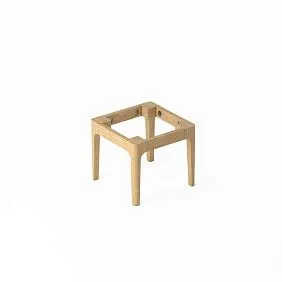
The frame is the base of any bench, and its strength determines how long-lasting your furniture will be. For the frame, solid wood is ideal, which can be purchased at specialized stores or ordered online
. Before starting work, you need to calculate the dimensions of your bench. For example, a classic hallway bench has dimensions of about 100 cm in length, 40 cm in width, and 45-50 cm in height. Prepare all frame parts: side panels, seat, and support elements. All parts must be carefully cut and sanded to avoid roughness and burrs. StavrosBefore starting work, you must calculate the dimensions of your bench. For example, a classic hallway bench has dimensions of about 100 cm in length, 40 cm in width, and 45-50 cm in height. Prepare all frame components: side panels, seat, and support elements. All parts must be carefully cut and sanded to avoid roughness and burrs.
If you want to give your bench a classic or vintage look, pay attention to carved furniture frames and decorative elements that can be integrated into the structure. A bench with carved legs and refined details will become a true work of art.
Step 2: Installing Legs
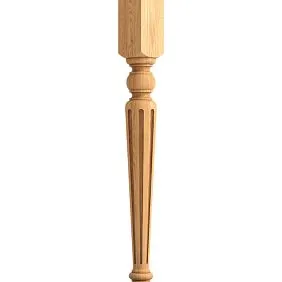
The next step is installing the legs. For this stage, the best options are Furniture legswhich can be ordered from the Stavros website. Legs play an important role not only in the stability of the bench but also in its aesthetic appeal. For example, for a classic style, choose carved legs with smooth lines, which will add elegance to the piece. For a modern interior, opt for more minimalist and simple shapes that emphasize the design’s minimalism.
Legs are attached using furniture screws or wood glue. It is important that the attachment is secure and provides the bench with the necessary stability. When working with carved legs, remember that they must be properly sanded and sealed with varnish for additional protection and to enhance their shine.
Step 3: Creating a Soft Seat
A soft seat is what makes the bench comfortable and cozy. To make it, you will need foam or another filler that ensures softness. Cut a piece of foam to the size of the wooden seat base and prepare upholstery fabric. The fabric should be large enough to fully cover the foam and be secured on the back side of the seat. Use a furniture staple gun or special adhesive for this.
The choice of upholstery fabric depends on the style of your interior. For classic benches, luxurious fabrics such as velvet or silk are suitable. If you are creating a bench for a more modern or minimalist interior, prefer solid-colored fabrics or leather. Remember that the material must not only be beautiful but also durable, as a bench is a piece of furniture that will be actively used.
Step 4: Decoration and Finishing
The final stage is decorative finishing of the bench. It is precisely at this stage that you can give your piece uniqueness and a finished look. Use Decorative Inserts and carved elements to decorate the legs or backrest of the bench. Such elements will add individuality to the piece and allow it to harmoniously fit into the interior.
After installing decorative elements, the bench should be coated with varnish or paint. Varnish will add extra shine to the wood and protect it from wear, while paint allows you to choose a color that perfectly matches your interior. Remember that the quality of finishing directly affects the longevity of your bench, so choose materials that are resistant to mechanical damage and environmental influences.
Possibilities of Restoring and Decorating Old Benches
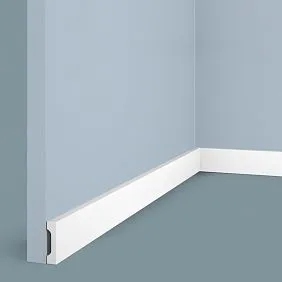
If you have an old bench you wish to update, the restoration process can be an excellent solution. First, remove the old upholstery and, if necessary, replace the filler. Then, you can update the decorative elements by adding new carved appliqués or Moldings. This approach will allow you to refresh the bench’s appearance, giving it a modern and stylish look.
Restoration is a wonderful opportunity not only to preserve old furniture but also to make it more suitable for your current interior. By replacing the upholstery with modern fabric or leather and adding new decorative elements, you can transform an old bench into a true decoration for your home.
Bench in Various Interior Styles
Bench in a Classic Interior
In a classic interior, the bench becomes an embodiment of elegance and luxury. This style is characterized by graceful forms, decorative elements, and the use of expensive materials. Benches in a classic style usually have carved legs, adorned with delicate ornaments, made from solid wood, such as oak or beech. The legs may be coated with gold patina or varnish, giving the piece a luxurious appearance. The upper part of the bench is often upholstered with expensive fabrics such as velvet, silk, or jacquard with patterns. These fabrics not only give the piece a sense of status but also add comfort and coziness.
A classic bench will fit perfectly in a hallway with carved mirrors and wooden furniture, creating an atmosphere of coziness and elegance. In a bedroom, such a bench can be placed at the foot of the bed to serve as an additional element of comfort. Classic style loves symmetry, so benches often have precise proportions and clean lines, which give the interior harmony.
Bench in a Modern Interior
In a modern interior, the bench often takes minimalist forms and emphasizes functionality. Such interiors feature clean lines and neutral tones. A modern-style bench can be made of metal or wood, upholstered in fabric or leather without unnecessary embellishments. The main emphasis is on simplicity and comfort, which is especially important for dynamic interiors of modern apartments and houses.
A bench in a modern style often serves not only as a seating area but also has additional storage functionality. This may include hidden drawers under the seat or open shelves for storing shoes or other items. Such benches are often used in hallways to provide a convenient place for changing shoes and storing small items. The color palette of modern benches is usually restrained: gray, white, black, and pastel shades dominate, allowing the bench to harmoniously fit into any modern interior.
Bench in a Scandinavian Style
Scandinavian style is characterized by simplicity, light tones, and the use of natural materials. Benches in a Scandinavian style are often made from light wood, such as pine or birch, and have a minimalist design. Decorative elements are rarely used in such benches, as the main focus is on the natural wood texture and functionality.
The bench upholstery is usually made from natural fabrics such as linen or cotton, giving the piece a light and natural feel. Colors in Scandinavian style are predominantly light: white, light gray, pastel shades of blue or beige. A bench in this style will be an excellent addition to a hallway or bedroom, bringing a sense of coziness and warmth to the interior.
Bench in an Industrial Style
In an industrial style, which is gaining popularity in modern lofts and apartments, the bench serves as both a functional and aesthetic element. This style is characterized by rough, intentionally 'unfinished' forms, the use of metal, wood with visible signs of processing, and materials that imitate concrete or brick. A bench in an industrial style can be made from a metal frame with a wooden seat. Often, wood is used in its most 'natural' form: unpainted, with visible knots and imperfections, giving the piece a vintage and rugged appearance.
Functional elements are characteristic of industrial style: the bench may be equipped with metal shoe or small-item storage baskets. It will fit perfectly in spacious hallways with exposed brick walls or concrete walls, adding a cozy and practical touch.
Creative ideas for making a bench
Making a bench by yourself is not only an engaging process, but also an opportunity to realize the most daring and creative ideas. Depending on your experience working with wood and fabric, you can come up with numerous original solutions for creating a unique piece of furniture. Here are several interesting ideas for inspiration:
- Restoration of old furniture. If you have an old but sturdy bench, it can be easily updated. Replacing the upholstery, adding new decorative elements, or even a complete repaint can transform an old bench into a modern designer piece. Use
- to create a unique decoration. carved appliqués Oval bench-pouf. If you want something more original, try making a bench in an oval shape. Such a bench will look unusual and attractive, especially if you add soft upholstery made of velvet or satin. The oval shape will add smoothness to the room and create a cozy atmosphere.
- Bench with decorative elements. If you want your bench to become a central element of the interior, add carved elements or decorative moldings. This could be a carved backrest or armrests that will give the bench a more classic and refined look. Use
- decorative moldings and trim to create an elegant decoration. Combining materials. To create a bench with a unique style, try combining different materials. For example, a wooden frame can be complemented with metal legs, and a soft seat with leather upholstery. Such a combination will give the item individuality and emphasize its designer character.
- Experiment with color. A bench can become a bright accent in your interior if you use bold color solutions. Do not be afraid to experiment with vibrant colors — bright yellow, blue, or green. For this, you can choose a bright fabric for upholstery or paint wooden elements in contrasting colors. This will add playfulness and dynamism to your interior.
- Making a bench by yourself is a creative process that not only allows you to obtain a unique piece of furniture, but also to bring individuality into the interior of your home. Choosing solid wood for the frame ensures the durability and eco-friendliness of the item. Thoughtful decoration, such as carved legs and decorative moldings, adds elegance and style to the bench. This piece of furniture can become not just a functional detail of your home, but also an accent element that will delight the eye and attract guests' attention.
Conclusion
A bench will fit perfectly into any interior style — from classic to modern, from Scandinavian to industrial. It can become a practical solution for the hallway, a cozy accent in the bedroom, or a stylish addition to the living room. The possibilities for decorating a bench are practically limitless: you can choose suitable decorative elements, change the upholstery, or add functional storage drawers.
Do not be afraid to experiment, coming up with new ideas for making a bench. Creativity in working with furniture not only allows you to express your individuality, but also to obtain a truly unique interior piece. Let your home be filled with coziness, comfort, and creativity, and the bench, made by your own hands, will become a symbol of your skill and creativity.
Do not be afraid to experiment and come up with new ideas for creating a bench. Creativity in working with furniture not only allows you to express your individuality but also to obtain a truly unique interior piece. Let your home be filled with comfort, warmth, and creativity, and the bench you made by your own hands will become a symbol of your skill and creativity.


