Article Contents:
- Choosing painting materials for different surfaces
- Special coatings for special tasks
- Professional surface preparation
- Sanding techniques for different materials
- Priming as the foundation of long-lasting coating
- Techniques for applying primer
- Painting technology using various methods
- Creating Decorative Effects
- Tools and equipment for home painting
- Workplace organization
- Repairing defects and final finishing
- Protective coatings and their application
- Special techniques for different styles
- Vintage effects and their creation
- Care for painted furniture
- Prevention of damage
Your favorite dresser has lost its original charm? The wooden table is covered with scratches from time? Don't rush to throw away your loyal companions from home! How to paint furniture DIY — an art accessible to anyone willing to dive into the wonderful world of interior transformation. Painting furniture becomes a powerful tool for space transformation, a way to express individuality and create a unique atmosphere in the home.
Transforming furniture through painting is not just cosmetic repair, but a real creative adventure. In your hands, an ordinary brush becomes a magic wand capable of breathing new life into seemingly outdated items. Modern painting technologies open up boundless opportunities for experimenting with color, texture, and decorative effects.
Home furniture painting has gained special popularity in the era of conscious consumption. Instead of buying new interior items, we have learned to see potential in existing things, to reveal their hidden beauty, and adapt them to the changing needs of the family. This approach is not only economically beneficial but also environmentally responsible.


Choosing painting materials for different surfaces
The success of any painting project is laid down at the stage of choosing appropriate materials. The modern market of paints and coatings is astonishing in its variety of compositions, each designed to solve specific tasks. Understanding the characteristics of different paints becomes the key to achieving a professional result at home.
Acrylic enamels have gained leading positions due to their optimal combination of performance characteristics and ease of application. Water-based compositions have almost no odor, dry quickly, have excellent coverage and colorfastness. Modern acrylic paints can imitate various textures — from smooth gloss to noble matte with a velvet effect.
Alkyd-based coatings provide exceptional coating durability and color depth. These paints are ideal for furniture subjected to heavy use — kitchen cabinets, children's furniture, hallway fixtures. Although drying time is longer, the finish offers outstanding wear resistance.
Chalk paints open up special opportunities for creating vintage and Provencal interiors. Their unique matte texture with slight roughness creates a sense of noble antiquity. Chalk paints are easily subjected to decorative treatment — brushing, patination, creating a worn effect become simple and accessible techniques.




Special coatings for special tasks
Some projects require the use of specialized compositions developed to solve specific tasks. Such coatings can significantly expand the functional capabilities of updated furniture, giving it unique properties.
Magnetic paints contain metallic particles that turn the painted surface into a magnetic board. Children's tables painted with such paint become interactive surfaces for games and learning. Office furniture gains additional functionality for placing documents and notes.
Chalkboard compositions create surfaces for writing with chalk. Kitchen facades, children's furniture, work desks — all of this can become interactive zones for notes, drawing, and planning. Modern chalkboard paints are available in a wide color range, far beyond the traditional black color.
Thermochromic coatings change color depending on the surface temperature. Such compositions allow creating dynamic, changing interiors where furniture becomes an element of interactive design. Children's furniture with thermochromic coatings becomes a source of constant wonder and interest.
Our factory also produces:


Professional surface preparation
The quality of the final finish directly depends on the thoroughness of preparatory work. This stage requires maximum attention to detail, patience, and strict adherence to the technological sequence. Neglecting preparation inevitably leads to disappointing results, regardless of the quality of materials used.
Surface cleaning begins with removing all contaminants, grease stains, wax, or polish residues. Modern degreasers effectively dissolve various types of contamination without damaging the base material. Thorough cleaning ensures reliable adhesion of the new finish to the furniture surface.
Removing hardware simplifies the painting process and ensures neat work. Handles, hinges, and decorative elements are best completely removed or carefully protected with painter's tape. Painting hardware separately allows achieving an ideal result without runs or unevenness.
Filling defects requires using high-quality putties compatible with the selected paint type. Cracks, chips, dents must be carefully filled and leveled. After the putty dries, the surface is sanded to perfect smoothness, ensuring an impeccable appearance of the final finish.
Get Consultation
Sanding Techniques for Different Materials
Sanding is a critically important preparation stage requiring understanding of the characteristics of different materials and surface types. The correct choice of abrasive materials and sanding techniques determines the quality of paint adhesion and the final appearance of the product.
Solid wood requires sequential sanding with abrasives of varying grit. Start with coarse grits (P80-P120) to remove old finish and level the surface, gradually moving to finer grits (P220-P320) to create an ideally smooth base for painting.
Particleboard with laminate finish requires a gentle approach. Aggressive sanding may damage the thin decorative layer. Fine-grit abrasives (P220-P400) are used to create a light texture that ensures primer adhesion.
Metal furniture elements require special preparation to prevent corrosion. Rust is removed mechanically or with chemical converters, after which the surface is treated with fine abrasives and coated with anti-corrosion compounds.
Priming as the Foundation of a Durable Finish
Primer acts as a bonding layer between the furniture surface and the final finish. This intermediate layer ensures reliable adhesion, equalizes the absorbency of the substrate, and prevents stains from penetrating through the paint. Choosing the right primer determines the durability and quality of the entire finish.
Adhesion primers are designed for complex surfaces — laminate, plastic, metal. These formulations contain special additives that provide chemical bonding to smooth, non-absorbent substrates. Without such primer, paint may peel even when all technical requirements are met.
Isolation compounds block penetration of stains, tannins, resins through the final finish. Particularly important when working with coniferous wood or old furniture with unknown treatment history. Quality isolation prevents yellow stains and color changes in the finish.
Leveling primers contain fillers that allow hiding minor surface defects. These compounds are especially effective when working with open-grain wood — oak, ash — where pores may show through the paint. Primer fills irregularities, creating a perfectly smooth base.
Primer Application Techniques
The method of primer application affects the quality of adhesion and uniformity of the finish. Different tools and techniques are used depending on the surface type, paint viscosity, and required finish quality.
Brush application ensures deep penetration of primer into material pores. Natural bristle brushes are ideal for alkyd primers, synthetic brushes — for water-based primers. The "feathering" technique eliminates brush marks and streaks on the surface.
Roller application speeds up processing of large flat surfaces. Velvet rollers provide a smooth finish, foam rollers — a light texture. Roller nap length is selected based on the roughness of the surface being processed.
Spraying primer with an airless sprayer provides an ideally uniform finish without tool marks. This method requires diluting the compound to the required viscosity and precise equipment setup, but ensures professional-quality work.
Painting Techniques Using Different Methods
The choice of paint application method depends on surface size, required finish quality, available equipment, and the painter's personal preferences. Each method has its advantages and limitations; understanding them helps achieve optimal results.
Brush painting remains a classic method, providing maximum control over the process. High-quality natural bristle brushes are ideal for oil-based paints, synthetic brushes — for water-based paints. Proper brush handling, optimal paint amount, and feathering technique — all affect the finish quality.
Roller painting speeds up processing of large surfaces, ensuring uniform coverage. Roller structure affects finish texture — from perfectly smooth to distinctly textured. Cross-application technique eliminates streaks and ensures uniform layer thickness.
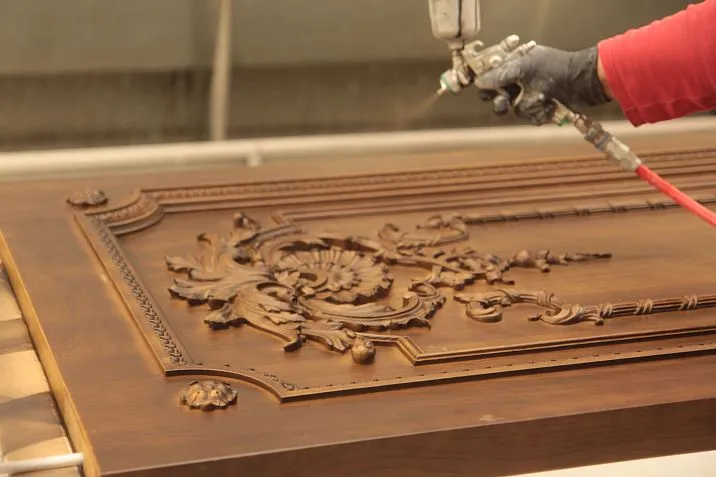
Aerosol application creates an ideally smooth finish without tool marks. Modern spray paints provide professional quality with minimal skill. Control of distance, movement speed, and spray overlap — key factors for successful spraying.
Creating Decorative Effects
Painting furniture opens up limitless possibilities for creating unique decorative effects. Modern techniques allow mimicking various materials, creating complex color transitions, adding texture and depth to the finish.
Gradient technique creates smooth color transitions, adding dynamism and volume to flat surfaces. "Wet-on-wet" technique allows achieving natural transitions, while glazing — creates deep, multi-layered effects. Sponges, rags, and special tools expand gradient painting possibilities.
Stencil techniques allow creating clear geometric patterns, botanical ornaments, and complex compositions. Self-adhesive stencils provide sharp outlines, reusable plastic stencils — cost-effective for large projects. Combining different stencils creates unique design solutions.
Surface texturing adds tactile qualities to the finish. Special rollers, stamps, and household materials allow creating imitations of leather, fabric, stone, and metal. Multi-layer texturing with contrasting colors produces striking artistic effects.
Tools and Equipment for Home Painting
A quality tool is a guarantee of a professional result, even at home. The modern market offers a wide selection of specialized tools designed with the characteristics of various paint types and application techniques in mind.
Brushes differ by bristle material, shape, and size. Natural bristles are ideal for oil-based paints, while synthetic bristles are suited for water-based paints. Flat brushes provide even coverage on large surfaces, while round brushes offer precision for detailed work. High-quality brushes can last years with proper care.
Rollers and their interchangeable covers determine the texture and quality of the finish. Velvet covers create a smooth surface, hair covers produce a subtle texture, and foam covers provide a pronounced relief. Bristle length is selected depending on the roughness of the surface being painted.
Spray equipment opens new possibilities for the home craftsman. Electric spray guns provide even coverage without tool marks. HVLP systems minimize mist formation, save paint, and ensure an eco-friendly process.
Work area organization
Proper organization of the workspace affects not only the quality of work but also the safety of the process. Painting furniture requires adherence to specific conditions regarding lighting, ventilation, and temperature control.
Lighting should be even and sufficiently bright to reveal all surface defects. Natural light is ideal, but when insufficient, powerful LED lamps with neutral color temperature are used. Directional lighting at various angles helps assess the quality of the finish.
Ventilation is critically important when working with solvent-based paints. Forced exhaust removes solvent vapors and ensures comfortable working conditions. When using water-based paints, natural ventilation is sufficient, but air circulation accelerates drying.
Protecting surrounding surfaces prevents accidental paint contamination. Polyethylene film, painter’s paper, and protective covers all help maintain a clean workspace. High-quality painter’s tape ensures clean, sharp edges of the painted area.
Defect Correction and Final Finishing
Even when all technical requirements are met, defects may still appear on the surface, requiring correction. Understanding the causes of problems and methods for their resolution helps achieve an ideal result.
Paint drips occur when applying too thick a layer or insufficiently blending. Fresh drips can be corrected with a brush or roller, while dried drips require local sanding and repainting. Controlling layer thickness prevents this issue.
Uneven coating appears as streaks, spots, or changes in gloss. Causes may vary—from poor surface preparation to incorrect application technique. Correction requires analyzing the cause and taking appropriate measures—from local touch-ups to full repainting.
Dust in the finish is a common issue when working at home. Fine dust particles settle on freshly painted surfaces, creating roughness. Light sanding between coats removes this defect.
Protective Coatings and Their Application
Final protective coatings extend the lifespan of painted furniture and improve its performance. The choice of protective coating depends on the furniture’s purpose, usage conditions, and desired appearance.
Polyurethane varnishes provide maximum protection against mechanical damage, moisture, and chemical exposure. Two-component formulations outperform single-component ones in durability but require precise mixing ratios. Various gloss levels allow selection of the optimal appearance.
Water-based acrylic varnishes combine good protective properties with eco-friendliness and ease of application. These finishes do not yellow over time, dry quickly, and are easy to apply. Suitable for furniture in living areas and children’s rooms.
Waxes create a natural matte finish with pleasant tactile qualities. Natural and synthetic waxes provide protection against moisture, enhance wood texture, and are easy to renew. Wax finishes require regular maintenance but create a unique atmosphere.
Special Techniques for Different Styles
Each interior style imposes specific requirements on furniture treatment. Understanding these characteristics allows creating authentic solutions that harmoniously fit into the overall design concept.
Provençal style requires creating an effect of noble antiquity. Techniques for artificial aging include patination, craquelure, and wear marks in areas of natural wear. Pastel colors, matte finishes, and a slightly careless execution style are characteristic features of Provencal furniture.
Scandinavian minimalism implies clean lines and natural materials. White and light-gray tones, matte finishes, and highlighting wood texture create the characteristic atmosphere of northern coziness. Simplicity of execution is compensated by high demands on quality.
Loft aesthetics welcome industrial motifs and deliberate roughness. Imitation of metal, rust, and chipped paint creates an authentic industrial look. Dark colors, contrasting combinations, and visible signs of processing are elements of loft style.
Vintage Effects and Their Creation
Vintage furniture enjoys enduring popularity due to its character and uniqueness. Modern techniques allow creating convincing imitations of various historical periods.
Craquelure is a technique for creating a network of fine cracks that mimic the natural cracking of old paint. One-step and two-step formulations produce different effects—from delicate web-like patterns to large cracks. Contrast fillers accentuate the craquelure pattern.
Patination creates a darkening effect in recesses and natural wear on raised areas. Various formulations allow imitation of patinas on copper, bronze, and silver. Lustrous finishing techniques ensure a natural and deep effect.
Sanding highlights the wood's texture, creating the impression of long-term use. Mechanical removal of soft fibers followed by staining with contrasting colors reveals the beauty of the wood grain. Different intensities of treatment create effects ranging from light highlighting to deep relief.
Care for Painted Furniture
Proper care extends the lifespan of painted furniture and preserves its original appearance. Different types of finishes require specific approaches to cleaning and maintenance.
Daily care includes removing dust with a soft cloth and wiping with a damp cloth without aggressive cleaning agents. Abrasive materials, solvents, and strong chemicals may damage the finish. Prompt removal of dirt prevents it from penetrating the paint.
Periodic maintenance of wax coatings requires applying a new layer of wax followed by polishing. The frequency of renewal depends on usage intensity — from several times a year to once every few years. Properly maintained wax coating lasts for decades.
Local repair of the coating allows fixing minor damage without full repainting. Scratches, chips, and scuffs can be corrected using touch-up pencils, local sanding, and touch-up paint. Quality paint ensures good repairability.
Damage Prevention
Preventive measures significantly extend the lifespan of painted furniture. Simple usage rules help avoid most problems.
Protection from direct sunlight prevents paint fading. UV filters in varnishes provide additional protection, but do not eliminate the need for sensible furniture placement. Periodic rearrangement prevents uneven fading.
Controlling air humidity is important for wooden furniture. Excessive dryness may cause coating cracking, while high humidity leads to wood swelling and paint peeling. Optimal humidity of 40-60% ensures material stability.
Using protective pads under hot items, coasters under glasses, and cloth under decorative elements prevents localized coating damage. Felt pads on furniture legs protect surfaces from scratches.
The mastery of How to paint furnitureIt comes with practice and experimentation. Each project enriches experience, develops color and style sense, and opens new creative opportunities. Do not be afraid to try different techniques, combine colors, and create your own decorative effects.
Modern materials make the process of painting furniture accessible and safe for home use. Eco-friendly compositions, convenient tools, and detailed manufacturer instructions help achieve professional results without specialized education. The key is patience, care, and willingness to learn from personal experience.
Furniture painted by hand becomes not just an interior item, but a manifestation of creative vision, a source of pride and satisfaction. Each such item is unique, carries the imprint of its creator's personality, and tells the story of transformation and rebirth.
For many years, STAVROS has supported home craftsmen by offering high-quality coatings, professional tools, and expert consultations. A wide range of paints, primers, varnishes, and specialized products allows realizing any creative idea. Technical support from STAVROS specialists helps avoid mistakes and achieve outstanding results in every furniture painting project.