












































































Article Contents:
- Psychology of Interior Space
- Ergonomic Principles in Furniture Selection
- Stylistic Harmony of Interior Design
- Mixing Styles in Modern Interior Design
- Functional Space Planning
- Zoning Space with Furniture
- Quality and Durability of Furniture
- Criteria for Evaluating Furniture Quality
- Budget Planning for a Furniture Project
- Alternative Sources for Furniture
- Trends in Modern Furniture Design
- Technological Innovations in Furniture
- Adapting Furniture to Different Life Stages
- Interior Planning for the Future
- Psychology of Comfort in Interior Design
- Creating the atmosphere of home
The greatest interiors are not born by chance, but as a result of thoughtful selection of each element. Furniture is not just items filling space — it is architectural elements that shape the character of a home, its soul and energy. The question of how to choose furnituregoes far beyond aesthetic preferences — it is a complex task requiring understanding of proportions, functionality, and the psychology of space perception.
The modern approach to choosing furniture differs fundamentally from the principles of the past century. If previously furniture was purchased 'for life,' today it becomes a tool for self-expression, a means of adapting living space to the changing needs of the family. Each piece of furniture must not only look beautiful but also solve specific functional tasks, harmoniously fit into the overall interior concept, and create a sense of comfort and coziness.


Psychology of Interior Space
Space has a powerful effect on a person's mental state. Scientific research convincingly proves: a properly organized environment can increase productivity, improve mood, and reduce stress levels. That is why understanding psychological principles of space perception becomes the foundation for proper furniture selection.
The color palette of furniture affects the emotional state of the home's occupants. Warm wood tones create a sense of security and stability, cool metallic surfaces set a business tone, neutral tones ensure universality and calmness. Professional designers use color theory knowledge to create the desired atmosphere in different areas of the home.
Proportional relationships determine the visual comfort of space. Too bulky furniture in a small room creates a feeling of confinement and pressure, overly delicate items in a spacious room fade away and do not create the necessary coziness. The art of selecting furniture lies in achieving the ideal balance between the size of the items and the volume of the room.
Functional zones must be clearly defined and logically organized. Each zone requires its own approach to furniture selection: the work area needs ergonomic solutions, the relaxation zone — comfortable forms, the dining area — practical materials. Proper zoning of space using furniture allows for the most efficient use of every square meter.




Ergonomic Principles in Furniture Selection
Ergonomics — the science of adapting objects to the physiological characteristics of humans — plays a key role in creating a comfortable living space. Poorly chosen furniture can become a cause of chronic fatigue, spine problems, and reduced productivity.
The height of work surfaces should correspond to the user's height. Standard kitchen countertop height of 85-90 cm suits people of average height, but may be uncomfortable for tall or short users. Modern manufacturers offer height-adjustable systems or produce furniture to individual measurements.
Seat depth affects the comfort of prolonged use of upholstered furniture. The optimal depth is 50-60 cm for average people, but may vary depending on the anthropometric data of the family. Too deep seats do not provide back support, too shallow ones cause discomfort for the legs.
The angles of inclination of chair and stool backs determine the degree of relaxation and support for the spine. Office chairs require a more vertical backrest position (90-105°), while furniture for relaxation may have a larger angle (105-120°). Adjustable mechanisms allow adapting furniture to different types of activities.
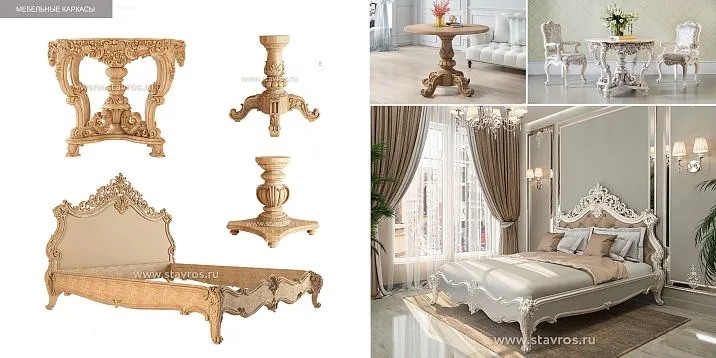
Our factory also produces:


Stylistic Harmony of the Interior
Choosing a stylistic direction is a fundamental decision that determines all subsequent furniture selection. The style should reflect the personality of the owners, match the family's lifestyle, and harmonize with the architectural features of the home. Modern design allows for mixing styles, but such experiments require a professional understanding of composition principles.
The classic style remains timeless due to its elegance and functionality. Furniture in the classic style is characterized by correct proportions, quality materials, and restrained decor. Solid wood, traditional processing techniques, and time-tested forms all create an atmosphere of stability and respectability.
The modern style welcomes clean lines, minimalist forms, and innovative materials. Functionality dominates over decorativeness here; every piece of furniture must have a practical purpose. Metal, glass, and high-tech composite materials allow for the creation of light, airy structures.
The Scandinavian style has gained popularity due to its democratic nature and comfort. Light wood tones, simple forms, and natural materials create a sense of closeness to nature. Functionality is combined here with coziness, minimalism with the warmth of the hearth.
Get Consultation
Mixing Styles in a Modern Interior
Eclecticism — the art of harmoniously combining elements of various styles — requires a subtle understanding of composition principles. Successful style mixing is based on common elements: color palette, materials, proportions, or functional purpose.
Color bridges help unite furniture of various styles into a single composition. The same color accent, repeated in different items, creates a visual connection between heterogeneous elements. A neutral base allows for experimenting with bright accents without the risk of disrupting harmony.
Material harmonies ensure tactile unity of the interior. Solid wood can be present both in classic carved furniture and in modern, laconic forms. Metallic elements link industrial and high-tech solutions. Textile details unite furniture of different origins with a common texture.
Proportional logic requires maintaining certain ratios between items of different styles. Massive antique furniture requires a corresponding scale of modern additions. Delicate Art Nouveau details need a delicate environment capable of highlighting their beauty.
Functional Space Planning
Competent planning begins with a deep analysis of the family's needs, lifestyle, and habits of each member of the household. Furniture should not just fill space but actively participate in organizing daily life, maintaining a comfortable atmosphere, and facilitating the realization of the inhabitants' life plans.
Storage systems play a key role in maintaining order and functionality of living space. The modern philosophy of storage is based on the principle of 'a place for everything.' Built-in wardrobes, modular systems, and multifunctional furniture allow for the most efficient use of every centimeter of space.
Transformable furniture opens new possibilities for adapting space to changing needs. Folding tables for occasional guest receptions, sofa beds for small apartments, modular systems for growing families — all this allows one piece of furniture to perform several functions.
Furniture mobility ensures flexibility in layout solutions. Light chairs, movable cabinets, mobile workstations allow for quick adaptation of space for various activities. Wheels, folding constructions, and modular systems make rearrangement a simple and quick operation.
Zoning Space with Furniture
The open floor plan of modern apartments requires clear zoning to ensure comfort and functionality. Furniture becomes the main tool for dividing space into functional areas while preserving the overall sense of spaciousness and unity.
Shelving partitions provide visual separation of zones while maintaining spatial permeability. Open shelves allow light to penetrate through the entire depth of the room, creating a sense of airiness. Different section heights add dynamism and prevent monotony.
Rugs and podiums create visual zone boundaries at floor level. Different coverings, changes in floor level, and color accents help clearly define the functional purpose of each area. Soft furniture placed on a rug is perceived as a single composition.
Ceiling elements complement zoning at the upper level. Different ceiling heights, decorative beams, and lighting systems help create a sense of separate rooms within a single space. Furniture under such ceiling accents is perceived as belonging to a specific zone.
Furniture Quality and Durability
Investing in quality furniture is justified by years of use, preservation of the original appearance, and the possibility of passing it on to future generations. Understanding the signs of quality helps make informed choices, avoid costly mistakes, and create interiors that will bring joy for many years.
Materials determine the durability and performance characteristics of furniture. Solid natural wood remains the benchmark of quality, but modern technologies offer alternatives that surpass natural materials in some characteristics. High-quality MDF boards with natural veneers, modern plastics, and composite materials expand the palette of possibilities for designers.
Structural solutions affect the reliability and durability of furniture. Dovetail joints, metal reinforcements, and quality hardware ensure structural strength. Modern technologies allow for the creation of knockdown furniture that is not inferior in strength to traditional non-knockdown constructions.
Coatings protect materials from external factors and determine the aesthetic qualities of furniture. Modern varnishes provide resistance to scratches, moisture, UV radiation, and household chemicals. Various degrees of gloss, textural effects, and special properties expand design possibilities.
Criteria for Assessing Furniture Quality
Professional assessment of furniture quality is based on a comprehensive analysis of multiple factors. An experienced buyer pays attention not only to appearance but also to construction details, quality of processing, and the manufacturer's reputation.
Geometric precision is the main indicator of manufacturing quality. Tight-fitting doors, uniform gaps, parallel surfaces, and the absence of warping — all these indicate a high level of production. Quality furniture does not require adjustment after assembly.
The quality of surface finishing determines not only the appearance but also the durability of furniture. Smooth edges without chips, even coating, absence of drips and other painting defects are signs of quality production. Hidden surfaces should also be properly finished.
The functionality of mechanisms is tested through repeated use. Drawers should move smoothly and silently, doors should open and close without effort, and adjustment mechanisms should work precisely and reliably. Quality hardware is designed for thousands of operating cycles.
Budget planning for a furniture project
Creating a beautiful and functional interior does not always require large financial investments. Proper budget planning, understanding priorities, and knowledge of the furniture market allow you to create impressive interiors at reasonable costs. It is important to find a balance between desires and possibilities, between quality and price.
Prioritizing purchases helps to distribute the budget rationally. First priority should be given to items for daily use: bed, office chair, dining table. Decorative elements can be purchased gradually as funds accumulate. This approach allows you to create a functional space from day one and gradually enhance it with stylistic accents.
Phased implementation of the project spreads the financial burden over time and allows adjusting plans as needs change. It is better to start with basic furniture items and gradually add details to the interior. This approach also allows you to better understand the characteristics of the space and adjust initial plans accordingly.
Combining price categories allows you to create an interesting and diverse interior. A few high-quality basic items can be supplemented with more affordable accessories and decorative elements. The key is to maintain a consistent stylistic line and color harmony.
Alternative sources of furniture
The modern furniture market offers numerous alternatives to traditional furniture stores. Knowing these alternatives allows you to significantly save budget or find unique items unavailable in regular retail outlets.
Auctions and consignment shops are sources of quality vintage furniture at affordable prices. Here you can find unique items made using old technologies with high-quality materials. Such furniture often surpasses modern equivalents in durability and has a unique character.
Furniture exhibitions and sample sales offer the opportunity to purchase designer furniture at significant discounts. Exhibition samples may have minor signs of use, but this does not affect their functionality. The end of exhibition seasons is the best time for such purchases.
Online platforms expand the search geography and allow comparing offers from multiple sellers. Direct sales from manufacturers, bypassing intermediaries, can provide significant savings. It is important to carefully study delivery and return conditions when purchasing online.
Trends in modern furniture design
Furniture design constantly evolves, reflecting changes in lifestyle, technological capabilities, and societal ecological awareness. Understanding current trends helps create up-to-date interiors that will not become outdated in the coming years.
Ecological sustainability has become one of the key factors in choosing furniture. Consumers are increasingly paying attention to the origin of materials, production methods, and recyclability. Certified wood, eco-friendly coatings, and renewable materials are becoming important selection criteria.
Multifunctionality responds to the needs of modern urban life. Small apartments require furniture capable of performing multiple functions simultaneously. Transformable tables, beds with storage systems, modular systems allow you to maximize the use of limited space.
Personalization is becoming increasingly accessible due to advancements in manufacturing technology. Custom-made furniture is no longer a privilege of wealthy clients but is becoming accessible to a broader range of consumers. Individual sizes, colors, and configurations allow you to create unique interiors.
Technological innovations in furniture
Integrating technology into furniture opens new possibilities for enhancing comfort and functionality of living space. Smart furniture can adapt to user needs, save energy, and provide additional services.
Wireless charging built into countertops and side tables eliminates the need to search for outlets to charge mobile devices. USB ports integrated into furniture make device connections more convenient and aesthetically pleasing. Concealed wiring supports clean design lines.
Lighting systems integrated into furniture create a comfortable atmosphere and enhance functionality. Under-cabinet lighting, decorative lighting for shelves, automatic lighting systems in closets — all of these make furniture use more comfortable.
Climate control systems in furniture help maintain optimal conditions for storing various items. Wine cabinets with temperature and humidity control, humidifiers for musical instruments, ventilation systems in clothing closets — these technologies make furniture more specialized.
Adaptation of furniture to different life stages
A person's life passes through various stages, each of which imposes its own requirements on the organization of living space. A thoughtful approach to furniture selection takes into account these changes, allowing you to adapt the interior to changing family needs without a complete overhaul of the entire decor.
Young families require flexible solutions capable of adapting to rapidly changing circumstances. Modular furniture, transformable structures, multifunctional items allow you to create a comfortable space within a limited budget. The ability to add or modify configurations as the family's financial situation grows and needs change is important.
Families with children require special attention to the safety and functionality of furniture. Rounded corners, safe materials, and ease of maintenance become priority factors. Children's furniture should "grow" alongside the child, adapting to the changing needs of a developing personality.
Established families can afford investments in quality furniture designed for long-term use. Classic forms, natural materials, time-tested solutions create an atmosphere of stability and respectability. Ease of maintenance and the ability to preserve the original appearance are important.
Planning the interior for the future
A forward-thinking approach to interior planning allows you to create a space capable of adapting to future changes. Basic furniture should be sufficiently neutral to allow for various stylistic additions and decorative changes.
An investment approach to selecting basic furniture items is justified by their long-term use. Quality sofas, dining tables, storage systems can serve for decades, requiring only occasional updates to upholstery or hardware. Saving money on basic items often leads to the need for frequent replacements.
Modularity and scalability of systems allow you to gradually add new elements to the interior. Shelving systems, modular sofas, assembled cabinetry provide the opportunity to adapt to changing needs without replacing the entire set.
Temporary accents can be created using easily replaceable elements: textiles, decorative items, lighting. This allows you to follow fashion trends without significant financial costs, maintain the interior's relevance, and adapt it to seasonal changes in mood.
Comfort psychology in interior design
Furniture selection is impossible without understanding the psychological aspects of space perception. Each piece of furniture affects the subconscious, forms mood, influences behavior and well-being of the inhabitants. A scientific approach to interior design takes into account these factors, creating spaces conducive to physical and psychological well-being.
Ergonomics of comfort goes beyond physical parameters, including psychological aspects of interaction with furniture. Intuitive mechanisms, pleasant-to-touch materials, and proper proportions create a sense of harmony between the person and the surrounding environment.
Biophilic design uses natural forms, materials, and colors to create a connection with nature within the interior. Furniture with organic shapes, natural materials, and earthy tones help reduce stress, improve concentration, and enhance overall well-being.
Transforming living space into a true home requires attention to the emotional aspects of interior perception. Furniture plays a key role in creating that elusive atmosphere which makes a place special, personal, and familiar.
Creating a Home Atmosphere
Memory and nostalgia are reflected in the choice of furniture with history. Vintage items, family heirlooms, furniture with distinctive signs of time create a sense of continuity and connection to the past. Such items become focal points around which the rest of the decor is formed.
Personal accents make the interior unique and recognizable. Collections, hobbies, professional interests are reflected in the choice of specialized furniture: bookshelves, display cases, creative worktables. Such furniture is not only functional but also tells the story of its owners.
The sensory qualities of furniture affect tactile sensations and overall comfort of the space. The smoothness of polished wood, the softness of upholstery fabrics, the pleasant coolness of metallic surfaces — all of this creates a rich palette of tactile impressions, making the interior more lively and interesting.
The art of selecting furniture for the home requires a combination of rational analysis and intuitive sense of beauty. Each decision should be justified in terms of functionality, yet also meet the emotional needs of the home’s inhabitants. Modern market opportunities allow for the realization of the most daring design concepts at any budget.
The skill of selecting furniture develops with experience, but basic principles remain unchanged: understanding needs, sense of proportion, knowledge of materials, respect for quality. These principles help create interiors that not only look beautiful but also provide genuine comfort for all family members for many years.
STAVROS company has been helping create ideal interiors for many years, offering a wide range of quality furniture and professional consultations on its selection. Deep understanding of client needs, continuous monitoring of global design trends, collaboration with leading manufacturers make STAVROS a reliable partner in creating a dream home for every family.
How to choose furniture: strategies for creating an ideal space | STAVROS Company





