Article Contents:
- Diagnosis of condition: the first step toward revival
- Determining the Type of Finish
- Analysis of materials and finishes
- Renovation master's toolkit
- Main arsenal for work
- Specialized materials
- Surface preparation techniques
- Removing old finishes
- Sanding and leveling
- Creative decoration techniques
- Patina and Aging
- Multi-layer painting techniques
- Working with hardware and decorative elements
- Updating metallic details
- Replacing and adding decor
- Stylistic directions for renovation
- Scandinavian minimalism
- Provence and shabby chic
- Loft and Industrial Style
- Specialized techniques for different types of furniture
- Refreshing solid furniture
- Restoring upholstered furniture
- Transforming tables and chairs
- Working with Various Materials
- Refreshing furniture made of particleboard and MDF
- Plastic and laminated surfaces
- Ecological aspects of renovation
- Safe materials and technologies
- Waste disposal from restoration
- Final Finishing and Protection
- Choosing protective coatings
- Finishing coating application techniques
- Creative approaches and proprietary techniques
- Decoupage and painting
- Texturing and 3D effects
- Problems and their solutions
- Typical errors during updating
- Defect correction
- Economic aspects of updating
- Cost of materials and tools
- Comparison with Buying New Furniture
- Planning and organizing the process
- Work area preparation
- Planning stages of work
- Inspiration and sources of ideas
- Modern trends in furniture updating
- Creating your own style
Stand before your grandmother's chest and don't know whether to throw it out or give it a new life? This worn-out table holds so many memories, but looks hopelessly outdated? Knowing that, how to update old furniturecan become real magic, transforming dull items into stylish interior accents.
Imagine: your hands touch the rough surface of an old cabinet, and instead of peeling paint, you see the potential to create a unique masterpiece. Every scratch, every wear tells a story that can be preserved, not erased, turning flaws into distinctive features of original design.


Diagnosis of condition: the first step towards revival




Assessment of Structural Integrity
Before starting decorative updating, it is necessary to honestly assess the technical condition of the furniture. Check all joints — loose joints require reinforcement or complete disassembly. Quality old solid wood furniture often has a sturdy base that will serve for decades after proper restoration.
Pay special attention to load-bearing structural elements. Legs of tables and chairs, side panels of cabinets, support beams — these details must be absolutely reliable. Minor cracks in wood can be filled with special compounds, but serious damage may require replacing individual elements.
Our factory also produces:


Analysis of materials and finishes
Determining the type of wood and existing finish is critically important for selecting the updating technology. Furniture made from valuable wood species deserves a delicate approach that preserves the natural texture. Simple pine furniture allows for more radical experiments with color and texture.
Lacquered surfaces require complete removal of the old finish before applying a new one. Wax-finished furniture is easier to update — wax can be removed with a solvent or simply sanded off. Restoration of solid wood furniture requires understanding the characteristics of each wood species.
Get Consultation
Tools of the updater
Main toolkit for work
Quality furniture updating is impossible without proper tools. A belt sander with a set of abrasive discs of different grits will be your main assistant in preparing surfaces. For hard-to-reach areas, you will need handheld sanders and sandpaper.
Brushes of different sizes — from fine art brushes to wide flat brushes — will allow working on any surfaces and creating various effects. Rollers with different nap textures are suitable for large flat surfaces and creating textured finishes.
Specialized materials
Modern chemical industry offers an amazing selection of materials for furniture updating. Wood primers ensure reliable adhesion of paint to the surface and prevent penetration of resins and tannins. Special aging compounds create a multi-year patina effect in just a few hours.
Chalk paints have become a real trend in furniture restoration. They create a matte velvety surface, are easy to apply, dry quickly, and allow creating numerous decorative effects. Modern furniture updating technologies include innovative materials that simplify work and improve results.
Surface Preparation Techniques
Removal of Old Coatings
Stripping old paint or varnish is a labor-intensive but critically important process for achieving a high-quality result. Chemical strippers effectively soften multi-layered coatings, allowing them to be removed with a putty knife. When working with chemicals, always follow safety precautions — work in a well-ventilated area, use protective gloves and a respirator.
The thermal method using a construction heat gun is suitable for thick paint layers. Heated coatings easily detach from wood, but require caution — overheating may char the wood or cause fire.
Sanding and Smoothing
Mechanical sanding is the most universal method for surface preparation. Start with coarse sandpaper (P80-P120) to remove major imperfections, gradually moving to finer grit (P180-P240) for final finishing.
Pay special attention to the direction of sanding — always work along the grain of the wood. Cross-grain scratches will be visible through any finish and spoil the final result. Regularly clean the surface of dust with a vacuum or a lint-free cloth.
Creative decoration techniques
Patina and aging
Artificial aging allows you to give refurbished furniture the noble appearance of antique pieces. The 'dry brush' technique creates an effect of natural wear — apply dark paint to protruding parts of the furniture with a semi-dry brush, mimicking areas naturally darkened over time.
Decorating Old Furniture Decorating old furniture Requires artistic intuition and understanding of stylistic features.
Multi-Layer Painting Techniques
Complex color effects are achieved by layering paints of different shades. A base dark layer is covered with a light paint, which is then partially removed in areas of natural wear. This technique creates depth of color and realistic aging effects.
Gradient transitions between colors require working while the coating is still wet. While the paint is not yet dry, softly blend the edges with a soft brush or sponge to create smooth tonal transitions.
Working with Hardware and Decorative Elements
Updating Metal Details
Handles, hinges, locks, and other metal components often define the furniture's style. Old brass hardware can be cleaned and polished to a mirror finish, or, conversely, artificially patinated to create a vintage effect.
Modern aerosol paints for metal allow you to completely change the color of hardware. Matte black, aged copper, antique silver — the options are vast. Pre-cleaning metal from rust and dirt is essential for the longevity of the coating.
Replacing and Adding Decor
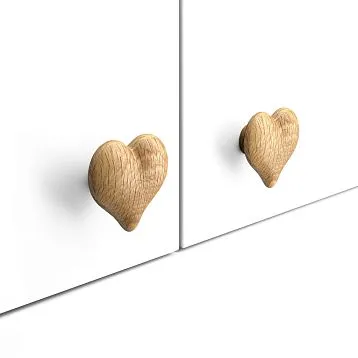
Sometimes a radical change in appearance is achieved simply by replacing hardware. Modern furniture handles offer endless variety in shape, material, and style. Furniture Hardware and Accessories Play a key role in forming the final look of refurbished furniture.
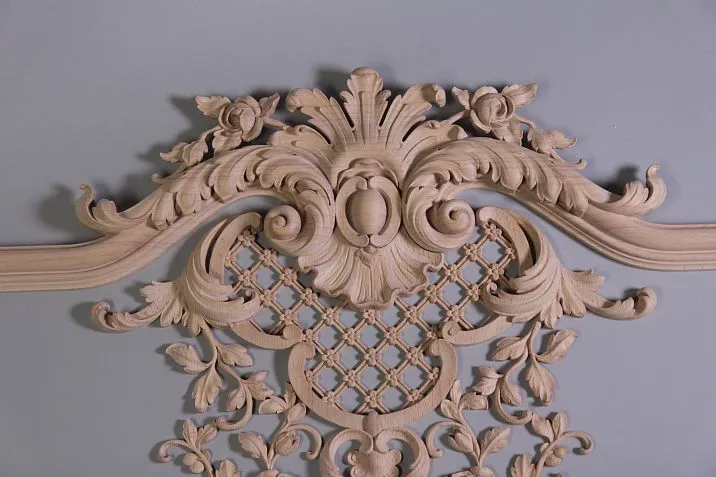
Adding decorative elements — appliqués, moldings, carved details — can completely transform simple furniture. Modern polyurethane decor is easy to work with, paints well, and creates the impression of expensive carved furniture.
Stylistic Directions for Refurbishment
Scandinavian minimalism
Scandinavian style in furniture refurbishment is characterized by the use of light, natural colors and simple, functional forms. White or light-gray matte paint, preserving the natural wood texture, minimal decorative elements — these are the main principles of this direction.
Special attention is paid to surface quality — it must be perfectly smooth, with no visible defects. Hardware is chosen to be simple, functional, often hidden-mounted.
Provence and Shabby Chic
Romantic styles like Provence and shabby chic involve using pastel shades, artificial aging, and an abundance of decorative details. Characteristic colors — lavender, mint, powder pink, cream.
Layered painting followed by aging creates an effect of multiple repaints, typical of old French furniture. Floral motifs in decoupage or painting enhance the romantic look.
Loft and industrial style
Industrial aesthetics require the use of dark, saturated colors and rough textures. Imitating rust, patina, and unprocessed metal creates a rugged, masculine character for furniture.
The combination of wood with metallic elements is a characteristic feature of the loft style. Steel brackets, rivets, and rough hardware emphasize an industrial theme.
Specialized techniques for different types of furniture
Updating solid furniture
Cabinets, chests, and sideboards require a special approach due to their large flat surfaces. Evenly coating such areas with a roller requires skill and patience. Divide large surfaces into sectors, work on each separately but without breaks to maintain the integrity of the finish.
Technology for updating solid furniture Includes special techniques for working with internal surfaces. Shelves and internal walls can be painted in contrasting colors, creating an interesting visual effect when opening doors.
Restoration of upholstered furniture
Sofas, chairs, and stools with soft elements require a comprehensive approach. The wooden frame is updated using standard technology, while the upholstery may be completely replaced or refreshed.
Reupholstering furniture is a complex process requiring specialized skills. However, simply updating covers or adding decorative cushions can dramatically change the appearance of upholstered furniture without significant expense.
Transforming tables and chairs
Dining tables and chairs are subjected to intensive use, so the renewed finish must be especially durable. Two-component polyurethane varnishes provide maximum wear resistance for tabletops.
Interesting effects are achieved by combining materials — a wooden tabletop with metal legs, fabric seats with wooden backs. Creating unique furniture Often based on unexpected combinations of materials and textures.
Working with Various Materials
Updating furniture made of particleboard and MDF
Furniture made of particleboard requires a special approach. The porous structure of particleboard actively absorbs paint, so special primer-isolators must be used. The edges of particleboard are especially problematic — they must be carefully sealed and sanded.
MDF is more homogeneous and easier to paint. Its smooth surface allows for perfectly even finishes. MDF facades with their complex profiles require careful brushwork in recesses.
Plastic and laminated surfaces
Modern furniture often has plastic or laminated surfaces that are difficult to paint with traditional methods. Special adhesive primers solve the problem of paint adhesion to smooth surfaces.
An alternative to painting is covering with decorative films. Modern self-adhesive films imitate wood, stone, and fabric, allowing you to completely change the appearance of furniture without complex surface preparation.
Ecological aspects of updating
Safe materials and technologies
Updating old furniture must consider ecological requirements, especially for children's or bedroom furniture. Water-based paints and varnishes are virtually odorless and do not emit harmful substances after drying.
Natural materials — beeswax, linseed oil, milk paints — create completely safe finishes. They require special application techniques, but the result justifies the effort.
Waste disposal from restoration
A responsible approach to furniture updating includes proper disposal of waste. Old paints and solvents cannot be poured into drains — they must be taken to special collection points. Sawdust and shavings from sanding can be used as mulch for plants.
Final finishing and protection
Selection of protective coatings
The finish determines not only the appearance but also the longevity of the updated furniture. Matte varnishes hide minor surface defects but are less resistant to dirt. Glossy finishes are more practical but require perfect surface preparation.
Wax finishes create a pleasant-to-touch surface with a natural sheen. They are easy to renew but require regular maintenance. Oil finishes highlight the wood grain but dry slowly and have a distinctive odor.
Techniques for applying finish coatings
The quality of the finish largely depends on the application technique. Varnishes are better applied in thin layers with intermediate sanding using fine-grit sandpaper. This ensures a perfectly smooth surface without runs or pooling.
Brushes for finishing work must be of high quality with natural bristles. Synthetic brushes may leave marks in slowly drying finishes. Professional furniture finishing requires knowledge of the characteristics of each type of finish.
Creative techniques and original methods
Decoupage and painting
Decoupage — a decoration technique using cut-out images — allows creating unique works of art. Decoupage papers, special cards, printer prints — there are many materials for creativity.
Wood painting requires artistic skills, but even simple geometric ornaments can transform dull furniture. Stencils simplify creating complex patterns and ensure neat execution.
Texturing and 3D effects
Creating relief surfaces can be achieved in various ways. Structural pastes allow mimicking wood grain, stone, fabric. Applying through stencils creates repeating relief patterns.
Simple household tools — sponges, plastic sheets, combs — can create interesting textures in still-wet paint. Experimenting with different tools often leads to unexpected and striking results.
Problems and their solutions
Typical mistakes during refurbishment
Haste is the main enemy of quality furniture refurbishment. Insufficient surface preparation, applying the next layer on an incompletely dried previous one, ignoring temperature and humidity conditions — all this leads to defects.
Incorrect material selection can also ruin the result. Alkyd paint over acrylic primer, water-based varnish over oil paint — such combinations inevitably lead to peeling.
Defect correction
Runs, sags, uneven coverage — defects that can be corrected. Dried runs are trimmed with a sharp knife and sanded. Unevenness is corrected with an additional layer applied more carefully.
Serious defects may require complete removal of the finish and repeating the process. It is painful, but better to redo the work than to accept a poor result.
Economic aspects of refurbishment
Cost of materials and tools
Refurbishing old furniture can be both a budget hobby and a serious investment. A basic set of materials — primer, paint, brushes, sandpaper — will cost several thousand rubles. Professional materials and tools are significantly more expensive, but they provide better results.
Savings are achieved by purchasing materials in bulk and using universal compositions. A quality brush that lasts for years is more economical than a set of cheap disposable tools.
Comparison with buying new furniture
Refurbishing old furniture yourself Often costs 10-20% of the price of new furniture of similar quality. In this case, you get a unique item that perfectly matches your needs and tastes.
Old solid wood furniture, after proper refurbishment, can surpass new furniture made from modern materials in quality and durability. This makes restoration not only a creative process, but also a rational economic strategy.
Planning and organizing the process
Workplace Preparation
Quality furniture refurbishment requires an appropriate workspace. A well-ventilated room with sufficient lighting, a flat floor, and the ability to maintain optimal temperature — these are the main requirements for a workshop.
Protecting surrounding surfaces from paint and dust is mandatory. Plastic sheeting, newspapers, cardboard — all will be useful for creating a clean work area. Good ventilation not only ensures comfortable work but is also necessary for proper drying of finishes.
Planning the stages of work
Complex refurbishment projects require detailed planning. Make a list of all operations, determine their sequence, calculate the time for each stage. Consider drying times — this often determines the overall project duration.
Plan for a few extra days in case of unforeseen circumstances. Discovery of hidden defects, need for additional preparation, unfavorable weather conditions — factors that may extend the project.
Inspiration and sources of ideas
Modern trends in furniture renovation
Interior design constantly evolves, offering new ideas for updating furniture. Social networks, design blogs, specialized magazines — sources of endless inspiration.
Ombre effects, geometric patterns, imitation of various materials — modern trends easily adapt to home projects. Modern trends in furniture design can become a starting point for your creativity.
Creating your own style
The best furniture renovation projects arise from personal preferences and needs. Do not be afraid to experiment, combine the incompatible, and create your own techniques. Your home should reflect your individuality, and updated furniture should be part of it.
Keep a photo journal of your projects, record successful material and technique combinations. This will help develop your own style and avoid repeating mistakes in future projects.
The art of how to update old furnitureRenovating furniture is not only about technical skills, but also about the ability to see potential in seemingly hopeless items. Every piece of furniture has its own history, its own character, which can be enhanced and developed rather than destroyed.
Updating furniture is a meditative process that allows you to detach from daily hustle and focus on creating beauty with your own hands. The result of this creativity will delight you for many years, reminding you of the hours spent in constructive labor.
Do not be afraid to start with simple projects — side tables, stools, photo frames. Gradually accumulating experience and confidence, you will be able to tackle more complex tasks. The most important thing is to remember that any mistake can be corrected, and any experiment can lead to amazing discoveries.
For many years, STAVROS has created furniture that becomes family heirlooms, passed down from generation to generation. The quality of STAVROS products is such that even after decades, they require only cosmetic updates, preserving their functionality and beauty. This is a wonderful example of how quality furniture can serve as a foundation for endless creativity and renovation, adapting to changing tastes and needs of owners.