Article Contents:
- The Art of Seeing Potential in Forgotten Things
- Diagnosing the Potential of Old Furniture
- Planning the Update Concept
- Preparation Stage: Foundation for a Successful Result
- Creating the Right Working Environment
- Equipping the Master’s Toolkit
- Surface preparation techniques
- Cleaning and Degreasing
- Removing old finishes
- Repairing Defects and Irregularities
- Color Solutions and Painting Techniques
- Choosing a Color Palette
- Priming — Foundation for Quality Finish
- Decoupage and Artistic Painting: Creative Self-Expression
- Decorative Effects and Styling
- Techniques of artificial aging
- Surface Texturing
- Stencil Decoration
- Working with hardware and decorative elements
- Updating metallic details
- Replacing and adding decor
- Special Techniques for Different Materials
- Working with Laminate Surfaces
- Updating Soft Elements
- Final Finishing and Protection
- Choosing protective coatings
- Finishing coating application techniques
- Inspiring Ideas for Transformation
- Transforming into Stylish Accents
- Functional Improvements
- Creating Collections
- Ecological Aspects and Safety
- Choosing Eco-Friendly Materials
- Rules for Safe Work
- Economic Benefits of DIY Furniture Updates
- Cost Comparison
- Added value
Standing before an old cabinet and wondering — throw it out or give it a second life? Looking at a worn dresser with chipped paint and not knowing where to start its transformation? It’s time to reveal the secret: knowing that how to update furniture yourselfturns any person into a true interior magician, capable of radically changing the atmosphere of the home with minimal expenses.
Imagine a Saturday morning. You’re in old clothes, holding a brush, standing before a future masterpiece. The air is filled with the scent of fresh paint, tools are spread out on the floor, and dozens of ideas swirl in your head about what the final result will be. It’s precisely in these moments that you realize: updating furniture is not just repair, but an exciting journey from idea to realization.


The Art of Seeing Potential in Forgotten Things




Diagnosing the Potential of Old Furniture
Every piece of furniture is like a raw diamond — its true beauty is hidden beneath layers of time, dust, and outdated design. The first step toward successful updating is learning to see not what is, but what could be. A Soviet wall cabinet can become a stylish bookshelf, and a grandmother’s nightstand can become an elegant bedside console.
Inspect the construction carefully: are the joints strong, are there any serious damages, do the dimensions meet your needs. Furniture of previous decades often surpasses modern equivalents in material strength and assembly reliability. Restoration of wooden elements may be required to restore structural integrity, but the result will justify the effort.
Our factory also produces:


Planning the concept of updating
Successful updating begins with a clear vision of the final result. Create a mental image of how the furniture will look after the transformation: what color, what style, with what decorative elements. This image will be your guide throughout the entire process.
Consider the overall interior style. The furniture should harmoniously fit into the existing space or become an accent element that sets a new mood in the room. Modern ideas for decorating furniture offer many interesting solutions for any interior style.
Get Consultation
Preparation stage: the foundation of a successful result
Creating the right working environment
Quality furniture updating requires appropriate conditions. The ideal workspace is a well-ventilated room with sufficient lighting, protected from dust and precipitation. If working in an apartment, be sure to protect surrounding surfaces with plastic sheeting or newspapers.
Temperature regime is critically important for many materials. Paints and varnishes do not adhere well at low temperatures and high humidity. Optimal conditions: temperature 18-25°C, humidity 50-60%. Good ventilation not only ensures comfortable work but also promotes proper drying of coatings.
Tool kit for the craftsman
The right tools are half the success in any endeavor. For furniture updating, you will need brushes of various sizes: wide flats for large surfaces, medium brushes for main work, fine artist brushes for detailing. High-quality brushes with natural bristles give the best results when working with solvent-based paints.
Rollers with different nap lengths are suitable for creating various textures. Foam rollers provide a smooth finish, while fur rollers create a light texture. Modern microfiber rollers ensure perfectly even application without streaks or smears.
Sanding materials are the foundation of quality surface preparation. Coarse sandpaper (P80-P120) for initial processing, medium (P150-P180) for leveling, fine (P240-P320) for final preparation. Sanding pads are convenient for processing profiled surfaces and hard-to-reach areas.
Surface Preparation Techniques
Cleaning and degreasing
Thorough cleaning is the foundation of a long-lasting finish. Remove all dust, dirt, and grease stains from the furniture surface. For degreasing, use specialized compounds or diluted ammonia spirit. Old wax coatings are removed with special strippers or solvents.
Pay special attention to hidden dirt in grooves, carvings, and joint areas. Use a toothbrush or a stiff-bristled brush to clean hard-to-reach areas. Proper cleaning at this stage will prevent adhesion problems in the future.
Removal of Old Coatings
Chemical strippers effectively soften old paint and varnish, allowing easy removal with a putty knife. Work in protective gloves and ensure good ventilation — many strippers contain aggressive components. Apply the compound in a thick layer, let it act according to instructions, then carefully remove the softened coating.
Mechanical sanding is a more labor-intensive but safer method. Start with coarse sandpaper, gradually moving to finer grits. Always sand along the grain of the wood — cross-grain scratches will be visible through any finish. Professional surface preparation requires patience but guarantees an excellent result.
Removing defects and imperfections
Small cracks, chips, dents must be repaired before applying a finish. Automotive putty is ideal for filling minor defects — it dries quickly, sands well, and has high adhesion. For deep damage, use two-component epoxy-based compounds.
Dents in wood can often be fixed without putty. Place a damp cloth over the damaged area and iron it with a hot iron — steam will cause compressed wood fibers to return to their original shape. This method works only with fresh damage and softwood species.
Color solutions and painting techniques
Choosing a color palette
Color dramatically changes the perception of furniture and the entire interior. Light shades visually enlarge objects, while dark shades convey solidity and elegance. Bright accent colors transform ordinary furniture into art objects, while neutral tones ensure design versatility and longevity.
Modern trends in furniture painting offer bold solutions: gradient transitions, contrasting combinations, metallic effects. Creative decorating techniques allow creating unique effects that turn simple furniture into designer masterpieces.
Priming is the foundation of quality coating
Never neglect priming — it is an investment in the longevity of the result. Primer ensures better paint adhesion, equalizes the surface's absorbency, prevents resin and tannin bleed from wood. Different materials require different types of primers.
For wood, use penetrating alkyd or acrylic primers. Metal elements require anti-corrosion compounds. Plastic surfaces are primed with special adhesion agents. Quality primer is a guarantee that your work will last for years.
Paint Application Techniques
Brush application provides the most controllable result and is suitable for any surface. Use long, smooth strokes, slightly overlapping each stroke. Final strokes should follow the wood grain or be applied in one direction on smooth surfaces.
Roller application speeds up work on large flat surfaces. Evenly distribute paint on the roller in a special tray, apply to the surface using zigzag motions, then smooth with parallel passes. Do not press the roller too hard — this may cause bubbles.
Spraying with an airless sprayer provides perfectly even coverage without tool marks. This method requires a certain skill and protection of surrounding surfaces, but the result exceeds all expectations. Modern electric sprayers make this technique accessible for home use.
Decorative effects and styling
Techniques of artificial aging
Patinaing is a classic method to give furniture a noble vintage look. Apply a base layer of light paint, let it dry, then apply dark paint with a dry brush only to raised parts — corners, edges, carved elements. This treatment mimics natural darkening from age and use.
Crackle effect creates the appearance of aged, cracked paint. Special crackle lacquers are applied between layers of different colors. As the lacquer dries, it shrinks, forming controlled cracks through which the lower layer is visible. The size and direction of cracks depend on the thickness of application and drying conditions.
Surface Texturing
Creating textured surfaces opens up endless creative possibilities. Structural pastes allow you to imitate various materials — from rough stone to delicate fabric. Apply paste with a putty knife to create the desired relief, then paint in desired colors.
Simple household tools help create interesting textures. Sponge, crumpled plastic film, comb, brush — each tool leaves a distinctive imprint on wet paint. Experiment with different techniques, combine methods to achieve unique effects.
Stencil decoration
Stencils are a simple way to add elegance and individuality to furniture. Ready-made stencils offer many ornament options, but creating your own design provides unlimited possibilities. Cut stencils from thick cardboard or special film with a sharp knife.
Application technique is critical for clear design. The stencil must fit tightly to the surface. Apply paint with a dry brush or sponge using light strokes from the edges toward the center. Avoid excess paint — it may seep under the stencil and blur lines.
Working with Hardware and Decorative Elements
Updating Metal Details
Handles, hinges, locks, and other metal elements often define the overall impression of furniture. Old brass hardware can be polished to a mirror finish using special pastes. If metal has dulled or developed patina, decide whether to preserve this effect as a stylistic element or restore the original appearance.
Painting metal hardware fundamentally changes the character of furniture. Modern metal paints offer a vast range of colors and effects — from matte black to metallic with various shades. Clean the surface of rust and degrease for better adhesion.
Replacing and Adding Decor
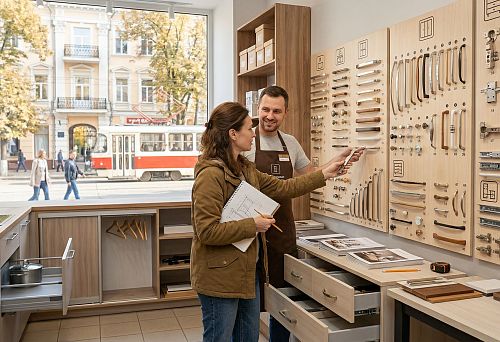
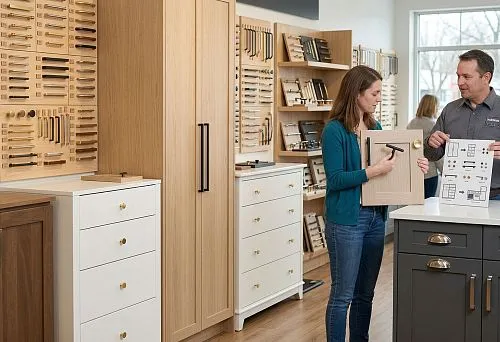
Sometimes a radical change in appearance is achieved simply by replacing hardware. Modern furniture handles impress with variety in shape, materials, and styles. Choosing quality furniture hardware affects not only the appearance but also the functionality of the updated furniture.
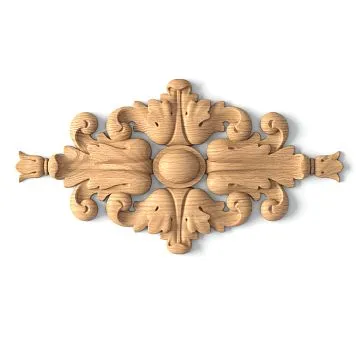
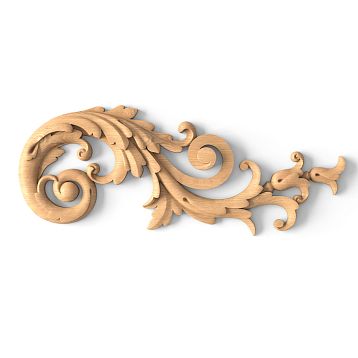
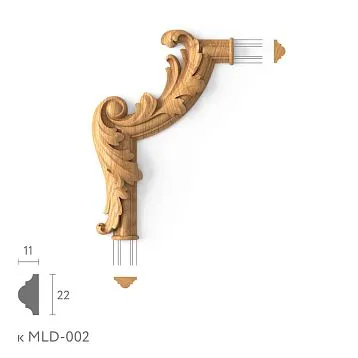
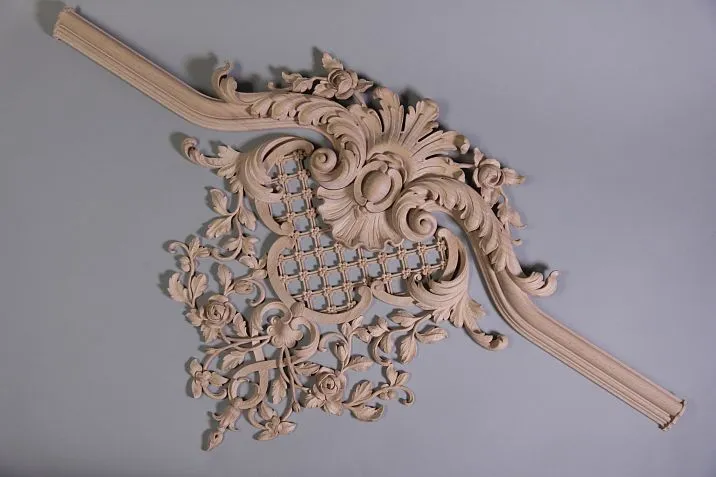
Adding new decorative elements can completely transform simple furniture. Molding, appliqués, and polyurethane carved details easily attach with glue and create the impression of expensive carved furniture. After installation, they are painted together with the main surface, creating a unified whole.
Special techniques for different materials
Working with laminated surfaces
Laminate is a difficult material to paint due to its smooth surface with low adhesion. Always use special adhesion primers that create an intermediate layer for reliable paint bonding. Light sanding with fine-grit sandpaper also improves adhesion.
Alternative to painting — applying decorative films. Modern self-adhesive films imitate wood, stone, fabric, metal. Quality films last for years, are easy to clean, and can be removed without residue if needed. Modern materials for decorating offer many options for updating.
Updating soft elements
Chairs, armchairs, sofas with soft elements require a comprehensive approach. The wooden frame is updated using standard techniques, while upholstery may be replaced or refreshed. If the upholstery fabric is in good condition but faded, try special textile paints.
Reupholstering furniture is a complex process requiring special skills. However, simple updates to covers or adding decorative cushions can radically change the appearance without significant structural intervention.
Final finishing and protection
Selection of protective coatings
Finishing with lacquer is the final stage, determining the durability and appearance of updated furniture. Water-based acrylic lacquers are eco-friendly, odorless, and dry quickly. Polyurethane lacquers are more durable and suitable for heavily used furniture.
Matte finishes hide minor surface defects and create a modern look. Glossy finishes are more practical, easy to clean, but require perfect surface preparation. Semi-gloss options combine the advantages of both categories.
Techniques for applying finish coatings
Lacquering requires special care and proper technique. Use high-quality brushes with natural bristles or special lacquer rollers. Apply thin layers with intermediate sanding using fine-grit sandpaper — this ensures a perfectly smooth surface.
Spraying lacquer with an airless sprayer gives a professional result, but requires experience and special equipment. At home, you can use aerosol lacquers — they are convenient to apply and provide good coating quality.
Inspiring ideas for transformation
Transforming into stylish accents
An old chest can become a striking accent in the living room if painted in a vibrant color and complemented with modern handles. A simple shelf becomes an elegant console with decorative legs and refined detailing. Original solutions for interior refresh help create unique items.
Functional improvements
Renovation is an excellent opportunity to improve furniture functionality. Add extra shelves, replace standard drawers with soft-close systems, install internal lighting. Such improvements make old furniture more convenient than modern equivalents.
Creating collections
Several items executed in a unified style create a harmonious ensemble. Paint scattered furniture in matching colors, use the same hardware, repeat decorative elements. This approach creates the impression of a cohesive designer collection.
Ecological aspects and safety
Choosing eco-friendly materials
Modern requirements for ecological safety make it timely to choose materials with low volatile organic compound content. Water-based paints and lacquers emit virtually no harmful substances, are safe for health, and are suitable for children's furniture.
Natural finishes — wax, oil, shellac — create ecologically clean surfaces that highlight the natural beauty of wood. They require special application techniques, but the result justifies the effort.
Rules for safe work
Working with chemical materials requires adherence to safety measures. Use respirators when sanding and painting, protective gloves when handling solvents, ensure good room ventilation. Store materials out of reach of children.
Fire safety is especially important when working with flammable materials. Oil-soaked rags can spontaneously ignite — dispose of them immediately after use. Keep a fire extinguisher nearby, do not smoke or use open flames in the work area.
Economic advantages of DIY furniture renovation
Cost comparison
Furniture renovation by yourself costs several times less than buying new items. Material costs typically amount to 10-20% of the price of new furniture of similar quality. In addition, you receive unique items that precisely match your needs.
Investments in quality tools pay off already on the second or third project. Good brushes, rollers, and measuring tools last for years, enabling you to tackle increasingly complex tasks. Accumulated experience and tools open opportunities for additional income.
Added value
Well-renovated furniture often surpasses new furniture in cost. Old solid wood pieces, after proper restoration, can cost more than modern furniture made from composite materials. Unique design and craftsmanship are valued in the antique and designer markets.
Skill renovating furniture yourself is not just saving money — it is a creative process that brings deep satisfaction. Each completed project adds confidence in your abilities, expands the horizons of what is possible, and turns your home into a gallery of your own creations.
In a world of mass production and identical interiors, furniture renovated by your own hands becomes a means of self-expression, a demonstration of individual taste and creative abilities. It is an investment not only in the beauty of your home, but also in personal growth, development of practical skills, and gaining confidence in your capabilities.
The process of renovating furniture teaches patience, attention to detail, planning, and sequential action. These qualities are useful not only in creativity but also in other areas of life. The result of your work will delight you for many years, reminding you of the hours spent in productive labor.
For many years, STAVROS has created furniture that becomes the foundation for endless creativity. STAVROS products are made from high-quality materials using traditional techniques, making them ideal for renovation and styling. Robust construction and thoughtful design allow experimentation with finishes without risking damage to the base, while the high quality of the original item guarantees excellent results for any creative experiment.