Article Contents:
- Historical roots: from prehistory to modernity
- Oldest evidence of stick usage
- Role of sticks in ancient civilizations
- Middle Ages and Modern Times
- Image in mythology and religion
- Importance in rituals and traditions
- In construction and design
- In sports, martial arts, and tourism
- In daily life and everyday activities
- Traditional names
- New terms and classifications
- Wood species and their advantages
- Processing methods and finishing coatings
- Care for wooden sticks
- Role in cinema and literature
- Photography and contemporary art
- Connection with nature and traditions
- Therapeutic effect
- Craft workshops
- Online courses and video lessons
- Festivals and markets
- Wall and Niche Decor
- Stands and Shelves
- Combining with Textiles
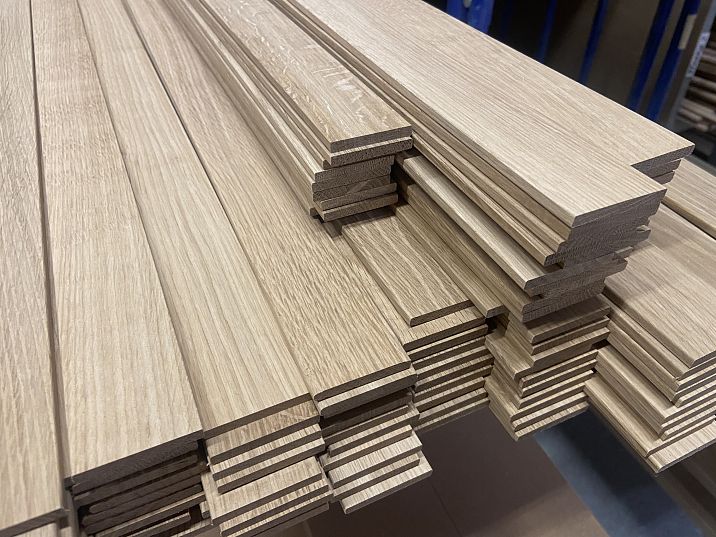
In a world full of innovations and high technologies, wood continues to be one of the most sought-after and respected materials. It is valued for its strength, beauty, eco-friendliness, and ability to serve humanity for centuries. Wooden objects have accompanied humanity since ancient times, and one of the most common examples are wooden sticks. But what are wooden sticks called in different cultures, for what purposes are they used, and why remain relevant to this day? Below is a detailed article that will shed light on this topic and answer all arising questions.


Historical Roots: From Prehistory to the Present




Oldest Evidence of Stick Usage
Scientists believe that wooden sticks began to be used by humans long before the emergence of the first civilizations. In primitive communities, a stick was a universal tool: it was used in hunting, gathering, and self-defense. It could serve as a lever for moving heavy objects, as a tool for starting fires, or as support during long journeys.
Archaeologists often find fossilized wood fragments near the bones of ancient animals and human campsites. These findings indicate that the stick played an important role in the development of human culture. Although wood does not preserve well in soil, indirect evidence — impressions, traces of processing, remnants of wood — speaks to the widespread use of this material since ancient times.
Our factory also produces:


Role of Sticks in Ancient Civilizations
With the emergence of the first cities and states, sticks began to acquire not only utilitarian but also symbolic significance. In the ancient world — whether in Ancient Egypt, Greece, or Rome — sticks were used by priests, generals, and even philosophers. They were adorned with carvings, stones, precious metals, giving the stick a status symbol.
- Egyptian Staffs. Pharaohs and high priests had a tradition of carrying staffs, symbolizing power and connection with the gods. These wooden items were often gilded or inlaid with gemstones.
- Greek Caduceus. The word 'caduceus' comes from the attributes worn by ancient Greek gods and heralds. The caduceus was a special staff with intertwined snakes, symbolizing peace and protection.
- Roman Fasces. In Ancient Rome, fasces (bundles of rods) were a symbol of magisterial authority and embodied the ideas of order, law, and inevitability of punishment.
Thus, even in ancient times, the stick had long ceased to be merely a primitive tool. It acquired deep cultural and religious meaning, reflecting the structure of society and beliefs.
Get Consultation
Middle Ages and Modern Era
In the Middle Ages and the Renaissance, wooden sticks remained an important attribute for representatives of various social classes. Traveling knights, pilgrims, beggars, monks, and scholars — all of them could rely on a wooden staff or cane.
● Pilgrimage Staffs. During long journeys, believers used long and sturdy wooden sticks that helped them cover hundreds of kilometers. Such a staff was not only support but also a symbol of religious devotion.
● Sage's Staff. Philosophers and scholars were sometimes depicted with an elegant cane, symbolizing knowledge and authority. In some cultures, it was believed that a wooden stick helps 'lean on' the experience of past generations.
● Aristocratic Canes. In the Baroque and Classical periods, elegant canes made from expensive woods became part of fashionable attire. They were adorned with carvings, metallic tips, and precious inlays.
Moving into the era of industrialization, one can notice that wooden sticks continued to be in demand — from simple peasant tools to elegant accessories for the upper class. Thus, over many centuries, wooden sticks have evolved from the simplest labor tool to a status symbol.
Cultural Significance and Symbolism of Wooden Sticks
Image in Mythology and Religion
Wooden sticks or staffs are mentioned in almost every world religion or mythology. In Christianity, the staff was considered an attribute of shepherds, in Judaism — a sign of faith and protection, in Buddhism — a symbol of the spiritual path and continuity of existence.
● Biblical Staffs. According to the Old Testament texts, Moses used his staff to perform miracles: parting waters, causing water to flow from a rock. This emphasized divine protection and the role of wood as a conduit of power.
● Hindu Danda. In Hinduism, some ascetics and monks use a wooden staff called danda, symbolizing the path of self-restraint, spiritual development, and renunciation of worldly pleasures.
● Shamanic Staves. Many northern peoples had shamans who wielded special wooden staves or staffs, with which they 'communicated' with spirits and conducted purification rituals.
Importance in Rituals and Traditions
In the rituals and ceremonies of different cultures, sticks may play a central role. They may be a magical attribute helping to establish a connection with higher powers, or serve as a sign of maturity and status.
● Initiations. In some African and Asian tribes, the initiation of young men into adulthood was accompanied by the presentation of a special wooden stick. It symbolized the transition from childhood to adulthood.
● Fertility Rites. In agrarian cults, sticks were used in dances and processions dedicated to harvests. They symbolized the connection with the earth, fertility, and care for future generations.
● Exorcism Rituals. In some traditions, it was believed that striking the ground or walls of a dwelling with a stick repels evil spirits and carries purifying power.
Thus, in the symbolism of wooden sticks, not only the utilitarian aspect but also a deep spiritual dimension is reflected. Their meaning varies depending on culture, historical period, and specific ritual, but one thing remains constant: the stick serves as a link between man and the surrounding world.
Modern Applications: from Practical Tasks to Decoration
In Construction and Design
In our time, when the trend toward eco-friendliness and natural materials is gaining momentum, wooden sticks are once again becoming popular. They are used to create decorative elements in interior design, for example:
● Cornices and curtains. Strong natural wood sticks are often used as the base for curtains. They combine functionality with aesthetic appeal.
● Partitions and shelves. Wooden sticks can serve as the basis for lightweight loft-style partitions, as well as vertical supports for shelves and racks.
● Decorative compositions. Many designers use wooden sticks to create original art objects and installations. They can be painted, varnished, combined with metal and glass.
The use of sticks in construction is also widespread, although more often it refers to beams and logs. However, in finishing work and decoration, wooden sticks remain relevant, adding coziness and naturalness to a space.
In Sports, Martial Arts, and Tourism
Many people even don't realize that a classic sports stick is essentially the same wooden blank, just subjected to special processing. Wooden sticks are widely used in the following areas:
- Scandinavian Walking. Modern sticks for Scandinavian walking are often made of carbon fiber or aluminum, but there is also a niche for wooden models. They are valued by enthusiasts of natural materials and aesthetics.
- Martial Arts. In Eastern martial arts (karate, kung fu, aikido), wooden staffs and short sticks (bo, jō, tambo) are used. They refine movement coordination, develop strength and agility.
- Tourist trekking poles. Despite the prevalence of modern composite materials, wooden sticks can still be found among lovers of classic tourism. They convey a sense of connection with nature and impart a unique character to journeys.
In Daily Life and Everyday Use
It should not be forgotten that wooden sticks can also be used in daily life. There are countless examples: from a simple stick for tying plants in the garden to artistic stands for kitchenware. Even in the age of mass-produced plastic and metal items, wooden counterparts find admirers who value eco-friendliness and natural beauty.
What are wooden sticks called in different cultures and fields?
One of the most frequent questions arising when studying this topic remains: what are wooden sticks called in certain situations? The matter is that their names may vary depending on purpose, length, material, and cultural specifics.
Traditional Names
● Staff. A long stick used as support while walking. Often associated with wise men, pilgrims, and travelers.
● Cane. A shorter variant of a stick, usually used as support or accessory. Cane can be simple or ornate, with carved or metal handles.
● Staff (symbolic). A symbol of power or spiritual strength, found in various cultures and religions.
● Staff (for acrobatics). A long stick used in acrobatics, dance, or martial arts (e.g., Chinese bo staff).
● Twig. A thin, flexible branch of wood, often used for weaving, making frames, or other household purposes.
New Terms and Classifications
Modern realities contribute to terminology. New names appear, reflecting specialized applications of sticks:
- Trekking poles. The term is fixed for sticks used in tourism and mountaineering. Usually, they are height-adjustable and equipped with special tips.
- Scandinavian walking poles. Used for Scandinavian walking, they have a special handle and wrist strap, allowing effective load distribution while walking.
- Decorative planks. The term is common in interior design. Essentially, these are the same wooden sticks, but intended for decorating walls, ceilings, and partitions.
Of course, this list does not exhaust all possible names. In many ways, the choice of term depends on the specific culture and field of application.
Features of selecting and caring for wooden sticks
Wood species and their advantages
To choose the right wooden stick, it is necessary to consider the type of wood. Each has its own characteristics:
● Oak. Known for its strength and durability. Has a beautiful texture, often used for making canes, staffs, and decorative items.
● Beech. Combines elasticity and strength, making it ideal for sports sticks and fighting poles.
● Ash. Combines elasticity and strength, making it ideal for sports sticks and fighting poles.
● Maple. Has a smooth texture and light color, often used to create elegant canes and decorative panels.
● Pine. A softer and more affordable wood, widely used in construction and decoration. Lightweight but requires careful handling.
When choosing a stick, it is important to consider not only the type of wood but also its quality. The presence of knots, cracks, and irregularities may negatively affect the strength of the item.
Methods of processing and finishing coatings
Processing wooden sticks includes several stages: from cutting and sanding to applying protective coatings. Finishing coatings can vary:
- Lacquer. Creates a glossy or semi-glossy surface, protecting wood from moisture and mechanical damage.
- Oil and wax. Impregnate the wood, preserving its natural texture and delicate sheen. This method is suitable for those who appreciate the natural appearance of the material.
- Paint. Used when it is necessary to give the stick a bright or specific shade. Paint can hide the wood's texture but allows protecting it from external influences.
Experts recommend renewing finishing coatings every few years (depending on usage intensity). This helps maintain the stick's attractive appearance and extend its service life.
Care for wooden sticks
To ensure the stick remains visually appealing and retains its properties for a long time, follow simple care rules:
● Regular cleaning. Dust and dirt can accumulate in the wood's pores. It is recommended to periodically wipe the stick with a soft dry or slightly damp cloth.
● Protection from moisture and sudden temperature changes. Wood may crack or dry out under extreme conditions. It is advisable to store the stick in a room with moderate humidity and temperature.
● Use of special products. Polishes, waxes, and oils help preserve the beauty and structure of the wood. If necessary, they can be reapplied to restore the surface's shine and smoothness.
● Inspection for damage. Cracks, chips, and deformations are better addressed early. If the stick is used as a support or for sports purposes, regular inspection is especially important.
Wooden sticks in art and popular culture
Role in cinema and literature
Wooden sticks often become central objects in literary works and films. They can symbolize travel, magic, or power. For example, magic wands in fantasy worlds or staffs of wise men in historical novels. Audiences and readers intuitively sense the connection between the stick and its owner, perceiving it as an extension of the hero's personality.
● Gandalf from 'The Lord of the Rings'. His staff is a source of magical power and a symbol of wisdom.
● Merlin in Arthurian legends. The staff of the legendary magician emphasizes his ability to influence the fates of kings and states.
● The image of 'the old wanderer'. In many fairy tales and legends, a traveler with a staff may turn out to be a wizard or mentor.
Photography and contemporary art
In contemporary art, a wooden stick is not only an element of the backdrop but also part of art objects and installations. Artists, photographers, and designers experiment with shape, texture, and color. Sticks can be covered with graffiti, decorated with flowers, wrapped in fabric, or even integrated into multimedia projects.
Such works prompt viewers to reconsider a familiar object, seeing in it something more than just a piece of wood. Thus, the stick becomes an object of aesthetic perception and a subject for philosophical reflection.
Wooden sticks and the ecological aspect
In an era when attention to ecology is becoming increasingly acute, many people consider choosing wooden products as a way to reduce their ecological footprint. However, it is important to remember that the ecological nature of wood depends on responsible forestry and processing methods.
- Renewability of resources. With proper management, forests can naturally regenerate. This requires adhering to felling norms and conducting restorative reforestation.
- Biodegradability. Unlike plastic and metal, wood decomposes under natural conditions without polluting the environment.
- Minimal chemical treatment. If the stick is coated with natural oils or wax, it does not emit harmful substances and is safe for human health.
At the same time, excessive and irrational use of forest resources can lead to negative consequences such as deforestation and loss of biodiversity. Therefore, a responsible approach to selecting and purchasing wooden products includes not only seeking quality sticks but also interest in the source of the wood.
Social and psychological significance
Connection with nature and traditions
For many people, a wooden stick is an opportunity to reconnect with nature and cultural roots. In a rapidly changing world, natural materials help one feel part of a broader context, reminding them of traditions of ancestors who used wood in daily life and culture for centuries.
Therapeutic effect
It is believed that interaction with wood may have a calming effect. Touching a rough surface, inhaling a light wood scent can help relieve stress and distract from the hustle. It is no wonder that in some psychological practices and art therapy, wooden items are used to create an atmosphere of coziness and tranquility.
Different formats of learning and knowledge transfer
Craft workshops
Interest in traditional crafts is being revived recently. Workshops in woodworking, where participants learn to make wooden sticks, canes, and other items, are popular. Such courses allow participants not only to master woodworking skills but also to touch upon history, understand how wooden sticks are called in different regions and why they are so valued in culture.
Online courses and video tutorials
Modern technologies allow learning crafts without leaving home. On video tutorial platforms or social networks, you can find detailed instructions on selecting wood, carving techniques, and methods of finishing and decorating sticks. Some masters share secrets that were previously passed down only within family dynasties from generation to generation.
Festivals and markets
At folk craft fairs and artisan festivals, you can see experienced masters creating wooden sticks right before your eyes. Such events provide an opportunity to compare different styles and traditions, interact with experts, and even order a stick with a custom design.
Examples of using wooden sticks in everyday interior design
Wall and niche decoration
Some designers suggest using sticks to decorate niches and wall panels. They can be arranged vertically or horizontally, sometimes combined with lighting. This approach allows giving the interior a 'natural' touch and creating an original decorative accent.
Stands and shelves
Wooden sticks can serve as supports for small shelves or become elements of stands for plants. They add lightness and elegance to the structure, especially if the wood grain texture is left exposed.
Combination with textiles
Instead of conventional metal valances, you can use smooth wooden sticks for curtains or decorative drapes. This solution is often found in Scandinavian and boho interiors, where natural materials and simple forms are valued.
Practical tips for purchasing wooden sticks
- Define the purpose. Before purchasing, it is important to clearly understand the purpose of the stick: for decoration, as a support, for sports, or perhaps for rituals. This will help choose the optimal length, thickness, and wood species.
- Inspect for defects. It is important to check for cracks, knots, chips, or signs of rot. This is especially critical if the stick will be used as a support while walking.
- Choose the species. As already mentioned, oak and beech are renowned for their strength, while birch and maple are prized for their beauty and ease of processing, and pine is valued for its accessibility and lightness. When choosing, consider your financial capabilities and desired material properties.
- Check for straightness. If an ideally straight stick is required (for example, for a valance or sports use), ensure there are no visible bends.
- Clarification of processing method. Determine what finish was used, whether the stick can be used outdoors (humidity, temperature fluctuations), and whether the finish is suitable for specific operating conditions.
Conclusion: Preserving traditions and looking toward the future
Wooden sticks, accompanying humanity for millennia, remain relevant today. They embody the rich history, culture, religion, and traditions of various peoples. At the same time, they easily fit into the modern world, where eco-friendliness, naturalness, and original design solutions are valued.
For some people, wooden sticks are part of sports or hiking equipment; for others, they are decorative elements; and for others, they are symbols of deep spirituality and connection to ancestors. Regardless of how wooden sticks are called in different cultures, their essence remains unchanged: they are reliable, beautiful, and versatile items of great significance in human life.
In a modern world full of innovations, a wooden stick reminds us that true strength often lies in simplicity and closeness to nature. It symbolizes the balance between the past and the future, between technological progress and timeless values. Choosing wooden items is not merely a fashion trend or tradition, but a conscious pursuit of harmony and respect for the environment.
Thus, the answer to the question 'what are wooden sticks called' is much deeper than it may seem at first glance. It is not merely different terms denoting the shape and size of the item, but an entire universe of meanings, symbols, and cultural traditions. The wood from which they are made carries memories of the past, while those who process it contribute to the future, maintaining intergenerational connections and passing down craftsmanship skills and knowledge.
Choosing wooden sticks for home, garden, travel, or martial arts, a person touches living history and feels part of a multi-generational journey along which their ancestors walked. And perhaps, precisely in this simple item lies the key to understanding that true value lies in the ability to respectfully care for nature, honor traditions, and find beauty in the most ordinary things.