Article Contents:
- Search Planning
- Creating an Interior Concept
- Furniture Market Research
- Seasonality and Timing of Purchases
- Criteria for Quality and Durability
- Ecological aspects of selection
- Savings Strategies Without Compromising Quality
- Alternative Sources of Quality Furniture
- Search Technologies in the Digital Age
- Practical aspects of selection and purchase
- Logistical issues
- Warranties and after-sales service
- Insurance and Protection of Investments
- Trends and the Future of the Furniture Market
- The Impact of Globalization on Local Markets
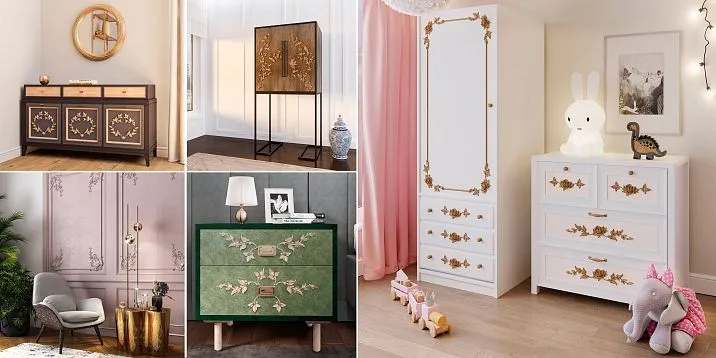
Searching for the perfect furniture becomes an exciting adventure, where every decision shapes the look of your home for years to come. Knowing that, how to find furniturewhich will become not just a functional item, but the soul of the interior, requires understanding of current market trends, mastery of proper planning skills, and the ability to recognize quality among numerous offers. In a world of limitless choice, it is important not to get lost in the sea of possibilities, but to find exactly those items that will create a harmonious living space.
The modern furniture market is astonishing in its variety of styles, materials, and price categories. From elite designer collections to democratic mass-produced solutions, from classic forms to avant-garde experiments — the buyer is presented with a kaleidoscope of possibilities. However, precisely this abundance often becomes the cause of confusion and unsuccessful purchases.
The ability to find suitable furniture becomes an art combining practical knowledge with aesthetic sense. This process requires patience, attention to detail, and deep understanding of one's own needs. Each piece of furniture must not only look good in a showroom, but also fit organically into a specific space, match the family's lifestyle, and harmonize with the existing interior.


Search Planning
Successful furniture search begins long before visiting the first store. Careful preparation saves time, money, and nerves, prevents impulsive purchases and disappointments. Professional designers spend up to 80% of their time on planning and only 20% on actual purchasing — such a proportion is not accidental.
Analyzing the existing space becomes the foundation of all further work. Precise measurements of the room, accounting for the placement of doors, windows, radiators, electrical outlets create a detailed picture of limitations and possibilities. Many unsuccessful purchases are directly linked to inaccurate initial measurements.
Defining functional needs requires honest analysis of the family's lifestyle. A young couple without children has completely different furniture needs than a family with teenagers or elderly people. Frequency of guest visits, family members' hobbies, work habits — all of this influences the choice of specific furniture items.
Creating a budget helps realistically assess possibilities and set priorities. Quality furniture is an investment for years, so cutting costs on key items often results in the need for replacement within a short time. Proper budget planning allows allocating more funds to important items and saving on secondary ones.




Creating an Interior Concept
Clear vision of the desired result guides the search in the right direction and prevents chaotic purchases. An interior concept does not necessarily have to be professional — it is enough to understand the general mood and style of the future space.
Stylistic direction defines the aesthetic boundaries of the search. A classic interior requires furniture with traditional proportions and natural materials, while a modern style leans toward minimalist forms and innovative materials. Mixing styles is possible, but requires understanding the principles of harmonious combination.
Color palette creates the emotional foundation of the interior. Warm tones help create a cozy atmosphere, cool tones set a professional mood, neutral tones ensure universality and longevity of design. Choosing primary colors should take into account the lighting of the room and its orientation relative to the cardinal directions.
Functional zoning helps determine what furniture is needed in each part of the space. Clear division into zones for relaxation, work, dining, and storage allows focusing on searching for specific items that match the purpose of each zone.
Our factory also produces:


Furniture Market Research
The modern furniture market is multi-layered and diverse. From large furniture centers to small designer workshops, from mass production to exclusive collections — each segment has its own features, advantages, and limitations.
Traditional furniture stores remain the primary sales channel due to the opportunity to see, touch, and test furniture before purchase. Large chains offer a wide assortment and competitive prices, while specialized boutiques provide expertise and exclusive collections. Regional differences in pricing and assortment can be significant.
Online trade has fundamentally changed the process of searching for and purchasing furniture. Online catalogs allow comparing thousands of offers, reading customer reviews, and studying detailed specifications. However, purchasing furniture online requires special caution due to the inability to assess material quality and craftsmanship before receiving the item.
Design studios and workshops offer unique furniture crafted according to individual projects. This approach ensures perfect alignment with needs and interior design, but requires significant time and financial investment. Working with designers is suitable for special projects and non-standard solutions.
Get Consultation
Seasonality and timing of purchases
Understanding the cycles of the furniture market helps plan purchases for maximum benefit. Like most durable goods, furniture has its active seasons and quieter periods.
The spring period is characterized by collection updates and active sales. Manufacturers present new arrivals, and stores clear out last year's inventory. This is the optimal time to find current models and participate in promotions.
Summer months are traditionally considered a low season for furniture trade. Many people spend money on vacations rather than home furnishings. This creates opportunities for advantageous purchases, as sellers are willing to offer significant discounts to stimulate sales.
The autumn activation period is associated with returning to the normal rhythm of life after summer holidays. Many plan home renovations and interior updates for the winter season. Pre-holiday sales also create opportunities for savings.
Criteria of quality and durability
The ability to recognize quality furniture among numerous offers is a key skill for a successful buyer. Quality is determined not only by appearance but also by construction solutions, materials, and manufacturing technologies.
Materials form the basis of furniture durability. Solid natural wood remains the benchmark of quality, but modern composite materials may surpass it in certain characteristics. It is important to understand the differences between MDF and particleboard, know the features of various wood species, and be familiar with coating types and their performance properties.
Construction features affect the strength and longevity of items. Quality cabinetry has reinforced back panels, reliable shelf brackets, and strong joint connections. Soft furniture should have a sturdy frame, quality spring systems, and durable fillings.
Hardware determines functionality and comfort of use. Quality hinges ensure smooth door opening, reliable guides make drawer extraction easy and quiet. Well-known hardware manufacturers provide warranties on their products for 10-15 years.
Ecological aspects of selection
Modern consumers increasingly pay attention to the ecological safety of furniture. This concerns not only manufacturing materials but also production technologies, packaging, and disposal possibilities.
Formaldehyde emissions are one of the main ecological problems of modern furniture. Quality manufacturers use plywood materials of class E1 or E0 with minimal formaldehyde content. Certificates of compliance and laboratory test results confirm product safety.
Coatings also affect the ecological safety of furniture. Water-based compositions are safer than traditional solvent-based lacquers, but may be inferior to them in durability. A compromise are modern hybrid coatings, combining ecological safety with high performance characteristics.
The origin of wood is becoming an increasingly important factor for ecologically conscious buyers. FSC certification guarantees that the wood comes from sustainably managed forests. Using local wood species reduces the carbon footprint from transportation.
Strategies for saving without compromising quality
Quality furniture does not necessarily have to be expensive. Knowledge of the market, understanding of pricing, and mastery of search techniques allow finding excellent deals with significant savings.
Seasonal sales and clearance sales are a traditional way to save on furniture. End of the fiscal year, collection changes, and closing of exhibition halls create opportunities to buy quality furniture with discounts of up to 50-70%. Planning purchases with consideration of such periods can bring significant savings.
Display samples are often sold at large discounts after exhibitions end. Such furniture may have minor signs of use, but remains fully functional. Careful inspection helps identify and assess the degree of wear.
Direct sales from manufacturers exclude trade markups, which may result in savings of 20-30%. Many factories organize branded stores or online sales. A drawback may be limited assortment and the need for self-arranged delivery.
Alternative sources of quality furniture
In addition to traditional stores, there are numerous alternative sources of interesting and quality furniture. Knowing these possibilities expands search horizons and may lead to unexpected finds.
Auctions and consignment shops are sources of vintage and antique furniture. Here you can find unique items made using old technologies with quality materials. Such furniture often surpasses modern equivalents in durability and has a unique character.
Furniture exhibitions allow seeing new arrivals, interacting with manufacturers, and assessing industry trends. Many exhibitions offer special prices for visitors, conduct contests and giveaways. Professional exhibitions may be closed to regular consumers.
Social networks and online platforms create new opportunities for finding furniture. Groups of enthusiasts of specific styles, flea markets, and classified ads allow finding rare items, negotiating favorable prices, and getting recommendations from experienced collectors.
Search technologies in the digital age
Modern technologies have fundamentally changed the process of searching for furniture. Digital tools allow visualizing future interiors, comparing offers, and finding hidden opportunities for savings.
Augmented reality applications allow "trying on" furniture in real interiors before purchase. The smartphone camera scans the room, and the app overlays a 3D model of the selected item. This helps assess size, color, and style compatibility without visiting a store.
Aggregators collect information from multiple sellers, allowing you to compare prices, features, and delivery terms. Price drop notifications help you not miss great deals. The rating and review system simplifies choosing reliable sellers.
Specialized furniture search systems use visual search — uploading a photo of a liked item helps find similar models from different manufacturers. Filters by style, color, material, and price make the search more precise and efficient.
Practical aspects of selection and purchase
Choosing specific furniture items requires a systematic approach and attention to detail. Each type of furniture has its own characteristics that must be considered when purchasing.
Soft furniture requires special attention to frames, spring systems, fillings, and upholstery materials. A quality sofa should have a sturdy frame made of solid wood or metal, reliable springs, and durable fillings. Upholstery fabric must match the intensity of use and care requirements.
Solid furniture is evaluated by the quality of materials, precision of manufacturing, and functionality of hardware. Even gaps, smooth operation of mechanisms, absence of scratches and finish defects — signs of quality manufacturing. Internal organization should meet storage needs.
Tables and chairs must be not only beautiful but also comfortable. Table height should match users' height, chairs should ensure proper seating. Materials must be durable for daily use and easy to maintain.
Logistical issues
Delivery and assembly of furniture are important aspects often underestimated when planning purchases. Incorrect organization of these processes may lead to damage, additional costs, and delays.
Measuring doorways is critically important for large furniture. Width of doorways, turns of staircases, height of elevator ceilings — all must be considered when selecting furniture. Modular construction can solve delivery problems in hard-to-reach areas.
Delivery conditions vary from simple delivery to full assembly and installation on-site. Cost of additional services should be known in advance. Cargo insurance protects against financial losses due to furniture damage during transportation.
Preparing the room for delivery includes clearing pathways, protecting existing surfaces, preparing tools for assembly. Presence of the owner during delivery allows immediate identification and documentation of possible damage.
Warranties and after-sales service
Warranty obligations and quality of after-sales service are important factors that should influence the choice of seller and manufacturer. Quality furniture serves for years, and manufacturer support may be needed throughout the entire service period.
Warranty terms vary depending on furniture type and manufacturer. Solid furniture usually has a 2-5 year warranty, soft furniture — 1-3 years. It is important to understand what the warranty covers and what is considered normal wear. Keeping documentation and following usage conditions is critically important to enforce warranty rights.
Service maintenance includes advice on care, minor repairs, replacement of worn parts. Presence of service centers in the region, availability of spare parts, and qualifications of technicians affect the overall cost of furniture ownership. Some manufacturers offer extended service programs.
Upgrading and modernizing modern modular furniture allows adapting it to changing needs. Possibility of purchasing additional elements, replacing facades, changing configurations extends furniture lifespan and saves money on full replacement.
Insurance and protection of investments
Quality furniture represents significant value, so questions of its protection against various risks deserve attention. Modern insurance products allow protecting investments in furniture against unforeseen circumstances.
Property insurance usually covers furniture within a total sum. It is important to ensure that the insurance amount is sufficient to cover the cost of all furniture. Exclusive and antique items may require separate appraisal and special coverage.
Extended warranties are offered by some sellers as an additional service. Such programs may cover accidental damage, premature wear, even moral obsolescence. The cost of extended warranty should be weighed against the probability of a claim occurring.
Self-insurance through creating a reserve fund may be an alternative to commercial insurance. Regular contributions to a furniture renewal fund allow accumulating funds for replacing worn items without significant impact on the budget.
Trends and future of the furniture market
Understanding directions of furniture industry development helps make more forward-looking purchases, choosing furniture that will remain relevant in the future. Technological innovations, changes in lifestyle, and ecological requirements shape the appearance of furniture tomorrow.
Smart furniture integrates technological solutions to enhance comfort and functionality. Built-in device charging, lighting systems, climate control turn ordinary furniture into smart home elements. When choosing such furniture, compatibility with existing systems and software update capabilities are important to consider.
Sustainable development is becoming a key trend in the furniture industry. Recycled materials, renewable resources, waste-free production technologies form a new generation of eco-friendly furniture. Consumers are increasingly willing to pay a premium for environmental responsibility.
Personalization and customization meet the need for uniqueness and individuality. Digital production technologies make individual orders accessible to a wide range of customers. The ability to adapt sizes, colors, configurations to specific needs is becoming a standard service.
Influence of globalization on local markets
Globalization of the furniture market creates both opportunities and challenges for consumers. Availability of products from global brands expands choice, but complicates navigation through the variety of offerings.
International quality standards unify requirements for furniture regardless of country of production. Certification according to European or American standards guarantees compliance with high safety and quality requirements. This is especially important when purchasing furniture from lesser-known manufacturers.
Cultural differences influence furniture design and functionality. Scandinavian minimalism, Italian elegance, American practicality — each culture brings its own characteristics to furniture design. Understanding these differences helps make more informed choices.
Logistical chains affect furniture accessibility and cost. Production in one country, assembly in another, sales in a third — this scheme is typical for the modern furniture industry. Understanding these processes helps plan purchases with consideration of possible delays and price fluctuations.
The art of how to find furniturewhich will become the perfect addition to your home, requires time, patience, and a systematic approach. Each interior element should not only perform its function but also contribute to creating a harmonious living space. The modern market offers limitless opportunities to realize any design concept, but the key to success lies in proper planning and understanding your own needs.
Searching for ideal furniture is a journey that may last months, but the result justifies the effort. Each found item becomes part of the home's history, a witness to important family moments. Quality furniture serves for decades, so investments in its search and purchase pay off many times over.
Modern technologies make the search process more efficient and engaging. Virtual showroom tours, augmented reality apps, personalized recommendations based on machine learning — all help find exactly what is needed among millions of offers.
For many years, STAVROS has helped people find ideal furniture, offering not only a wide range of quality products but also professional advice on selection. STAVROS specialists' expertise, deep understanding of customer needs, and continuous monitoring of global design trends make the furniture search process maximally effective and results-oriented for every customer.