Article Contents:
- Foundation of Success: Market Analysis and Niche Selection
- Furniture Market Research
- Target Audience Definition
- Strategic Planning for Business Entry
- Choosing a Business Model
- Legal Business Registration
- Product Line Development and Supplier Management
- Principles of Building a Product Line
- Supplier Search and Evaluation
- Retail Space Organization
- Principles of Furniture Merchandising
- Creating a Comfortable Environment for Customers
- Sales Psychology in the Furniture Industry
- Understanding Purchase Motivations
- Customer Typology in Furniture
- Techniques for Effective Furniture Presentation
- The art of product demonstration
- Working with Materials and Textures
- Handling Objections and Doubts
- Typical Objections When Buying Furniture
- Techniques for Overcoming Doubts
- Digital Technologies in Modern Furniture Retail
- Virtual and Augmented Reality
- CRM and Sales Automation
- Logistics and Service Organization
- Furniture Delivery and Installation
- Post-Sales Service
- Marketing and Promotion of the Furniture Business
- Customer Acquisition Strategies
- Loyalty Programs
- Financial Planning and Management
- Investments in Business Launch
- Cash Flow Management
- Scaling and Developing the Business
- Growth Strategies
- Service Diversification
- Risk Management
- Typical Risks in the Furniture Business
- Anti-Crisis Planning
- Conclusion
- Frequently Asked Questions
Dreaming of entering the furniture business but not knowing where to start? The question of whetherHow to start selling furnituremany entrepreneurs, who see prospects for creating a profitable business in this field. The furniture industry is not just trading goods, it is an art of helping people create comfortable spaces for living, working, and relaxing.
The modern furniture market offers boundless opportunities for those willing to deeply study customer needs and offer them quality solutions. From small online stores to large furniture boutiques — each format has its own features and requires a special approach to organizing the business.
Success in furniture trade is built on understanding that furniture is not just interior items. It is an investment in quality of life, a means of self-expression, and the creation of a home or office atmosphere. Each customer comes with unique needs, and the ability to identify and satisfy them becomes a key factor of success.


Foundation of Success: Market Analysis and Niche Selection




Researching the furniture market
Before taking the first steps in the furniture business, it is necessary to carefully study the market situation. The furniture industry includes many segments — from budget furniture mass production to exclusive designer solutions.
Analyzing competitors should be the starting point of your research. Study who is working in your region, what price categories are represented, what services competitors offer. Pay special attention to market gaps — perhaps certain product categories or services are underrepresented.
Price segmentation will help determine your niche. The budget segment is characterized by high competition and low profitability, but high sales volume. The premium segment requires significant investments in quality and service, but ensures high profitability.
Geographic features also influence business strategy. Furniture preferences of residents of large cities differ significantly from the needs of residents of small towns. Logistics features of the region determine the possibilities of working with suppliers.
Our factory also produces:


Defining the target audience
Successful furniture trade begins with a clear understanding of who your customer is. Each audience segment has its own behavioral characteristics, preferences, and purchasing power.
Young families often seek practical solutions at affordable prices. They focus on functionality, modern design, the possibility of installment or credit. For them, durability of furniture and the possibility of its transformation as the family grows are important.
Middle-aged individuals with established income are ready to invest in quality furniture that will last for decades. They value natural materials, classic design, and brand prestige.What new-generation furniture is made of — a question customers must receive comprehensive answers to. Eco-friendliness, durability, ease of care — specific advantages speak louder than abstract 'innovation'.High-quality — an issue that particularly interests them.
Corporate clients need furniture for offices, hotels, restaurants. Here, durability, compliance with sanitary norms, the ability to deliver large batches, and after-sales service are important.
Get Consultation
Strategic planning for entering the business
Choosing a business model
There are several main furniture business models, each of which has its own advantages and features.
Traditional furniture store requires significant initial investments in renting space, purchasing samples, and decorating the sales area. However, this format allows customers to physically evaluate the product, which is critically important for furniture.
Furniture online store reduces rental costs but requires serious investments in logistics, product photography, and creating a quality website. Special attention should be paid to solving the problem of delivering bulky items.
Hybrid model combines a small showroom with main sales through the internet. This allows customers to evaluate the quality of materials and construction in the showroom, and then order the product online.
Custom furniture — a specialized niche requiring partnership with manufacturers or establishing your own production. High profitability compensates for the complexity of organizing processes.
Legal business registration
Correct business registration is the foundation of its legality and potential for development.
Choosing the organizational and legal form depends on the scale of planned activities. Individual Entrepreneur (IP) is suitable for small sales volumes, while Limited Liability Company (OOO) is appropriate for serious business with plans to attract investments or partners.
Taxation in furniture trade has its own features. Simplified tax system may be advantageous if revenue and employee limits are observed.
Licensing and certification are not required for furniture trade, but certain product categories (children's furniture, furniture for medical institutions) may require appropriate certifications.
Assortment formation and working with suppliers
Principles of building a product line
A well-formulated assortment is the foundation of successful sales. The product range should be balanced by price categories and functional purpose.
ABC analysis of the assortment will help identify the most important product items. Category A items should always be in stock and actively promoted, while Category C items may operate on order basis.
The seasonality of furniture sales requires planning the assortment with consideration of demand cycles. The spring peak is associated with the start of renovation work, while the autumn peak relates to preparing for the winter season.
Complementary products increase the average sales check. Accessories, textiles, and storage systems can be offered alongside main furniture items.where to buy furniture decorBecomes an important issue for customers wishing to create a cohesive interior design.
Supplier search and evaluation
Reliable suppliers are the guarantee of stable furniture business operations.
Criteria for selecting suppliers include product quality, pricing policy, delivery terms, geographic proximity, and company financial stability. It is important to have multiple suppliers in each product category to reduce risks.
Cooperation terms must be carefully worked out. Minimum order quantities, delivery times, payment conditions, and the possibility of returning unsold goods are details that significantly impact business economics.
Quality control of incoming furniture is necessary to maintain reputation. The incoming inspection system should detect defects before the goods reach the sales floor.
Organization of trading space
Principles of furniture merchandising
Proper organization of trading space can increase sales by 20-30% without additional advertising investments.
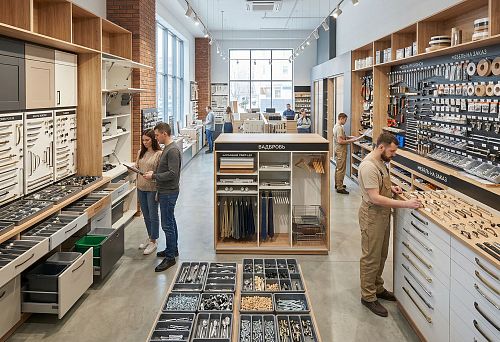
Trade hall zoning must be logical and understandable for customers. Soft furniture, built-in furniture, accessories — each category should have its own designated space. At the same time, it is important to create natural customer movement routes.
Compositional solutions demonstrate furniture in the context of real use.Unique InteriorsAre created based on understanding how different items interact with each other in space.
Lighting plays a critical role in perceiving furniture. Proper lighting highlights material textures, creates the desired atmosphere, and affects color rendition. Different salon zones require different lighting solutions.
Creating a comfortable environment for customers
Buying furniture is a process requiring time for consideration. The salon should create conditions for comfortable decision-making.
Rest zones allow customers to take their time when making choices. Comfortable chairs, catalog tables, and the option to have coffee create a welcoming atmosphere.
Children's corners solve practical problems for parents, allowing them to calmly consider furniture. Satisfied children mean calm parents — more time for decision-making.
Informational materials must be easily accessible. Catalogs, price lists, brochures on materials and technologies help customers make informed decisions.
Sales psychology in the furniture industry
Understanding purchase motivations
People buy furniture not only with their heads, but also with their hearts. Understanding the emotional motivations of the buyer is key to successful sales.
Creating a home atmosphere is one of the main motivations for buying furniture. People seek items that help create a sense of comfort, coziness, and security. Behind the technical specifications of a sofa lies a dream of family evenings.
Status positioning motivates the purchase of prestige furniture. An expensive leather sofa or a solid wooden desk becomes a way to demonstrate success, refined taste, and belonging to a certain social circle.
Practical needs also play an important role. Functionality, durability, and suitability for room dimensions — rational factors that influence the final decision.
Types of furniture buyers
Each type of buyer requires an individual approach in communication and product presentation.
Analytics come prepared. They have studied reviews, compared features, created comparison tables. With such clients, you need to speak facts, technical details, demonstrate deep product knowledge.
Emotional buyers choose with their hearts. It matters to them how furniture "feels," whether they like being near it. Here, stories, imagery, and the chance to touch and feel come into play.
Family buyers make decisions collectively. Often, one family member visits the showroom for preliminary study, while the final decision is made by the entire family. It's important to provide materials for home discussion.
Techniques for effective furniture presentation
The art of product demonstration
Proper furniture presentation can increase the likelihood of purchase several times over.
Interactive demonstration is essential when selling furniture. The client should sit in the chair, open cabinet doors, test mechanisms. Personal experience with the product convinces better than any words.
Storytelling turns technical descriptions into living stories. Instead of "sofa with orthopedic mattress," say "sofa where you will sleep beautifully and wake up each morning refreshed and rested."
Comparative presentation helps the client understand differences between models. Show two sofas side by side, explain differences in construction, materials, functionality.
Working with Materials and Textures
Tactile sensations play a huge role in furniture selection.
Material samples must be accessible for examination. Allow the client to touch various fabrics, leather, plastic. Explain care specifics for each material.
Demonstrating quality through details. Show the quality of edges on case furniture, smoothness of hardware operation, precision of element fitting. These details create an impression of the overall product quality.
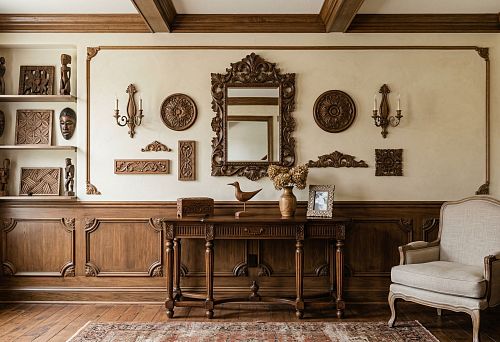
Decorative elements add elegance.where to buy moldings for decorationor other decorative elements — a question that interests clients seeking exclusivity.
Working with objections and doubts
Typical objections when buying furniture
Professional handling of objections turns obstacles into opportunities to strengthen trust.
"Too expensive" is the most common objection. Behind it may lie a misunderstanding of the product's value, comparison with cheaper alternatives, or real budget constraints. Each reason requires its own approach.
"Need to think" often means uncertainty about the right choice. Offer additional information, the opportunity to consult a designer, catalogs for home study.
"Doesn't fit the size" is resolved by offering room measurement services, custom-made furniture, or searching for alternative models with suitable dimensions.
Techniques for overcoming doubts
Client doubts are a natural reaction when choosing expensive, long-term-use goods.
Social proof works effectively. Stories of satisfied clients, photos of completed projects, positive reviews create confidence in the right choice.
Warranties and commitments reduce purchase risks. Extended warranty programs, exchange options, quality after-sales service convince the client of your serious intentions.
Time constraints create a stimulus for decision-making. Special offers, limited-time promotions, last pieces of the collection motivate not to delay the purchase.
Digital technologies in modern furniture retail
Virtual and Augmented Reality
Modern technologies revolutionize the process of choosing and buying furniture.
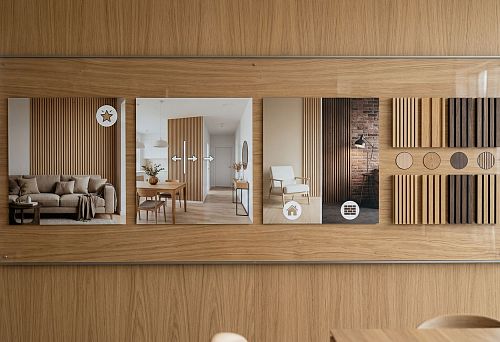
AR applications allow clients to "place" selected furniture in their interior via smartphone camera. This solves visualization problems and reduces purchase uncertainty.
3D configurators allow clients to design furniture themselves, changing dimensions, colors, materials in real time. Especially effective for modular furniture and kitchens.
Virtual showrooms expand the ability to demonstrate the assortment without physically placing all models in the showroom.
CRM and sales automation
Professional customer service requires a systematic approach.
The customer database must contain information about buyer preferences, purchase history, and interior features. This enables personalized offers and increases loyalty.
Marketing automation through email newsletters, SMS notifications, and push messages supports ongoing communication with customers between purchases.
Sales analytics helps identify trends, optimize product assortment, and plan purchases. Sales data is the foundation for making strategic decisions.
Logistics and service organization
Furniture delivery and installation
Quality logistics is the most important element of customer service in furniture retail.
Planning delivery of bulky items requires a professional approach. Elevator dimensions, stairwell widths, and vehicle access capabilities are factors that must be considered in advance.
Professional furniture assembly guarantees correct installation and product longevity. Qualified assemblers must understand the construction specifics of different manufacturers.
Additional services — removal of packaging, disposal of old furniture, minor adjustments — create additional value for customers.
After-sales service
Customer relationships do not end with product delivery.
Warranty service must be prompt and fair. Quick response to complaints and honest resolution of disputes build a positive reputation.
Post-warranty service maintains contact with customers and creates opportunities for additional sales. Upholstery renewal, mechanism repair, and furniture modernization are services that extend the life of products.
Marketing and promotion of the furniture business
Customer acquisition strategies
Effective marketing in the furniture industry requires understanding the specifics of buyer behavior.
Content marketing through a design interior blog, furniture selection advice, and decor trends attracts an interested audience. Expert materials build trust in the brand.
Local advertising is especially effective for furniture stores. Participation in real estate exhibitions, partnerships with designers, and advertising in local media yield good results.
Social networks allow showcasing products in an appealing context. Instagram is ideal for the furniture business due to the visual nature of the products.
Loyalty programs
Customer retention costs less than acquiring new ones.
Accumulation systems motivate repeat purchases. Progressive discount scales encourage increased average order value.
Personalized offers based on purchase history and customer preferences show high effectiveness.
Referral programs turn satisfied customers into active brand promoters.
Financial planning and management
Investments in business launch
Realistic investment planning is the foundation for sustainable growth.
Initial expenses include rental, renovation, purchasing furniture samples, equipment, and launch advertising. It is important to set aside reserves for unexpected costs.
Working capital for purchasing inventory typically constitutes a significant portion of the budget. It is necessary to consider the turnover time of inventory.
Break-even point must be calculated taking into account all fixed and variable costs. This will help determine the required sales volume to achieve profitability.
Cash flow management
The furniture business is characterized by uneven cash flows.
Seasonal fluctuations require creating financial reserves for the low season. Planning promotions and sales helps stimulate sales during weak periods.
Managing accounts receivable is especially important when selling on credit or installment. The payment control system should minimize overdue payments.
Business scaling and development
Growth strategies
A successful furniture business has numerous directions for development.
Expanding the product range allows increasing the average check and attracting new customers.where to buy moldingsand other decorative elements can become an addition to the main product line.
Geographic expansion through opening new retail locations or developing online sales in other regions.
Vertical integration — creating your own production or partnering with furniture factories to obtain exclusive models.
Service diversification
Additional services create new revenue streams.
Design services are in growing demand. Interior consultations, design project creation, and supervision — are high-margin directions.
Installation services not only bring additional profit but also ensure quality control of furniture assembly.
After-sales service — repair, restoration, and modernization of furniture — creates a continuous connection with the customer base.
Risk Management
Typical risks of the furniture business
Understanding risks helps to minimize them.
Product risks are associated with spoilage, obsolescence, and seasonal demand fluctuations. A diversified product range and flexible pricing policy reduce these risks.
Logistical risks include damage during transportation, delivery delays, and issues with customer delivery. Insuring shipments and working with reliable logistics partners minimize losses.
Financial risks are associated with customer non-payment, supplier price increases, and currency fluctuations when working with imports.
Anti-crisis planning
Being prepared for crisis situations increases business resilience.
Supplier diversification reduces dependence on individual manufacturers. Having alternative product sources is critically important.
Flexible product range allows quickly adapting to changes in demand. The ability to shift focus to other product categories or price segments.
Financial reserves must cover operational expenses for at least 3-6 months of operation without sales.
Conclusion
The path to success in the furniture industry begins with a deep understanding of how toHow to start selling furnitureprofessionally and effectively. This is a comprehensive task requiring knowledge in marketing, sales psychology, logistics, financial planning, and customer service.
The modern furniture market offers broad opportunities for entrepreneurs willing to invest time and effort into building a quality business. From small specialized stores to large furniture centers — each format can be successful with the right approach to organization.
Key success factors include a deep understanding of customer needs, forming a quality product range, creating a comfortable shopping environment, professional service, and effective use of modern technologies.Where to buy furniture trimand other decorative elements — such questions indicate growing interest in interior customization.
The furniture industry is constantly evolving, new materials, production technologies, and design trends emerge. Successful entrepreneurs monitor these changes and adapt their business models to new market realities.
It is important to remember that the furniture business is not only about trading goods, but also about helping people create comfortable and beautiful living spaces. Every sale is an opportunity to make someone's home better, and this mission should inspire continuous improvement.
STAVROS is a shining example of successful development in the furniture industry, demonstrating how the combination of traditional craftsmanship with modern technologies and a customer-oriented approach creates a sustainable and profitable business. Over the years, STAVROS has developed a unique philosophy that places product quality and customer satisfaction at the forefront.
STAVROS' experience shows that success in furniture trade is built on understanding that each customer is unique and deserves an individual approach. Deep knowledge of products, the ability to find the optimal solution for any budget and interior, impeccable service quality — these are the principles that make the brand recognizable and in demand in the market.
Frequently asked questions
How much money is needed to launch a furniture business?
The size of initial investments depends on the chosen business model. An online store can be launched with 500,000–1,000,000 rubles, a small furniture store requires 2–5 million rubles, a large furniture center — from 10 million rubles. Main expenses: rental and renovation of premises, purchasing goods, equipment, advertising for launch, reserve for the first months of operation.
What documents are needed to trade furniture?
To trade furniture, you need to register as an individual entrepreneur (IP) or a limited liability company (OOO) with appropriate OKVED codes (47.59 — furniture trade). No special licenses are required. Required: lease agreements for premises, supplier contracts, cash register equipment, employment contracts with staff. Certificates of conformity may be required for some categories of furniture.
How to choose furniture suppliers?
When choosing suppliers, evaluate: product quality, pricing policy, delivery and payment terms, geographic proximity, assortment, market reputation, financial stability. Always request product samples, study reviews from other distributors, visit production facilities. It is recommended to have several suppliers in each product category.
What tax system to choose?
For small furniture stores, the simplified tax system is optimal. Under the "income" UST, tax is 6% of revenue; under the "income minus expenses" UST, it is 15% of profit. The choice depends on the share of expenses in turnover. If expenses exceed 60% of income, the 15% UST is more advantageous. If UST limits are exceeded, you must switch to the general tax system.
How to organize delivery of large furniture?
Furniture delivery requires specialized transport and trained loaders. You can create your own delivery service or work with logistics partners. It is important to pre-coordinate with customers the dimensions of elevators and staircases, the ability of transport to access the premises. Delivery cost should cover transportation expenses, loader work, and cargo insurance.
Should you sell furniture only online or do you need a physical store?
Online furniture sales are growing, but physical showrooms remain important. Furniture is a product that customers want to "touch" before buying. The optimal model is hybrid: a small showroom with key models plus an online store with full assortment. This allows reducing rental costs while maintaining the ability to demonstrate product quality.