Article Contents:
- 1. Introduction to the world of wooden planks
- 3.1. Wood species
- 3.2. Treatment types
- 3.3. Shapes and sizes
- 4.1. Interior finishing
- 4.2. Exterior work
- 4.3. Furniture and accessories
- 6.1. Quality check
- 6.2. Preparation for installation
- 7.1. Mounting methods
- 7.2. Protective coatings
- 7.3. Maintenance and care
- 9. Conclusion: why it's worthwhile to buy a wooden plank

In the world of interior design and construction, wood has always held a special place. Its unique texture, eco-friendliness, and warmth attract the attention of professionals and enthusiasts striving to create a cozy space. However, before {count} {name} %sbuying a wooden plankit is important to understand its features, types, and application methods to make a truly beneficial and thoughtful purchase. In this article, we will examine all the nuances related to selecting, purchasing, and using wooden planks in construction and interior design.


1. Introduction to the world of wooden planks




Wooden planks are narrow, elongated items made from solid or glued wood, used for decorating and finishing various surfaces. The variety of species, shapes, and sizes allows their use in diverse projects: from classic home repairs to large-scale commercial projects with original architectural concepts.
Why exactly there:buying a wooden plank?
● Ecological safety: natural wood is considered a safe and eco-friendly material.
● Durability: with proper care and treatment, wood can last for many years.
● Versatility: planks can be used in any room, and their appearance and properties can be easily matched to the desired style.
● Ease of installation: in most cases, installation does not require special skills.
The key is to pay attention to the quality of the original material, processing methods, and usage nuances. Then, the wooden plank will become a reliable investment and bring a touch of natural warmth into the home.
2. Advantages and features of wood
Wood is a natural, breathable material valued for its aesthetics and practicality. Key advantages of wooden planks include:
- Natural appearance and texture
Unique ring patterns, color variations, and the ability to finish the surface with varnish, oil, or paint make each plank unique.
- High thermal and acoustic insulation properties
The tree partially retains heat, creating a comfortable microclimate. It also helps reduce noise levels indoors, improving quality of life.
- Ease of processing
The material is easy to cut, drill, and sand. This allows the plank to be adapted to individual project needs.
- Repairability
In case of damage (scratches, abrasions), a wooden plank is often repairable — sanding or replacing a specific section without altering the entire structure.
3. Types and characteristics of wooden planks
Our factory also produces:


3.1. Wood species
● Coniferous species (pine, spruce)
Popular due to accessibility and ease of processing. Suitable for interior use under normal humidity.
● Larch
Resistant to moisture and decay, making it an ideal choice for kitchens, bathrooms, and terraces.
● Oak
Symbol of strength and elegance. High density, beautiful texture, but more expensive.
● Ash and beech
Distinguished by pleasant tone and hardness. Suitable for high-load areas (e.g., public spaces or offices).
Get Consultation
3.2. Treatment types
● Finished (sanded)
Surface is sanded and can be immediately coated with varnish, oil, or wax.
● Brushed
Artificial aging that highlights the wood grain. Relevant in country, loft, and chalet styles.
● Thermally treated
Under high temperatures, wood gains increased resistance to moisture and biological factors.
3.3. Shapes and sizes
● Narrow and wide planks
Depends on design intent and room size. Narrow options allow complex patterns, while wide planks cover large areas faster.
● Thickness
Varies from several millimeters to several centimeters. The thicker the plank, the stronger it is and the better its thermal insulation properties.
● Length
Selected based on room dimensions and laying method (horizontal, vertical, diagonal).
4. Where wooden planks are used
The application of wooden planks almost has no limits. Their popularity and aesthetics allow for the realization of the most unusual ideas.
4.1. Interior finishing
● Walls and ceilings
They look great in the living room, bedroom, and kitchen, creating accent zones or full surface cladding.
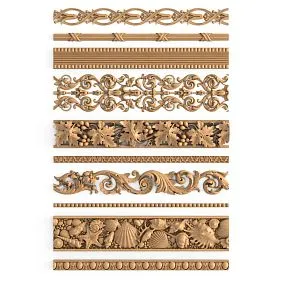
● Molding, cornices, baseboards
Narrow planks give the interior an elegant look, neatly concealing technological seams between walls and floors or ceilings.
● Decorative panels and niches
Wood inserts combine with glass, metal, and stone, introducing harmonious natural tones into the interior.
4.2. Outdoor work
● Facade decoration
Wooden planks are used to clad houses or individual architectural elements, emphasizing a natural style and protecting walls.
● Gazebos, terraces, balconies
Larch or thermowood is ideal for outdoor structures, retaining their strength and appearance over time.
4.3. Furniture and accessories
● Cabinet, sideboard, and chest facades
They give furniture a natural charm and easily combine with other materials.
● Decorative frames
Individual planks can be used as a base for mirrors, paintings, or photographs, creating a harmonious accent in the interior.
5. How to choose the optimal plank option
Before buying a wooden plank, you must clearly understand what result you want to achieve. Consider the following factors:
- Purpose and operating conditions
Humidity, temperature, and load intensity indoors or outdoors — all of this affects the choice of wood species and processing method.
- Style Solutions
If you love a classic interior — oak or beech will suit you; in Scandinavian style, light coniferous species will be appropriate; in loft style — weathered, brushed wood.
- Budget
Coniferous planks are cheaper, oak and broadleaf planks are more expensive but longer-lasting. Don't forget to consider the cost of additional treatment or painting.
- Installation conditions
If you plan to install them yourself, choose planks with a convenient mounting system (tongue-and-groove, clip mounting). For complex curved surfaces or large-scale projects, it is better to consult professionals.
- Design and dimensions
Think about how the pattern will look in the room. Narrow planks can visually increase ceiling height or emphasize wall length, while wide planks install faster and can bring a sense of stability and 'monumentality' to the interior.
6. Purchase process: what to pay attention to
6.1. Quality Check
● Visual Inspection
Ensure the surface is flat, without deformations or deep cracks. Permissible knots should be tight.
● Wood Moisture Content
Recommended level — 8–12%. Over-dried boards may crack, while overly wet ones may warp.
● Grade and Class
Some manufacturers indicate classes (A, B, C) or use professional standards. The higher the class, the fewer defects and knots.
6.2. Preparation for Installation
● Quantity Calculation
It’s better to purchase a little extra, accounting for possible defects and trimmings.
● Coordination with Designer or Master
If you lack personal experience, consult a specialist who will suggest the optimal solution for your project.
● Transportation
During transportation, it’s important to protect the boards from moisture and mechanical damage. Use special packaging materials or place them carefully in the vehicle.
7. Installation and Care of Wooden Boards
7.1. Methods of Fastening
- Using adhesive
Suitable for flat surfaces, when preserving external aesthetics and avoiding nail or screw marks is important.
- With Screws or Nails
Traditional method, allowing easy replacement of part of the covering. Must consider concealing screw heads.
- On Lathing or Frame
For outdoor work or walls with uneven surfaces, lathing is often made, to which the boards are then attached.
7.2. Protective Coatings
● Lacquer
Creates a protective film and imparts gloss. Ideal where enhanced surface durability is required.
● Oil and Wax
Penetrates deeply into the structure, highlighting the natural grain. The surface remains 'breathable' and pleasant to the touch.
● Paint
A wide range of colors and shades allows selecting a solution for any interior. Paint conceals the structure but reliably protects the wood.
7.3. Maintenance and Care
- Regular dust removal: with a soft dry cloth or slightly damp cloth, without aggressive cleaners.
- Moisture protection: monitor humidity levels and avoid direct contact with water during cleaning.
- Repair: restore minor damage areas by sanding and reapplying protective coating.
8. Design Ideas for Using Wooden Planks
● Accent Wall
Arrange planks horizontally or vertically to visually 'stretch' or 'expand' the room.
● Paneling or Recessed Plank Dividers
Narrow planks become a stylish space divider while maintaining lightness and transparency.
● Combination with Other Materials
Wood looks great paired with metal, glass, or natural stone, creating a layered and interesting design.
● Furniture and Door Panels
Finishing facades, embedding ornaments, or creating frames with wooden planks add exclusivity and highlight the interior’s individuality.
9. Conclusion: Why Buying Wooden Planks is Beneficial
Solution buying a wooden plank — is a step toward natural materials, durability, and aesthetic variety. With properly selected planks, you will be able to:
● Create a cozy and warm atmosphere in your home;
● Make the interior unique, reflecting your individuality;
● Safely protect surfaces provided proper treatment;
● Save on repairs in the long term due to wood’s durability.
Wooden planks allow working with subtle design nuances, creating either a chalet atmosphere, an eco-style, or modern minimalism. At the same time, they remain an accessible and straightforward installation solution for those who value nature’s harmony in their surroundings. The better you analyze your future project, consider the room’s features and style preferences, the higher the likelihood that purchasing wooden planks will be a successful investment in the beauty and comfort of your home.
Now that you know all the subtleties and nuances, it’s time tobuying a wooden plank and begin implementing your envisioned project. May your apartment or house come alive with new colors, and natural wood provide warmth and aesthetic enjoyment for many years!