Article Contents:
- 1. Surface preparation: the key to success
- Thorough sanding
- Cleaning and Degreasing
- Priming
- Types of paints
- Color selection
- Testing on a small area
- Manual application with a brush
- Painting with rollers
- Spraying paint
- Using decorative painting techniques
- Application of protective coating
- Surface polishing
- Regular care and coating renewal
- Plan each stage
- Experiment on small areas
- Work carefully and don't rush
- Use quality materials and tools
- Learn from professionals
- Photo galleries and case studies
- Success stories
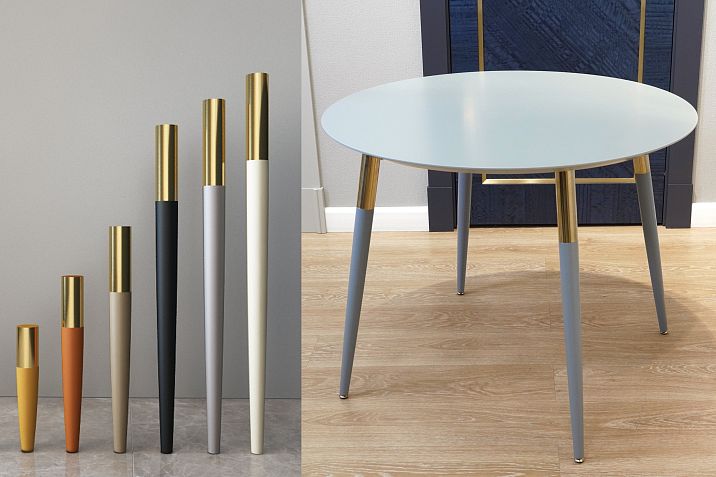
Beautifully painting wooden furniture is not just a way to refresh the interior, but an art form that allows you to highlight the uniqueness of natural material. The right choice of paint, careful surface preparation, skilled application, and final finishing can transform even old wooden furniture, giving it a modern look or, conversely, emphasizing its classic elegance. In this article, we will thoroughly explain how to beautifully paint wooden furniture, share professional secrets, and examine which technologies and materials will help achieve a flawless result.






1. Surface preparation: the key to success
Our factory also produces:


Thorough sanding
Before starting to paint, it is extremely important to properly prepare the wooden surface. Sanding is one of the key stages, which determines how smooth and even the finish will be. Use sandpaper with different grits: start with a coarser one (e.g., 80-120 grit), then move to finer (220 grit and above). This will help remove old coatings, smooth out imperfections, and create an ideal base for paint application.
Get Consultation
Cleaning and degreasing
After sanding, the surface must be thoroughly cleaned of dust and other contaminants. You can use a vacuum cleaner, a damp cloth, or a special wood cleaner. Degreasing is also important, especially if the furniture was previously coated with waxes or oils. Use a spirit-based solution or specialized degreasers to ensure the paint adheres evenly and firmly to the wood.
Wood Primer Treatment
Applying primer is a crucial step that improves paint adhesion to wood, reduces material absorption, and ensures even color distribution. Primer prevents the wood texture from showing through and results in a more vibrant and durable finish. Choose a primer suitable for the type of paint you plan to use.
2. Paint Selection: Color and Texture Harmony
Types of Paints
There are many types of wood paints available on the market. Here are the main ones:
● Acrylic Paints
Easy to apply, dry quickly, and have good adhesion. They are resistant to fading and can be easily applied even on complex surfaces.
● Latex Paints
Highly elastic, making them ideal for wooden surfaces prone to deformation. They also have excellent water resistance.
● Alkyd Paints
Known for their high durability and longevity, they create a glossy finish and are well-suited for furniture that is frequently used.
Color Selection
The paint color should harmonize with the interior and highlight the natural beauty of the wood. For a classic look, choose warm tones such as beige, brown, terracotta, or rich copper. If you want to add a modern touch, you can use neutral or even contrasting colors that will become accents in the interior.
Testing on a Small Area
Before painting the entire surface, it is recommended to conduct a test on a small area. This will allow you to evaluate how the paint applies, how it looks after drying, and whether it meets your expectations. If the result satisfies you, you can proceed with the main work.
3. Painting Techniques: From Traditional to Modern Methods
Brush Application
Using brushes for painting is a traditional and time-tested method that allows for even paint application. It is important to choose high-quality brushes that ensure even distribution and minimize streaks. Manual application is ideal for small surfaces or details requiring special care.
Painting with Rollers
A roller is an effective tool for quickly and evenly covering large areas. It allows you to achieve a smooth, even surface, especially if using special microfiber rollers. This method is well-suited for painting large wooden panels or walls.
Spray Painting
A spray gun allows for the most even and thin paint layer, which is especially important for complex decorative elements. This method is often used in professional workshops, as it requires certain skills and experience, but the result can be impressive — a perfectly smooth and even surface without streaks.
Using Decorative Painting Techniques
To create unique effects, you can use various decorative painting techniques:
● Screen Printing
Allows for applying complex patterns and textures, creating a deep and rich color effect.
● Gradient and Ombre
A smooth transition from one shade to another can add dynamism and modernity to the interior.
● Stenciling and Masking
Using stencils allows creating repeating patterns that give the surface individuality and originality.
4. Final finishing: guarantee of durability and shine
Application of Protective Coating
After the paint has fully dried, it is important to apply a protective coating that will preserve the color, add shine, and protect the surface from external influences. Eco-friendly varnishes, oils, or waxes will help fix the paint, protect the wood from moisture and UV rays, and make the surface more durable and resistant to wear.
Surface polishing
After applying the protective layer, you can perform additional surface polishing to achieve perfect smoothness and shine. Polishing removes minor imperfections and creates a mirror-like finish that highlights the depth of color and wood texture.
Regular care and coating renewal
To ensure the result pleases the eye and retains its qualities, it is necessary to regularly care for painted furniture or interior elements. Renew the protective coating, periodically wipe the surface with a soft cloth, and monitor the room's humidity level. This will help avoid paint cracking and fading, preserving the natural beauty of the wood for many years.
5. Expert tips: how to achieve a perfect result
Plan each stage
Before starting to paint, create a detailed work plan. Determine what tools and materials you will need, how long each stage will take, and which techniques you will use. Clear planning will help avoid mistakes and save time.
Experiment on small areas
Before painting the entire surface, try different techniques and colors on a small test area. This will allow you to see how the paint settles, how it looks after drying, and help you adjust the technique or choose a different shade.
Work carefully and do not rush
Beautiful finishing requires patience and care. Do not rush; allow each paint layer to dry properly, monitor even application, and carefully handle edges. Gradual application of several thin paint layers will yield a higher quality and smoother result than one thick layer.
Use quality materials and tools
The quality of paint, tools, and protective products directly affects the final result. Invest in proven materials to ensure even application, good adhesion, and long-lasting coating. This is especially important for natural wood, which requires special attention and careful handling.
Learn from professionals
If you are just starting to work with wood, do not hesitate to seek advice from professionals. Master classes, instructional videos, and specialist consultations will help you master necessary techniques and achieve a flawless result. Exchanging experience with skilled craftsmen will help you quickly master the subtleties of working with natural wood and painting.
6. Inspiration: examples of beautiful wood painting
Photo Galleries and Case Studies
Studying the works of other masters is an excellent way to find inspiration and ideas for your own project. Photo galleries of beautiful wooden items, showcasing various painting techniques, allow you to see how unique effects can be achieved using gradients, stencil painting, or decorative stamping. These examples can serve as a starting point for your experiments and help you decide on the technique and color.
Success stories
Real stories of masters who transformed old wooden furniture or interior finishes using quality painting inspire experimentation and show that even minor changes can completely alter the appearance of an item. These stories prove that the beauty of wood can be enhanced by modern technologies and creative approaches.
Conclusion
Beautifully painting wooden furniture or interiors is an art that requires careful preparation, quality materials, and meticulous execution. Proper sanding, choosing the right paint, using modern application methods, and final finishing create the foundation for an ideal result. At the same time, it is important not to forget about regular care, which will help preserve the original beauty of the wood for many years.
If you dream of transforming your wooden furniture or creating a unique interior using natural wood, follow the provided recommendations and do not be afraid to experiment. Careful planning, using quality materials, and attention to detail will help you achieve a result that will delight you every day.
Let your creativity open new horizons in the world of wooden items, and each project will reflect your taste, pursuit of perfection, and love for natural materials. Invest in quality, learn from masters, and create beautiful wooden items that will inspire and bring warmth to your home!