Article Contents:
- Fundamental principles of furniture gluing
- Classification of adhesive compositions for furniture
- Technological specifics of various gluing operations
- Surface preparation for gluing
- Modern equipment for furniture gluing
- Quality control of adhesive joints
- Special gluing technologies in furniture manufacturing
- Adhesive systems for special operating conditions
- Ecological aspects of furniture gluing
- Certification and standards of ecological safety
- Defects of adhesive joints and methods of their prevention
- Repair of adhesive joints
- Innovative directions of development of adhesive technologies
- Automation of gluing processes
- Economic aspects of adhesive technologies
- Calculation of economic efficiency of adhesive systems
- Training and Staff Qualification Enhancement
- Modern methods of training
- The future of adhesive technologies in the furniture industry
- Conclusion
In the world of furniture production, there is an art that combines the precision of an engineer with the intuition of a craftsman. The question of how to glue furnituregoes far beyond simply applying adhesive to a surface. It is a complex science encompassing the chemistry of materials, the physics of curing processes, the ergonomics of production operations, and the aesthetics of finishing.
Each adhesive joint in a furniture structure carries tremendous responsibility. The quality of gluing affects not only the longevity of the product but also its safety during use. Modern furniture experiences significant loads: static from the weight of its contents, dynamic from constant use, and climatic from changes in temperature and humidity. All these factors require a deep understanding of adhesion and cohesion principles as applied to different materials.


Fundamental principles of furniture gluing
The gluing process of furniture is based on complex physicochemical interactions between the adhesive and the materials of the joined parts. Understanding these processes allows the craftsman to make an informed choice of technologies and materials for each specific task.
Adhesion strength is determined by molecular interaction between the adhesive and the material surface. Different wood species have varying porosity, density, resin content, and extractives, which directly affect the quality of gluing. Dense hardwoods with tight structures require special approaches to ensure deep penetration of the adhesive into the material pores.
Cohesion strength characterizes the internal structure of the adhesive joint. A properly formed adhesive joint should have optimal thickness, uniform density, and absence of internal stresses. Achieving these parameters requires precise adherence to the technological regimes of application, dwell time, and pressing.




Classification of adhesive compositions for furniture
The modern market offers a wide range of adhesive compositions, each designed to solve a specific set of tasks. Choosing the right adhesive becomes a critically important factor for the success of the entire production process.
Acetate vinyl adhesives hold leading positions in furniture manufacturing due to their optimal combination of technological efficiency, environmental safety, and cost. These compositions provide high bonding strength when working with most wood materials, have a long open time, allowing adjustment of part positions during assembly.
Polyurethane adhesives are distinguished by exceptional strength and moisture resistance, making them indispensable for manufacturing furniture used in high-humidity conditions. Kitchen furniture, bathroom furniture, and garden furniture—all these product categories require the use of moisture-resistant adhesive systems.
Melamine-formaldehyde compositions are used in industrial production to create exceptionally strong joints capable of withstanding extreme loads. These adhesives require thermal curing, which necessitates the use of special equipment but ensures unparalleled durability of joints.
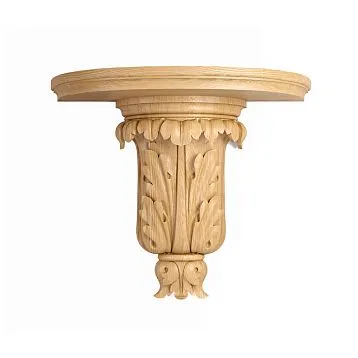
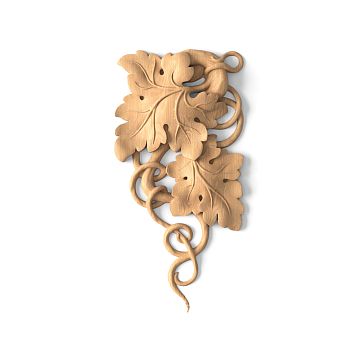
Our factory also produces:


Technological features of various gluing operations
Furniture manufacturing includes numerous different gluing operations, each with its own technological features and requiring specific approaches to execution.
Gluing solid wood into panels is one of the most responsible operations. The quality of the joint between boards determines the strength and stability of the entire structure. Edge preparation must ensure ideal joint geometry—deviations from flatness must not exceed fractions of a millimeter.
Plywooding and veneering require special attention to even glue application and the creation of necessary pressure across the entire joint area. Modern membrane-vacuum presses allow for uniform pressure even on complex curved surfaces, opening new possibilities for design solutions.
Assembly operations in case furniture require high-speed execution and precise positioning of parts. Using fast-curing adhesives reduces technological dwell times but requires high skill and precise coordination from the operator.
Get Consultation
Surface preparation for gluing
The quality of surface preparation for gluing largely determines the strength and longevity of the future joint. Even the highest-quality adhesive cannot compensate for defects in surface preparation.
Mechanical surface processing must provide optimal roughness for adhesive bonding. Too smooth a surface will not provide sufficient adhesion, while excessively rough surfaces will cause uneven glue distribution and weaken the joint. Modern milling machines allow achieving surfaces with specified roughness parameters.
Dust removal and degreasing remove contaminants from surfaces that may hinder adhesive bonding. Wood dust, traces of lubricants, and fingerprints—all these contaminants must be completely removed before applying adhesive.
Moisture conditioning of materials plays a critically important role in ensuring gluing quality. Different moisture levels in the parts being joined may lead to internal stresses in the adhesive joint and its failure during operation.
Modern equipment for furniture gluing
Technological progress has fundamentally changed approaches to organizing gluing processes in furniture manufacturing. Modern equipment allows automating most operations, improving the quality and stability of results.
Glue application machines provide precise dosing and even distribution of glue across the part's surface. Different types of application heads allow working with adhesives of varying viscosity and achieving the required glue layer thickness. Glue recirculation systems minimize waste and ensure stable adhesive composition properties.
Pressing equipment creates the necessary pressure for forming high-quality adhesive joints. Hydraulic, pneumatic, and screw presses—each type has its own areas of application. Modern presses are equipped with programmable control systems, allowing precise control of pressure, temperature, and dwell time.
High-frequency installations for accelerating adhesive curing significantly reduce production cycles. Dielectric heating ensures uniform heating of the adhesive joint throughout its volume, which is especially important when working with thick parts.
Quality control of adhesive joints
Modern quality standards require a comprehensive approach to controlling adhesive joints at all stages of the manufacturing process. The quality system must cover incoming material inspection, in-process control of technological processes, and final inspection of finished products.
Non-destructive testing methods allow evaluating the quality of adhesive joints without damaging the products. Ultrasonic testing detects hidden defects in adhesive joints, such as uncured areas, air inclusions, and delamination. Thermal imaging allows identifying areas with disrupted adhesive joint structure.
Destructive tests are conducted on special samples to determine the strength characteristics of adhesive joints. Tensile, shear, and peel tests provide quantitative assessment of gluing quality and allow optimizing technological parameters.
Long-term tests simulate furniture operating conditions and allow predicting the durability of adhesive joints. Cyclic loading, exposure to elevated temperature and humidity, and ultraviolet radiation—all these factors must be considered when developing new adhesive systems.
Special gluing technologies in furniture manufacturing
The development of the furniture industry requires continuous improvement of gluing technologies. New materials, complex structures, and higher environmental requirements—all this stimulates the development of innovative solutions.
Cold gluing at room temperature remains the primary method for assembling furniture in small workshops and individual production. Advances in adhesive chemistry have enabled the development of systems that provide high joint strength without heating or high pressure.
Hot gluing using heating significantly accelerates adhesive curing and allows obtaining joints with increased strength. Contact heating through heated press plates, convective heating with hot air, and dielectric heating with high-frequency currents—each method has its advantages and areas of application.
Reactive gluing uses adhesive systems that cure under the influence of chemical agents or catalysts. Such systems allow obtaining joints with unique properties—enhanced heat resistance, chemical resistance, and elasticity.
Adhesive systems for special operating conditions
Modern furniture is used under the most diverse conditions, requiring the application of specialized adhesive systems adapted to specific operating conditions.
Water-resistant adhesives are indispensable in manufacturing kitchen furniture, bathroom furniture, saunas, and swimming pools. These compositions must maintain bond strength under constant moisture exposure and temperature fluctuations. Modern polyurethane and epoxy systems provide water resistance class D4 according to European standards.
Heat-resistant adhesives are used in manufacturing furniture subjected to elevated temperatures. Fireplace shelves, sauna and bath furniture, kitchen countertops near cooking surfaces — all these items require special adhesive systems that retain their properties at temperatures up to 200°C and above.
UV-resistant adhesives are used in producing outdoor furniture and terrace furniture. Exposure to solar radiation can lead to degradation of conventional adhesive compositions, hence UV-stabilized systems are employed.
Ecological Aspects of Furniture Bonding
Modern society imposes higher requirements for the ecological safety of furniture products. This applies not only to the final product but also to all technological processes involved in its manufacturing, including bonding operations.
Formaldehyde emissions remain one of the main ecological problems in the furniture industry. Traditional formaldehyde-containing adhesives are gradually replaced by safer alternatives. Isocyanate-based, formaldehyde-free polyurethane, and natural protein adhesives — all these options allow reducing emissions of harmful substances.
Biodegradable adhesives based on natural polymers are attracting increasing attention from manufacturers of eco-friendly furniture. Casein, albumin, and plant protein-based adhesives provide sufficient bond strength while being fully biologically compatible.
Recycling and disposal of adhesive waste are becoming an important part of enterprises' ecological policies. Modern technologies enable reusing adhesive compositions, minimizing waste generation, and ensuring safe disposal of spent materials.
Certification and Standards for Ecological Safety
International standards set strict requirements for emissions of harmful substances from furniture products. Standards E1, E0, GREENGUARD, CARB Phase 2 define maximum allowable levels of formaldehyde and other volatile organic compounds emissions.
Environmental certification systems evaluate not only the final product but also the entire life cycle of the item, from raw material production to disposal. Certifications FSC, PEFC, Cradle to Cradle consider the ecological impact of all materials used, including adhesive compositions.
Production ecology encompasses issues of ensuring safe working conditions, minimizing environmental impact, and efficient resource utilization. Modern enterprises implement closed technological cycles, air and wastewater purification systems, and energy-saving programs.
Defects in Adhesive Joints and Methods of Prevention
Understanding the causes of adhesive joint defects and methods of their prevention is critically important for ensuring stable product quality. Each defect has its own characteristic features and requires specific preventive measures.
Incomplete bonding occurs due to insufficient contact of adhesive with the material surface or premature thickening of the adhesive. Main causes include improper surface preparation, violation of adhesive application regimes, exceeding open time. Prevention includes thorough surface preparation, viscosity control of adhesive, and adherence to assembly time regimes.
Adhesive joint delamination occurs due to insufficient adhesion of adhesive to the material or due to internal stresses. Causes may be related to surface contamination, incorrect adhesive selection, or violation of curing regimes. Prevention requires a comprehensive approach to adhesive system selection and strict adherence to technology.
Cracking of adhesive joints is a result of internal stresses arising from adhesive shrinkage or temperature-humidity deformations of the material. Preventive measures include proper selection of adhesive elasticity, moisture control of materials, and optimization of curing regimes.
Repair of Adhesive Joints
Despite all precautions, damage to adhesive joints may occur during furniture use, requiring repair. Quality repair must restore not only strength but also the aesthetic qualities of the item.
Partial repair is applied for localized damage of small area. The damaged area is thoroughly cleaned of old adhesive residue, degreased, and re-bonded. The adhesive chosen for repair must consider compatibility with the original adhesive composition.
Full re-bonding is required for serious damage when restoring individual sections is impossible or impractical. Such repair requires complete disassembly of the joint, removal of old adhesive, surface preparation, and re-bonding in accordance with all technological requirements.
Joint reinforcement is applied when the original construction proved insufficiently strong for operating conditions. Additional adhesive joints, mechanical fasteners, reinforcing elements — all these measures allow increasing the reliability of the structure.
Innovative Directions in Adhesive Technology Development
The furniture industry constantly seeks new solutions to improve quality, reduce costs, and enhance the ecological characteristics of products. Innovative adhesive technologies play a key role in this process.
Nanotechnologies open new possibilities for creating adhesive compositions with unique properties. Nanoscale additives allow significantly improving the strength, heat resistance, and water resistance of adhesive joints while keeping cost increases minimal.
Biotechnologies offer fundamentally new approaches to creating environmentally clean adhesive systems. Adhesives based on modified natural polymers, enzymatically curing systems, and adhesives from renewable raw materials — all these directions are actively developing and finding practical applications.
Smart adhesive systems can alter their properties depending on operating conditions. Thermoreversible adhesives allow disassembling structures for repair or disposal, self-healing systems automatically seal microcracks, and indicator adhesives signal the onset of joint failure.
Automation of Bonding Processes
Advancements in robotics and artificial intelligence systems open new opportunities for automating bonding processes in furniture manufacturing. Robotic systems ensure high precision and repeatability of operations with minimal human involvement.
Machine vision systems allow real-time control of adhesive application quality. Automatic defect detection, parameter adjustment, and rejection of defective parts — all these functions enhance the stability of the technological process.
The Internet of Things ensures the integration of equipment into a unified enterprise information system. Monitoring adhesive consumption, controlling curing modes, forecasting material requirements — all this data is fed into the production management system in real time.
Artificial intelligence analyzes large volumes of production data and identifies hidden patterns affecting bonding quality. Machine learning enables optimization of technological regimes, prediction of defects, and minimization of material waste.
Economic Aspects of Adhesive Technologies
The cost of adhesive materials constitutes a relatively small portion of the cost of furniture products, yet their impact on overall production economic efficiency can be significant. Proper selection of an adhesive system allows optimization of many aspects of the production process.
Bonding productivity directly affects the throughput capacity of production lines. Fast-curing adhesives allow reducing technological dwell times and increasing equipment utilization. However, their application requires higher personnel qualifications and strict adherence to technological regimes.
The yield of good products depends on the stability of bonding processes. High-quality adhesive systems ensure minimal percentages of scrap and rework, significantly reducing production costs. Investments in quality adhesives and modern equipment quickly pay off due to reduced losses.
Logistical costs can be optimized through proper selection of packaging and storage periods for adhesive materials. Concentrated adhesives reduce transportation costs, while adhesives with long shelf lives allow creating safety stocks without risking material spoilage.
Calculation of Economic Efficiency of Adhesive Systems
A comprehensive assessment of the economic efficiency of various adhesive systems must consider not only the cost of the materials themselves, but also all related factors influencing overall production costs.
Direct costs include the cost of adhesive, solvents, auxiliary materials, energy for curing, and depreciation of specialized equipment. These costs are easily calculable and comparable across different adhesive system options.
Indirect costs are related to the impact of the adhesive system on other aspects of production. Technological dwell times affect productivity, bonding quality affects scrap rates, and environmental characteristics affect environmental protection costs.
Hidden costs often remain unnoticed in superficial analysis but can significantly affect production economics. Costs for training personnel in new technologies, modernizing ventilation systems, certifying products — all these factors must be considered when making decisions.
Training and staff qualification improvement
The quality of adhesive joints depends significantly on the qualifications of personnel performing these operations. Modern adhesive technologies require deep knowledge of material chemistry, understanding of physical processes, and skills in operating complex equipment.
Theoretical training should cover fundamentals of polymer chemistry, physics of adhesion and cohesion, wood and wood material science. Understanding these fundamental principles enables craftsmen to make correct decisions in non-standard situations and adapt technologies to changing conditions.
Practical skills are developed through working with various adhesive systems and equipment. Skills in surface preparation, adhesive application, assembly and pressing, quality control — all these operations require continuous practice and refinement.
Personnel certification ensures confirmation of qualifications and compliance with international standards. Different certification levels — from basic to expert — allow creating a system of professional growth and motivation for personnel.
Modern Methods of Training
Implementing new training technologies makes the process of preparing personnel more efficient and accessible. Virtual reality allows practicing bonding skills in a safe environment without material consumption and risk of defects.
Distance learning is especially effective for studying theoretical aspects of adhesive technologies. Interactive courses, video materials, virtual laboratories — all these tools allow acquiring knowledge at a convenient pace and anytime.
Microlearning breaks complex topics into small modules that can be studied as needed. This approach is especially effective for training specific technological operations and solving practical tasks.
Gamification uses game elements to increase learners' motivation. Systems of points, rankings, and achievements make the learning process more engaging and effective.
The Future of Adhesive Technologies in the Furniture Industry
The development of the furniture industry is inseparably linked to the advancement of adhesive technologies. New materials, changing consumer demands, environmental challenges — all these factors determine the industry's development directions over the next decades.
Customization of furniture requires flexible production technologies capable of quickly adapting to changing requirements. Adhesive systems with programmable properties, the ability to quickly switch adhesive types, automatic adaptation of application regimes — all these technologies will be in demand in the future.
Circular economy imposes new requirements for the disassembly and reuse of furniture assemblies. Reversible adhesive systems, selective disassembly of joints, full recyclability of materials — these aspects are becoming increasingly important.
Integration with digital technologies opens new opportunities for monitoring the condition of adhesive joints during furniture use. Embedded sensors, wireless data transmission, predictive analytics — all these technologies will enable creating furniture with self-diagnostic capabilities.
Conclusion
The mastery of how to glue furnitureis formed through years of practice and continuous study of new technologies. A modern furniture maker must be both a chemist and a mechanic, a technologist and an artist. Only such a comprehensive approach allows creating products that not only perform their function but also please the eye, serve for decades, and do not harm the environment.
The evolution of adhesive technologies continues, opening new horizons for creativity and innovation. Each new generation of adhesive systems brings improved characteristics, expanded application possibilities, and enhanced environmental safety. Masters who keep pace with this development gain competitive advantages and the opportunity to create world-class products.
For many years, STAVROS has remained a reliable partner for professionals in the furniture industry, offering not only high-quality adhesive materials but also comprehensive technical support. Deep understanding of industry needs, continuous development of product range, investments in research and development make STAVROS a leader in modern adhesive technologies for furniture production.