Article Contents:
- 1. Start with an idea: Define your goal and concept
- 2. Finding inspiration: Where to get materials
- 3. Selection and organization: How to choose the best from what you found
- 4.1 Format selection
- 4.2 Composition principles
- 5. Final refinement and evaluation
- Conclusion
A mood board is not just a collection of images, cutouts, and textures. It is your true map of inspiration, a visual planning tool, and a powerful instrument for bringing your boldest ideas to life. Want to learn how to create mood boards that are not just 'assembled,' but truly alive, breathing, and helping you move toward success? Then this article is for you. We will break down how to step-by-step transform abstract concepts into a vibrant visual narrative that will become the foundation of your project — whether it’s interior design, branding, or artistic creation.


1. Start with an idea: Define your goal and concept
First, you need to start with a clear understanding of why you are creating a mood board and what you want to convey. Ask yourself a few simple but important questions:
● What mood and atmosphere do you want to evoke?
Do you want your project to be cozy, dynamic, minimalist, or eclectic?
● What style inspires you?
This could be classic, modern, Scandinavian minimalism, or even something completely unusual.
● What story or idea do you want to tell?
A mood board should become the starting point for developing an idea, so formulate your key thoughts and emotions.
Write down your answers on paper or in a digital notebook. Clearly formulated concept will be your guide in further searching for visual materials.




2. Finding inspiration: Where to get materials
Inspiration can be found everywhere if you know how to look at it from the right angle. Here are several sources that will help you gather all the necessary elements for your mood board:
● Online platforms:
Pinterest, Behance, Instagram, as well as specialized design websites, are full of ideas and visual trends. Create folders or boards to save images you like.
● Printed publications:
Design magazines, art books, catalogs, and fashion publications are full of bright ideas and original solutions.
● Personal observations:
Walks around the city, trips, visiting exhibitions and museums can give you unique moments that you won’t find on the internet.
● Materials around you:
Textured surfaces, colors of nature, even random objects can become important elements of your future mood board.
Record everything that evokes emotions in you, even if it seems insignificant at first glance. Often, unexpected details become the highlight of the final composition.
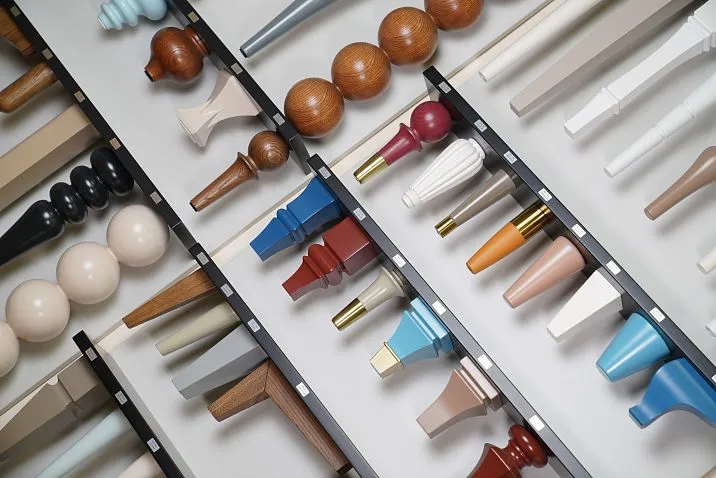
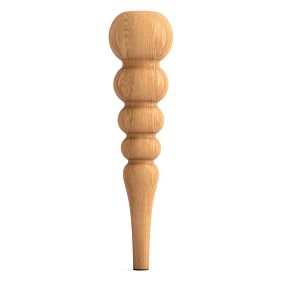
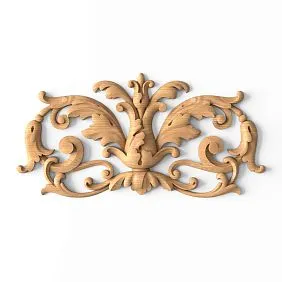
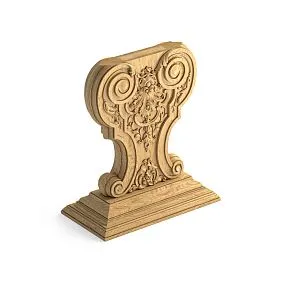
Our factory also produces:




3. Selection and organization: How to choose the best from what you found
When you have gathered enough materials, it’s time for selection. Here, it’s important to be selective so that your final mood board does not contain unnecessary elements:
Sort by categories:
Group materials: color palette, textures, photos, graphic elements, quotes, and other.
Define priorities:
Highlight the elements that best match your concept. Let them be the 'stars' of your moodboard.
Remove the unnecessary:
If any detail does not evoke the desired emotions or does not fit the overall idea — do not hesitate to remove it. The moodboard should be concise and clear.
This stage allows you to create a foundation, making it easier to move on to the next step — composition and layout.
4. Moodboard Composition: Turning Ideas into a Living Image
Get Consultation
4.1 Format Selection
You can work either digitally or physically:
● Digital mood board:
Applications like Canva, Milanote, Adobe Spark, or even simple image editing programs allow you to easily edit, move, and combine elements. The digital format is convenient for quick idea exchange with colleagues and clients.
● Physical mood board:
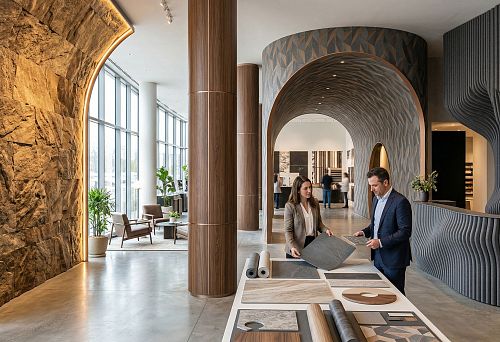
Working with real cutouts, fabric samples, paints, and other materials allows you to experience tactile sensations and can become a source of additional inspiration. Arrange elements on a large sheet of paper or in a special album.
4.2 Composition Principles
● Balance:
Arrange elements so that none of them overwhelms the composition. Leave 'white space' to allow your eyes to rest.
● Focal Points:
Identify the main accents that will draw attention. These may be bright images or key colors that set the tone for the entire moodboard.
● Contrast and Harmony:
Play with contrasting elements — combine bright and soft colors, smooth and textured surfaces, strict lines and free forms. It is important that all details work in harmony, creating a unified whole.
● Iterativeness:
Do not be afraid to try different layout options. A moodboard is a living process that can change and evolve alongside your ideas. Try several variations and choose the one that best conveys the intended mood.
5. Final Refinement and Evaluation
After you have gathered all elements and created the composition, give yourself time to 'step away' from the project. Return to the moodboard several hours or even the next day. This break will allow you to view everything with a fresh perspective and discover what can be improved:
● Check whether the moodboard matches your original idea. If any details cause doubt, do not hesitate to change them.
● Discuss the work with colleagues or friends. Sometimes an outside perspective can reveal hidden opportunities or shortcomings that you did not notice.
6. Practical Tips for Success
● Be bold. Your moodboard should reflect your individuality and creative freedom. Do not be afraid to experiment and try unconventional solutions.
● Listen to yourself. If any element evokes strong emotions in you, be sure to include it in the composition. Your inner sense of style is your best guide.
● Do not be afraid of revisions. A moodboard is not a final product, but a tool for developing an idea. It can and should be adjusted as the project progresses.
● Use high-quality materials. Whether digital images or real textures — the quality of details plays a crucial role in the overall impression of the moodboard.
Conclusion
How to make a mood board? It's not a riddle, but a creative process where authenticity and passion for ideas are key. A mood board is your starting point, helping transform abstract dreams into tangible visual plans. It sets the tone for the entire project, brings together the boldest thoughts, and helps you share them with those around you.
When creating a mood board, you're not just collecting images—you're building a bridge between imagination and reality, between ideas and their realization. It's a process where every detail matters, and every thought finds its place in a unified, harmonious narrative.
If you aim to bring your bold ideas to life and create a space that inspires and surprises, trust the professionals. STAVROS is your reliable partner in the world of design and innovation.
STAVROS offers comprehensive solutions for interior design, branding, and implementation of projects of any complexity. Their experience and innovative approach help turn even the boldest concepts into works of art, where every detail matters. Let STAVROS be your guide into the world of boundless possibilities of your creativity.
Create, experiment, and remember: every mood board is a step toward realizing your ideas, a reflection of your soul, and the beginning of a new exciting project!