Article Contents:
Decorating a door is a simple way to transform a space, adding uniqueness and completeness to the entire interior. Doors play not only a functional but also a decorative role in a home, so the right approach to their decoration can dramatically change the perception of the entire room. How to decorate a door beautifully so that it attracts attention and harmoniously fits into the interior? What materials and styles are best suited for home decoration?
In this article, we will consider various approaches to decorating doors, starting from simple ways to decorate the inner surface of the door to more complex solutions for the house facade. You will learn how to choose the right style, combine materials, and bring your ideas to life.


Types of Door Decor: Ideas for Stylish Design
Decorating a door can be done in different styles and using various materials. The choice depends on your taste, the overall style of the house, and the tasks you set for this element. Let's consider the main types of door decor that will help create a unique accent in the interior or on the facade.
1. Decorative Appliqués and Mouldings: Elegance and Style
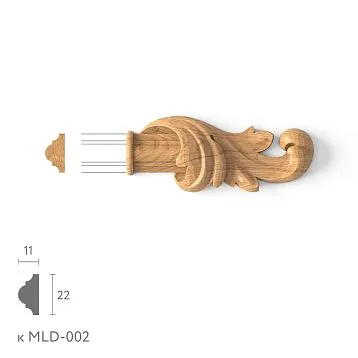
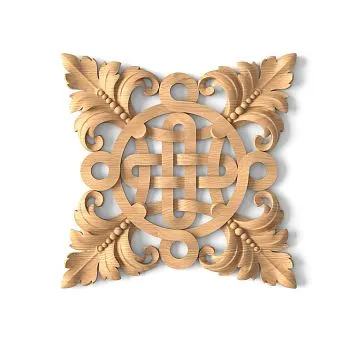
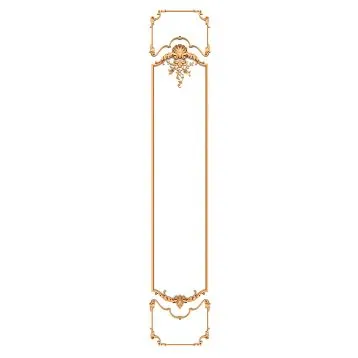
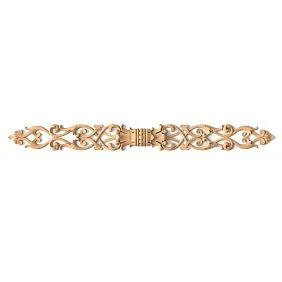
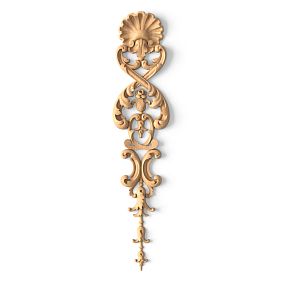
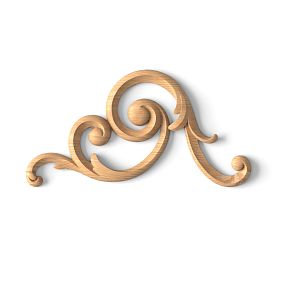
Decorative Appliqués for Doorsincluding mouldings and carved elements — is a way to highlight the status of the interior and introduce a touch of classic style. Decorative appliqués are easily attached to the door surface, adding volume and elegance. Such elements are perfect for creating complex patterns or ornaments, making the door expressive and aesthetically appealing.
- Classic Style: For decorating doors in a classic style, refined carved patterns and mouldings, which will emphasize the elegance and traditionalism of the interior.
- Modern Style: In more modern interiors, geometric appliqués and minimalist mouldings are used, which add style and expressiveness to the door without unnecessary details.
2. Polyurethane Relief Decor: Universality and Durability
Lightweight and durable — an excellent choice for decorating doors both indoors and on the house facade. Polyurethane elements come in a variety of shapes and are suitable for creating complex patterns and compositions. Polyurethane relief decor looks as elegant as plaster molding, but is easier to install and maintain. polyurethane decor — great choice for decorating doors both indoors and on the house facade. Polyurethane elements offer a variety of shapes and are suitable for creating complex patterns and compositions. Polyurethane molded decoration looks as elegant as plaster molding, but is easier to install and maintain.
- Facade Decor: Polyurethane is resistant to weather conditions, so it is often used for decorating exterior doors. Facade decoration made of polyurethane adds charm to the house and makes the entrance area more presentable.
- Ease of Installation: Polyurethane easily attaches to the door surface using adhesive, allowing you to quickly and effortlessly refresh its appearance.
3. Glass Inserts and Stained Glass: Style and Light
Glass is one of the most popular materials for decorating doors, especially in interiors where natural light access is important. Stained glass, frosted, or colored glass adds elegance to the door and becomes an accent, drawing attention to this interior element.
- Stained Glass: Decorating a door with stained glass gives the interior artistic value and adds a touch of vintage or classic style. This is a suitable option for living rooms and dining rooms.
- Frosted Glass: In modern interiors, frosted glass adds privacy and style while still allowing light to pass through. This is especially relevant for doors to bathrooms or bedrooms.
4. Painting and Decorative Coatings: Simplicity and Style
One of the simplest ways to refresh the appearance of a door is to paint it in a new color or apply a decorative coating. Painting allows you to make the door a focal point of the interior and emphasize the room's color palette.
- Glossy Finish: Glossy coatings add shine to the door and visually expand the space, which is especially useful in small rooms.
- Textured Coatings: There are many textured coatings, such as reliefs, crackle finishes, or aging effects, which give the door a vintage and noble appearance.




Decorating Doors Yourself: Step-by-Step Guide
Creating a unique decor for doors yourself is an exciting process that allows you to express your own style and give the interior individuality. Whether you are decorating an entrance door or an interior one, a few simple steps will help you achieve a stunning result.
Step 1: Surface Preparation
Before beginning to decorate, it is important to prepare the door surface. This will allow decorative elements to adhere securely and last long, maintaining their aesthetic appearance.
- Cleaning. Start by cleaning the door of dust and dirt, especially if you plan to apply appliqués or molding. Wipe the door with a damp cloth, then let it dry completely.
- Sanding. If the door has uneven surfaces, sand it with fine-grit sandpaper. This will create a smooth surface for attaching decorative elements or painting.
- Priming. Applying primer to the door is especially important when using paint. Primer ensures even paint application and improves adhesion to the surface.
Step 2: Choosing Style and Materials
Before starting to decorate, decide on the style and select appropriate materials. This will help create a cohesive look and avoid excessive clutter.
- Classic style. If your interior is designed in a classic style, choose decorative appliqués and molding. Polyurethane or carved wooden molding will be ideal.
- Modern style. For modern decoration, minimalist elements such as smooth panels and molding will create a stylish and neat appearance.
- Mixed style. Eclecticism, which combines different elements, is becoming increasingly popular. You can combine classic appliqués with modern colors or effects, such as two-tone painting or using matte glass.
Step 3: Installing Decorative Elements
After preparation and style selection, proceed to installation. Regardless of the chosen decoration, it is important to be careful at this stage to ensure each element is securely attached and aesthetically pleasing.
- Installing appliqués and molding. For attaching appliqués and molding to the door, it is better to use construction adhesive. Apply adhesive to the back of the decorative element and press it onto the surface. Hold it for several seconds to ensure secure adhesion.
- Installing molding. Polyurethane elements are often attached using screws or adhesive depending on their weight. When using screws, it is important to carefully drive them into the material to avoid damage.
- Painting and finishing. After installing all elements, you can paint the door to achieve a finished look. Use water-based paint for wooden and polyurethane surfaces. For more complex effects, you can use crackle, patina, or aged effects techniques.
Step 4: Caring for Decorated Doors
To maintain the door’s appearance, its surface requires regular care.
- Regular cleaning. Periodically wipe the door with a soft dry cloth to remove dust. For wooden elements, you can use special polishes, and for polyurethane, use a damp cloth.
- Prevention of damage. Protect the door from excessive moisture and direct sunlight to avoid fading and material deformation.
- Updating the finish. If the door has been painted, it is recommended to refresh the finish every few years to maintain its aesthetic appearance and protect the surface.
Our factory also produces:

Tips for decorating doors in interiors and on facades
Every space requires its own approach to design, and decorating doors is no exception. Here are several useful tips for creating a harmonious door design in interiors and on the facade of your home.
-
Create an accent door. If you want the door to become a key accent in the room, choose a contrasting color or decorative elements that make it stand out against the walls.
-
Maintain a consistent style. For harmonious design, it is important that the door’s style matches the interior’s style. In modern interiors, smooth panels and minimalist elements are preferable, while in classic interiors, ornate molding and carved details are ideal.
-
Use glass and decoration combinations. Stained glass inserts surrounded by polyurethane appliqués give the door originality and allow you to control the level of lighting.
-
Emphasize the entrance area with facade decoration. If you are decorating the entrance door, add facade elements — cornices, corner details, and appliqués — to create a sense of grandeur and completion.
Get Consultation
How to properly choose and combine decorative elements for doors
Selecting and combining decorative elements is not just about choosing beautiful details, but also an important step in creating a cohesive, stylish interior. Regardless of whether you are decorating interior or facade doors, it is important to consider the overall design concept, materials, and home style. Here are several recommendations that will help you properly choose and harmoniously combine decorative elements.
1. Consider the overall interior style
The first step in choosing door decor is to match it with the room’s style. For example, if you have a classic interior, elements that emphasize elegance and tradition will be most suitable. Carved Door Decor With intricate patterns or molded cornices and rosettes, they will be an excellent solution.
- Modern interiors: For modern interiors, minimalist and sleek decorative elements such as moldings or panels will give doors a stylish look without excessive ornamentation.
- Mixed styles: If the interior is designed in a mixed style, you can combine elements from different styles, for example, using Wooden Inlays in combination with smooth polyurethane moldings. This approach will create interesting visual contrasts and add individuality to the interior.
2. Combine materials to create textural contrast
Combining different materials adds depth and visual interest to the interior. For example, combining wood and polyurethane in door design allows creating original textural accents. Wood gives the interior a natural and warm feel, while polyurethane elements, due to their lightness and durability, allow creating complex shapes and ornaments.
- Wood and glass: If you want the door to be not only decorative but also allow light to pass through, add glass inserts surrounded by carved wooden overlays. Glass makes the door visually lighter, while wooden decor adds elegance.
- Polyurethane and metal: To create a modern look, combine polyurethane moldings with metallic details such as handles, hinges, and overlays. This will emphasize the stylishness and relevance of the design.
3. Use color to create accents
Color is a powerful tool that can change the perception of space and highlight the door as an important element of the interior. Painting or decorative finishes allow the door to become a bright accent in the room or, conversely, to harmoniously blend with the rest of the space.
- Contrasting colors: If you want to create an accent door, choose saturated and contrasting colors such as dark blue, burgundy, or green. Complement them with decorative elements in neutral tones for a balanced look.
- Monochromatic combinations: In interiors designed in light and neutral tones, doors in white, gray, or beige with matching finishes look great. This creates a harmonious, cohesive image and visually expands the space.
4. Add functional elements to the decor
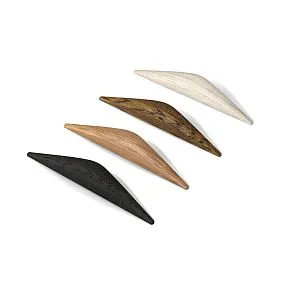
In addition to decorative elements, add functional accessories to the door that will emphasize its style and add convenience. Modern doors can be equipped with original handles, locks, and hinges that not only perform their primary function but also serve as decorative accents.
- Handles and hinges: Choose handles and hinges that match the door's style and the overall interior. For classic doors, heavy brass or bronze handles are suitable, while for modern doors, simple and elegant chrome options are preferred.
- Decorative overlays: Using overlays on locks or hinges gives the door a finished look and creates an eye-catching accent.
5. Choose lighting that highlights the door's decorative elements
Lighting plays an important role in perceiving decor, highlighting details, and creating a cozy atmosphere. Illuminating the door or its individual elements makes them more expressive and creates an eye-catching accent in the evening.
- Interior doors: Illuminate the door with soft lighting that highlights its decorative elements. This can be achieved using wall-mounted fixtures or built-in lighting.
- Facade doors: For the entrance door, you can use outdoor lamps or LED lights that not only highlight the decor but also provide additional security.
Following this guide, you can easily select and combine decor for the door, making it not only functional but also an aesthetic part of the interior.
Questions and Answers about Door Decoration
Question: Can different materials be combined in door decoration?
Answer: Yes, combining materials is an excellent way to make the door unique and expressive. For example, Wooden Inlays you can combine with glass inserts, creating a balance between the texture of wood and the transparency of glass. Polyurethane moldings pair well with metallic elements, giving the door a stylish and modern look. Using different materials helps emphasize the style and add interesting accents.
Question: What decorative elements are best for an entrance door?
Answer: For an entrance door, it is important to choose materials resistant to external conditions, such as Facade decoration made of polyurethaneThese elements are not afraid of moisture, temperature fluctuations, and sunlight, so they retain their attractive appearance for a long time. Polyurethane cornices, corner details, and overlays will emphasize the grandeur of the entrance and add elegance to the facade. For additional protection and aesthetics, you can use metallic overlays and stylish handles.
Question: How to choose a color for a decorated door?
Answer: When choosing a color for a door, it is important to consider the overall style of the room. If the door should become an accent, choose contrasting colors — dark blue, burgundy, or green are excellent choices for creating an accent door. For a harmonious look, neutral and monochromatic shades such as white, gray, or beige will pair well with various decorative elements. Using a glossy finish will add shine, while matte paints will give the door a more subdued appearance.
Question: Can you use applied decoration and moldings on a door with a modern design?
Answer: Of course! Applied decoration and moldings can be used in modern interiors if you choose minimalist and sleek elements. Polyurethane decoration with clear geometric lines or smooth surfaces will look great in a modern style. Combining elements in light neutral tones will also help integrate decorative elements into modern design without overloading the space.
Question: How to care for a decorated door?
Answer: Care for a decorated door includes regular cleaning of dust and dirt, as well as periodic renewal of the finish. Wooden elements can be treated with special polishes to protect against moisture and fading. Polyurethane details can be wiped with a damp soft cloth. If the door is decorated on the facade, it is recommended to use exterior-grade products that provide additional protection against weather conditions.
Question: What lighting is better to use for a door with decoration?
Answer: Lighting can highlight decorative elements of the door and make them more noticeable. For interior doors, soft wall-mounted fixtures will accentuate moldings and appliqués. Entrance doors can be illuminated with outdoor lamps or LED strips, creating an eye-catching accent and ensuring safety. Lighting especially enhances textures and patterns on the decoration, making them more expressive at night.
Stavros Products for Decorating Doors
Stavros Company — a leader in producing high-quality decoration that adds elegance and style to doors, creating a unique interior and attractive facade. In Stavros' assortment, you will find everything needed to decorate doors — from classic wooden appliqués to modern polyurethane elements that combine aesthetics and durability. Stavros decoration allows you to style doors in any style, harmoniously blending into both classic and modern interiors. Let’s consider the main decorative elements for doors that the company offers.
Decorative Wooden Appliqués and Carved Decoration for Doors
Decorative Wooden Patterns and appliqués from Stavros — this is a choice for those who appreciate natural beauty and traditional style. Wooden elements add warmth and coziness to doors, giving the room a sense of completeness and luxury. Wooden appliqués can be used on both interior and entrance doors, creating an accent and emphasizing individual style.
- Carved Decoration for Doors: Complex patterns and carving give doors nobility and elegance, making them the main accent of the interior. Carved Decoration for Furniture and Doors perfectly suits classic interiors and vintage style, where every detail matters.
- Applied Decoration for Doors: These elements easily attach to the surface and give doors a unique appearance. applied decor can be used to create an accent door that becomes a striking part of the interior, or to decorate an entrance door to emphasize the traditional style of the facade.
Polyurethane Decoration for Doors: Lightness and Universality
Polyurethane decoration from Stavros — a universal solution for decorating doors, suitable for both interior spaces and facades. Stavros' polyurethane products are characterized by high strength and resistance to moisture and temperature fluctuations, making them ideal for decorating entrance doors. They are lightweight and easy to install, allowing you to easily update the door's appearance.
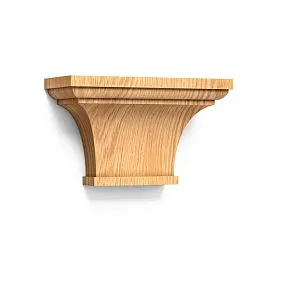
- Molded Decoration from Polyurethane: Elements such as cornices, moldings, and rosettes add elegance and classic style to doors. They can be used to create three-dimensional patterns and compositions, emphasizing the architectural lines of the door.
- Facade Decoration from Polyurethane: For decorating entrance doors, Stavros offers Facade decoration made of polyurethanewhich not only attracts attention but also maintains its aesthetic appearance under any weather conditions. Polyurethane appliqués add elegance to the facade and create a grand entrance.
Cornices and Moldings for Decorating Door Openings
One of the simplest ways to give a door a finished look is to use moldings and cornices. Polyurethane moldings and decorative elements create smooth transitions and give the door opening a neat and elegant appearance. These elements are suitable for creating contrasting lines and accent zones, adding harmony and symmetry to the style.
- Decorating Interior Doors: For interior doors, moldings help visually highlight openings, creating soft boundaries and making the interior more cohesive.
- Cornices and Appliqués for Facade Doors: Decorating an entrance door with cornices gives the facade a finished look, emphasizing the architectural style of the house. Stavros' polyurethane cornices and appliqués can be used to create classic and modern accents, adapting to any concept.
Advantages of Stavros Decoration for Doors
Stavros has proven itself as a manufacturer of high-quality and durable decoration suitable for any interior. The company's products have the following advantages:
- High-Quality Materials: Stavros' wooden and polyurethane elements are made from strong materials resistant to external influences.
- Aesthetics and Variety of Styles: The assortment includes elements for various styles — from classic to modern — allowing you to choose decoration according to individual requirements.
- Ease of Installation: The products easily attach to the door surface, allowing you to quickly update the appearance and introduce novelty into the interior.
- Durability: Stavros door decor maintains its appearance for years, remaining resistant to damage and fading.