Article Contents:
- Philosophy of craftsmanship: where nature meets art
- Historical legacy of oak traditions
- Unique properties of oak wood
- Technological perfection: from raw material to masterpiece
- Premium Raw Material Selection and Preparation
- Precision mechanical processing
- Artistic processing and carving
- Variety of assortment: from functionality to art
- Ceiling moldings: architectural elegance
- Baseboards: foundation of harmonious space
- Decorative overlays and sockets
- Finishing technologies: protection and beauty
- Natural oil finishes
- Premium-grade lacquer systems
- Special Processing Techniques
- Stylistic interpretations: multifaceted oak
- Classic luxury: palace traditions
- Modern eclecticism: bold combinations
- Ecological style: returning to nature
- Installation and integration: professional approach
- Preparation Work and Planning
- Fastening and fixing systems
- Operation and maintenance: secrets of longevity
- Daily Maintenance
- Preventive maintenance
- Local repair and restoration
- Economic aspects: investment in quality
- Pricing and cost factors
- Long-Term Economic Efficiency
- Ecological aspects: Responsibility to nature
- Sustainable forestry
- Ecologically clean production
- Trends in development: looking into the future
- Technological Innovations
- Design trends
- Conclusion: STAVROS — art tested by time
When it comes to genuine quality and unparalleled aesthetics in wood processing, oak works occupy a special place in the hearts of true connoisseurs of beauty. This noble wood has long symbolized strength, durability, and exquisite beauty, capable of transforming any space into a work of architectural art.
What makes oak products so special and sought after? The answer lies in the unique combination of natural material properties: density reaches 750 kg/m³, moisture absorption is only 10-12%, and tannin content provides natural protection against biological damage for centuries. Each oak work carries a unique story of tree growth, captured in the distinctive texture of its annual rings.



Philosophy of craftsmanship: where nature meets art




Historical legacy of oak traditions
Working with oak is not just a craft, it is an art passed down from generation to generation. In ancient Rus', master carpenters considered oak a sacred tree capable of absorbing positive energy and transmitting it to people. Ancient oak groves were not only a source of building material but also an inspiration for creating true masterpieces.
Modern oak processing technologies are based on centuries-old traditions, supplemented by innovative solutions. Each production stage — from raw material selection to final finishing — requires a deep understanding of the material's characteristics and boundless respect for its nature.
Master craftsmen of the past knew secrets that modern science now explains: optimal time for wood harvesting (end of autumn — beginning of winter), methods of natural drying, techniques for revealing and emphasizing the natural beauty of the wood grain. These knowledge formed the basis of modern technological processes.
Our factory also produces:




Unique properties of oak wood
Oak possesses exceptional characteristics, making it an ideal material for creating premium-class products. High density ensures mechanical strength, surpassing most other species by 2-3 times. Dimensional stability under varying humidity minimizes deformation of finished products.
Tannins — natural preservatives found in oak wood — not only impart the material's characteristic hue but also provide reliable protection against fungal decay and insect pests. This explains why oak structures can serve for centuries without losing their original properties.
Oak's textural diversity captivates the imagination: from delicate golden hues of young wood to rich brown tones of mature trunks. Each wood fragment possesses an individual pattern, transforming any product into a unique work of art.
Get Consultation
Technological perfection: from roughing to masterpiece
Selection and Preparation of Premium Raw Material
Creating elite oak products begins with meticulous selection of wood. For top-quality works, trees aged at least 80-100 years, grown under natural conditions without anthropogenic influence, are used. Only such trees provide material with ideal density and expressive texture.
Logging is carried out exclusively during the dormant period — from November to February, when sap movement is minimal. This ensures minimal moisture content and prevents fungal decay. Each trunk undergoes visual inspection to detect hidden defects.
Kiln drying is a critically important stage determining the quality of future products. The process occurs in specialized chambers under strictly controlled parameters of temperature (45-55°C) and air humidity (40-60%). Gradual reduction of wood moisture from natural 50-60% to optimal 6-8% takes 6-10 weeks, but such delicacy ensures the absence of internal stresses.
Precision mechanical processing
Modern CNC machines allow achieving processing accuracy down to 0.05 mm, which is critically important for creating complex profiles and decorative elements. Wooden moldings require special precision when forming complex curved surfaces.
5-axis machining centers enable the creation of elements of any geometric complexity. Programmable toolpaths allow implementing the most daring design concepts, inaccessible with traditional machining.
Specialized end mills with carbide inserts operate at speeds up to 20,000 rpm, creating perfectly smooth surfaces without chips or scratches. The automatic cutting fluid delivery system ensures optimal processing temperature and extends tool life.
Artistic carving and relief
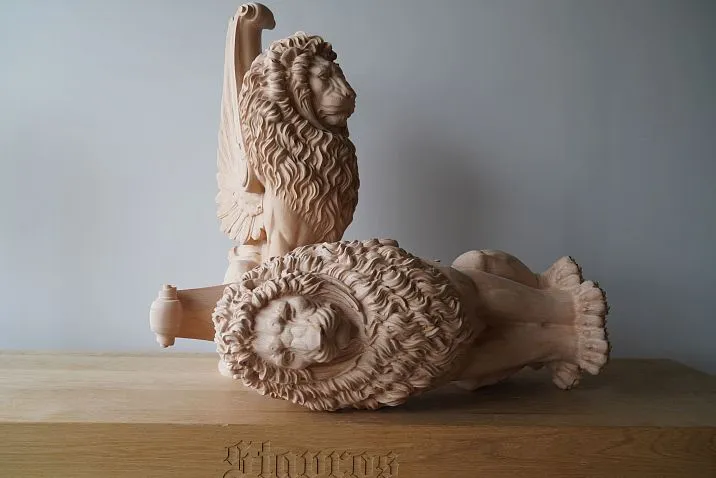
Despite technological advancements, handwork by master carvers remains indispensable in creating elite oak items. High-grade oak works include artistic carvings executed with traditional tools.
Deep relief carving is created in several stages: rough shaping of the form, detailed ornamentation, and final finishing with smoothing of all surfaces. The master uses more than 30 different chisels and gouges to create complex compositions.
The time to manufacture a single carved element may reach 80–120 hours of pure working time. Each ornament is unique and bears the mark of individual craftsmanship. Botanical motifs are reproduced with botanical accuracy, creating the impression of living branches and leaves.
Diverse range: from functionality to art
Ceiling MoldingArchitectural elegance
Oak cornices represent the crown of interior composition, creating a smooth transition between walls and ceiling. Profile widths vary from 80 to 300 mm, allowing optimal proportions for rooms of any height.
Multi-level profiles with deep shadow grooves create the effect of classical architectural orders. An integrated system for concealed LED lighting transforms the cornice into a source of soft diffused illumination, highlighting the beauty of oak grain.
Corner joints are executed by precise 45-degree beveling followed by fitting of elements. Concealed metal fasteners ensure joint strength and eliminate gaps during temperature fluctuations.
floor skirting boardsThe foundation of harmonious space
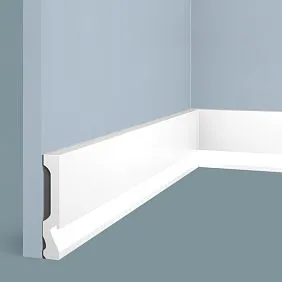
Oak skirting boards are not merely a functional element concealing the technological gap between floor and walls. They are a crucial component of interior composition, unifying all space elements into a cohesive whole.
High skirting boards from 100 to 200 mm visually enlarge the room’s scale and impart a sense of dignity. Profiled edges with radii of 8–15 mm ensure smooth transitions and comfortable cleaning.
Modern skirting boards may include concealed cable channels up to 25 mm wide for electrical wiring. Removable panels provide access to utilities without dismantling the entire structure.
Decorative overlays and rosettes
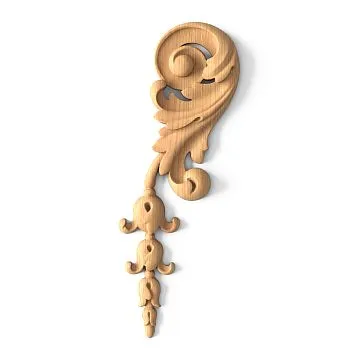
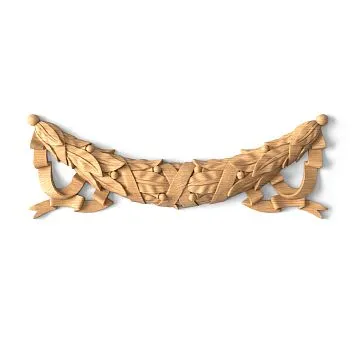
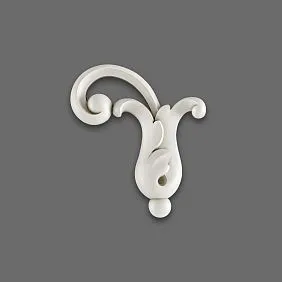
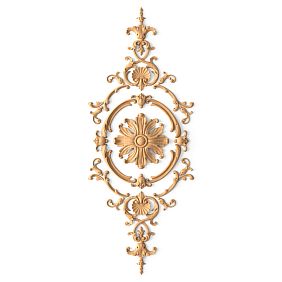
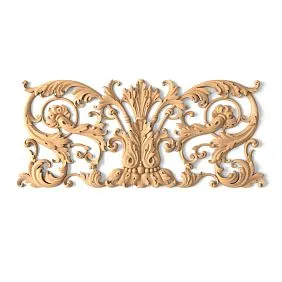
Carved appliqués transform ordinary surfaces into works of art. Element sizes range from miniature 40x30 mm to impressive 500x300 mm, enabling the creation of compositions of any complexity and scale.
Circular rosettes with diameters from 80 to 400 mm become central interior accents. Complex botanical ornaments, heraldic symbols, abstract compositions — each element is individually crafted according to the project’s stylistic features.
Appliqués are mounted using special two-component adhesives or concealed fastening systems. This ensures secure fixation while preserving aesthetics — no visible fasteners on the front surface.
Finishing technologies: protection and beauty
Natural oil finishes
Hard oils based on linseed and natural waxes penetrate into the oak structure to a depth of up to 3 mm, creating a reliable internal protection. Such finishes highlight the natural beauty of the grain and preserve the tactile feel of natural wood.
The application process includes 3–4 layers with intermediate sanding using fine-grit abrasive P400–P600. Each layer is manually rubbed in circular motions, ensuring even distribution of the composition and creating a characteristic silky sheen.
The full polymerization time of the oil finish is 72–96 hours at a temperature of 20–22°C and air humidity of 50–60%. After drying, the surface acquires water-repellent properties and resistance to household contaminants.
Premium-grade lacquers
Polyurethane varnishes create a durable protective film 120–200 microns thick, capable of withstanding intensive mechanical impacts. Two-component formulations provide chemical resistance to most household reagents.
The application technology includes 4–5 thin layers with mandatory interlayer sanding. The final layer can be polished to a mirror finish or matte-finished with special pastes depending on design requirements.
Modern varnish systems include UV filters preventing color change of wood under solar radiation. This is especially important for items placed in areas with active natural lighting.
Special Processing Techniques
Brushing is a popular technique for revealing the natural structure of oak wood. Mechanical processing with metal brushes removes soft springwood fibers, creating an expressive tactile relief up to 2–4 mm deep.
Thermal modification allows changing the color of wood from light golden to dark chocolate without using chemical dyes. Processing at 180–220°C in an oxygen-free environment also increases dimensional stability by 40–60%.
Patination creates an effect of noble aging, especially popular in classical interiors. Special compositions are applied into texture recesses, emphasizing the pattern’s volume and creating play of light and shadow.
Stylistic interpretations: multifaceted oak
Classic luxury: palace traditions
In classical interiors, oak works fully reveal their potential. Carved moldings with acanthus leaves, rosettes with botanical ornaments, profiled cornices create an atmosphere of aristocratic homes.
Dark walnut tones—from walnut to wenge—highlight the nobility of the material and give the interior a monumental quality. Gilding individual elements with 24-karat gold adds luxury and emphasizes the status of the space.
Compositions are built according to the principles of classical architectural orders, with their strict proportions and hierarchy of elements. Each detail has a clear place within the overall system and carries a specific semantic meaning.
Modern eclecticism: bold combinations
In modern interiors, oak elements successfully integrate with industrial materials—metal, concrete, glass. The contrast between warm wood and cold surfaces creates a dynamic and memorable atmosphere.
Geometric compositions made from simple forms emphasize the architectural graphics of space. Asymmetric solutions disrupt classical statics, introducing an element of surprise and modernity.
Integration of LED lighting transforms decorative elements into accent lighting sources. Hidden LED strips highlight surface relief and create a dramatic interplay of light and shadow.
Ecological style: returning to nature
In the eco-style, oak items emphasize the connection between humans and nature. Natural tones without additional staining, simple forms, minimal surface treatment—all this creates a sense of organic authenticity.
Brushing reveals the natural structure of annual rings, while oil finishes preserve the wood’s ability to 'breathe'. Such items are not only beautiful but also contribute to maintaining a healthy microclimate in the room.
Combining with other natural materials—stone, ceramic, textiles—creates a harmonious living environment where each element complements and enhances the effect of the others.
Installation and integration: professional approach
Preparation and planning
Quality installation of oak elements requires careful preparation of the base and precise planning of all stages of work. Surfaces must be perfectly flat with deviations no more than 2 mm per linear meter.
Marking is performed using laser levels and high-precision measuring tools. All dimensions are transferred from working drawings, taking into account technological tolerances and possible building deformations.
Climate conditions in the room must correspond to operational parameters: temperature 18–24°C, air humidity 45–65%. Sudden changes in these indicators may cause wood deformation.
Fastening and fixing systems
Modern fastening systems provide secure fixation of elements while allowing for compensation of natural wood movement. Hidden stainless steel fasteners prevent corrosion and ensure long-lasting connections.
Adhesive joints are made using polyurethane compounds that form elastic seams. This allows wood to freely expand and contract with humidity changes without compromising structural integrity.
Mechanical joints are duplicated at critical nodes to ensure maximum reliability. Load calculations consider not only static forces but also dynamic structural oscillations of the building.
Operation and maintenance: secrets of longevity
Daily maintenance
Proper care of oak items ensures their original appearance for decades. Daily dry cleaning is performed using soft cloths or special microfiber cloths that do not leave fibers.
Wet cleaning is done with slightly damp cloths without excessive water. Aggressive cleaning agents containing solvents or abrasive particles are strictly prohibited for treating oak surfaces.
Special wood care products not only clean the surface but also restore protective properties of the finish. Regular use of such products extends the lifespan of items and maintains their aesthetic qualities.
Preventive Maintenance
Periodic renewal of protective coatings is a key factor in the longevity of oak items. Oil finishes are renewed every 3–5 years by applying a thin layer of fresh compound without prior surface preparation.
Varnish coatings require more complex maintenance with partial or full reapplication every 7–10 years. This procedure includes sanding, dust removal, and applying a new coating using full technology.
Control of the room’s microclimate is critically important for preserving oak items. Using humidifiers in winter and dehumidifiers in summer maintains stable operating conditions.
Local repair and restoration
Minor damages—scratches, chips, scuffs—are locally repaired without dismantling the entire element. Special repair compounds, precisely matched in color and texture, are used for this purpose.
More serious damage may require partial replacement of damaged areas. Modern technologies allow such repairs to be performed almost invisibly, preserving the overall aesthetic of the item.
Antique oak items require a special approach to restoration while preserving historical authenticity. Such work is performed only by highly qualified specialists using traditional materials and techniques.
Economic Aspects: Investment in Quality
Pricing and cost factors
The cost of oak items is determined by multiple factors, primarily the quality of raw material, complexity of processing, and type of finish. Selective wood with distinctive texture costs 50–80% more than standard wood.
Hand carving increases the cost of items 5–10 times compared to machine processing, but creates unique works of art. Custom manufacturing for exclusive projects requires additional costs for design and mold production.
Order volume significantly affects unit cost — mass production allows reducing price by 20-30% through optimization of technological processes and equipment utilization.
Long-term economic efficiency
The high initial cost of oak products is offset by exceptional durability. The service life of quality items is 50-100 years, making them economically advantageous in the long term.
Oak decorative elements significantly increase property value — by 20-35% for luxury housing. This makes investments in quality finishing not only aesthetically, but also economically justified.
The possibility of restoration and renewal allows maintaining items in ideal condition for decades. Restoration cost is usually 15-25% of the price of a new item, but restores its original appearance.
Ecological aspects: responsibility toward nature
Sustainable Forestry
All oak wood for luxury items is sourced from forests certified under international FSC standards. This guarantees forest resource regeneration exceeding harvest volumes and preservation of biodiversity.
Reforestation programs include not only planting new trees but also creating conditions for natural oak forest regeneration. Special attention is paid to preserving genetic diversity of oak populations.
Local raw material suppliers minimize the product’s carbon footprint by reducing transportation costs. Supporting regional economy promotes sustainable forestry practices.
Ecologically clean production
Modern oak processing technologies exclude the use of harmful chemicals. Water-soluble adhesives and coatings do not emit toxic compounds during operation.
Waste management systems ensure recycling of up to 98% of processed wood volume. Sawdust and shavings are used to produce fuel briquettes, while small offcuts are used for crafting souvenirs.
Energy-efficient production processes reduce electricity and heat consumption. Utilizing renewable energy sources makes production carbon-neutral.
Trends in development: looking toward the future
Technological Innovations
The development of digital technologies opens new opportunities for designing and producing oak items. 3D scanning and modeling allow creating precise replicas of historical samples for restoration projects.
Robotic complexes increase processing accuracy and reduce human factor influence on product quality. Artificial intelligence optimizes material cutting, minimizing waste.
Nanotechnology in coatings provides self-cleaning and antibacterial surface properties. This is especially relevant for public buildings with heightened hygiene requirements.
Design Trends
Growing interest in eco-friendly materials stimulates demand for natural finishes. Designers increasingly use oak elements in modern interiors, creating unexpected combinations with high-tech materials.
Interior personalization requires an individual approach to each project. Laser engraving technologies allow applying unique patterns and inscriptions, making each item personalized.
Integrating smart technologies into traditional materials creates new opportunities for functional design. Embedded sensors and control systems transform decorative elements into active components of smart homes.
Conclusion: STAVROS — art tested by time
In a world where production speed is often prioritized over quality, oak works STAVROS remains an island of true craftsmanship and natural beauty. Each item carries centuries of woodworking traditions, modern technologies, and boundless passion for the craft.
Choosing oak items is an investment in beauty, longevity, and ecological responsibility. Natural materials create a healthy microclimate, positively affecting people’s well-being and mood — especially important in today’s urban environment.
Each element — from the simplest molding to the most intricate carved composition — is created with deep understanding of the material and respect for traditions. Masters invest not only professional skills but also a part of their soul, making each item unique.
Modern technologies expand the application possibilities of oak decor without compromising its natural essence. Innovative coatings, new processing methods, integration with smart systems — all this opens boundless horizons for creativity.
Ecological certification and sustainable forestry programs guarantee that today’s beauty does not harm tomorrow’s nature. This makes choosing oak items not only aesthetically, but also ethically correct.
For 23 years, STAVROS has created oak items that adorn the most prestigious interiors and become sources of pride for their owners. Our rich experience working with noble wood, participation in restoring historical landmarks, modern technological equipment, and a team of talented masters enable us to bring the most daring design concepts to life.
STAVROS is not just a manufacturer of oak items — it is a creative laboratory where masterpieces of woodworking are born. Each project for us is an opportunity to surpass ourselves and create something truly exceptional. Entrusting STAVROS with creating elements for your interior means choosing a partner who turns dreams of a perfect home into tangible reality, where every detail serves beauty and brings joy for many years.