Article Contents:
- What is Elegant Carving?
- History of Elegant Carving
- Where is Elegant Carving Used?
- Advantages of Elegant Carving
- Care for Items with Elegant Carving
- Role of Elegant Carving in Facade Decoration
- Mouldings with Elegant Carving: Traditions and Modern Solutions
- Cornices and Pediments: Completing the Facade
- Corner Elements and Decorative Panels
- Care for Carving on the Facade
- Role of Elegant Carving in Interior Design
- Furniture with Elegant Carving: Classic and Modern
- Decorative Panels: Focus on Details
- Cornices and Moldings: Architectural Completeness
- Frames and Mirrors with Elegant Carving
- Care for Carved Elements in Interior
- Role of Elegant Carving in Architectural Solutions
- Application of Elegant Carving in Architecture
- Mouldings and Cornices: Facade Accents
- Balconies and Terraces with Elegant Carving
- Garden Architecture: Carving in Landscape Design
- Care for Architectural Elements with Carving
- Role of Elegant Carving in Furniture Design
- Popular Furniture Elements with Elegant Carving
- Traditions and modern trends in wood carving
- How to choose furniture with delicate carving?
- Care for carved furniture
- The role of delicate carving in decoration
- Decorative panels and inlays
- Carved frames and mirrors
- Boxes and accessories
- Modern trends in decorative carving
- Care for decorative elements
- Conclusion: Delicate carving as embodiment of elegance and traditions


What is delicate carving?
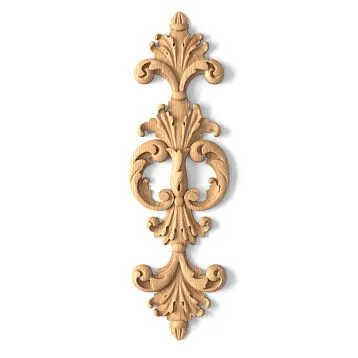
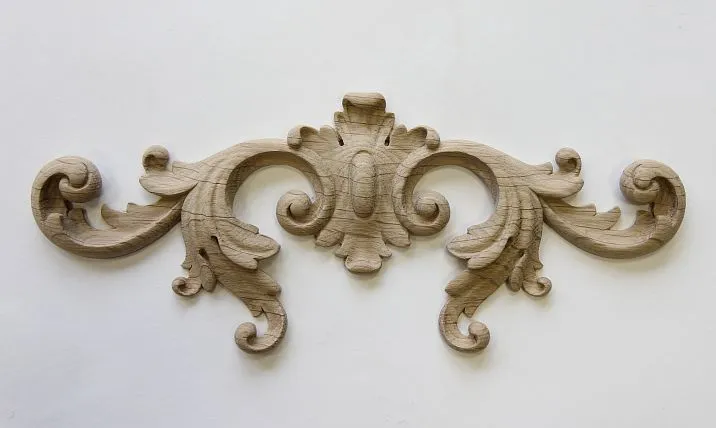
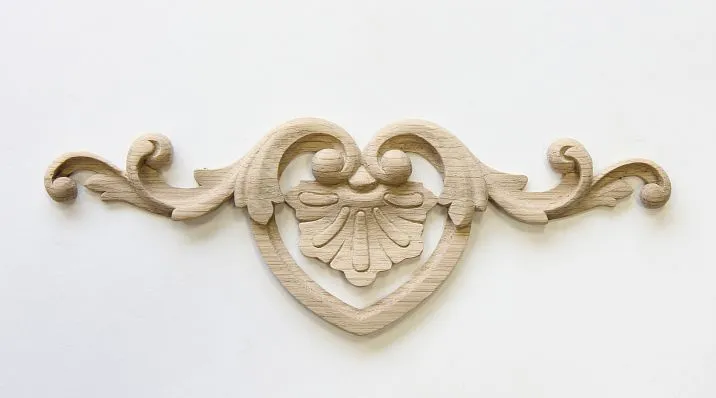
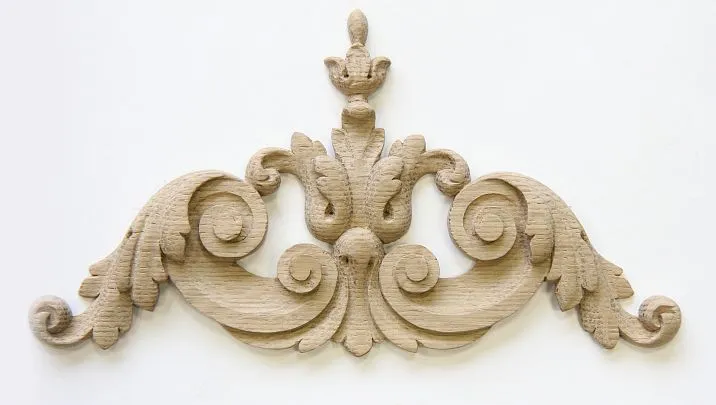
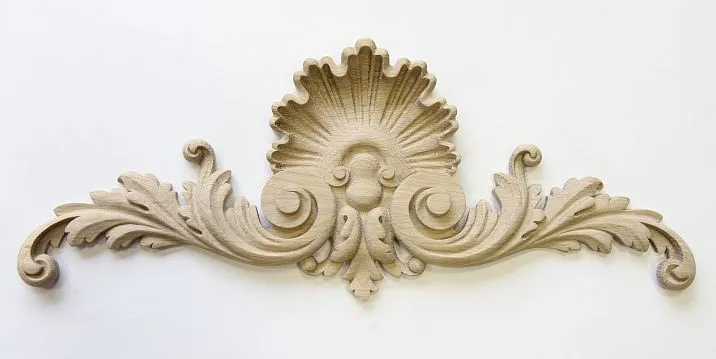
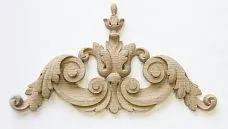
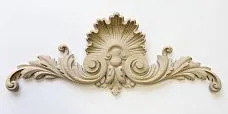
Delicate carving It is not merely decoration, but a true art capable of imparting an elegant character and individuality to any space. It transforms wood into a material that comes alive in the hands of the master, becoming the embodiment of his fantasy and talent. Every line, every swirl — this is not only aesthetics, but also a deep meaning, carrying the harmony of form and content.
Delicate carving is always associated with something refined and ideal. Its delicate patterns resemble lace, while complex ornaments create a sense of lightness. Such works become not merely decoration, but an expression of the author's inner world, reflecting his pursuit of perfection. Could you imagine that wood, with its natural ruggedness, can attain such refined form? This magic is possible thanks to the art of carving.




History of delicate carving
Wood carving, and especially its delicate forms, has a multi-century history tracing back to antiquity. Even in ancient times, masters created amazing ornaments, decorating furniture, walls, and even sacred buildings. During the Renaissance, carving reached its peak, becoming an indispensable part of architecture and decorative arts.
In Russian tradition, delicate carving gained particular popularity in wooden architecture.House CarvingDecorating facades of houses, door casings, and cornices, it became not only a decorative element but also a symbol of hospitality. Every house told its story through patterns woven into the wood.
Have you ever thought about how much time a craftsman needs to create a single carved detail? Sometimes it takes weeks, as every line requires precision, and every movement — inspiration. This is labor that does not tolerate haste, but the result justifies all the effort.
Our factory also produces:


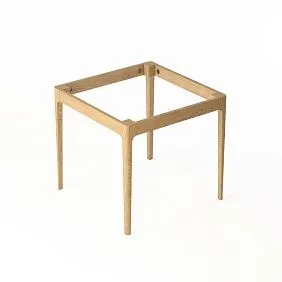


Where is delicate carving used?
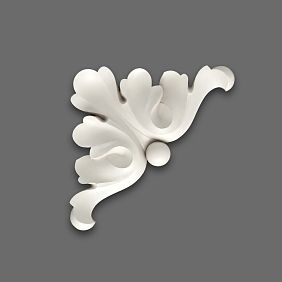
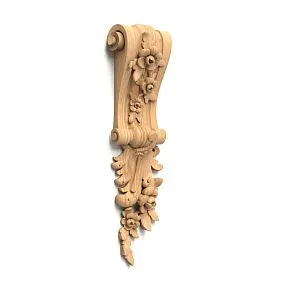
Delicate carving It can become decoration for any part of the house or interior. Its versatility allows it to be used in both classical and modern styles. Here are several examples of where it can be applied:
- House facades.
○ Door casings, cornices, and decorative panels with carving make a house unique and memorable.
○ House Carving It emphasizes the architectural lines of the building, adding harmony and style.
- Interior decoration.
○ Panels, moldings, columns, and rosettes adorned with delicate carving become accents that attract attention.
○ Carving fits perfectly into classical interiors, creating an atmosphere of elegance.
- Furniture.
○ Carved cabinets, tables, chairs, and beds add notes of luxury and refinement to the interior.
○ Every item adorned with delicate carving becomes a central element of the space.
- Decorative items.
○ Elegant carved boxes, frames, candlesticks, and other accessories become striking interior details or exclusive gifts.
Have you ever noticed how a single carved element can completely change the perception of a space? This is because elegant carving adds depth and texture, making every corner of the home special.
Get Consultation
Advantages of elegant carving
Why is elegant carving still in demand even in the age of modern technology? Its advantages are obvious:
● Aesthetics. It imparts refinement and elegance to objects and spaces.
● Uniqueness. Each element is handcrafted, making it one-of-a-kind.
● Functionality. Elegant carving can visually improve the proportions of a space, conceal flaws, and highlight focal points.
● Traditions. It is a way to preserve and pass on the rich heritage of wooden architecture.
Tip: Start with small elements to understand how elegant carving can transform your home. It might be a mirror frame or a decorative wall panel, which will be the beginning of a grand story.
Care for carved items
To ensure carved items retain their beauty for years, proper care is required:
- Cleaning. Use a soft brush to remove dust without damaging details.
- Treatment. Apply special oils or varnish to protect the wood from moisture and sunlight.
- Repair. If cracks or damage appear on the item, promptly consult artisans for restoration.
Delicate carving — it is an art that unites nature, tradition, and craftsmanship. It makes homes cozy, interiors stylish, and furniture unique. It is not just decoration, but a way to express individuality and highlight refined taste.
Want to add elegance to your home? Browse items on the websiteStavros and find elements that will inspire you to create a truly unique space, where every detail speaks of your love for beauty.
Elegant carving in facade decoration: aesthetics and functionality
Role of elegant carving in facade decoration
The facade of a house is its face, the first thing that attracts attention and creates an impression of the dwelling and its owners.Delicate carving on the facade can turn even a simple building into a work of art, adding uniqueness and expressiveness. Carved elements do not merely decorate the facade, but also play an important role in creating a harmonious architectural image.
Among facade elements traditionally adorned with carving, special attention is given to:
● Window sills.House Carving around windows make them the 'eyes' of the house, adding expressiveness and style.
● Eaves and gables. Carved details emphasize roof lines, creating a sense of completion.
● Decorative panels. Used to accent walls and corners, adding depth to the facade.
Have you ever thought about how elegant carving can change the perception of your home? A single carved element can become an accent that draws attention and highlights the unique style of the building.
Window sills with elegant carving: traditions and modern solutions
Casings — it is not only window decoration, but also a functional element protecting frames from external influences. In traditional Russian wooden architecture, window sills served as protective symbols, their ornamentation often carrying symbolic meaning.
Modern cornices with delicate carving continue this tradition, adding character and individuality to homes. Depending on the architectural style of the house, you can choose:
● Classical cornices. Rich carving with floral and geometric patterns will emphasize a traditional style.
● Minimalist. Clean lines and simple shapes suit modern homes.
● Openwork carving. Light, airy patterns create an effect of elegance and delicacy.
Tip: Combine different elements of facade carving to create a harmonious and expressive look for your home.
Eaves and gables: the finishing touch of the facade
Eaves and gables are elements that give the facade architectural completeness.Delicate carving These details add dynamism to the facade and give it volume.
Why is carving on eaves so important?
- Aesthetics. Carved eaves emphasize roof lines, creating harmony between walls and the upper part of the building.
- Functionality. Carving helps visually highlight the facade boundaries, drawing attention to its key zones.
- Uniqueness. Each carved eave becomes an expressive element that attracts attention.
Tip: Use carved eaves in combination with window casings and decorative panels to make the facade look harmonious and stylish.
Corner elements and decorative panels
The corners of the house and walls are zones often neglected, but here, delicate carving can create a striking accent.decorative panels Fine carving adds depth to the facade, while corner elements emphasize its structure.
Ideas for using delicate carving:
● Install carved panels around doors or windows to highlight the entrance zone.
● Decorate the house corners with elements featuring geometric or floral patterns.
● Use carved decorative inserts to zone the facade.
Have you ever thought how such details can completely transform a house? Delicate carving on the facade is a way to create a stylish and memorable building.
Facade carving maintenance
Facade elements are exposed to the external environment, so their maintenance is especially important. Here are some tips:
- Regular cleaning. Remove dust and dirt with a soft brush or water stream.
- Moisture protection. Cover carved elements with varnish or special impregnations to protect them from moisture and temperature fluctuations.
- Repair and restoration. Promptly contact professionals to restore any cracks or damage.
the facade of a house is its business card, andDelicate carving — a way to make it expressive and unique. It not only decorates but also creates an atmosphere of coziness and harmony. Want to transform your home? Explore carved items on the websiteStavros and find elements that will highlight the style and character of your residence.
Elegant carving in interior: art transforming space
It is not just a decorative element, but also a way to give space a unique character and expressiveness. It adds warmth and elegance to the interior, creating a sense of coziness and harmony. Carving can transform any interior, whether classic, modern, or eclectic.
Delicate carving Where is delicate carving most often used in interior design?
Where is elegant carving in interior most commonly used?
- Furniture. Carved cabinets, tables, chairs, and bedheads become striking accents in the room.
- Decorative panels. Carved wall panels add depth and texture.
- Crown mouldings and trim. These elements emphasize architectural lines and create a finished look for the interior.
- Frames and mirrors. Carved frames for mirrors and pictures add sophistication to the space.
Tip: Start with small carved elements to understand how they can complement your interior. Perhaps it will be a box or a decorative frame that inspires you to make larger changes.
Furniture with delicate carving: classic and modern
Furniture adorned with delicate carving is a symbol of luxury and refined taste. Its shapes and patterns create a sense of elegance, making it a central element of the interior. Especially popular are:
● Carved cabinets and chests of drawers. They add solidity and style to the room, becoming its main decoration.
● Bedheads. Carving on the headboard turns the bedroom into a royal boudoir.
Chairs and armchairs. Delicate lines and decorative elements highlight the comfort and aesthetics of the furniture.
Tip: Combine furniture with delicate carving with neutral textiles and accessories to create a harmonious and balanced interior.
Decorative panels: focus on details
Carved panels are one of the most popular ways to add delicate carving to an interior. They can be used to decorate walls, ceilings, or to divide space into zones. Such elements create a unique texture, making the interior more complex and interesting.
Ideas for using decorative panels:
● Decorate one wall in the living room with a carved panel to create an accent zone.
● Use carved panels to decorate the bedroom behind the bedhead.
● Add carved elements to the ceiling structure to emphasize its architectural lines.
Have you ever noticed how delicate carving can transform even the simplest space? It creates a play of light and shadow, adding depth to the interior.
Crown mouldings and trim: architectural completion
Carved crown mouldings and trim are used to highlight the boundaries between walls and ceilings, as well as to decorate door and window openings. They add completeness and style to the interior. Carved elements in classical or baroque style look especially striking.
Tip: Choose carved crown mouldings and trim that harmonize with furniture and other decorative elements in the room.
Frames and mirrors with delicate carving
Mirrors in carved frames are not only functional but also decorative elements. Such mirrors become a focal point, adding sophistication to the space. In addition, carved frames for pictures or photographs help create a cohesive look for the room.
Ideas for use:
● Place a large mirror in a carved frame in the hallway to visually enlarge the space.
● Use several small mirrors or pictures in carved frames to create a stylish composition on the wall.
Care for carved elements in the interior
To ensure that delicate carving delights you for many years, proper care of the items is necessary:
- Cleaning. Use a soft cloth or brush to remove dust.
- Treatment. Regularly apply protective products such as oils or varnishes to preserve the wood texture.
- Repair. Promptly seek restoration when damage occurs.
Delicate carving — is an art capable of bringing any space to life, adding uniqueness and character. It decorates furniture, walls, ceilings, creating an atmosphere of coziness and harmony. Want to transform your interior? Visit the siteStavros and choose carved elements that highlight your style and inspire you to create your dream interior.
Delicate carving in architecture: harmony of tradition and modernity
Role of delicate carving in architectural solutions
Architecture has always sought to combine functionality and aesthetics, andDelicate carving has become the element that allows this unity to be realized. It is used both in classical facades and modern projects, adding expressiveness and individuality to buildings.
Carving in architecture serves not only a decorative function, but also a symbolic one:
● Highlights the status of the building’s owner.
● Creates accents that emphasize architectural lines.
● Conveys traditions and cultural characteristics of the region.
Each carved element is an opportunity for an architect or designer to add uniqueness to the project. Have you ever considered what contribution buildings with carved elements make to history? They do not merely decorate urban landscapes, but also become part of the city’s cultural heritage.
Application of delicate carving in architecture
Delicate carving in architecture is used to decorate various elements:
- Facades. Carved window casings, cornices, pediments, and decorative panels make the facade memorable and striking.
- Window and door openings. Delicate carving around windows and doors adds expressiveness and emphasizes details.
- Balconies and terraces. Carved balusters, railings, and columns add lightness and elegance to structures.
- Garden architecture. Gazebos, pergolas, and wooden benches adorned with carving create a cozy and romantic atmosphere.
Tip: Combine carved elements with modern materials such as metal or glass to create harmony between tradition and innovation.
Window casings and cornices: facade accents
One of the most popular ways to apply delicate carving remainsCarved Mouldings and cornices. They frame windows and doors, adding completeness to the facade.
Why are window casings and cornices so important?
- They protect openings from atmospheric influences.
- They highlight key architectural elements, making the facade more expressive.
- They convey the character of the house, whether it’s a cozy wooden cottage or a luxurious urban estate.
Tip: Choose window casings and cornices with patterns that harmonize with the overall style of the building to create a unified look.
Balconies and terraces with delicate carving
Balconies and terraces are areas that can be transformed into true works of art with delicate carving. Carved railings, columns, and balustrades not only decorate the structure but also make it visually light and airy.
Ideas for application:
● Use carved balusters to create an expressive railing.
● Decorate terrace columns with elegant patterns that highlight its style.
● Add carved elements to the roof or awning structure.
Have you ever thought about how an element with carving can turn an ordinary terrace into a space resembling an open gallery? This is possible thanks to craftsmanship and artistic approach.
Garden architecture: carving in landscape design
Delicate carving finds its place not only in buildings but also in garden architecture. Carved gazebos, bridges, benches, and pergolas become not only functional elements but also part of the artistic landscaping.
Ideas for use:
● Create a carved gazebo that will become the center of your garden.
● Decorate benches with carved patterns to make them striking accents.
● Add elegant carving to pergolas or arches to emphasize the style of your garden.
Tip: Choose items with protective coating to ensure the carving retains its beauty even outdoors.
Care for carved architectural elements
Carved elements in architecture are exposed to weather conditions, so care for them is especially important:
- Regularly clean them from dust and dirt with a soft brush.
- Apply protective coatings to wood to prevent cracking and moisture damage.
- Timely restore elements to keep them in perfect condition.
Architectural elements decorated withdelicate carving— is a way to make a building unique, expressive, and unforgettable. They preserve traditions, convey style, and create an atmosphere of harmony. Want to emphasize the character of your home or garden? Browse items on the websiteStavros and choose elements that will turn your architecture into a true work of art.
Delicate carving in furniture: harmony of art and functionality
Role of delicate carving in furniture design
Delicate carving in furniture design — is not just decoration, but a tool capable of changing the perception of interior. Furniture adorned with delicate and refined carving becomes an inseparable part of the space, imparting elegance and sophistication. Every detail, whether carved legs of chairs or cabinet facades, creates a sense of harmony and perfection.
Why carved furniture is so valued?
- Aesthetics. Delicate carving transforms functional items into works of art.
- Traditions. It preserves centuries-old craftsmanship traditions, passing them down through generations.
- Individuality. Each item is unique due to handcrafted work by artisans.
Have you ever thought about how simple furniture can transform your interior if you add carving elements? This is a way to make the space truly unique.
Popular furniture items with delicate carving
Carved furniture is used to decorate various parts of it. Here are just some of them:
- Carved cabinets.
○ Delicate carvings on cabinet fronts look refined and attract attention.
○ Often, plant motifs, geometric patterns, or complex narrative compositions are used.
- Headboards of beds.
○ Beds with carved headboards become the central element of the bedroom, adding luxury and coziness.
○ Elegant carving may include floral motifs or abstract patterns, creating an atmosphere of calm.
- Tables and chairs.
○ Carved legs and armrests make furniture visually light and elegant.
○ Often used in classical and baroque interiors.
- Commodes and buffets.
○ Carved fronts and handles add individuality to these furniture items, emphasizing their status.
Tip: If you want to make furniture expressive but not overload the interior, choose an item with accent carving on one part, for example, the headboard or legs.
Traditions and modern trends in furniture carving
Furniture with elegant carving is a symbiosis of traditions and modern approaches. Masters preserve classical woodworking techniques, adding them contemporary relevance.
Modern trends include:
● Minimalist carving. Simple and concise patterns that fit into modern interiors.
● Combined materials. Use of wood in combination with metal, glass, or leather.
● Functionality. Carving that serves not only decorative but also structural purposes, for example, in table or shelf elements.
Have you ever thought that carved furniture can be not only beautiful but also practical? This is another advantage that makes it versatile.
How to choose furniture with elegant carving?
When choosing carved furniture, it is important to consider several factors:
- Material. Choose items made from high-quality wood species, such as oak, beech, ash, or walnut.
- Design. Ensure that the carving patterns match the style of your interior.
- Finish. A protective layer of varnish or oil increases the lifespan of the furniture and highlights the wood texture.
- Size and shape. Consider how carved furniture will fit into the space without creating a feeling of overcrowding.
VisitStavrosto find the perfect carved furniture pieces that will enhance your interior.
Care for carved furniture
To ensure that furniture with elegant carving delights you for many years, it is important to properly care for it:
- Cleaning. Use soft brushes or cloths to remove dust from carved patterns.
- Protection. Treat the surface with oils or varnishes to prevent exposure to moisture and sunlight.
- Restoration. If necessary, consult artisans to restore lost details or refresh the finish.
Delicate carving In furniture — it’s a way to add elegance, expressiveness, and warmth to your home. It combines art and functionality, making each piece unique and irreplaceable. Want to transform your interior? Explore the furniture and carved elements collection on our websiteStavros and create a space that will inspire and delight you every day.
Elegant carving in decorative elements: accents that bring the interior to life
The role of elegant carving in decor
Delicate carving In decorative elements — it’s a way to add uniqueness and sophistication to your space. Even a small detail with delicate carving can attract attention and transform the interior, making it refined and memorable. Unlike large structures, decorative elements are versatile and can be used in any room, regardless of its size or style.
What advantages do decorative elements with elegant carving offer?
- Accent. They highlight specific zones or items in the interior.
- Versatility. Suitable for both classic and modern interiors.
- Individuality. Handcrafted work makes each element unique.
Have you ever considered how a small carved inset on a wall or table can completely change the perception of a room? This is an example of how elegant carving brings life to a space.
Decorative panels and appliqués
Decorative panels with elegant carving are one of the most popular elements in interior design. They can be used to accent walls, create zoning, or decorate furniture. Carved appliqués, in turn, serve as complements to furniture or architectural elements.
Examples of usage:
● Wall panels. Decorate one of the walls with a decorative panel featuring elegant carving to create a visual focal point in the room.
● Carved appliqués on furniture. Add them to cabinet fronts, chests, or doors to give them a unique look.
● Fireplace decoration. Decorative panels with carving around the fireplace create a cozy and luxurious atmosphere.
Tip: Choose patterns that complement other interior elements to create a harmonious look.
Carved frames and mirrors
Mirrors and paintings in carved frames — a classic way to add charm and elegance to the interior.Delicate carving on frames creates a sense of luxury, making even a simple item special.
Ideas for use:
● Place a mirror in a carved frame opposite the window to visually enlarge the space and add light.
● Create a gallery of paintings or photographs in carved frames to give the wall individuality.
● Use large floor mirrors with elegant carving to create a striking accent in the bedroom or living room.
Tip: Combine different frame sizes and styles to create interesting compositional solutions.
Boxes and accessories
Small decorative elements, such as carved boxes, figurines, or candlesticks, add coziness and warmth to the space. These accessories not only decorate the interior but also serve a practical function.
Accessory ideas:
● Use carved boxes to store jewelry or small items.
● Add intricately carved figurines to shelves or tables to enliven the space.
● Place candlesticks with delicate carving on the fireplace or dining table to create a romantic atmosphere.
Modern Trends in Decorative Carving
Today, decorative elements with delicate carving are becoming increasingly popular due to their ability to blend tradition with modernity. Here are several current trends:
● Minimalism. Simple lines and concise patterns are perfect for modern interiors.
● Eco-style. Using natural wood with minimal processing highlights the material's natural beauty.
● Contrasts. Combining wood with metal, glass, or fabric creates interesting visual effects.
● Personalization. More people are choosing unique, custom-made items to highlight their style.
Care for decorative elements
To ensure decorative elements with delicate carving retain their beauty, proper care is required:
- Regular cleaning. Use a soft brush to remove dust from patterns.
- Protection. Treat items with special oils or varnishes to preserve their texture and color.
- Restoration. If necessary, consult artisans to restore damaged details.
Delicate carving In decorative elements — it’s a way to enliven your interior, make it unique and expressive. Even small details, such as carved frames, panels, or accessories, can transform a space, adding depth and style. Want to add a unique touch to your home? Browse the collection of decorative elements on the websiteStavros and create a space that will inspire you every day.
Conclusion: Delicate Carving as an Embodiment of Refinement and Tradition
Delicate carving — it’s more than just a decorative element. It carries deep symbolism, connecting art, craftsmanship, and the natural beauty of wood. Every line of carving, every swirl — is the result of the artisan’s labor, who infuses their work with soul, striving to convey harmony and perfection.
Why is delicate carving still relevant? It is universal: from architecture and facade decoration to furniture and interior accessories. Wood carving can transform both small rooms and large building facades, adding elegance and individuality. It is an art that inspires, creates comfort, and highlights status.
Want to bring elements of elegance and refinement into your home or facade? On the websiteStavros you will find a wide selection of carved items that will perfectly fit any style. Create a space that will delight and inspire you every day.
Delicate carving is not just decoration — it is a philosophy that allows you to unite the past, present, and future in one detail. May your home become a true work of art!