Article Contents:
- The Art of Selection: What to Pay Attention To When Buying
- Material authenticity verification
- Wood moisture as a quality indicator
- Wood species: characteristics and applications
- Hardwood species: standard of strength
- Coniferous species: accessibility and eco-friendliness
- Technological aspects of producing quality items
- Modern Wood Processing Methods
- Accuracy of modern production
- Final Finishing: Protection and Aesthetics
- Choosing protective coatings
- Decorative finishing techniques
- Economic aspects of purchasing wooden items
- Pricing on the natural wood market
- Economic benefit of long-term investments
- Specifics of selection for different rooms
- Bedroom furniture: comfort and eco-friendliness
- Kitchen furniture: functionality and hygiene
- Regional specifics of wood selection
- Climate Factors and Their Impact
- Traditional regional techniques
- Care and use of natural wood items
- Creating optimal conditions
- Preventive maintenance
- Modern Trends in Wooden Furniture Design
- Minimalism and Functionality
- Ecological responsibility
- Personalization and individual approach
- Customization possibilities
- Emotional connection with the item
- Innovations in natural wood processing
- Nanotechnologies and protective coatings
- Biotechnology in wood processing
- Investment attractiveness of wooden items
- Antique market and collecting
- Insurance and appraisal of wooden items
- STAVROS: benchmark of craftsmanship in the world of natural wood
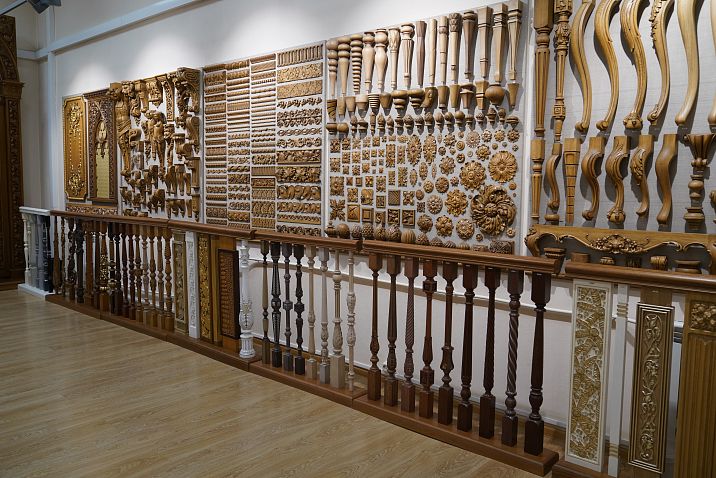
Have you ever felt that special energy radiating from real wood? When buy natural wood products Natural wood is a living material that continues to breathe and change even after processing. Each fibrous structure preserves the story of the tree's growth, its interaction with natural elements. That's why solid wood items possess an irreplaceable aura of authenticity that cannot be imitated by synthetic materials.
Natural wood is a living material that continues to breathe and change even after processing. Each fibrous structure preserves the story of the tree's growth and its interaction with natural elements. That's why solid wood products possess an irreplaceable aura of authenticity that cannot be imitated by synthetic materials.


Art of Selection: What to Pay Attention to When Buying




Determining Material Authenticity
The first step toward a successful purchase is the ability to distinguish natural wood from artificial imitation. Genuine solid wood has a unique pattern of growth rings that never repeats. Upon close examination of end-grain surfaces, the natural fiber structure, their direction, and density are visible.
Tactile sensations play a decisive role in determining material authenticity. Natural wood is always warm to the touch, and its surface has barely noticeable porosity. Artificial materials are typically cold and completely smooth, lacking natural texture.
Our factory also produces:


Wood Moisture as a Quality Indicator
Professionally dried wood is the foundation of any item's longevity. The optimal moisture content for furniture production is 8-12 percent. Exceeding these levels risks deformation, cracking, and mold formation during use.
Kiln drying ensures even moisture removal throughout the material's thickness. This technological process requires precise adherence to temperature regimes and time cycles. Properly dried wood maintains dimensional stability throughout the item's entire service life.
Get Consultation
Wood Species: Characteristics and Applications
Hardwoods: The Standard of Strength
Oak rightfully ranks as the king among furniture woods. Its density reaches 700 kilograms per cubic meter, providing exceptional strength and durability. Oak furniture can serve for centuries, acquiring a noble patina with age.
Beech demonstrates an ideal combination of strength and workability. Its uniform fine-pored structure allows for creating items with a flawless smooth surface. Beech furniture takes staining exceptionally well and can imitate more expensive species.
Ash impresses with its textural contrast and high elasticity. Its fibers form an expressive pattern, especially beautiful when cut radially. Furniture from Ash Solid Wood Perfectly suited for creating modern interiors in loft or Scandinavian styles.
Coniferous Species: Accessibility and Eco-friendliness
Spruce is the most affordable material, possessing excellent performance characteristics. High resin content provides natural protection against rot and insects. Spruce items emit a pleasant pine aroma, beneficial for the respiratory system.
Fir has a light tone and minimal knots when properly selected. Fir wood is easy to process and holds fasteners well. However, it requires mandatory protective treatment against moisture and pests.
Cedar combines the strength of coniferous species with the noble appearance of hardwoods. Its wood has natural antiseptic properties and is practically immune to rot. Cedar items are ideal for rooms with high humidity.
Technological Aspects of Producing Quality Items
Modern wood processing methods
Innovative technologies have fundamentally changed approaches to processing natural wood. Thermomodification allows altering wood properties without using chemicals. At 180-220 degrees Celsius, cellulose undergoes structural reorganization, enhancing material stability.
Vacuum impregnation with protective compounds ensures deep penetration of antiseptics into the entire thickness of the blank. This process increases the service life of items several times while maintaining material ecological purity.
Precision of Modern Production
CNC machines achieve processing accuracy down to 0.05 millimeters. Such precision was unattainable with traditional manual methods. Laser cutting provides perfectly clean cuts without fiber splinters or scratches.
3D modeling allows creating virtual copies of items even during the design phase. This enables evaluating proportions, identifying potential issues, and optimizing material usage.
Final finishing: protection and aesthetics
Selection of protective coatings
Oil finishes deeply penetrate wood pores, highlighting the material's natural beauty. They create a breathable surface that preserves the tactile qualities of wood. Oils are easy to renew and allow localized repairs without full resanding.
Wax compositions form a protective film with a noble matte sheen. Wax effectively repels water and creates a pleasant-to-touch surface. Such a finish is ideal for items frequently in contact with human skin.
Varnish finishes provide maximum protection against mechanical impacts and moisture. Modern water-based formulations are odorless and dry quickly. Polyurethane varnishes create a durable film capable of withstanding intensive use.
Decorative finishing techniques
Patination is the art of artificially aging wood. Special compounds create an effect of long-term use, giving items a noble vintage appearance. Various patination techniques allow simulating the effects of time, sun, and moisture.
Brushing reveals the pattern of growth rings by removing soft fibers. The resulting surface acquires an expressive relief, accentuated by staining or patination.
Economic Aspects of Buying Wooden Items
Pricing of natural wood products
The cost of solid wood items is determined by multiple factors: wood species, processing complexity, material quality, and manufacturer reputation. Hardwood species are traditionally more expensive than coniferous ones, but their service life is significantly longer.
Handcrafted items and individualized approaches significantly increase the cost. However, such items possess uniqueness and exclusivity unavailable in mass production. Buy natural wood products Premium segment — means investing in longevity and status.
Economic benefit of long-term investments
Quality solid wood furniture does not lose value over time and often appreciates. Antique wooden items demonstrate stable price growth at international auctions. Modern high-end items also maintain high liquidity in the secondary market.
The depreciation period of quality wooden furniture is 50-100 years with proper use. This makes purchasing solid wood items economically justified even at a high initial cost.
Specifics of selection for different rooms
Bedroom furniture: comfort and eco-friendliness
The bedroom requires special attention to the ecological purity of materials. Natural wood does not emit toxic substances and contributes to creating a healthy microclimate. Solid wood beds provide optimal body support due to the material's elasticity.
Solid wood wardrobes have natural antibacterial properties. Cedar and pine repel moths and other pests, protecting clothing without using chemical agents. Internal linings made from these species create a natural barrier against insects.
Kitchen furniture: functionality and hygiene
The kitchen imposes special requirements on furniture materials. High humidity, temperature fluctuations, and steam exposure require special wood preparation. Quality wooden kitchen furniture undergoes mandatory treatment with water-resistant compounds.
Solid oak or beech countertops withstand intensive use and easily recover from damage. Natural wood does not dull knives and creates a comfortable working surface. Regular oiling maintains the protective properties of the finish.
Regional specifics of wood selection
Climate factors and their influence
Trees grown in different climatic zones have different characteristics. Northern wood has high density and resin content due to slow growth. Annual rings are tightly packed, providing exceptional material strength.
Southern species have a more porous structure due to rapid growth, but often impress with texture beauty and unusual shades. Tropical wood requires special acclimatization in moderate climate conditions.
Traditional regional techniques
Each region has developed its own methods for processing local wood species. Northern craftsmen specialize in working with coniferous species, using traditional joinery techniques without metal fasteners. Southern regions are renowned for carving hard woods and artistic surface finishing techniques.
These regional characteristics are reflected in modern production, enriching the palette of available styles and solutions. Knowledge of traditional techniques helps create authentic interiors with historical accuracy.
Care and use of natural wood products
Creating optimal conditions
Wooden items require maintaining stable climatic parameters. Optimal air humidity is 45-60 percent, temperature — 18-22 degrees Celsius. Sharp fluctuations in these indicators may lead to deformation or cracking.
Placement of furniture plays a critical role in its preservation. Direct sunlight causes fading and drying of the surface. Placement near heating appliances creates uneven temperature conditions, leading to deformation.
Preventive Maintenance
Regular care of wooden furniture includes dry cleaning with soft cloth, periodic treatment with special agents, and monitoring of hardware condition. Dust should be removed along the grain, avoiding circular motions.
Wax polishes nourish the wood and restore protective properties of the finish. Frequency of treatment depends on usage intensity — from once every six months for bedroom furniture to monthly treatment for tables and chairs.
Modern trends in wooden furniture design
Minimalism and functionality
Modern design tends toward simple forms that highlight the natural beauty of the material. Minimalist solutions require flawless surface quality and precise manufacturing. Every detail must be perfected to the millimeter.
Functionality becomes a priority in the design of modern furniture. Built-in storage systems, transformable elements, ergonomic solutions — all are realized using natural wood.
Ecological responsibility
Demand for products made from recycled wood and certified forests is growing. Consumers increasingly choose items with verified ecological origins. FSC certification guarantees sustainable forestry and responsible use of natural resources.
Zero-waste production technologies are becoming standard for leading companies. Sawdust is recycled into fuel pellets, offcuts are used for small details, bark is used for producing mulch.
Personalization and Individual Approach
Customization possibilities
Modern technologies allow creating unique items based on individual projects. Digital modeling enables visualizing the result even at the discussion stage. The client can participate in the design process, making adjustments to the design.
Choosing wood species, surface treatment type, decorative elements opens up limitless opportunities for self-expression. Order furniture made of natural wood Custom-made — means getting an item fully matching personal needs and tastes.
Emotional connection with the item
Participating in creating furniture forms a special emotional bond between the owner and the item. Knowing the history of each detail, understanding technological features turns ordinary furniture into family heirlooms.
Individual items become part of a personal story, witnessing important life events. They are passed down from generation to generation, accumulating family energy and memories.
Innovations in natural wood processing
Nanotechnologies and protective coatings
The development of nanotechnology opens new possibilities for protecting wood. Nanoparticles create an invisible film on the surface, repelling water and dirt. At the same time, the material retains its ability to breathe and natural texture.
Self-healing coatings can repair minor scratches under the influence of heat. Such innovations extend the lifespan of items and reduce maintenance costs.
Biotechnology in wood processing
Scientists are developing methods to modify wood properties at the cellular level. Special bacteria can alter cellulose structure, increasing material strength or water resistance. These technologies preserve the ecological nature of natural wood.
Genetic engineering allows growing trees with specified properties. Fast-growing species with characteristics of valuable types may revolutionize forestry and wood processing.
Investment attractiveness of wooden items
Antique and collecting market
Antique furniture made of natural wood demonstrates steady price growth. Items from the 18th-19th centuries increase in value by 5-10 percent annually. Modern high-end items also have good investment prospects.
Collectors value the uniqueness and historical significance of wooden items. Furniture by renowned masters or factories becomes an investment object comparable to works of art.
Insurance and appraisal of wooden items
Valuable items made of natural wood require professional appraisal for insurance. Experts consider wood species, item age, preservation condition, historical value, and market trends.
Regular revaluation allows adjusting the insurance amount according to changes in market value. Documented proof of origin and quality of items increases their investment attractiveness.
STAVROS: the benchmark of craftsmanship in the world of natural wood
When discussing the highest achievements in producing wooden items, it is impossible to overlook the company STAVROS — a recognized leader in the premium segment of the Russian woodworking market. Since its founding in 2002, the company has set new quality standards, combining traditional craftsmanship with innovative technologies.
STAVROS specializes in creating exclusive items from premium-grade Caucasian oak and beech. Each batch of raw material undergoes strict selection based on density, moisture content, and absence of defects. Multi-stage kiln drying reduces wood moisture to optimal 8-10 percent.
The production complex is equipped with modern European equipment from leading German and Italian manufacturers. CNC machines ensure precision processing accuracy unattainable through manual production. The quality control system covers all stages — from raw material receipt to final packaging of finished products.
Special attention is paid to ecological safety in production. Only certified lacquer and paint materials without formaldehyde or other harmful substances are used. Production waste is fully recycled — sawdust is used to make fuel briquettes, offcuts are used for small details.
STAVROS’s portfolio includes participation in the restoration of cultural heritage sites, including work at the Alexander Palace in Tsarskoye Selo and the Trinity Cathedral in St. Petersburg. This experience confirms the highest level of craftsmanship and ability to work with historical samples.
The company actively develops the production of kitchenware from solid oak — cutting boards, stands, premium salad bowls. Each item undergoes special treatment with food-grade oils, ensuring safe contact with food.
Choosing STAVROS products, customers receive a guarantee of flawless quality, based on years of experience and deep understanding of natural wood properties. Each company item embodies a philosophy of perfection, where the natural beauty of wood is revealed through craftsmanship and innovative technologies.