Article Contents:
- 1. History and Cultural Heritage of Solid Wood Products
- 1.1. Ancient Traditions of Craftsmanship
- 1.2. Evolution of Wood Processing
- 1.3. Significance of Solid Wood Products in Modern Society
- 2.1. Raw Material Selection: From Forest to Finished Product
- 2.2. Drying and Primary Processing Technologies
- 2.3. Mechanized Processing and Use of CNC Technologies
- 2.4. Final Processing and Decorative Finishing
- 2.5. Quality Control and Certification
- 3.1. Ecological and Natural Properties
- 3.2. Strength and durability
- 3.3. Aesthetic Appeal and Uniqueness
- 3.4. Thermal and Sound Insulation Properties
- 3.5. Design Flexibility and Customization Opportunities
- 4.1. Furniture Manufacturing
- 4.2. Interior Finishing and Decorative Elements
- 4.3. Architectural Structures
- 4.4. Landscape Design
- 4.5. Exclusive Projects and Design Solutions
- 5.1. Residential Interiors
- 5.2. Public Buildings and Commercial Projects
- 5.3. Architectural Projects and Restoration
- 6.1. Innovative Technologies and Sustainable Production
- 6.2. Integration with Modern Design Trends
- 6.3. Expanding Product Range and New Market Niches
- 7.1. Criteria for selecting quality solid wood items
- 7.2. Care and maintenance of items
- 7.3. Choosing proven manufacturers
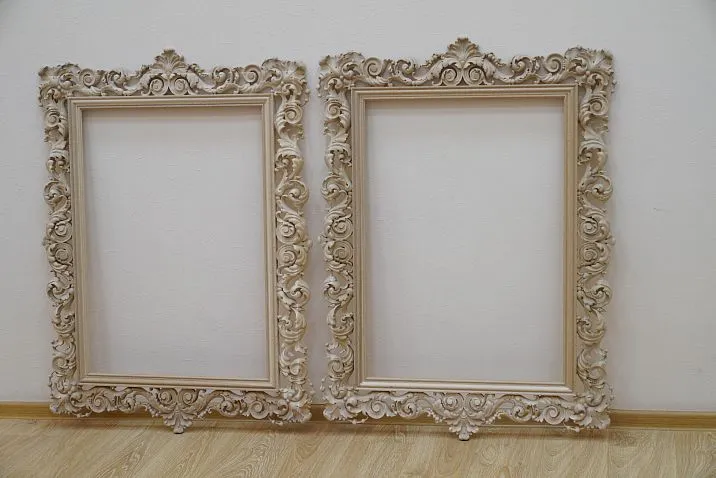
Solid wood items have occupied a special place in human life for centuries, serving as a symbol of warmth, comfort, and durability. Natural wood, with its unique texture, rich palette of tones, and distinctive structure, is capable of transforming any interior, introducing an element of natural harmony, and giving space individuality. In the modern world, solid wood items continue to enjoy immense popularity due to the combination of traditional craftsmanship techniques and the latest processing methods, enabling the production of high-quality products. In this article, we will thoroughly examine the characteristics of materials made from solid wood, their production, advantages, applications in various fields, and development prospects. Special attention will be given to why one should buy solid wood items for homes as well as commercial spaces, and how such materials shape the look of modern interiors.


1. History and cultural heritage of solid wood items




1.1. Ancient traditions of craftsmanship
Wood has always been the basis for creating dwellings, furniture, and decorative elements. Solid wood items have served as symbols of stability, the hearth, and high status since ancient times. Woodworkers possessed secrets of processing passed down from generation to generation, which imbued each item with a special soul and warmth. Masters created items that not only fulfilled utilitarian functions but also became true works of art, reflecting the culture and traditions of their time.
Our factory also produces:


1.2. Evolution of wood processing
Over time, wood processing methods have significantly changed. From hand carving and traditional drying methods to modern use of CNC machines, laser cutting, and computer modeling — technologies have continuously improved. However, despite technological progress, the true beauty of solid wood remains unchanged. Modern technologies allow not only to preserve the natural appearance of the material but also to highlight its unique properties, minimize shrinkage, and enhance strength characteristics.
Get Consultation
1.3. Significance of solid wood items in modern society
In the context of growing environmental awareness and the desire for natural materials, solid wood items acquire new significance. Natural wood is not only aesthetically pleasing and durable but also a product manufactured with minimal environmental impact. That is why modern buyers increasingly prefer such items. If you wish buy solid wood itemsto choose quality, eco-friendliness, and timeless classicism capable of enduring the test of time.
2. Modern production technologies for solid wood items
2.1. Raw material selection: from forest to finished product
The quality of the final product directly depends on the quality of the raw material. Modern manufacturers pay special attention to selecting wood. For manufacturing solid wood items, the best wood species are used, such as oak, beech, ash, larch, and others. Each species has its unique properties: for example, oak is renowned for its strength and durability, while beech is elegant and easy to process. Quality control begins even at the logging stage, where all ecological and technological standards are observed.
2.2. Drying and primary processing technologies
Wood drying is one of the most important stages of preparing raw material. Modern drying methods allow achieving uniform moisture removal, preventing deformation and shrinkage of the material in the future. Before further processing, wood undergoes strict control: defects, cracks, knots, and other undesirable elements are checked. Only after careful preparation does the wood proceed to the next stage — mechanized processing.
2.3. Mechanized processing and use of CNC technologies
With the advent of modern processing technologies such as computer numerical control (CNC), processing solid wood has become more precise and efficient. Laser cutting, milling, digital modeling — all this allows creating items with ideal proportions and complex decorative elements. Technologies enable maximum preservation of the natural beauty of wood, highlighting its unique textures and creating items capable of meeting the highest design requirements.
2.4. Final finishing and decorative treatment
Final finishing is the concluding stage of production, which gives the item its final appearance and protects it from external influences. Modern varnishes, stains, and oils not only enhance the natural beauty of wood but also create a protective layer extending the item’s service life. Masters use innovative compositions that achieve the effect of 'living' wood, when each item retains its uniqueness and individuality.
2.5. Quality control and certification
Each solid wood item undergoes strict quality control. Manufacturers pay special attention to compliance with all standards, both domestic and international. The presence of certificates confirms that the item meets high requirements for safety, ecological purity, and durability. When selecting products, it is recommended to pay attention to documents confirming the quality and origin of the material.
3. Advantages of solid wood items
3.1. Ecological and Natural Properties
One of the main advantages of solid wood items is their ecological safety. Natural wood does not contain synthetic additives or harmful substances, making it ideal for use in residential spaces. Using a renewable resource contributes to reducing environmental impact, which is especially important in the context of global environmental challenges. By purchasing Solid wood productsyou are choosing in favor of nature and a healthy lifestyle.
3.2. Strength and durability
Solid wood items are known for their high strength and ability to withstand significant loads. Natural wood possesses inherent resistance to mechanical damage, wear resistance, and the ability to retain its operational characteristics even after many years of use. Thanks to modern processing technologies, items gain additional protection against moisture, temperature fluctuations, and biological factors, significantly extending their service life.
3.3. Aesthetic Appeal and Uniqueness
Each piece made from solid wood is a unique work of art, possessing its own individual texture and distinctive grain pattern. Natural tones and rich textures allow for the creation of items that are not merely functional objects, but true decorative elements. The beauty of wood can impart warmth, elegance, and a special charm to an interior, making it cozy and harmonious. This is why solid wood items remain consistently popular among admirers of both classic and modern design.
3.4. Thermal and Sound Insulation Properties
Wood possesses natural thermal and sound insulation properties. This means that solid wood items can create a comfortable microclimate in a room, contribute to energy savings, and improve interior acoustics. Such a material is an ideal solution for building houses, creating furniture, and decorative elements, where both aesthetic and functional qualities are important.
3.5. Design Flexibility and Customization Possibilities
Thanks to its pliability and ease of processing, solid wood allows for the creation of items perfectly suited to any interior style—from classic to modern. Craftsmen can bring even the boldest design ideas to life, using diverse decorative techniques—carving, inlay, laser engraving, painting, and varnishing. Customization of items enables meeting individual client preferences, creating unique interior pieces that reflect the character and taste of their owners.
4. Applications of Solid Wood Items
4.1. Furniture Production
Solid wood items find wide application in furniture production. Tables, chairs, cabinets, chests, beds, and other interior items made from natural solid wood not only offer high functionality but also aesthetic appeal. Each item becomes a focal point in the interior, imparting warmth, luxury, and uniqueness. Quality solid wood furniture is an investment in comfort and durability, capable of being passed down through generations. If you plan tobuy solid wood items for your home, you will receive a product that will serve for many years.
4.2. Interior Finishing and Decorative Elements
Solid wood materials are widely used for finishing walls, ceilings, and floors. Panels, cladding, decorative elements, beams, and skirting boards made from natural solid wood give a room an elegant appearance and create a cozy atmosphere. Such a material can become an accent in the interior, highlighting its style and individuality. Wooden elements can be used in both classic and modern design, thanks to their versatility and ability to adapt their appearance to a specific project.
4.3. Architectural Structures
Solid wood items are used in construction as load-bearing elements and for decorative facade finishing. Laminated beams, glued beams, and other engineering solutions enable the construction of large-scale wooden structures possessing high strength and aesthetic appeal. Modern processing technologies allow the use of solid wood as the primary material for creating architectural masterpieces, where natural wood harmoniously combines with modern materials such as glass, metal, and stone.
4.4. Landscape Design
Natural wood is an ideal material for creating landscape design elements. Solid wood items are used for constructing gazebos, terraces, garden furniture, and decorative fences. The natural appearance and durability of the material contribute to creating a harmonious and cozy outdoor space, where home and nature merge into a single composition.
4.5. Exclusive Projects and Design Solutions
Solid wood items are often used in exclusive projects, where every detail is carefully considered. Artistic carving, inlay, exclusive finishes—all this allows creating unique interior pieces that become reflections of the owner’s individuality and taste. Such items not only serve a utilitarian function but also become collectible objects, works of art capable of conveying the atmosphere of a particular era and culture.
5. Examples of Successful Projects and Real Solutions
5.1. Residential Interiors
In modern residential construction, solid wood items have become an indispensable element of luxurious interiors. Many private homes and luxury apartments are adorned with wooden panels, furniture, and decorative elements, creating a unique coziness and harmony. Natural wood is capable of transforming any space, imparting it warm, rich tones and textural richness. Clients choosingSolid wood products, appreciate not only durability but also the opportunity to create interiors filled with soul and natural aesthetics.
5.2. Public Buildings and Commercial Projects
In hotels, restaurants, offices, and shopping centers, wooden interior elements highlight the status of the establishment and create a cozy atmosphere for visitors. Durable and stylish wooden structures contribute to improved acoustics, create a favorable microclimate, and distinguish the space from competitors. Quality solid wood items become an indispensable part of the brand, emphasizing its individuality and commitment to high quality.
5.3. Architectural Projects and Restoration
In restoration projects of historical buildings, solid wood is often used to preserve authenticity and historical value of objects. Modern technologies allow restoring elements of historic architecture, preserving their original appearance and durability. Solid wood items, manufactured according to all traditions and quality standards, successfully integrate into modern projects, creating a bridge between the past and the present.
6. Development Prospects and Innovative Directions
Modern wood processing technologies are continuously improving. The introduction of digital technologies, automated lines, and environmentally friendly processing methods allows creating solid wood items meeting the highest quality and safety standards. Innovations contribute not only to enhancing operational characteristics but also to reducing production waste, aligning with the principles of sustainable development.
Modern wood processing technologies are continuously improving. The introduction of digital technologies, automated lines, and eco-friendly processing methods enables the creation of solid wood products meeting the highest standards of quality and safety. Innovations contribute not only to enhanced performance characteristics but also to reducing production waste, aligning with the principles of sustainable development.
6.2. Integration with Current Design Trends
Each year, more design solutions based on solid wood emerge. Artists and architects actively experiment with combining traditional materials and modern technologies, creating unique interior items capable of satisfying the demands of the most discerning clients. Personalization of products has become an important aspect, allowing for individual projects that reflect the owner’s style and personality.
6.3. Expanding the product range and new market niches
The emergence of new processing technologies and decorative methods opens up enormous opportunities for manufacturers to expand their product range. Today, solid wood products are used not only in traditional furniture market segments but also in new niches: from high-tech architectural solutions to exclusive designer items. The growing demand for eco-friendly and natural materials contributes to industry development and attracts investments, promising steady growth and further improvement in product quality.
7. Practical recommendations for buyers
7.1. Criteria for selecting quality solid wood products
When choosing solid wood products, it is important to consider several key aspects:
● Wood species. Different species have their unique properties: oak, beech, ash, larch, and others — the choice depends on the product’s intended use.
● Processing method. Carefully study the technologies used in wood processing, including thermal modification, laser cutting, and other modern methods.
● Certification and warranties. Pay attention to the presence of quality certificates, warranty service, and reviews from other customers.
● Design and functionality. Choose items that harmoniously fit your interior and meet functional requirements.
7.2. Care and maintenance of products
To preserve the aesthetics and longevity of solid wood products, certain care rules must be followed:
● Regular cleaning with soft cloth and use of specialized wood care products.
● Periodic treatment with protective compounds, oils, or varnishes to prevent moisture and UV exposure.
● Avoid prolonged exposure to direct sunlight and sudden temperature changes, which may cause material deformation.
7.3. Choosing reputable manufacturers
When purchasing solid wood products, it is recommended to choose reputable manufacturers who guarantee the quality of their products. Modern companies offeringSolid wood productsutilize the latest technologies and adhere to all production standards. This ensures not only aesthetic appeal but also high reliability of products capable of lasting for many years.
8. Conclusion
Solid wood products represent an ideal combination of traditional craftsmanship and modern processing technologies. Natural wood, possessing its unique texture, strength, and eco-friendliness, remains one of the most sought-after materials for furniture, interior finishing, and architectural structures. Modern technologies allow for maximum preservation of the natural beauty of wood, overcoming its traditional limitations such as shrinkage and moisture sensitivity, while ensuring high performance characteristics.
ChoosingSolid wood productsSolid wood products: you invest in quality, durability, and aesthetic appeal. Such items become an essential part of modern interiors, creating an atmosphere of warmth, comfort, and harmony. The natural beauty of solid wood, enhanced by innovative processing methods, is capable of transforming any space, highlighting its individuality and style.
In the context of rapid technological development and increased attention to eco-friendly materials, solid wood products continue to occupy leading positions in the market. They are used not only in residential homes but also in commercial and public spaces, where both aesthetic and functional qualities are important. The future of natural materials promises new innovative solutions, expanded product ranges, and further refinement of technological processes, enabling the creation of products capable of meeting the highest demands of modern consumers.
Thus, solid wood products are not merely decorative elements, but living testimony to the harmony between nature and technology, between centuries-old traditions and modern innovations. They provide warmth, comfort, and durability, becoming reliable companions in creating comfortable and stylish spaces where every detail matters. Investing in natural wood means choosing eco-friendliness, quality, and aesthetics that remain relevant across centuries, passed down from generation to generation.