Article Contents:
- Why wooden items are more than just interior decor
- Ecological safety: breathe freely
- Durability: heritage for future generations
- Aesthetics and uniqueness: distinctive character
- Universality: beyond time and trends
- Energy and psychological comfort: harmony with nature
- Variety of wooden items: from functionality to art
- Solid wood furniture: foundation of interior
- Decorative items: accents and details
- Kitchenware: functionality and aesthetics
- Wooden toys: development and eco-friendliness
- Wood species: choosing the ideal material
- Oak: century-old reliability
- Spruce: accessible beauty
- Beech: elegant strength
- Walnut: aristocratic refinement
- Larch: underestimated gem
- Where to buy wooden items: criteria for choosing a reliable supplier
- Specialized stores and boutiques
- Workshops and manufacturers
- Online stores and marketplaces
- Criteria for Choosing a Reliable Supplier
- How to choose quality wooden items: practical tips
- Assessment of wood quality
- Assessment of Manufacturing Quality
- Functionality and ergonomics
- Caring for wooden items: preserving beauty for years
- Regular Care: Simple Rules
- Protection from External Influences
- Restoration and renewal
- Conclusion: wooden items as an investment in quality of life
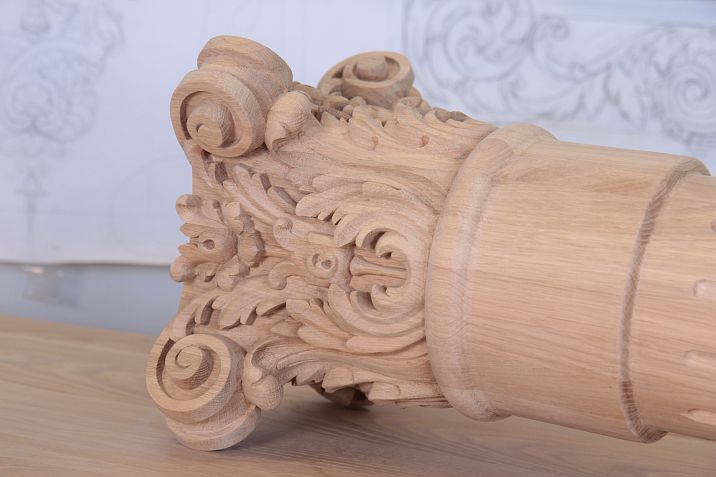
Touch the living wood, feel its warmth under your fingers, inhale its unique aroma... No artificial material can offer such sensations. In a world of plastic, glass, and concrete, wooden items become not just interior elements, but true islands of authenticity, connecting threads between humans and nature.
Wooden items possess an amazing ability to transform space, filling it with warmth, coziness, and special energy. They carry the wisdom of centuries, the strength of nature, and the craftsmanship of human hands. Each item is unique, like the unique pattern of wood fibers, and carries a piece of the soul of the master who created it.
If you are considering where to buy wooden itemsIf you are looking for items that will become not just functional, but true decoration for your home, this article is for you. We will reveal the secrets of choosing quality wooden items, tell you about their unique properties and advantages, help you understand the variety of wood species and styles. You will learn how to properly care for wooden items so they delight you for years, and where to find truly worthy items, created with love and craftsmanship.


Why wooden items are more than just interior decor
In an era of mass production and rapid trend changes, wooden items have become symbols of timeless value, quality, and conscious consumption. They carry a whole complex of advantages that distinguish them from items made of other materials.




Ecological Safety: Breathe Freely
Natural wood is one of the most ecologically clean materials. Unlike plastic, MDF, or particleboard, quality solid wood products do not contain formaldehyde, phenol, and other harmful substances that may be released into the air and negatively affect health.
Wooden items create a special microclimate in the home. They "breathe," regulating air humidity: absorbing excess moisture and releasing it when dry. This is especially important for people suffering from allergies or asthma. Moreover, many types of wood possess natural antibacterial properties, making them ideal for use in kitchens and children's rooms.
It is important to note that modern manufacturers of quality wooden items use water-based ecological paints and stains that preserve all the beneficial properties of wood and do not harm the environment.
Our factory also produces:


Durability: A Legacy for Future Generations
Quality solid wood items are an investment for decades. With proper care, they not only do not lose their qualities but become even more beautiful, acquiring a noble patina of time.
For example, a solid oak dining table has an average service life of 50-70 years, and with careful care, it can last over 100 years, passing from generation to generation as a family heirloom. For comparison, the average service life of a particleboard table is 5-7 years.
Even if a wooden item becomes damaged, it can be restored. Scratches, chips, and wear marks can all be removed, unlike defects on items made from artificial materials, which must be discarded if seriously damaged.
Get Consultation
Aesthetics and Uniqueness: An Irreplaceable Character
Each item made of natural wood is unique, like a fingerprint. Nature does not create two absolutely identical trees, so the grain pattern, tone, and texture are all individual characteristics that make each item special.
Wooden items have a special tactile appeal. Touching a warm, living wooden surface gives a sense of comfort and connection to nature. This tactile experience cannot be replicated with even the most advanced artificial materials.
Over time, wood changes its color, acquiring a deeper, richer tone. This natural "ripening" process gives items a unique charm and depth that cannot be imitated.
Universality: Beyond Time and Trends
Wooden items are remarkably versatile. They fit organically into almost any interior — from classic to minimalist, from country to high-tech. This is because wood is a timeless material, not subject to fleeting fashion trends.
Thanks to the variety of wood species, tones, and finishing methods, wooden items can be selected to match any color scheme and stylistic concept. Light birch furniture fills a space with air and light, dark walnut creates an atmosphere of aristocratic luxury, and rustic oak adds a touch of country coziness.
Energy and Psychological Comfort: Harmony with Nature
Numerous studies confirm that surrounding oneself with natural materials, particularly wood, positively affects a person's psychological state. Wooden items reduce stress levels, improve mood, and enhance productivity.
In Japanese philosophy, there is a concept called "shinrin-yoku" — forest bathing, therapy in the forest. It is believed that even small wooden items in an interior can create the effect of nature's presence, which positively affects the nervous system and overall well-being.
Variety of Wooden Items: From Functionality to Art
The modern market offers an incredible variety of wooden items — from large furniture to miniature accessories. Each category has its own features, advantages, and areas of application.
Solid Wood Furniture: The Foundation of Interior Design
Furniture made of natural wood is the foundation, the cornerstone of interior design. It sets the tone for the entire space, defining its character and atmosphere.
Solid wood tables and chairs are central elements of the dining area or office. A dining table often becomes the heart of the home, a place for family gatherings and friendly meetings. A quality solid oak dining table measuring 180x90 cm with a 40 mm thickness can withstand a load of up to 300 kg while maintaining its shape and stability. Solid wood chairs with properly designed ergonomics (seat height 45-48 cm, backrest inclination 100-105 degrees) provide comfortable seating even with prolonged use.
Solid wood wardrobes and chests are not only functional but also visually appealing. Due to the natural beauty of wood, they become focal points in interior design. A solid pine wardrobe measuring 200 cm in height, 100 cm in width, and 60 cm in depth offers impressive storage capacity despite relatively compact dimensions. Its weight (approximately 80-100 kg) ensures the stability and reliability of the structure.
Solid wood beds are a guarantee of healthy sleep and longevity. A solid wood bed frame 160 cm wide with 30 mm thick side rails and a central beam can support a load of up to 500 kg, providing reliable support for the mattress and sleepers. The absence of squeaks and warping is a hallmark of quality wooden beds.
Decorative Items: Accents and Details
Wooden decorative items are the finishing touches that complete the interior design, making it unique and personalized.
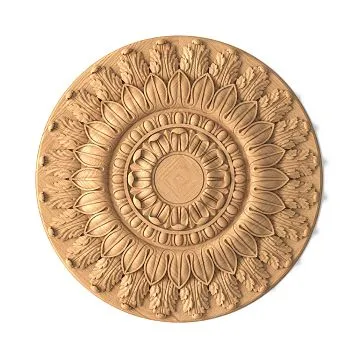
Carved panels and wooden pictures become focal points in the interior. A 60x40 cm panel, crafted using deep relief carving up to 15 mm, creates an impressive three-dimensional effect, especially under proper lighting. Such items often become family heirlooms and are passed down from generation to generation.
Wooden sculptures and figurines are small works of art that can tell a whole story. From miniature figures 10-15 cm tall to imposing sculptures life-sized, the range of sizes and styles is breathtaking. Each sculpture is unique, especially if hand-carved by a master craftsman.
Frames for paintings and mirrors made of natural wood not only frame the image but are themselves works of art. A carved frame 8-10 cm wide with a relief depth of up to 5 mm requires up to 20 hours of handwork by a craftsman and can completely transform even the simplest painting or mirror.
Kitchenware: functionality and aesthetics
The kitchen is a special space where wooden items showcase all their best qualities: eco-friendliness, practicality, and aesthetic appeal.
Wooden cutting boards – indispensable helpers in the kitchen. A maple or oak board, 3-4 cm thick and 40x30 cm in size, has an optimal weight (about 2-3 kg), ensuring stability during chopping. An important advantage of quality wooden boards is their antibacterial properties. Studies show that harmful bacteria live significantly less on wooden surfaces than on plastic ones.
Wooden kitchen utensils – spoons, spatulas, and mashers – do not scratch dish surfaces, do not conduct heat (protecting hands from burns), and do not react with food products. A wooden spatula 30 cm long, with a 7 cm wide working part and 0.8 cm thickness, has an optimal balance of strength and flexibility, making it ideal for mixing and serving.
Wooden bread boxes and salt cellars not only preserve the freshness of products but also become decor for the kitchen. A beech bread box measuring 40x25x15 cm with a tightly closing lid provides an optimal microclimate for storing bread, preventing both drying out and mold growth.
Wooden toys: development and eco-friendliness
Wooden toys are experiencing a true revival in the age of plastic and gadgets. Parents are increasingly choosing eco-friendly, safe, and developmental wooden toys for their children.
Wooden construction sets and puzzles develop spatial thinking, motor skills, and logic. A wooden construction set with 50 elements of different shapes and sizes (from 3 to 10 cm), smooth finish, and rounded edges is safe even for the youngest children and offers endless opportunities for creativity.
Wooden cars and dolls have a special tactile appeal and durability. A beech car 15 cm long, 7 cm wide, and 5 cm high with movable 3 cm diameter wheels will serve multiple generations of children, unlike plastic counterparts.
Sensory development boards and sorters made of natural wood stimulate a child’s sensory development. A busy board measuring 40x30 cm with various elements (locks, buttons, lacing) made from different wood species creates diverse tactile sensations and develops fine motor skills.
Wood species: choosing the ideal material
Choosing a wood species is one of the key factors when purchasing wooden items. Each species has unique characteristics that affect the appearance, strength, durability, and cost of the item.
Oak: time-honored reliability
Oak rightfully ranks as the king among trees. Its wood is distinguished by exceptional strength (hardness 3.7-4.5 on the Brinell scale), durability, and expressive texture.
The color of oak wood ranges from light golden to dark brown with a characteristic "striped" pattern of annual rings. As oak ages, it darkens, acquiring a noble honey tone.
Oak items are resistant to mechanical damage, moisture, and fungi. They are ideal for furniture that will be heavily used: dining tables, chairs, beds. An oak table 40 mm thick can withstand a load of up to 300 kg without deformation.
The cost of oak items is relatively high, but fully justified by their quality and longevity. This is a true investment that will serve multiple generations of your family.
Spruce: accessible beauty
Spruce is the most common and accessible wood species for manufacturing wooden items. Its light yellowish wood with characteristic knots creates an atmosphere of coziness and warmth.
In terms of hardness (1.5-2.5 on the Brinell scale), spruce is inferior to hard deciduous species, making it more susceptible to mechanical damage. However, with proper processing and care, spruce items can last for decades.
Spruce is easy to work with, allowing the creation of items of any complexity. It takes stain and paint well, enabling virtually any color to be achieved while preserving the natural wood texture.
Spruce items are ideal for children’s rooms, cottages, and country homes – anywhere where naturalness and eco-friendliness are valued. A spruce solid wood bed measuring 200x160 cm weighs about 60-70 kg, making it sufficiently lightweight for transportation and assembly.
Beech: elegant strength
Beech is a hard deciduous species with uniform structure and light, slightly pinkish hue. Its wood is characterized by high density (700-750 kg/m³) and hardness (3.5-4.0 on the Brinell scale).
Beech’s texture is more subdued and uniform compared to oak, making it ideal for modern minimalist interiors. At the same time, beech is excellent for toning, allowing it to imitate more expensive wood species.
Beech items are especially suitable for furniture with complex details and joints. A beech solid wood chair with a curved back and turned legs 4 cm in diameter can withstand a load of up to 120 kg while maintaining an elegant, light appearance.
Walnut: aristocratic elegance
Walnut is a species associated with luxury and elegance. Its dark brown wood with purple or reddish hues and beautiful wavy grain creates a sense of nobility and status.
In terms of hardness (3.5-4.0 on the Brinell scale), walnut is comparable to oak, but has a silkier texture. Walnut wood is easy to work with, allowing the creation of intricate carved elements and elegant details.
Walnut items are traditionally associated with classic styles, baroque, and empire. A walnut solid wood chest 120 cm wide, 90 cm high, and 50 cm deep with carved fronts and brass hardware becomes a true work of art and a focal point in the interior.
Larch: an underestimated gem
Larch is a unique coniferous species, matching the strength of many hardwoods. Its wood has a beautiful amber hue that over time develops a noble reddish tone.
The distinctive feature of larch is its exceptional resistance to moisture and decay due to high resin content. This makes it ideal for items intended for use in humid areas or outdoors.
In terms of hardness (2.5–3.2 on the Brinell scale), larch surpasses pine and spruce, approaching the properties of some hardwoods. At the same time, its cost is usually lower than that of oak or walnut.
Larch garden furniture with a 40 mm thickness can withstand temperature fluctuations from -40 to +40 degrees and direct exposure to precipitation without deformation or decay for 15–20 years, making it an ideal choice for terraces and pavilions.
Where to buy wooden items: criteria for choosing a reliable supplier
Choosing where to purchase wooden items is no less important than selecting the items themselves. The reliability of the supplier affects not only the quality of the purchased items but also the level of service, warranty support, and many other aspects.
Specialized stores and showrooms
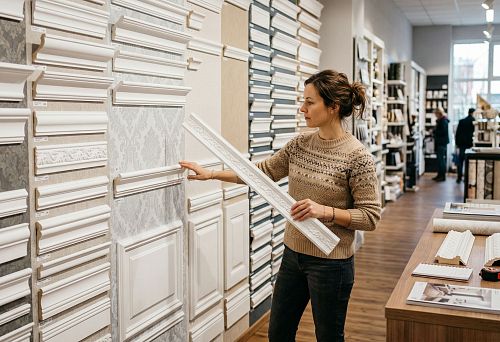
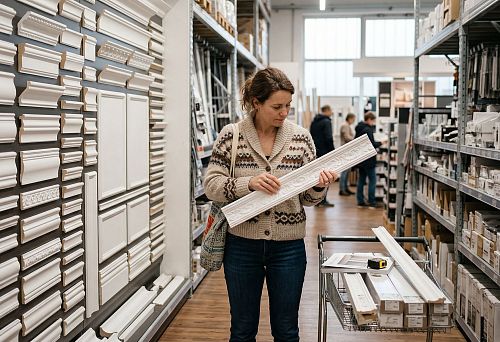
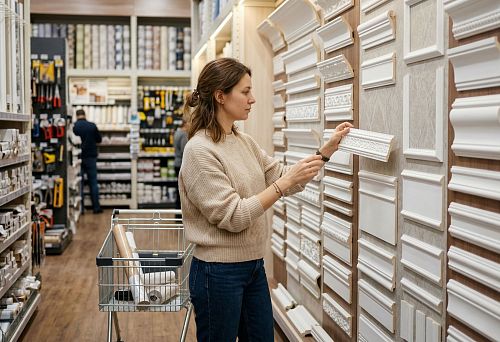
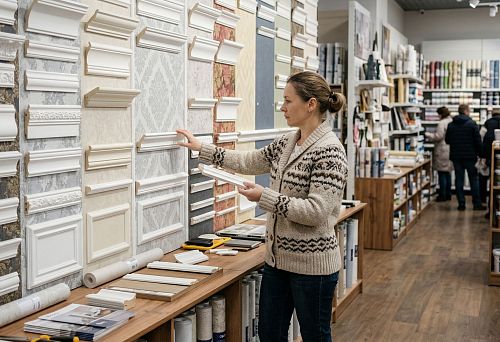
Specialized wooden item stores are places where a wide variety of items in different styles and price categories are presented. Here, you can see the items in person, assess their quality, color, and texture.
Advantages of purchasing in specialized stores:
- Ability to see and touch items before purchase
- Professional consultation from specialists
- Guarantee of quality and authenticity of materials
- Ability to order non-standard sizes or configurations
- Delivery and assembly by the store
- Warranty service
When choosing a store, pay attention to:
- Reputation and duration of operation on the market
- Brands and manufacturers presented
- Customer reviews
- Delivery, assembly, and warranty conditions
- Possibility of return or exchange in case of defects detected
Specialized stores typically offer items in mid-range and premium price segments, which is explained by high quality standards and service levels.
Workshops and factories
Many workshops and small factories have their own exhibition halls or online stores, where you can purchase their products directly, without intermediaries.
Advantages of buying from the manufacturer:
- Lower prices due to the absence of intermediary markup
- Full information about the manufacturing process and materials
- Opportunity to visit the production facility and see how items are made
- Wide customization options
- Direct contact with the manufacturer in case of questions or problems
When choosing a manufacturer, pay attention to:
- Technological equipment of the production facility
- Used materials and components
- Quality control system
- Ecological certifications
- Portfolio of completed projects
Buying directly from the manufacturer is especially advantageous when ordering comprehensive room furnishings (e.g., kitchen, bedroom, or living room), as you can receive a significant discount on the complete set.
Online stores and marketplaces
Online stores are becoming an increasingly popular channel for purchasing wooden items. They offer a wide selection, convenient search, and the ability to compare different options.
Advantages of buying from online stores:
- Access to offers from different regions and countries
- Ability to compare prices and features
- Convenience of choosing anytime of day
- Delivery to your door
- Often lower prices due to the absence of costs for maintaining exhibition halls
When choosing an online store, pay attention to:
- Reputation and customer reviews
- Completeness of product information (materials, dimensions, weight, photos)
- Delivery, assembly, and warranty conditions
- Possibility of return or exchange
- Payment security
Online shopping carries certain risks (inability to assess quality in person, potential delivery issues), but choosing a reliable store minimizes these risks.
Criteria for selecting a reliable supplier
Regardless of the fact, where to buy wooden items – whether in a store, on the production site, or online – it is important to evaluate the supplier’s reliability based on the following criteria:
- Transparency of information. A reliable supplier provides complete information about materials, production technologies, delivery conditions, and warranties.
- Quality of materials. The supplier must use high-quality wood with proper moisture content (8-12%) and without visible defects.
- Production technologies. Modern equipment and traditional woodworking techniques ensure high quality of finished products.
- Ecological safety. A reliable supplier uses environmentally friendly materials and safe lacquers, and holds appropriate certifications.
- Warranty obligations. The longer the warranty period, the more confident the manufacturer is in the quality of their product.
- After-sales service. The possibility of repair, restoration, or replacement of parts is an important aspect of long-term cooperation.
- Customer reviews. Real customer reviews are a valuable source of information about the supplier’s reliability.
When choosing, where to buy wooden itemsRemember, this is a long-term investment. Saving on quality may result in disappointment and additional expenses in the future.
How to choose quality wooden items: practical tips
Choosing quality wooden items requires attention to detail and understanding of the basic characteristics of wood. Here are practical tips to help you make the right choice.
Assessment of wood quality
Wood quality is the foundation of durability and aesthetic appeal of wooden items. When choosing, pay attention to the following aspects:
Wood moisture content should be 8-12%. Too dry wood (less than 6%) is prone to cracking, while overly wet wood (more than 15%) may warp or deform. Professional manufacturers use moisture meters to control this parameter at all stages of production.
Uniformity of structure is an important quality indicator. The wood should have even density and color, without abrupt transitions or anomalies. Exceptions include certain species (e.g., Karelian birch), where non-uniformity is a valuable decorative feature.
Absence of defects — cracks, knots, resin pockets, signs of insect or fungal damage. Small knots in some items (especially from coniferous species) may be acceptable and even desirable as part of natural texture, but they must be firmly "embedded" in the wood, without signs of falling out.
The direction of the grain affects the strength and stability of the item. In countertops, shelves, and cabinet doors, the grain should run along the long side to minimize the risk of deformation. In table and chair legs, the grain should run along the vertical axis for maximum strength.
Assessment of manufacturing quality
Manufacturing quality determines not only the appearance but also the longevity of wooden items. Pay attention to:
Joint connections must be strong and neat. Traditional joinery (dowel-and-mortise, "birdsmouth") provides maximum strength and durability. A quality "birdsmouth" joint has tight fitting parts without gaps, with a tenon width of 12–15 mm and a mortise depth of 10–12 mm.
Surface sanding should be thorough, without burrs or roughness. Quality sanding implies sequential use of abrasive materials with increasing grit (from 80 to 220 grit), ensuring a perfectly smooth surface.
Finish should be even, without drips, bubbles, or uncoated areas. The thickness of the lacquer coating should be 80–120 microns (for comparison, human hair is about 100 microns), providing reliable protection without a "plastic" effect.
Hardware must be high-quality and securely fastened. Hinges, handles, and guides — all these elements affect usability and product longevity. Quality furniture hinges withstand at least 50,000 open/close cycles, which, with average use (10 cycles per day), ensures a service life of more than 13 years.
Functionality and ergonomics
Even the most beautiful item will not please if it is inconvenient to use. When selecting, consider:
Dimensions and proportions must match both the room and the anthropometric data of users. Optimal dining table height — 75–80 cm, work table height — 70–75 cm, chair seat height — 45–48 cm, cabinet depth — 50–60 cm.
Ergonomics is especially important for furniture that a person interacts with directly: chairs, armchairs, beds. The chair back should have a slight backward tilt (100–105 degrees), the seat — a slight backward tilt (3–5 degrees), ensuring proper load distribution on the spine.
Functionality is determined by ease of use and suitability for purpose. Drawers should slide out and back in easily, doors — open and close smoothly, shelves — withstand expected load without sagging.
Safety is a critically important aspect, especially for children’s furniture and items with moving parts. All corners and edges must be rounded (radius of rounding no less than 2 mm), with no protruding elements that could cause injury.
Care for wooden items: preserving beauty for years
Proper care for wooden items significantly extends their service life and preserves their attractive appearance. Here are the main principles and practical recommendations.
Regular care: simple rules
Daily care for wooden items requires no great effort but must be regular:
Dust removal should be done with a soft dry cloth, moving along the direction of the wood grain. For hard-to-reach areas, use a soft brush or vacuum cleaner with a brush attachment.
Wet cleaning is permissible but with caution. The cloth must be well wrung out, almost dry. After wiping with a damp cloth, immediately dry the surface thoroughly. Never leave water on a wooden surface — this may cause stains and deformation.
Special care products for wooden furniture (polishes, waxes, oils) should be applied according to instructions, usually no more than 1–2 times per month. They not only add shine but also create a protective layer shielding the wood from moisture and contaminants.
Prevention of contamination — using coasters under hot items, placemats under dishes, mats under shoes — significantly reduces the risk of damage to wooden surfaces and simplifies their care.
Protection from external influences
Wooden items are sensitive to various external factors that may negatively affect their condition:
Protection from sunlight is extremely important, as ultraviolet rays cause fading and cracking of wood. Use curtains or blinds to protect furniture from direct sunlight. If this is not possible, apply special UV-filtering compounds to the wood surface.
Optimal microclimate for wooden items: temperature 18–22°C, relative humidity 45–60%. Sudden changes in these parameters may cause wood deformation. Use humidifiers during heating season and monitor room ventilation.
Protection from mechanical damage — use felt or silicone pads under furniture legs, do not move heavy items across wooden surfaces, avoid impacts from hard objects.
Protection from chemical influences — immediately remove spilled liquids (especially alcohol, acetone, solvents), do not use aggressive cleaning agents that may damage the protective coating and the wood itself.
Restoration and renewal
Even with the most careful handling, wooden items may over time lose their attractive appearance or sustain damage. In such cases, restoration methods come to the rescue:
Minor scratches can be removed using special wax pencils or furniture markers matched to the wood color. For deeper scratches, use wood filler, followed by sanding and touch-up.
Reapplication of protective coating is recommended every 3–5 years depending on usage intensity and operating conditions. This may involve re-lacquering, waxing, or oiling, depending on the original coating type.
Professional restoration may be required for valuable antiques or in cases of severe damage. An experienced restorer can bring even heavily damaged items back to life, preserving their historical and artistic value.
Repainting or restaining is a radical but effective way to refresh wooden items, especially if you wish to change their color or style. This process includes removing the old finish, sanding, priming, and applying a new staining compound.
Conclusion: Wooden items as an investment in quality of life
In a world of mass production and disposable consumption, wooden items made from natural materials have become a symbol of conscious choice in favor of quality, durability, and eco-friendliness. These are not merely interior or household items — they are an investment in comfort, health, and aesthetic pleasure.
where to buy wooden itemsWill they become not just functional items, but part of your life for many years? This question requires thoughtful consideration and understanding that you are not merely purchasing an item, but an element of the environment in which you and your family live.
Wooden items are a connection to nature and the traditions of craftsmanship passed down from generation to generation. They offer the opportunity to create in your home an atmosphere of authenticity and warmth that is so lacking in today’s urbanized world.
Choosing wooden items means choosing:
- Health — eco-friendly materials free of harmful chemicals
- Comfort — natural humidity regulation, pleasant tactile sensations
- Aesthetics — the unique beauty of natural wood, which only grows stronger over time
- Durability — quality wooden items serve for decades, sometimes even centuries
- Values — items that can become family heirlooms and be passed down from generation to generation
In a world where authenticity and connection to nature are increasingly valued, wooden items are not merely a functional choice, but a philosophical statement. This is a way to say 'no' to disposable consumer culture and 'yes' to a conscious, eco-friendly, and aesthetically fulfilling lifestyle.
By investing in quality wooden items today, you create a legacy for future generations — both material and value-based. You become part of a long chain of people who value beauty, quality, and harmony with nature.
May your home, filled with the warmth and beauty of natural wood, become a place where every item has its own story, character, and soul. A place where you want to live, create, and share joy with loved ones. For it is precisely in this that the true value of our living space lies.