Article Contents:
- Origins of the Tradition of Carving Houses
- Aesthetics and Symbolism
- Relevance of Carving Today
- Tradition of Carving in Decorating Houses
- Historical Context
- Main Elements of a Carved House
- 1. Carved Window Frames
- 2. Eaves and Gables
- 3. Window Sills and Beams
- 4. Doors and Porches
- 5. Corners and Wall Joints
- Modern processing methods
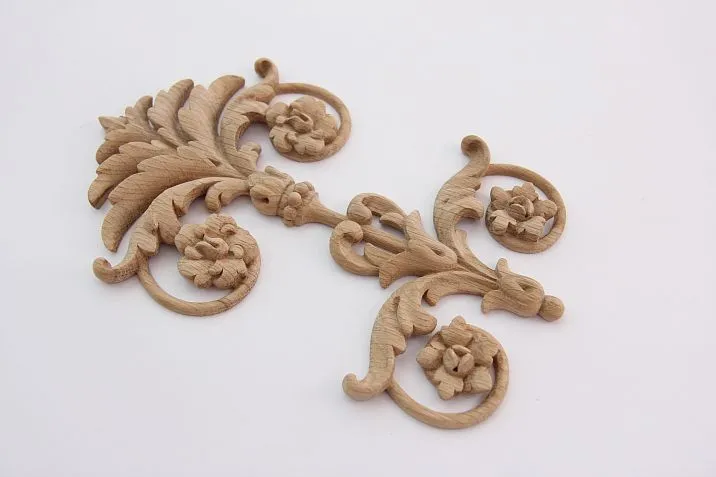
A house adorned with carving is a true masterpiece of Russian wooden architecture. Such houses have long symbolized not only architectural refinement, but also a deep connection with nature, culture, and the aesthetic preferences of their time. The art of wood carving reflected the skill and imagination of builders, who created unique ornaments, giving each house an unmistakable appearance.
Carved window frames played a special role in decorating houses, framing windows and becoming the main accent of the facade. These decorative elements were not merely decoration—they served the function of protecting wooden frames from weather conditions, dust, and dirt. Today Carved Mouldings they remain one of the most sought-after decorative elements, actively used both in restoring historical buildings and in decorating modern houses in a traditional style.


Origins of the Tradition of Carving Houses
The art of decorating houses with carving originated in ancient times, when people sought to bring elements of beauty and symbolism into their homes. In Russia, this tradition developed particularly due to abundant forest resources, making wood the primary building material. Wood carving became a way not only to emphasize the aesthetic value of a house, but also to decorate it with elements symbolizing protection, fertility, and harmony.
Each pattern on the carving had its own meaning. For example:
● Sun circles and stars symbolized warmth, light, and life.
● Leaves and branches of plants symbolized nature and fertility.
● Bird figures were considered protective symbols, bringing happiness and peace into the home.
A house adorned with carving was not merely a dwelling, but a reflection of the emotional state of its owners, their respect for traditions, and their ability to appreciate beauty.
Aesthetics and Symbolism
Carving gave houses not only a decorative appearance, but also deep symbolic meaning. Decorative elements made the house unique, distinguishing it from other buildings. Decorating facades and windows with carved casings became a true art form that has survived to this day.
Modern houses decorated with carving continue this tradition, introducing elements of innovation. Today, carved elements can be made not only from wood, but also from modern materials, expanding their application and making them more accessible to a wider audience.
Relevance of Carving Today
In the modern world, more and more people are striving to preserve cultural heritage, building houses adorned with carving, or adding traditional decorative elements to their homes. Such projects combine respect for the past with the latest construction technologies, enabling the creation of unique houses with an authentic atmosphere.
If you want your home to resemble a traditional house with its expressive beauty, pay attention to Carved Mouldings from the company STAVROS. They will help emphasize the style and individuality of your home, creating harmony between the past and the present.




Woodcarving tradition in decorating peasant houses
Historical context
Historical context
With the development of wooden architecture in Russia, peasant houses became not just dwellings, but reflections of their owners' status. The richer the house, the more complex and refined its carving. Decorating a house with carved elements was considered a sign of high craftsmanship and family wealth. For manufacturing, valuable wood species such as oak, beech, and pine were used, emphasizing the durability and prestige of such homes.
played an important role Carved Mouldingswhich became an indispensable part of Russian architecture. They protected windows from weather impacts and created the impression of a cozy, hospitable home. In some regions of Russia, carved window casings were decorated with symbolic images protecting the house and its inhabitants.
Regional characteristics of woodcarving in different parts of Russia
Russian woodcarving has clearly defined regional characteristics, making it even more unique. For example:
- Northern tradition
On the Russian North, carving was distinguished by geometric and strict lines. For decorating peasant houses, simple but expressive patterns were used. Windows were framed Carved casingswith motifs such as suns, waves, and stars, symbolizing light and protection. - Central Russia
In central regions, peasant houses were decorated with more complex and elegant ornaments. Here, plant motifs such as leaves, flowers, and grapevines are popular. Such decoration made the house especially festive and ornate. - Southern tradition
In southern Russia, woodcarving was even more detailed and rich. Windows were framed with complex compositions including images of birds, animals, and even scenes from folk tales.
These differences enrich the heritage of Russian architecture, making each peasant house unique. Today, you can embody these traditions in your home by choosing Carved Mouldings from STAVROS company, crafted with consideration of cultural specifics of different regions.
Carving as part of culture and symbolism
In antiquity, each carving element had its own meaning. The most popular motifs:
● Sun and stars — symbolized warmth, light, and life energy.
● Tree of life — symbolized the connection between earthly and spiritual worlds.
● Birds — considered protective symbols bringing happiness and prosperity.
● Flowers and leaves — symbolized fertility and abundance.
● Geometric patterns — expressed order, symmetry, and harmony in everything.
These motifs can be seen in modern interpretations carved casingswhich continue to decorate homes, preserving a connection to the past.
Modern use of carving
In our time, decorating homes with carving is becoming increasingly popular. This is due to growing interest in traditions and eco-friendly materials. Wooden elements such as Carved Mouldingsfit beautifully into modern architecture and add individuality to the house.
Modern technologies allow creating carved elements with high precision and elegance. This enables combining ancient traditions with current trends. Today, such items decorate not only rural peasant houses, but also suburban cottages, hotels, and even urban homes.
Our factory also produces:


Main elements of a peasant house decorated with carving
In Russian cottage architecture, every ornament had its place and meaning. Skilled carving was used to decorate both facades and interior details of the house. Such decorative elements were not only a way to express the craftsman's skill, but also an important part of creating a cozy and beautiful dwelling.
1. Carved window casings
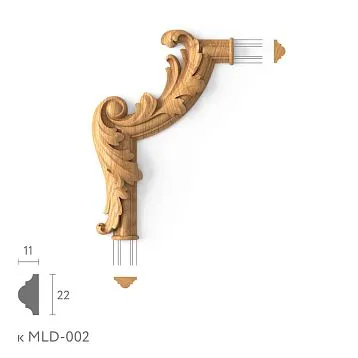
Carved Mouldings — this is the central decorative element of the cottage, serving to frame windows. They played a key role in creating an expressive facade. Here’s what makes casings an indispensable decorative element:
● Aesthetic function: Casings give the house individuality, adorning windows with carved patterns. They turn even the simplest cottage into a work of art.
● Practical role: Casings protect wooden window frames from moisture, dirt, and damage.
● Symbolism: Each pattern on the casings had meaning. For example, sun rays symbolized warmth and light, while leaves and flowers represented fertility and prosperity.
Modern Carved Mouldings Made by the company STAVROS using high-quality wood species, ensuring their durability and aesthetic appeal.
2. Eaves and gables
Eaves located under the roof and gables decorating the upper part of the facade were also often decorated with carving. They created an effect of completeness and harmony. Carving on eaves usually included:
● Geometric patterns emphasizing the symmetry of the facade.
● Complex floral motifs adding elegance and dynamism.
● Mythological images protecting the house from evil spirits.
These elements look especially striking on wooden cottages and cottages, creating an atmosphere of traditional Russian style.
3. Window sills and beams
Decorative window sills located under the roof and beams supporting the structure were adorned with delicate carving. These elements carried both decorative and functional loads. Ornamentation on window sills was often complex, consisting of multiple layers and including repeating patterns.
4. Doors and porches
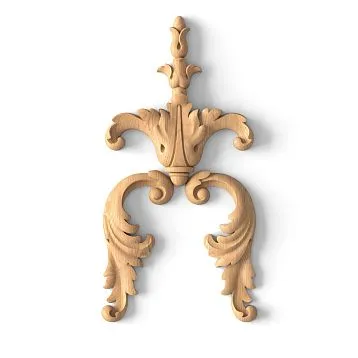
The door is the face of the house, and its decoration always played an important role. Carved elements such as arched frames, figurative posts, or decorative appliqués made the entrance to the house ceremonial and welcoming. The porch was often adorned with window sills, carved railings, and decorative corner posts.
5. Corners and wall junctions
Wooden corner pieces covering wall joints performed a dual function: protecting the structure and giving the house a finished look. They often included geometric carving symbolizing harmony and order.
Technologies for making carving in the past and present
Traditionally, wood carving was done by hand. Masters used only simple tools — chisels, knives, and hammers. Each element was crafted with careful attention to detail, making the work unique and labor-intensive. Today, thanks to modern technologies, the process of creating carved elements has become more accessible, but no less high-quality.
Modern processing methods
- Machine carving
Modern CNC machines allow creating complex ornaments with maximum precision. Such technologies are especially relevant for producing carved casingswhich require high detail. - Hand Finishing
Even with machine production, manual work remains an important stage. Masters finish the items, giving them individuality. - Coating and protection
Modern varnishes, oils, and paints make carving resistant to weather conditions and ensure its longevity.
How to choose carved elements for decorating your home?
If you want to create a house resembling a traditional cottage, or simply add Russian-style elements to it, it is important to choose carved decorations correctly. Here are some tips:
- Select a style
if the house is built in a classical style, choose Casings geometric or floral patterns. - Pay attention to the material
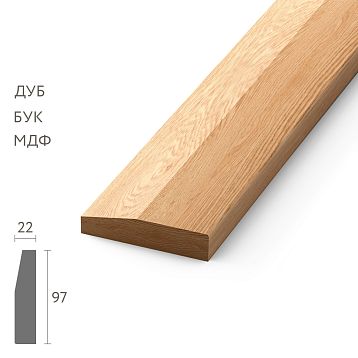
For durability, choose items made from strong wood species such as oak or beech. They withstand loads and retain their appearance for many years. - Check the processing quality
Ensure that the carving is neat, without burrs or cracks. - Look for a reliable manufacturer
STAVROS Company offers a wide range of carved elements, created in accordance with all traditions and modern quality standards.
Conclusion: a house with carving — a tradition that inspires
a house adorned with carving — is not just a house, but a true reflection of the richness of Russian culture and craftsmanship. Today, thanks to companies like STAVROS, this tradition has received new development. If you want to highlight the individuality of your home and create a cozy atmosphere, pay attention to Carved MouldingsThey will become a striking accent that harmoniously unites the past and the present.