Article Contents:
- 1. History and Cultural Heritage of Solid Wood Products
- 1.1 Roots of craftsmanship
- 1.2 Evolution of Processing Technologies
- 1.3 Significance of natural material in the modern world
- 2.1 Ecological and Natural Properties
- 2.2 Durability and Longevity
- 2.3 Aesthetic appeal
- 2.4 Universality of application
- 2.5 Thermal and acoustic insulation properties
- 3.1 Raw material selection
- 3.2 Drying and primary processing
- 3.3 Mechanized processing
- 3.4 Final processing and protective coating
- 3.5 Quality Control and Certification
- 4.1 Furniture Manufacturing
- 4.2 Interior finishing
- 4.3 Architectural structures
- 4.4 Landscape design
- 4.5 Design projects and restoration
- 5.1 Innovative technologies and production automation
- 5.2 Ecological trends and sustainable development
- 5.3 Individual design solutions
- 5.4 Expanding product range and new market opportunities
- 6.1 Criteria for selecting quality material
- 6.2 Organizing the purchase
- 6.3 Care and maintenance of products
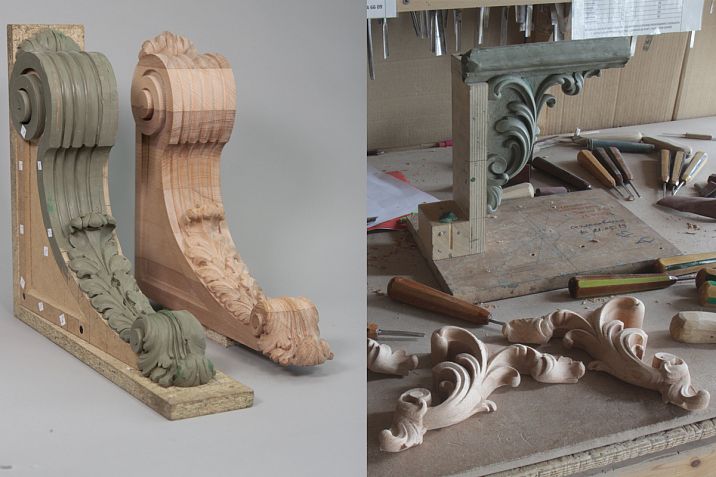
Natural wood has always been synonymous with warmth, comfort, and exceptional strength. Solid wood materials represent a unique combination of centuries-old craftsmanship traditions and modern processing technologies. They not only showcase the natural beauty of wood but also offer high functionality, durability, and eco-friendliness. Today, solid wood products are used in various fields — from interior finishing to furniture and decorative elements that create an atmosphere of unique style and comfort.
In this article, we will thoroughly examine the opportunities offered by solid wood materials, their history, modern production methods, advantages, application areas, and industry development trends. If you wish to acquaint yourself with proven products and ensure their high quality, we recommend visiting the official website:Solid wood products.


1. History and cultural heritage of solid wood items




1.1 Roots of craftsmanship
The use of wood in construction and decoration dates back centuries. Since ancient times, craftsmen have used wood to create furniture, architectural elements, and decorative items. Hand carving, careful drying, and primary processing allowed preserving unique textures and natural patterns, making each item one-of-a-kind. These traditions were passed down from generation to generation, forming a rich cultural heritage that continues to inspire designers and artisans around the world.
Our factory also produces:


1.2 Evolution of Processing Technologies
With the development of science and technology, traditional wood processing methods have undergone significant changes. Modern technologies such as laser cutting, digital modeling, CNC machines, and thermomodification allow achieving incredible precision while preserving the natural beauty of wood. These innovative approaches not only minimize material waste but also ensure high-quality finished products, which is especially important when producing solid wood items.
Get Consultation
1.3 Value of solid wood in the modern world
In the context of global efforts towards eco-friendly and sustainable technologies, solid wood products are becoming increasingly popular. Natural wood is a renewable resource, and its use contributes to creating a healthy microclimate in rooms. Thanks to their unique physical and mechanical properties and aesthetic appeal, solid wood products are used in various fields — from residential homes to public and commercial buildings.
2. Advantages of solid wood products
2.1 Ecological Safety and Naturalness
One of the main advantages of solid wood products is their ecological safety. Unlike synthetic materials, natural wood does not emit harmful substances and is a biodegradable resource. This is especially relevant for modern interiors, where care for the environment and human health is crucial. Using solid wood products means choosing naturalness and sustainability.
2.2 Strength and Durability
Solid wood products have high mechanical strength and resistance to wear. With proper care and regular treatment, natural wood retains its performance characteristics for decades. Technologies such as thermal modification and modern protective coatings further extend the service life of products, minimizing the risk of shrinkage, deformation, and damage from moisture.
2.3 Aesthetic appeal
Natural wood is rightfully considered one of the most beautiful materials. Its unique textures, variety of shades, and natural patterns create an irreplaceable visual effect that is difficult to replicate with synthetic analogs. Each solid wood product carries a piece of nature, imparting warmth, comfort, and individuality to the interior. This is especially important for those who strive to create a harmonious space filled with natural charm.
Thanks to its compact dimensions and universal design, the 40 mm wooden strip easily integrates into any interior. It can be used for:
Solid wood products are used in many areas. They can be used for:
● Furniture production: Tables, chairs, cabinets, chests, beds, and other furniture items made from solid wood are symbols of high quality and elegant design.
● Interior finishes: Baseboards, cornices, panels, rails, and decorative elements allow creating a harmonious and stylish interior.
● Architectural structures: Stairs, columns, beams, and other load-bearing elements made from solid wood provide strength and aesthetic expression to buildings.
● Landscape design: Decorative elements and outdoor furniture made from natural solid wood emphasize the natural beauty of the environment and create cozy resting areas.
2.5 Thermal and acoustic properties
Natural wood has excellent thermal and acoustic insulation properties. It helps maintain a comfortable microclimate in rooms, retains heat in winter and coolness in summer, and effectively absorbs sound waves, reducing noise levels. These qualities make solid wood products especially attractive for use in residential and public spaces.
3. Technologies for producing solid wood products
3.1 Raw material selection
The quality of the final product begins with the selection of raw materials. For producing solid wood products, the best species are used, such as oak, beech, ash, larch, and others. Each type of wood has its own unique physical-mechanical and aesthetic characteristics. Manufacturers pay special attention to quality control of raw materials even at the logging stage, ensuring the uniformity and purity of the material.
3.2 Drying and primary processing
The drying process is a key stage in preparing wood for further processing. Modern drying methods allow evenly removing moisture from wood, preventing shrinkage and deformation of finished products. After drying, the wood undergoes primary mechanical processing, which includes sawing, planing, and sanding, allowing to achieve a perfect smooth surface and prepare the material for further finishing.
3.3 Mechanized processing
With the advent of computer numerical control (CNC) technologies, processing solid wood has reached new heights. Laser cutting, milling, and digital modeling allow creating products with exceptional precision while preserving the natural beauty of wood. These methods enable the realization of complex design projects, including decorative carved elements, intricate patterns, and individual compositions.
3.4 Final finishing and protective coating
Final finishing is the concluding stage of production, which gives the product its final appearance and protects it from adverse environmental effects. Using high-quality varnishes, stains, and oils allows highlighting the natural wood texture, preserving its color, and providing additional protection against moisture, ultraviolet radiation, and mechanical damage. The final coating not only improves the appearance of the product but also significantly extends its service life.
3.5 Quality Control and Certification
Each solid wood product undergoes strict quality control. Manufacturers use modern testing methods to ensure that the finished product meets international standards for strength, durability, and ecological safety. The presence of quality certificates and warranty obligations is an important indicator of product reliability, especially important when selecting products for interior or architectural projects.
4. Application of solid wood products in various fields
4.1 Furniture production
Solid wood products traditionally occupy leading positions in furniture production. Tables, chairs, cabinets, chests, and beds made from natural solid wood are symbols of high quality, luxury, and refined taste. Each solid wood product has its own unique texture and character, making furniture not only functional but also aesthetically appealing.
4.2 Interior finishing
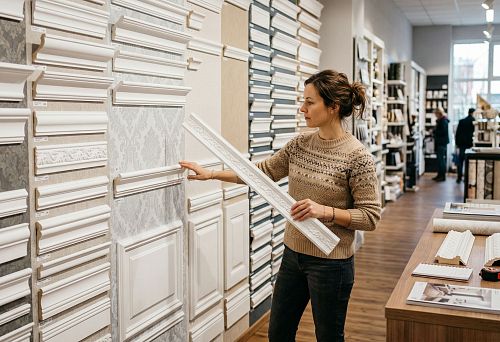
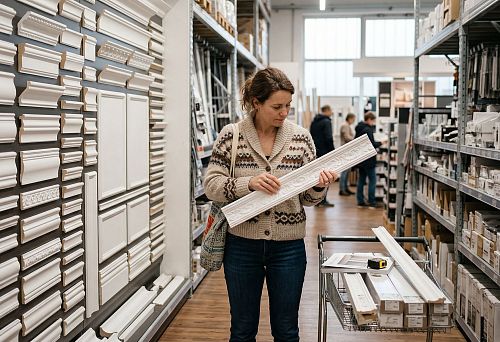
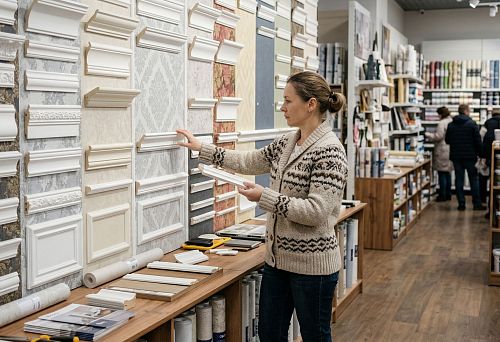
Solid wood materials are widely used for interior finishing of rooms. Baseboards, panels, decorative rails, cornices, and other elements allow creating a cohesive and harmonious interior filled with warmth and comfort. Thanks to the natural beauty of wood, such products can give a room a unique style, highlight its individuality, and create an atmosphere where one wants to live and work.
4.3 Architectural Structures
In solid wood furniture design, wood is used both for creating load-bearing elements and for decorative purposes. Stairs, columns, beams, and other structural elements made from natural solid wood are characterized by high strength and durability. At the same time, the aesthetic expressiveness of wood allows it to be integrated into modern architectural projects, creating buildings in which nature and technology harmoniously coexist.
4.4 Landscape Design
Natural wood is an ideal material for decorating open spaces. In landscape design, solid wood products are used to create gazebos, garden furniture, decorative fences, and other elements that help highlight the natural beauty of nature and create cozy resting areas. Such items are not only functional but also possess high decorative value.
4.5 Design Projects and Restoration
Solid wood products are often used in exclusive design projects where individuality and high aesthetics are important. Artistic carving, inlay, and combining with other natural materials allow creating unique interior items that become true works of art. Moreover, natural wood is indispensable in restoration works of historical buildings, where it is necessary to preserve the authenticity and cultural heritage of the object.
5. Development Prospects of Solid Wood Products
5.1 Innovative Technologies and Production Automation
The development of digital technologies, automated lines, and processing methods has significantly changed the production of solid wood products. Modern CNC machines, laser cutting, and digital modeling allow creating complex and individual items with high precision. These innovations not only improve product quality but also reduce production time, making the manufacturing process more cost-effective and efficient.
5.2 Ecological Trends and Sustainable Development
Modern society increasingly focuses on environmentally clean and sustainable technologies. Using natural wood, as a renewable resource, aligns with these trends. Producing solid wood products using environmentally safe processing methods helps reduce negative environmental impact, becoming an important competitive advantage in the market.
5.3 Individual Design Solutions
Demand for unique and exclusive items that reflect the owner's individuality is growing each year. New processing technologies allow creating items tailored to specific customer preferences, making each item unique. This is especially important in the premium furniture and exclusive interior design segments, where quality, aesthetics, and originality are key success factors.
5.4 Expanding Product Range and New Market Opportunities
Solid wood product manufacturers continuously expand their product range. In addition to traditional furniture and finishes, new categories of products are emerging, such as decorative panels, architectural elements, and functional solutions for commercial spaces. This opens up new market niches and allows meeting the growing demand for natural materials capable of highlighting the style and status of any interior.
6. Practical Recommendations for Choosing Solid Wood Products
6.1 Criteria for Choosing Quality Material
When choosing solid wood products, attention should be paid to:
● Wood species. Different species have their unique characteristics: oak – symbol of strength, beech – ease of processing, ash – elegance, larch – resistance to moisture.
● Processing methods. Modern technologies such as laser cutting, CNC processing, and thermomodification significantly improve the quality and durability of the product.
● Certification and warranties. The presence of quality certificates and manufacturer warranties indicates product reliability.
● Design and style. Items should harmoniously fit into the overall interior concept and meet the customer's individual requirements.
6.2 Organizing the Purchase
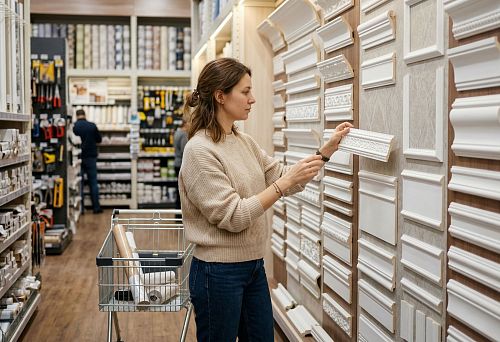
To ensure that the product meets your expectations (whether budget or premium segment), compare available species, profiles, mounting methods, consider the room’s humidity conditions, load level, and desired style. Choose a reputable supplier who will provide you with accurate material parameters and reliable logistics.buy solid wood items, it is recommended:
● Study the product range on the official website, where the full product line is presented, from furniture elements to decorative finishes.
● Compare characteristics and prices of different products.
● Obtain consultation from specialists to choose the optimal solution in terms of price/quality ratio.
● Familiarize yourself with reviews and recommendations from other customers, which will help make an informed decision.
6.3 Care and Maintenance of Items
To maintain the original appearance and longevity of solid wood products, the following recommendations should be followed:
● Regularly clean surfaces with soft cloth, using specialized wood care products.
● Periodically treat items with protective compounds, oils, or varnishes to prevent moisture and UV exposure.
● Avoid direct exposure to extreme temperatures and sunlight, which may cause color fading and deformation.
● Monitor the condition of fastening elements and perform timely repair work to maintain the integrity of the structure.
Conclusion
Solid wood products are not just functional elements, but true works of art that combine the beauty of nature, durability, and innovative processing technologies. They become the foundation for creating unique interiors that reflect the owner's individuality and impart a distinctive charm to the space. Choosing solid wood products means investing in quality, eco-friendliness, and aesthetics that remain timeless.
Modern processing technologies, such as digital modeling, laser cutting, and therm modification, enable the creation of items with exceptional precision and high surface finish, ensuring their long service life and meeting the highest requirements. Amid rapid design development and rising quality standards, solid wood products continue to lead the market, embodying tradition, contemporary trends, and environmental care.
If you wantbuy solid wood itemsContact trusted manufacturers offering a wide range of products. Such items will not only serve as functional elements of your interior but also as expressive accents that will bring warmth, coziness, and a unique style to your home.
Thus, solid wood products remain the ideal choice for those who value quality, durability, and eco-friendliness. They can transform any space, bringing warmth, harmony, and a unique atmosphere that will delight you and your loved ones for many years.