Article Contents:
- Natural wood in kitchen furniture production
- Wood species for kitchen sets
- Technologies for processing natural wood
- MDF as the main material of modern kitchen furniture
- Manufacturing process and structure of MDF
- Moisture-resistant MDF modifications
- Chipboard and its role in kitchen furniture production
- Structural features of chipboard
- Ecological aspects of chipboard use
- Plywood in kitchen furniture construction
- Multi-layer structure and its advantages
- Specialized types of plywood for furniture
- Plastic materials in kitchen furniture
- Acrylic fronts and countertops
- Thermoplastic materials
- Metal elements in kitchen furniture
- Stainless steel in modern design
- Aluminum profiles and parts
- Balustrade design: from classicism to avant-garde
- Artificial stone in kitchen interiors
- Modern laminates and decorative finishes
- Glass in modern kitchen furniture
- Tempered glass and its applications
- Decorative types of glass
- Ecological aspects of materials for kitchen furniture
- Certification and quality standards
- Recycling and disposal of materials
- Technological innovations in production
- Digital technologies and automation
- Nanotechnologies in surface treatment
- Material selection depending on kitchen style
- Classic style and traditional materials
- Modern styles and innovative solutions
- Practical Recommendations for Selection
- Operating conditions analysis
- Budget constraints and their impact on choice
- Care and maintenance of various materials
- Specifics of caring for natural wood
- Features of using artificial materials
- Trends in material development
- Smart materials and their application
- Biomaterials and sustainable development
- Frequently Asked Questions
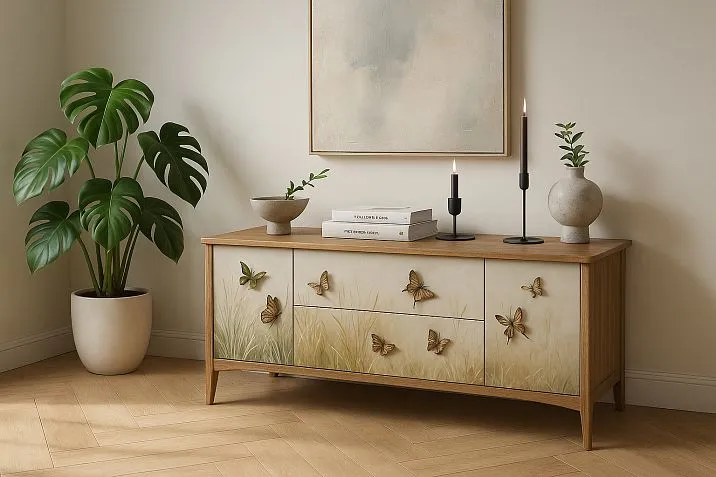
Modern kitchens have long ceased to be merely places for food preparation — they are the heart of the home, where families gather, guests are received, and a significant portion of time is spent. That is why What materials are used for kitchen furniture becomes critically important for anyone planning to update this space.
Choosing a material for kitchen furniture determines not only the appearance of the room, but also its functionality, durability, eco-friendliness, and cost of the entire set. Modern industry offers many solutions — from traditional solid wood to innovative composite materials, each with unique characteristics and applications.


Natural wood in kitchen furniture production




Wood species for kitchen sets
Oak remains the unrivaled leader among species when it comes to making premium kitchen furniture. Its dense structure, pronounced texture, and exceptional strength make this material ideal for making facades and frames. Oak wood contains natural tannins that provide natural protection against moisture and pests.
Beech demonstrates excellent performance in kitchen environments. This species has a uniform structure, absence of resin pockets, and high fiber density. Beech wood is easy to process, allowing for the creation of complex decorative elements and carved details.
Ash attracts furniture makers with its flexibility and beautiful wavy texture. This species has high impact resistance, which is especially important for kitchen furniture subjected to daily intensive loads. Ash facades can withstand significant mechanical impacts without cracking or chipping.
Cherry is valued for its noble reddish hue, which becomes richer and deeper over time. This wood has medium density, making it easy to process, yet retains sufficient strength for long-term use in kitchen furniture.
Our factory also produces:


Technologies for processing natural wood
Modern wood preparation methods have fundamentally changed perceptions about what kitchen furniture is made of. Kiln drying brings wood moisture down to optimal 8-12%, practically eliminating deformation of finished products during use.
Thermal modification of wood is an innovative processing method at 160-230 degrees in a protective atmosphere. This method fundamentally alters the structure of wood fibers, increasing dimensional stability, resistance to moisture, and biological influences.
Impregnation with protective compounds creates an invisible barrier against moisture, mold, and insects. Modern impregnants deeply penetrate the wood structure, preserving its appearance while significantly extending the furniture's service life.
Get Consultation
MDF as the main material of modern kitchen furniture
Production process and structure of MDF
Medium-density fiberboard (MDF) revolutionized approaches to the question of What materials are used for kitchen furniture in the mass segment. The production process begins with grinding wood into fine fibers, which are then mixed with synthetic resins and formed into boards under high pressure and temperature.
The uniform structure of MDF ensures stable properties throughout the board's thickness. Unlike natural wood, there are no knots, resin pockets, or other natural defects that could affect structural strength.
The density of quality MDF is 720-870 kg/m³, ensuring excellent workability of the material. Boards cut, routed, and drilled easily without chipping or delamination, which is critically important when manufacturing complex kitchen elements.
Moisture-resistant MDF modifications
Special moisture-resistant grades of MDF were developed specifically for humid environments. Their composition includes paraffin emulsions and special resins that significantly reduce the material's water absorption. Such boards can withstand direct contact with water for extended periods without losing their mechanical properties.
Green MDF got its name due to the distinctive shade imparted by special additives. This material demonstrates exceptional resistance to moisture and can be used even in close proximity to sinks and cooking surfaces.
Particleboard and its role in kitchen furniture production
Structural features of particleboard
Particleboard (PB) remains one of the most common answers to the question of what kitchen furniture of the economy class is made of. The manufacturing process involves mixing wood particles of various fractions with formaldehyde or urea resins, followed by pressing at high temperature.
The three-layer structure of modern particleboard ensures an optimal combination of strength and cost-effectiveness. The outer layers are formed from fine particles, creating a smooth surface suitable for decorative coatings, while the inner layer, made from coarser particles, provides overall board strength.
Laminated particleboard (Laminated PB) is a board covered with decorative paper impregnated with melamine resins. This process occurs simultaneously with pressing the base, ensuring strong adhesion of the coating to the board.
Ecological aspects of using particleboard
Modern requirements for ecological safety have fundamentally changed the composition of binders for particleboard. Boards of class E0.5 and E1 contain minimal amounts of formaldehyde, making them safe for use in residential spaces, including kitchens.
Formaldehyde-free particleboard production technologies use alternative binders based on polyurethane or natural resins. Such boards are completely safe for health and can be used even in children's facilities.
Plywood in kitchen furniture construction
Multi-layer structure and its advantages
Birch plywood occupies a special place among materials when considering the question of What materials are used for kitchen furniture high quality. The crosswise arrangement of fibers in adjacent layers creates a material with unique strength characteristics, which practically does not deform under the influence of moisture and temperature fluctuations.
Plywood grades differ by the quality of outer layers and the number of defects. Plywood FK (on urea glue) is ideal for internal kitchen furniture elements, providing ecological safety and sufficient moisture resistance.
Moisture-resistant plywood FSF is produced using phenol-formaldehyde resins, providing exceptional resistance to moisture. This material can be used to manufacture countertops and other elements exposed to direct contact with water.
Specialized types of plywood for furniture
Furniture plywood undergoes additional processing, including sanding of front surfaces and thickness calibration. This ensures a perfectly flat surface suitable for applying decorative coatings or as a base for veneer.
Decorative plywood is supplied already with veneer of valuable wood species or decorative films. Such material significantly simplifies the furniture manufacturing process and ensures stable appearance quality.
Plastic materials in kitchen furniture
Acrylic facades and countertops
Acrylic has become a revolutionary material, changing the perception of what modern design kitchen furniture is made of. Polymethyl methacrylate (PMMA) provides an ideally smooth surface that does not absorb odors, does not stain from food, and easily cleans off any contaminants.
Glossy acrylic surfaces create a mirror-like reflection effect, visually expanding the kitchen space. The material is available in an extensive color range, including imitations of natural materials — marble, wood, metal.
Matte acrylic is gaining increasing popularity due to its practicality and modern appearance. Fingerprints and minor scratches are less noticeable on such a surface, which is especially important in the context of intensive kitchen use.
Thermoplastic materials
Polyvinyl chloride (PVC) is widely used for manufacturing edges and decorative inserts. Modern PVC materials have high resistance to ultraviolet radiation, preventing fading, and excellent adhesion to the base.
Polypropylene is used in the production of hardware and connecting elements. This material has exceptional chemical resistance and can come into contact with any household cleaning agents without losing its properties.
Metal elements in kitchen furniture
Stainless steel in modern design
Austenitic stainless steel grade 304 has become the standard for professional kitchens and is increasingly used in home furniture. This alloy contains 18% chromium and 8% nickel, providing exceptional corrosion resistance and surface hygiene.
Matte and polished finishes of stainless steel create different visual effects. A matte surface hides fingerprints and scratches, while a polished finish creates striking light reflections and a premium feel.
Grade 316 steel with molybdenum addition is used in particularly aggressive conditions. This material has increased resistance to chlorides and can be used in coastal areas or rooms with swimming pools.
Anodized aluminum creates a decorative and protective coating simultaneously. The anodizing process forms a strong oxide layer on the metal surface, which can be colored in various shades or left in its natural silver tone.
Powder coating of aluminum parts provides the widest range of color options. Electrostatic application of powder paint followed by curing creates an exceptionally durable and long-lasting finish.
Composite and innovative materials
Composite and innovative materials
Artificial stone in kitchen interiors
Quartz aggregate is a composite material containing 90-95% natural quartz bound with polymer resins. This material combines the beauty of natural stone with the superior performance characteristics of artificial stone.
The non-porous structure of quartz aggregate prevents liquid absorption and bacterial growth. Unlike natural stone, this material does not require periodic sealing and retains its original appearance throughout its service life.
Acrylic artificial stone is formed from mineral fillers and acrylic resins. This material allows for seamless constructions of any complexity, which is especially valued when manufacturing countertops with integrated sinks.
Modern laminates and decorative finishes
HPL (High Pressure Laminate) is created by pressing multiple layers of kraft paper with a decorative top layer under pressure up to 70 atmospheres. The resulting material possesses exceptional strength and wear resistance.
Compact laminate is a self-supporting material up to 25 mm thick, usable without additional backing. Such panels are ideal for manufacturing countertops and work surfaces in high-use environments.
Postforming technology allows creating countertops with curved edges from a single laminate piece. The process involves heating the material and pressing it into shape, ensuring no seams in areas of maximum moisture exposure.
Glass in modern kitchen furniture
Tempered glass and its applications
Thermally strengthened glass is produced by controlled heating to 680°C followed by rapid cooling. This treatment increases material strength by 5-6 times compared to ordinary glass and ensures safety upon breakage.
Triplex is a multi-layer construction of two or more glass layers bonded with a special polymer film. When broken, such glass fragments remain adhered to the film, preventing injury.
Optivait is a highly transparent glass with low iron content. The absence of the greenish tint typical of ordinary glass makes it ideal for display elements in kitchen furniture, where accurate color representation of contents is essential.
Decorative glass types
Matte glass is created through sandblasting or chemical etching. This surface scatters light, creating soft interior lighting in cabinets and concealing contents from view.
Tinted glass is colored by adding special oxides to the glass batch. This technology ensures uniform coloring throughout the material's thickness and high resistance to UV-induced color fading.
Patterned glass is produced by rolling molten glass through rollers with textured surfaces. The resulting textures can mimic various materials — from fabric to wood grain.
Environmental aspects of kitchen furniture materials
Certification and quality standards
European standards E0, E0.5, E1, and E2 regulate the maximum allowable formaldehyde content in wood materials. Class E0 implies virtually no formaldehyde emissions, making such materials safe for use in any room.
FSC (Forest Stewardship Council) certification guarantees that wood is sourced from forests managed according to sustainable forestry principles. This document confirms the manufacturer's ecological responsibility and the social significance of the product.
GREENGUARD certification confirms low chemical emissions from finished products. Furniture with this certification may be used in schools, hospitals, and other facilities with stringent air quality requirements.
Recycling and disposal of materials
Wood materials can be recycled into technical wood chips for producing new panels or used as biomass fuel. Modern technologies enable extracting valuable components from waste, including lignin and cellulose.
Metal components of kitchen furniture are nearly 100% recyclable without loss of quality characteristics. Aluminum can be recycled indefinitely, and its reuse requires only 5% of the energy needed for primary production.
Glass is one of the most environmentally friendly materials, as it can be fully recycled without adding new components. Each ton of recycled glass saves 315 kg of soda ash, 230 kg of limestone, and 230 kg of sand.
Technological innovations in production
Digital technologies and automation
CNC machines have revolutionized the production of kitchen furniture, enabling the creation of parts with complex shapes and micron-level precision. This technology virtually eliminates human error and guarantees perfect quality for every item.
Laser cutting produces edges of exceptional quality without additional processing. The focused laser beam vaporizes material, creating cuts with minimal thermal impact and perfectly smooth edges.
CAD/CAM systems ensure full integration of design and production processes. The 3D model of the item is automatically converted into machine control programs, eliminating errors and speeding up production.
Nanotechnology in surface treatment
Nanostuctured coatings create surfaces with unique properties. Photocatalytic coatings based on titanium dioxide break down organic contaminants under light exposure, providing self-cleaning surfaces.
Hydrophobic nanocoatings create a lotus effect, where water beads and rolls off the surface, carrying away contaminants. Such coatings are especially effective on glass and ceramic surfaces of kitchen furniture.
Antimicrobial nanosilver coatings suppress bacterial and fungal growth on surfaces. Silver ions released from the coating provide long-term protection without the use of chemical disinfectants.
Material selection depending on kitchen style
Classic style and traditional materials
Classic interiors require the use of noble materials with distinct natural textures. Solid oak, ash, or cherry wood creates a sense of quality and luxury characteristic of traditional design styles.
Patina and artificial aging of wood allow creating an antique furniture effect. Special finishing techniques highlight the natural beauty of wood and give items a unique character.
Natural stone — marble, granite, travertine — perfectly complements a classic interior. Each natural stone slab is unique in pattern and color, creating an unmistakable character for the kitchen space.
Modern styles and innovative solutions
Minimalism requires materials with perfectly smooth surfaces and clear geometric forms. Acrylic, glass, and metal create a sense of lightness and technology, characteristic of modern interiors.
High-tech style implies using industrial materials — stainless steel, aluminum, composites. The distinctly technological appearance of such materials perfectly matches the style's concept.
Eco-style favors natural and recycled materials. Bamboo, cork, and recycled wood create a connection with nature and emphasize the owners' ecological responsibility.
Practical Recommendations for Selection
Analysis of operating conditions
The intensity of kitchen use determines requirements for material strength and durability. Family kitchens require more durable materials resistant to mechanical impacts than kitchens of single individuals or elderly couples.
Humidity and temperature fluctuations particularly strongly affect materials in the areas around the stove and sink. For these areas, materials with enhanced resistance to temperature and moisture must be selected.
Kitchen lighting affects the choice of material color and texture. In dark rooms, light glossy surfaces that reflect light are preferable, while in well-lit rooms, dark matte materials can be used.
Budget constraints and their impact on choice
The price-to-quality ratio should consider not only initial cost but also operating expenses. More expensive materials often prove more economically advantageous in the long term due to greater durability.
Phased replacement of elements allows spreading investments over time. One can start by replacing facades while retaining frames, then gradually update countertops and hardware.
Combining materials of different price categories allows achieving the desired effect within a limited budget. Expensive materials are used in visible areas, while hidden elements are made from more affordable options.
Care and maintenance of different materials
Specific care for natural wood
Regular treatment with protective compounds is necessary to maintain the original appearance of wood. Waxes, oils, and varnishes create a protective barrier against moisture and contaminants, but require periodic renewal.
Controlling air humidity prevents cracking and deformation of wooden elements. The optimal relative humidity for wood is 45-55%, which corresponds to comfortable conditions for humans.
Timely removal of damage prevents its spread. Minor scratches and dents on wood can be removed by sanding and reapplying protective coating.
Special features of using artificial materials
Plastic surfaces require non-abrasive cleaning agents. Micro-scratches caused by abrasives create areas for contaminant accumulation and degrade the surface appearance.
The thermal resistance of various materials is limited, and exceeding permissible temperatures may cause irreversible damage. Using heat-resistant pads under hot items is mandatory for most synthetic materials.
Ultraviolet radiation may cause fading of some plastics and composites. Protection from direct sunlight extends the service life and preserves the original color of materials.
Material Development Trends
Smart Materials and Their Applications
Thermochromic coatings change color depending on temperature, serving as an indicator of surface heating. Such materials enhance kitchen safety and create interesting visual effects.
Self-healing polymers can restore integrity after minor damage. Microcapsules containing healing agents, embedded in the material's structure, activate upon scratch formation.
Antistatic materials prevent dust accumulation and facilitate cleaning. Special additives in the polymer matrix eliminate electrostatic charge, which attracts fine particles.
Biomaterials and Sustainable Development
Mycelium is used to create materials as alternatives to polystyrene and other synthetic insulators. These materials are fully biodegradable and can be grown from organic waste.
Bioplastics from plant sources gradually replace traditional petrochemical polymers. Materials based on cornstarch, potato, and other plants have similar properties but better ecological performance.
Recycled materials are finding increasing use in the furniture industry. Plastics from recycled bottles and wood from woodworking waste create a closed production cycle.
Frequently asked questions
Which material is the most durable for kitchen furniture?
Solid wood species (oak, beech, ash) with proper care can last for decades. Among synthetic materials, high-quality MDF with acrylic coating and quartz aggregate countertops offer the greatest durability.
Are particleboard materials safe for the kitchen?
Modern E0.5 and E1 grade particleboards are completely safe for use in residential spaces. It is important to choose products from certified manufacturers and request documentation confirming compliance with environmental standards.
Can damaged MDF facades be repaired?
Minor MDF facade damage can be repaired using special putties and coatings. Significant damage usually requires complete replacement of the affected element.
Which material is best for the wet zone of the kitchen?
For the sink area, optimal materials are those with minimal water absorption: stainless steel, quartz aggregate, ceramic granite, moisture-resistant MDF with quality edge banding. Natural wood in this zone requires especially careful protection.
Is it worth paying extra for imported materials?
Material quality is determined by production technology and quality control, not the country of origin. Many domestic manufacturers produce products that do not fall short of imported equivalents, but at more affordable prices.
How to determine the quality of MDF when purchasing?
Quality MDF has a uniform structure without delamination, a smooth surface without waves or sagging, and precise geometry. Important are also environmental safety certificates and compliance with declared density.
Material selection determines not only the appearance of the kitchen but also its comfort of use for many years. Understanding that What materials are used for kitchen furnitureallows making an informed decision that will delight with its practicality and beauty.
STAVROS offers a wide range of materials and technologies for creating kitchen furniture of any complexity. Our specialists will help determine the optimal material combination for your project, taking into account all operational specifics and design requirements. Years of experience working with various materials allow STAVROS to guarantee the highest quality of finished products and their durability under intensive use.