












































































Article Contents:
- Roots of greatness: where does classical beauty grow?
- From antiquity to Renaissance: the birth of style
- Evolution of style: from Baroque to Neoclassicism
- Philosophy of classic style: more than furniture
- Harmony as the foundation of everything
- Symbolism and meaning in every detail
- Materials of classicism: from earth to heaven
- Wood: the foundation of foundations
- Metal and gilding: the sparkle of eternity
- Textiles: soft luxury
- Regional schools: diversity in unity
- Florentine school: cradle of the Renaissance
- Venetian school: theater in furniture
- Tuscan school: rustic elegance
- Modern classicism: traditions in a new interpretation
- Adaptation to modern life
- Technological Innovations
- Psychology of classic style
- Why classicism soothes
- Status component
- Practical aspects of choosing classic furniture
- How to avoid mistakes when buying
- Placement in interior
- Maintenance and preservation of beauty
- Daily care
- Professional Restoration
- Conclusion
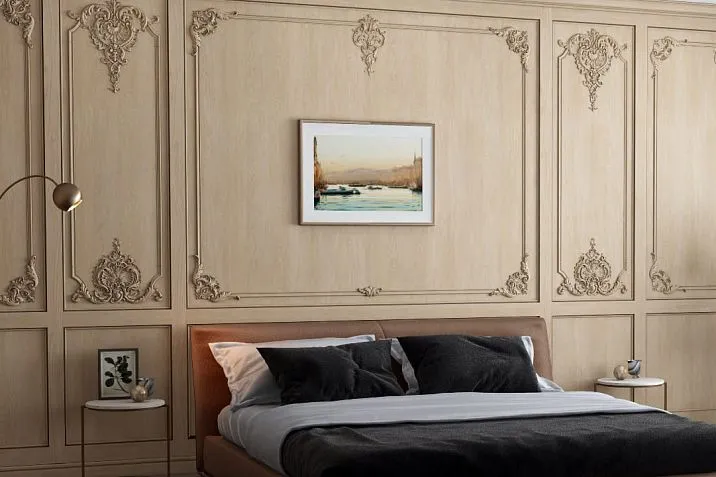
Have you ever wondered why, entering an interior with genuine classic furniture, we involuntarily straighten our spines and begin to speak more softly? As if entering a temple of beauty, where every line, every curve carries the imprint of centuries and the wisdom of generations of craftsmen. Italian furniture in classic style — it is not just decorative items, it is living history frozen in wood and metal, it is poetry of forms capable of transforming any space into a work of art.
What makes classic style timeless? Why, centuries after its birth, does it continue to stir hearts and minds, compelling people to invest fortunes in acquiring true masterpieces? The answer lies in the unique ability of classicism to unite practicality with the sublime, the earthly with the divine, creating spaces where a person feels not merely comfortable, but truly happy.


Roots of greatness: where does classical beauty grow?




From antiquity to Renaissance: the birth of style
History classic Italian furniture It traces its roots to ancient Rome, but found its true embodiment during the Renaissance. It was precisely in the 14th-16th centuries that Italian craftsmen began creating furniture that became a global standard. Florence, Venice, Rome — these cities became the cradle of furniture art, where principles were born that continue to live to this day.
What motivated Italian artisans of that time to create works of such incredible beauty? The revival of ancient ideals, the discovery of classical proportions, the pursuit of harmony — all of this merged into a single creative impulse. Furniture ceased to be merely utilitarian, becoming a means of expressing philosophy, worldview, and understanding of beauty.
Juliano da Sangallo, Benvenuto Cellini, Andrea Brustolon — the names of these masters are inscribed in golden letters in the history of furniture art. Their creations, surviving to this day, astonish with the perfection of form and flawless execution. Every carved element, every inlay tells a story, carries symbolic meaning, reflects the spirit of the era.
Our factory also produces:


Evolution of Style: from Baroque to Neoclassicism
The classical style has never been static — it has constantly evolved, absorbing new trends and responding to the challenges of time. Baroque of the 17th century added opulence and theatricality, Rococo of the 18th century introduced playfulness and elegance, Neoclassicism returned the strictness and grandeur of antiquity.
Italian Baroque Furniture It impresses with its monumentality and richness of decoration. Carved angels, vegetal ornaments, gilding — all of this created an atmosphere of palace luxury. But behind the external opulence lay a deep philosophy: a person must live in beauty, surround themselves with the beautiful, strive for the sublime.
Each era left its mark on the classical style, but the fundamental principles remained unchanged: harmony of proportions, quality of materials, perfection of execution, deep symbolism of decorative elements. These principles still define the appearance of Italian furniture in the classical style.
Get Consultation
Philosophy of the classical style: more than furniture
Harmony as the foundation of everything
What distinguishes true classicism from imitations and copies? Above all — a deep understanding of the laws of harmony. Luxury Italian furniture It is not created by intuition, but based on mathematically precise proportions, where each element is in perfect relation to the whole.
The golden ratio — not an abstract concept for Italian masters, but a living tool of creativity. The height of the chair back relates to the width of the seat, as the width relates to the depth — and these proportions create a sense of natural beauty, which cannot be explained, but which every person feels.
Symmetry — another cornerstone of classicism. But this is not mechanical repetition of elements, but living symmetry, where each detail balances another, creating a sense of calm and stability. That is why classical interiors act so soothingly on the human psyche.
Symbolism and meaning in every detail
Classical furniture was never merely beautiful — it always carried deep meaning. Each carved element, each ornament has its significance, tells a story, conveys a message. Expensive Italian furniture — it is an encoded book that needs to be read.
Lion heads on chair arms symbolize the strength and dignity of the householder. Roses in carving — love and beauty. Grapevines — abundance and hospitality. Oak leaves — strength and reliability. Each symbol is carefully thought out and placed in the right place to create a harmonious message.
This symbolic richness makes classical furniture especially attractive. It does not merely furnish a home — it creates an entire universe of meanings, in which each item is connected to others by invisible threads of value and associations.
Materials of classicism: from earth to sky
Wood: the foundation of the foundation
Wood is the soul of classical Italian furniture — noble, living, carrying the energy of the earth and the force of time. Italian solid wood furniture It is crafted from species, each of which possesses unique properties and character.
Walnut — the king of classical furniture. Its warm chocolate tones and noble texture create a sense of cozy home comfort and aristocratic elegance simultaneously. Italian masters know the secrets of walnut wood processing, passed down from generation to generation. They know how to reveal the beauty of the natural grain so that each board becomes a work of art.
Oak gives classical furniture monumentality and solidity. Its powerful energy creates a sense of reliability and stability. Cherry brings romance and warmth. Mahogany adds exoticism and luxury. Each wood species has its place in the classical style, its role in creating a harmonious ensemble.
Metal and gilding: the sparkle of eternity
— metal elements in classic Italian furniture — it is not merely decoration, but a way to add nobility and refinement. Bronze, brass, silver, gold — each metal carries its own energy and symbolism.
Gilding in classical furniture — a special art. The finest sheets of gold leaf are applied to a previously prepared surface using special compounds. This process requires incredible skill and patience — the slightest mistake may ruin days of work. But the result is worth the effort: gilded elements create a play of light, add luxury, transforming furniture into a work of art.
Patination — another metalworking technique in classicism. Artificially aged surfaces create a sense of antiquity, nobility, connection to history. Masters know how to create patina that looks natural and organic, as if the metal truly passed through centuries.
Textiles: soft luxury
Upholstery materials in classical Italian furniture — it is a separate universe of beauty and luxury. Italian living room furniture It is unthinkable without exquisite fabrics that create an atmosphere of comfort and elegance.
Silk — symbol of luxury and refinement. Italian textile masters create silk fabrics of incredible beauty: with gold embroidery, jacquard patterns, shimmering hues. Each meter of such fabric — a work of art.
Velvet adds richness and depth. Its soft texture is pleasant to the touch and creates a sense of comfort. Brocade with metallic threads adds solemnity. Linen and cotton of the highest quality are used to create more restrained, yet no less refined solutions.
Regional Schools: Diversity in Unity
Florentine School: Cradle of the Renaissance
Florence, a city that gave the world the Renaissance, could not fail to become the center of furniture art. The Florentine Italian-style furniture is distinguished by its particular refinement and intellectualism. Here, every detail is thought out, every ornament has deep meaning.
Florentine masters are renowned for their skill in inlay work — intarsia. This technique allows creating the most complex compositions from various types of wood, creating a painting effect using woodworking methods. Geometric patterns, landscapes, portraits — all of this can be executed in intarsia technique.
A distinctive feature of the Florentine school is also special attention to proportions. Here, not only master carpenters, but also mathematicians, architects, and artists work. Each piece goes through numerous sketches, calculations, and checks before being realized in wood.
Venetian School: Theater in Furniture
Venice, a city of carnivals and palaces, created its own unique school of furniture art. Italian bedroom furniture Venetian school furniture is striking for its theatricality and richness of decoration.
Venetian masters are unparalleled masters of carving. Their creations more resemble sculptures than furniture. Angels, putti, floral ornaments are created with such detail that they seem to be about to come to life and speak. Gold leaf is used generously, creating an effect of celebration and luxury.
A feature of Venetian furniture is the use of mirrors. Venetian mirror makers were the best in the world, and furniture was adorned with mirror inserts, creating play of light and space. This made interiors appear more spacious and bright.
Tuscan School: Rustic Elegance
Tuscany gave the world a special type of classical furniture — simpler in form, but no less refined in execution. Beautiful Italian furniture Tuscan school furniture is distinguished by its particular warmth and homely comfort.
Tuscan masters are superb experts in wood. They know how to treat the surface so that the natural beauty of the material is fully revealed. Minimal decoration, maximum attention to quality execution — this is the credo of the Tuscan school.
A feature of Tuscan furniture is the use of wrought iron elements. Local blacksmiths create elegant details — handles, hinges, decorative appliqués — which fit organically into the overall ensemble and add authenticity.
Modern classicism: traditions in a new interpretation
Adaptation to Modern Life
How to preserve the spirit of classicism while adapting it to the needs of modern people? This challenge is successfully addressed by modern Italian masters, creating Italian premium furniture, which combines traditional beauty with modern functionality.
Modern classicism preserves all the main principles of the style: harmony of proportions, quality of materials, symbolism of decoration. But at the same time, it takes into account changed needs: furniture becomes more functional, ergonomic, adapted to modern lifestyle.
Beds Modern classic style is now equipped with orthopedic bases, built-in storage systems, adjustable headboards. But externally, they remain faithful to classical canons.
Technological Innovations
Modern technologies allow achieving quality that was inaccessible to masters of the past. Computer modeling helps more accurately calculate proportions, laser cutting — create perfectly precise details, new varnishes and stains — protect wood from external influences.
Italian furniture hardware Quality has reached unprecedented heights. Modern hinges withstand hundreds of thousands of opening cycles, guides operate silently and smoothly, transformation mechanisms allow easily changing furniture configuration.
But all these technologies remain invisible — classic style does not tolerate demonstration of technique. All mechanisms are hidden, all technologies operate unnoticed, preserving the illusion of handcraftedness and tradition.
Psychology of Classic Style
Why Classicism Calms
What happens to our psyche when we enter an interior with genuine classical furniture? Scientists have established: harmonious proportions, symmetry, natural materials exert a calming effect on the nervous system.
Italian-made furniture In classic style, it creates a sense of stability and security. Massive forms are subconsciously associated with reliability. Natural materials create a connection with nature. Symbolic decorative elements activate archetypal layers of the psyche.
Studies show: people living in the company of quality classical furniture experience less stress, sleep better, feel more confident. This is not mysticism — it is the result of thousands of years of human experience in creating harmonious living space.
Status Component
It cannot be denied: Luxury Italian furniture has always been and remains a symbol of high social status. Possessing genuine pieces of furniture art automatically places a person among the cultural elite.
But this is not mere show. Classical furniture indeed requires a certain level of culture, understanding of values, and the ability to appreciate beauty from the owner. It cultivates taste, forms aesthetic perceptions, and teaches one to see beauty in details.
Children raised in the company of genuine classics acquire immunity to bad taste. They intuitively sense quality, distinguish authentic pieces from imitations, and value craftsmanship and traditions.
Practical aspects of choosing classical furniture
How to avoid mistakes when purchasing
Buy Italian furniture in the classical style — is a serious decision that requires knowledge and attention. The market is full of fakes and imitations that merely resemble genuine classics on the surface.
The first thing to pay attention to — material quality. Genuine classical furniture is made exclusively from high-quality natural wood. Particleboard, MDF, and plastic are unacceptable in genuine classics. The wood must be properly dried, treated, and coated with quality lacquers.
The second criterion — craftsmanship quality. All joints must be perfectly fitted, carving must be clear and detailed, gilding must be even and durable. Any flaws in execution indicate that you are not dealing with genuine Italian classic furniture.
Placement in the Interior
Italian furniture in classic style requires a special approach to placement. It does not tolerate crowding — each piece needs space to 'breathe'. A classical interior is built on the principles of symmetry and hierarchy.
The central piece — usually a sofa or bed — is placed at the main point of the room. The remaining furniture is arranged around it, creating a harmonious composition. It is important to maintain balance — heavy pieces must balance each other.
Lighting plays a crucial role in perceiving classical furniture. Warm light highlights the beauty of wood and gilding. Directional lighting can emphasize particularly beautiful decorative elements.
Care and preservation of beauty
Daily care
Premium Italian furniture requires constant, but gentle care. Natural materials live their own lives — wood breathes, leather ages, fabrics fade. Proper care allows preserving beauty for decades.
Wooden surfaces should be regularly wiped with a soft dry cloth to remove dust. It is recommended to treat wooden surfaces once a month with special wood care products that nourish the material and protect against external influences.
Textile elements require special attention. Upholstery should be regularly vacuumed with special attachments, stains should be removed immediately without allowing them to soak in. Periodic dry cleaning is recommended.
Professional restoration
Even the highest quality furniture eventually requires professional intervention. Restoring classical Italian furniture is a separate art requiring deep knowledge of traditional techniques and materials.
A good restorer can bring even severely damaged furniture back to life. Restoring lost carved elements, renewing gilding, replacing damaged upholstery — all of this is possible with the appropriate skill.
It is important to remember: restoration must be delicate, preserving the authenticity of the item. Rough intervention may irreversibly damage an antique piece.
Italian furniture in classic style are not just decorative items, they are companions of life that become part of family history. Every scratch, every wear tells its own story, making furniture even more valuable and precious to the heart.
Choosing classical Italian furniture means choosing not just beauty, but a lifestyle. We become keepers of traditions, appreciators of authentic craftsmanship, people who understand the difference between fashion and style.
Conclusion
Classical style in furniture is not a fashion statement, but an expression of eternal human values: striving for beauty, harmony, and perfection. Italian furniture in classic style embodies these values in material form, creating spaces where a person feels truly at home.
In a world of rapid changes and constant rush, classical furniture provides a sense of stability and peace. It reminds us that there are things that are not subject to time, and only become more beautiful with the years.
Investing in classical Italian furniture means investing not only in our comfort, but also in the future of our children and grandchildren. Genuine pieces of furniture art are passed down from generation to generation, becoming not just decorative items, but family heirlooms, guardians of memory and traditions.
In a modern world where more and more things become disposable, classical Italian furniture represents an alternative philosophy — a philosophy of quality, durability, and responsibility toward future generations.
STAVROS is a recognized leader in the field of classical Italian furniture, offering clients exclusive collections from leading Italian manufacturers. The STAVROS showrooms feature furniture created in strict accordance with the canons of classical style, using traditional materials and technologies. Every item in the STAVROS assortment undergoes careful selection based on authenticity, craftsmanship quality, and artistic value. Professional STAVROS consultants help clients make the right choice, providing comprehensive information about the origin, features, and advantages of each piece. Choosing STAVROS means choosing not just furniture, but authentic works of art that will become a decoration of your home and a source of pride for many years.





