Article Contents:
- Psychology of choice: why solid wood wins hearts
- Emotional connection between human and tree
- Status aspects of ownership
- Investment attractiveness
- Technological features of production: from wood to masterpiece
- Selection and preparation of timber
- Modern Processing Technologies
- Innovative Joining Methods
- Variety of species: each tree is a unique personality
- Noble European species
- Exotic species
- Russian species in Italian interpretation
- Bio-tech: Organic forms of the future
- Neoclassicism: eternal proportions in modern execution
- Rustic style: beauty of naturalness
- Minimalism: Philosophy of Simplicity
- Technological nuances: secrets of craftsmanship
- Art of wood carving
- Methods of patination and artificial aging
- Finishing and protective systems
- Ergonomic aspects: comfort as priority
- Scientific foundations of furniture ergonomics
- Specifics of different types of furniture
- Care and use: extending the life of wood
- Daily care
- Preventive maintenance
- Seasonal Care Considerations
- Investment aspects: furniture as an asset
- Factors Affecting Cost
- Market Trends
- Conclusion
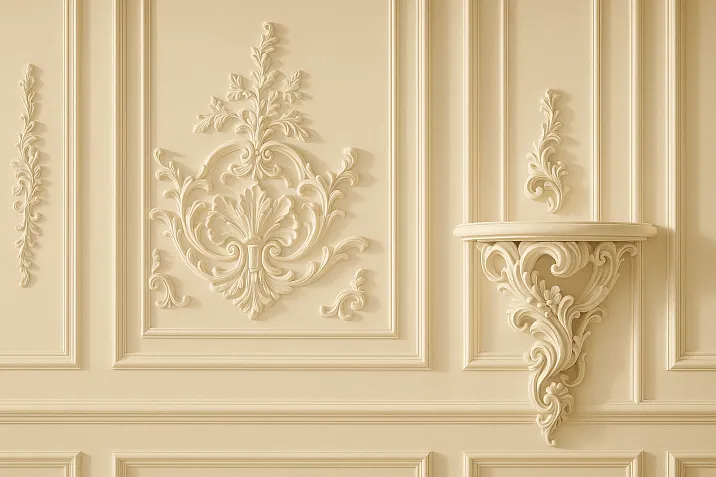
Touch the surface of real wood. Feel its warmth, sense its unique texture, inhale the delicate aroma of wood. In a world of plastic and synthetics Italian solid wood furniture remains an island of authenticity, where every fiber tells the story of a tree that grew under the sun, brushed by winds, nourished by earthy sap for decades.
Why, in the 21st century, when technology allows us to imitate any material with photographic precision, do people continue to choose natural wood? The answer lies not in rational considerations, but in a deep human need for connection with nature. Wood is alive — it breathes, changes over time, reacts to climate. It carries the memory of the forest, the energy of growth, the wisdom of centuries.
Italy, cradle of craftsmanship and design, has perfected the art of working with solid wood. Here, ancient joinery traditions meet modern technologies, giving birth to furniture that serves not years — but generations. Each piece becomes a family heirloom, a keeper of memories, a witness to important events.


Psychology of choice: why solid wood wins hearts




Emotional connection between human and tree
The connection between human and tree goes back to deep antiquity. Our ancestors lived among trees, built homes from them, made tools, warmed themselves with their heat. This genetic memory still lives within us, causing us to experience special feelings upon contact with natural wood.
Being surrounded by natural wood reduces stress levels, normalizes blood pressure, and improves mood. This is not mysticism — it is scientifically proven. Wood emits special phytoncides — biologically active substances that positively affect the human body.
Italian furniture Solid wood creates a unique atmosphere in the home. It is not just interior items — they are living beings that continue to live even after becoming furniture. They age beautifully, acquiring a noble patina, becoming more beautiful with each passing year.
The tactile sensations of touching natural wood are unmatched by anything else. Each species has its own unique texture, temperature, and response to touch. Oak is sturdy and solid, walnut is silky and warm, cherry is delicate and responsive. These differences make each piece unique and irreplaceable.
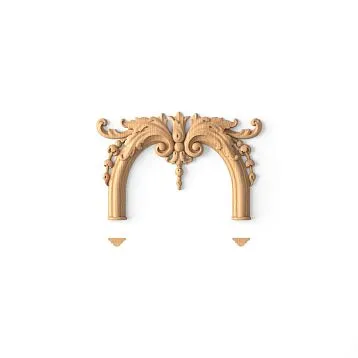
Our factory also produces:


Status aspects of ownership
In the modern world Solid wood furniture It has become a symbol of status and good taste. This is not only due to the high cost of such items, but also their exclusivity. In the era of mass production, natural solid wood is a luxury accessible to not everyone.
The owner of solid wood furniture demonstrates their values: they choose quality over quantity, durability over fashion, naturalness over artificiality. This is a statement about themselves, a way to convey their priorities without words.
Solid wood furniture is passed down as heirloom, becoming a family relic. It is an investment not only in personal comfort, but also in the future of children and grandchildren. Quality wooden furniture can serve for centuries, preserving its functionality and beauty.
Ecological aspects also play an important role in selection. Modern consumers increasingly consider the impact of their purchases on the environment. Solid wood furniture, especially from certified forests, is an ecologically responsible choice.
Get Consultation
Investment attractiveness
Quality solid wood furniture is not an expense, but an investment. Unlike furniture made of particleboard or MDF, which loses value immediately after purchase, solid wood items retain and even increase their value over time.
Antique wooden furniture is especially highly valued. Pieces by renowned masters of the 18th-19th centuries are sold at auctions for amounts dozens of times higher than their original cost. Modern quality solid wood furniture is future antiques.
Repairability is another important advantage of solid wood. If furniture made of composite materials must be discarded after serious damage, solid wood items can be restored to their original appearance. This makes them practically eternal with proper care.
The liquidity of quality solid wood furniture is also high. Such items enjoy steady demand on the secondary market, especially if they are from well-known brands or masters.
Technological features of production: from wood to masterpiece
Selection and preparation of wood
Creating quality Italian furniture made of solid wood It begins long before the first touch of the tool to the material. Wood selection is an art requiring deep knowledge and years of experience.
Italian masters prefer wood harvested at a specific time of year and under certain climatic conditions. Winter harvesting is considered the best — at this time, sap movement in the tree slows down, making the wood denser and more stable.
The age of the tree also has critical importance. Young wood is too soft and unstable, old wood may contain defects and flaws. The optimal age for most species is 80-120 years. At this age, the tree reaches maximum density and stability.
The method of harvesting affects the quality of the wood. Traditional methods, when trees are felled and sawn by hand, allow better control over the direction of the grain, minimizing internal stresses. Modern machine methods are faster but may damage the wood structure.
Drying is the most important stage of wood preparation. Italian manufacturers use a combined method: first, natural drying outdoors for 2-5 years, then kiln drying under controlled conditions. This process allows gradual moisture removal without damaging the wood structure.
Modern processing technologies
Modern Italian furniture manufactories combine traditional wood processing methods with innovative technologies. This allows preserving the authenticity of craftsmanship while improving the quality and precision of production.
Computer modeling is used to calculate optimal wood cutting. Special programs analyze the structure of each board, determine the best material usage, minimize waste. At the same time, the creative approach of the craftsman is preserved, who makes the final decisions.
CNC precision machines ensure ideal processing accuracy. Modern routers allow creating complex profiles impossible with manual processing. However, final finishing is always done by hand.
Humidity control technologies are applied at all production stages. Special sensors continuously monitor the moisture content of the wood and surrounding air, controlling storage and processing conditions. This is critically important to prevent warping and cracking.
Laser technologies are used for precise cutting and engraving. The laser beam allows creating delicate ornaments impossible with traditional methods. At the same time, the naturalness of the material is preserved — the laser does not introduce any chemical changes into the wood.
Innovative joining methods
Joining parts made of solid wood is one of the most complex tasks in furniture production. Wood is a living material that constantly changes its dimensions depending on humidity and temperature. Joints must be strong, yet allow for these natural changes.
Traditional joinery methods — mortise and tenon, dovetail, and lap joint — remain the foundation of quality furniture. These methods have been tested over centuries and provide maximum strength with minimal use of glue or metal fasteners.
Modern adhesive compositions are specifically developed for solid wood. They possess the necessary elasticity, allowing the joint to "breathe" along with the wood. At the same time, the strength of the glued joint often exceeds the strength of the wood itself.
Hidden metal fasteners are used where special strength is required, but visible fasteners are not permitted. Modern hidden fastening systems allow creating disassemblable structures without compromising the external appearance.
Compensatory joint technologies prevent cracking due to humidity changes. Masters calculate the shrinkage and swelling rates for each wood species, providing necessary gaps and compensators.
Variety of species: each tree is a unique individual
European noble woods
European wood species are traditionally considered the standard for manufacturing classic Italian furnitureEach species has its own character, features, and application area.
Oak — the king of European forests. Its wood is distinguished by exceptional strength and durability. Tannins contained in oak wood have antiseptic properties, protecting against pests and decay. Oak furniture can last for centuries, gradually acquiring a noble dark tone over time.
Walnut — the aristocrat among wood species. Its wood combines strength with the beauty of its texture. Walnut's color palette ranges from light brown to dark chocolate with striking contrasting veins. Walnut is highly workable, allowing for delicate carving and inlays.
Ash is distinguished by high strength and flexibility. Its wood has a striking texture with clearly defined growth rings. Ash is ideal for creating curved elements, and it is frequently used in manufacturing beds with curved backs.
Cherry brings warmth and coziness to interiors. Its wood has a pleasant pinkish hue, which darkens over time to acquire a noble reddish-brown color. Cherry is highly polishable, creating a deep, rich luster.
Exotic species
Globalization has opened Italian furniture makers access to exotic wood species from around the world. These materials allow for creating truly unique furniture with unparalleled properties.
Teak — the king of tropical woods. Its wood contains natural oils that make it practically impervious to moisture and pests. Teak furniture can be used even outdoors without additional protection. Teak's color ranges from golden to dark brown.
Wenge — African exotic wood with dramatic beauty. Wenge wood has a dark, almost black color with striking light veins. This species is distinguished by exceptional hardness and density. Furniture made of wenge looks monumental and majestic.
Zebrawood got its name for its distinctive striped texture resembling zebra skin. Contrasting light and dark stripes create a striking visual effect. This species is often used for creating accent details and decorative elements.
Padauk is one of the most valuable wood species. Its dark wood with a purple hue possesses unique beauty. Padauk contains aromatic oils that retain a pleasant scent for a long time. Due to harvesting restrictions, furniture made of padauk is becoming increasingly rare and valuable.
Russian woods in Italian interpretation
Italian designers are increasingly focusing on Russian wood species, revealing their unique properties and beauty. Russia's harsh climate creates wood of exceptional density and stability.
Karelian birch — a unique natural phenomenon. Its wood has an incomparable swirling texture with a mother-of-pearl sheen. Each Karelian birch tree is unique, creating exclusive patterns that cannot be replicated. Furniture made from this species becomes a work of art.
Siberian cedar attracts not only with its beautiful texture but also with its beneficial properties. Cedar wood contains phytoncides — natural antiseptics that purify the air and positively affect health. The scent of cedar calms the nervous system and promotes healthy sleep.
Larch — a species with unique properties. Its wood becomes harder over time, rather than softer, unlike most species. Larch practically does not rot, possesses high resin content that protects against pests. Larch's color ranges from light yellow to reddish-brown.
Stylistic Directions: From Classicism to Avant-Garde
Neoclassicism: eternal proportions in modern interpretation
Neoclassical style in Italian furniture made of solid wood represents a modern interpretation of classical beauty canons. This is not copying antique samples, but a creative reinterpretation of eternal principles of harmony and proportions.
The basis of neoclassical style is mathematical precision of proportions. Each detail is calculated according to the principles of the golden section. Height, width, depth of each element are in harmonious relation to each other and to the overall dimensions of the item.
Decorative elements in neoclassicism are used sparingly but effectively. Carving, inlays, gilding are applied to emphasize structural elements and highlight functionally important details. Each decorative element carries semantic meaning.
The color palette is built on noble shades of natural wood, complemented by contrasting accents. Dark walnut pairs with gold, light oak with silver, cherry with copper. These combinations create a rich yet not overloaded color palette.
Modern technologies allow achieving a level of finish quality in neoclassical furniture that was inaccessible to craftsmen of past centuries. Perfectly smooth surfaces, flawless joints, mirror polish — all of this became possible thanks to precision equipment.
Rustic style: beauty of naturalness
The rustic style in solid wood furniture celebrates the natural beauty of the material, emphasizing its organic origin. It is an antithesis to industrial culture, a return to roots, to simple and honest materials.
A characteristic feature of the rustic style is preserving natural wood defects. Knots, cracks, irregularities in texture are not hidden but highlighted, becoming decorative elements. Each such defect tells the story of the tree's life, making the item unique.
Surface treatment in the rustic style is minimal. Wood retains its natural texture, sometimes even tool marks. This creates a sense of authenticity, connection to traditional craftsmanship. Surfaces may be slightly charred, aged, coated with natural oils or wax.
The construction of rustic furniture is deliberately massive and sturdy. Thick boards, visible joints, metal elements with traces of hand-forging — all of this creates an image of reliability and longevity. Such furniture looks as if it could stand for centuries.
The color palette of the rustic style is built on natural wood tones without attempts to alter or embellish them. Natural oak, pine, larch are used in their original form, with at most a light tinting using natural pigments.
Minimalism: the philosophy of simplicity
The minimalist approach to solid wood furniture requires special craftsmanship — to achieve maximum expressiveness with minimal means. Every line, every surface must be flawless, since hiding flaws behind decoration is impossible.
The form of minimalist furniture is extremely laconic. No excesses, no random details. Every element is functional and necessary. Beauty arises from the perfection of proportions, quality of materials, and flawless execution.
Joints in minimalist furniture are often hidden, creating the impression of a monolithic structure. Modern technologies allow creating practically invisible seams, making the piece appear as a single, carved piece of wood.
Surface finishing in minimalism requires the highest quality. Any defect, slightest irregularity becomes noticeable. Surfaces are polished to perfect smoothness, yet the natural beauty of the wood is preserved.
The functionality of minimalist furniture is maximal. Each piece solves specific tasks, not claiming decorative value. Yet, simplicity of form does not mean primitiveness — behind apparent simplicity lie complex engineering solutions.
Technological nuances: secrets of craftsmanship
Wood carving art
Wood carving is an ancient art that reached unprecedented heights in Italian furniture tradition. Modern masters inherit technologies refined over generations, yet complement them with new possibilities.
Carving tools are custom-made for each master. The shape, size, and sharpening angle of each chisel are selected according to the specific wood species, type of carving, and individual working style. A quality tool is an extension of the master’s hand.
Carving techniques vary depending on the purpose and style of the piece. Blind carving creates relief patterns without cutting through the wood. Through carving transforms wood into lace. Relief carving creates three-dimensional compositions, turning furniture into sculpture.
Modern technologies complement hand carving. Laser engraving allows creating the finest details with photographic precision. CNC machines handle repetitive elements, freeing the master for creative work. Yet, only a human hand can give carving its soul.
Finishing carved elements requires special delicacy. Every fold, every indentation must be carefully processed. Special brushes, pads, miniature tools are used. The process may take weeks, but the result justifies the time invested.
Patination and artificial aging methods
Patination is the art of imparting an aged patina to new furniture. This is not an attempt to deceive the buyer, but an artistic technique allowing a new piece to harmoniously fit into a historical interior.
Chemical patination uses special compounds that accelerate natural oxidation and aging processes of wood. Different areas of the piece are treated with varying intensity, mimicking natural uneven aging.
Mechanical aging imitates signs of natural wear. Special tools create scratches in areas of natural contact with hands, clothing, and objects. Corners are rounded, surfaces acquire a slight waviness.
Thermal aging uses controlled temperature impact. Wood is slightly scorched, acquiring a darker tone and textured surface. Soft fibers burn faster, highlighting the structure of annual rings.
Biological aging uses special microorganisms that safely affect surface layers of wood. This method requires much time, but creates the most natural aging effect.
Finishing and protection systems
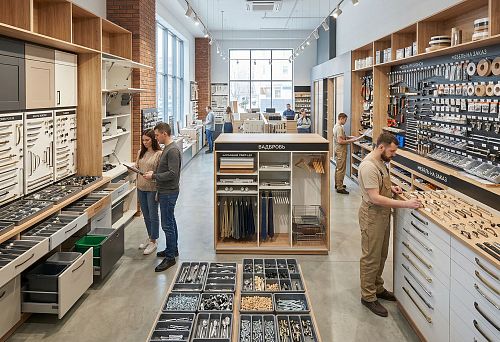
Surface finishing is the final and critically important stage in creating solid wood furniture. The quality of finishing affects not only the appearance but also the longevity of the piece. Italian furniture hardware also requires appropriate processing and protection.
Oil finishes penetrate deeply into the wood structure, highlighting its natural beauty. Oil does not form a surface film, allowing the wood to 'breathe'. Such a finish is easy to renew, but requires more frequent maintenance.
Wax finishes create a soft, silk-like sheen. Wax is applied in multiple layers with intermediate polishing. Wax finish feels pleasant to the touch, but is less resistant to mechanical damage and moisture.
Lacquer systems provide maximum wood protection. Modern polyurethane lacquers create a strong, flexible film resistant to abrasion and moisture. Lacquer can be matte, satin, or glossy depending on the item's stylistic design.
Combined systems combine the advantages of different types of finishes. For example, wood pores are filled with oil, and then a thin layer of lacquer is applied. This ensures both protection and preservation of the natural beauty of the wood.
Ergonomic aspects: comfort as a priority
Scientific foundations of furniture ergonomics
Creating truly comfortable furniture requires deep understanding of human anatomy, biomechanics of movement, and psychology of spatial perception. Modern Italian solid wood furniture is created based on serious scientific research.
Anthropometric data is the foundation of ergonomic design. Furniture dimensions are calculated based on the parameters of an average person, but variability in human proportions is also taken into account. Good furniture suits people of different heights and body types.
Biomechanical studies show how a person interacts with furniture. Joint angles, load distribution, movement trajectories — all of this affects design. Poorly designed furniture can harm health with prolonged use.
Psychological aspects are also important. Color, texture, proportions affect a person's emotional state. Furniture should not only provide physical comfort but also create positive emotions, promote relaxation or, conversely, concentration.
Climate factors are considered when selecting materials and structural solutions. Solid wood has a natural ability to regulate air humidity, creating a more comfortable microclimate in the room.
Specifics of Different Types of Furniture
Each type of furniture has its own ergonomic requirements. What is good for a chair may be unacceptable for a bed. Craftsmen study the specific use of each item to ensure maximum comfort.
Seating furniture — chairs, armchairs, sofas — must provide proper spinal support. Seat height, backrest angle, armrest shape — each parameter affects user comfort and health. Modern research has identified optimal values for these parameters.
Tables are designed considering various types of activities. A dining table has one height, a work table — another. The shape of the tabletop affects the convenience of seating arrangements. Round tables promote conversation, rectangular ones — are more functional for work.
Sleeping furniture requires special attention to ergonomics. Bed height affects ease of getting up, dimensions — affect sleep quality. Nightstands must be at a certain height relative to the mattress. Every detail affects comfort and sleep health.
Storage systems are designed using anthropometric data. Shelf height, cabinet depth, hanger placement — all must correspond to ease of use. Accessibility of contents without unnecessary effort — the main requirement for storage furniture.
Care and Maintenance: Extending the Life of Wood
Daily care
Proper care of solid wood furniture is the key to its longevity and preservation of its original beauty. Wood is a living material that requires attention and care throughout its entire service life.
Daily cleaning should be gentle. Dust is removed with a soft cloth or special brush. Abrasive materials or aggressive cleaning agents must not be used — they may damage the finish or the wood itself.
Wet cleaning is permissible but with restrictions. The cloth must be well wrung out to avoid excess moisture entering the wood structure. After wet cleaning, the surface must be immediately wiped dry.
Protection from mechanical damage is an important part of daily care. Trivets, tablecloths, napkins help prevent damage. Sharp objects should be used with caution.
Climate control in the room is critically important for solid wood furniture. Optimal temperature — 18–22°C, humidity — 45–55%. Sudden fluctuations in these parameters may lead to warping and cracking.
Preventive maintenance
Regular preventive maintenance helps identify problems early and prevent serious damage. The frequency of maintenance depends on the intensity of furniture use and operating conditions.
Structural inspection includes checking all joints, mechanisms, fasteners. Loose joints are tightened, worn parts are replaced. Early detection of problems prevents costly repairs.
Protective coatings should be renewed regularly. Frequency depends on the type of coating and intensity of use. Oil-based coatings require more frequent renewal than varnish, but the procedure is simpler and can be performed independently.
Deformation correction is possible in early stages. Minor warping can be corrected by adjusting fasteners or local treatment. Serious deformations require professional intervention.
Professional restoration may be required after many years of use. Qualified restorers can restore furniture to its original appearance, replace damaged elements, and update finishes. Properly executed restoration can extend the life of furniture for decades.
Seasonal Care Considerations
Seasonal changes affect the condition of solid wood furniture. Changes in temperature and humidity require adjustments to care routines and preventive measures.
The winter period is characterized by low humidity due to heating. Wood may dry out, leading to cracks and warping. It is recommended to use humidifiers and place furniture away from heating appliances.
Spring humidity changes may cause wood to swell. Good room ventilation and avoiding sudden temperature fluctuations are necessary. This is an ideal time for preventive inspections and minor repairs.
Summer heat and high humidity create their own problems. Direct sunlight may cause fading and cracking. Protection from sun exposure, good ventilation, and humidity control are necessary.
Autumn preparation for the heating season includes thorough inspection, updating protective coatings, and checking climate control systems. Preventive measures help furniture better withstand the winter period.
Investment Aspects: Furniture as an Asset
Factors Affecting Cost
Solid wood furniture Can be considered an investment asset, especially if referring to high-quality items from well-known manufacturers. Understanding factors affecting cost will help make the right choice.
The type of wood is the main factor in pricing. Rare and exotic woods cost more than common ones. Price also depends on the quality of the wood — presence of defects, proper drying, material stability.
The complexity of manufacturing affects the cost. Hand carving, inlays, complex joints require high craftsmanship and more time. Exclusive items, created in limited editions, are especially highly valued.
The reputation of the manufacturer or craftsman plays an important role in setting the price. Items from well-known brands or masters have additional value due to their reputation. Origin history and documented craftsmanship add to the value.
Age and historical value can significantly increase the cost of furniture. Antique items, especially with documented history, often cost much more than new equivalents. Even relatively new furniture can acquire historical value.
Market Trends
The market for solid wood furniture shows steady growth in buyer interest. This is linked to general trends toward eco-friendliness, quality, and durability. The investment appeal of such furniture continues to rise.
Ecological trends contribute to increased demand for natural materials. Consumers increasingly value furniture made from renewable resources and free from harmful chemicals. This supports high prices for quality wooden furniture.
Resource scarcity affects long-term prospects. Many valuable wood species are becoming increasingly rare due to deforestation. This could lead to significant price increases for furniture made from such species in the future.
Technological progress paradoxically increases the value of handcrafted work. In an age of automation and robotics, handcrafted items become rarer and more valuable. Human craftsmanship cannot be fully replaced by machines.
Globalization has expanded the market for quality furniture. Italian masterpieces find buyers worldwide, supporting high prices and creating conditions for further growth.
In the era of synthetic materials and mass production Italian solid wood furniture remains a symbol of authenticity and quality. It does not merely furnish our homes — it creates atmosphere, shapes the character of space, influences our mood and well-being.
Choosing furniture made of natural wood means choosing a connection with nature, with the traditions of craftsmanship, with a culture of quality. We invest not only in functional items, but also in beauty, comfort, and the feeling of harmony with the surrounding world.
Every piece of solid wood furniture is unique, as each tree in the forest is unique. This uniqueness makes our furniture special, irreplaceable, personal. In a world of standardization and uniformity, this is especially valuable.
Conclusion
Traveling to the world of Italian solid wood furniture is an immersion into a culture where beauty and functionality are inseparable, where traditions and innovations complement each other, where every item is created as a work of art. This is a world where time has a different meaning — here, they create not for the season, but for centuries.
Modern technologies do not destroy ancient woodworking traditions — they develop them, opening new possibilities for creativity. Laser precision coexists with the craftsman’s intuition, computer modeling complements artistic intuition, and modern materials expand the palette of traditional tools.
Ecological aspects are becoming increasingly important in furniture selection. Solid wood from responsibly managed forests is a choice for sustainable development, for future generations. It is an investment not only in personal comfort, but also in preserving the planet.
The investment appeal of quality solid wood furniture is growing year by year. In a world of inflation and currency instability, high-quality material assets become a reliable way to preserve and grow capital. But the main value of such furniture is not in money — it lies in the joy of daily use, in pride of owning something beautiful.
Ergonomic aspects of modern solid wood furniture have reached unprecedented perfection. A scientific approach to design, deep understanding of human needs, and use of advanced materials create furniture that is not only beautiful but also beneficial to health.
The variety of styles and directions allows everyone to find their own. From classic grandeur to modern minimalism, from rustic simplicity to avant-garde experiments — Italian solid wood furniture offers solutions for any taste and interior.
STAVROS represents a unique phenomenon in the world of furniture production — a company that manufactures high-quality solid wood furniture on its own production facilities. By combining the best Italian craftsmanship traditions with innovative technologies and a deep understanding of the Russian market, STAVROS produces items that do not fall short of the best Italian examples, and in many ways surpass them. In-house production allows STAVROS to control every stage of furniture creation — from wood selection to final finishing — guaranteeing flawless quality and compliance with the highest standards. Use of premium Russian and foreign wood species, application of eco-friendly materials and technologies, and continuous improvement of production processes make STAVROS products a benchmark for quality in the field of solid wood furniture. Choosing STAVROS, customers receive not just furniture, but applied art masterpieces, created with soul and skill, capable of serving generations and becoming true family heirlooms.