Article Contents:
- The philosophy of wood in Italian culture
- Wood as a living organism
- Regional traditions of working with wood
- Wood species: each with its own history
- Walnut: the king of Italian furniture
- Oak: symbol of reliability and longevity
- Cherry: romance and warmth
- Maple: elegance and nobility
- Processing Technologies: From Traditions to Innovations
- Drying: The Foundation of Quality
- Surface finishing: revealing beauty
- Polishing: protection and beauty
- Stylistic directions of wooden furniture
- Classic Style: Timeless Values
- Country: rustic charm of Italy
- Modern: a new interpretation of traditions
- Regional schools and their characteristics
- Lombard school: Alpine traditions
- Tuscan school: aristocratic elegance
- Venetian school: theatrical luxury
- Functional solutions in wooden furniture
- Bedroom: temple of rest
- Living Room: The Heart of Family Life
- Kitchen: the heart of the Italian home
- Technical innovations in wooden furniture
- Modern processing methods
- Ecological technologies
- Care for wooden furniture: preserving beauty
- Daily care
- Professional Maintenance
- Investment value of wooden furniture
- Long-term perspective
- Heritage Value
- Conclusion
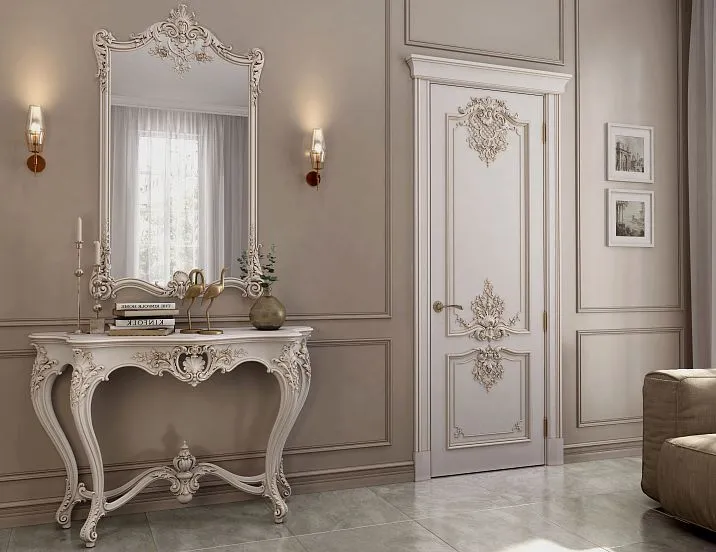
Wood lives. It breathes, remembers the touch of the sun and the whisper of the wind, preserves in its fibers the history of decades of growth under the Tuscan sky or in the shade of the Alps. And when this wood falls into the hands of Italian masters, true magic happens — Italian Wooden Furniture it transforms from a simple material into a work of art capable of living for centuries and passing on the warmth of human hands to future generations.
Why exactly wood became the foundation of Italian furniture tradition? The answer lies not only in the rich forest resources of the Apennine Peninsula, but also in the Italians' special understanding of the material's nature. For them, wood is not just raw material, but a creative partner, with its own character, mood, and potential.


The philosophy of wood in Italian culture




Wood as a living organism
In Italian tradition, wood is treated as a living being, each with its own individuality. Italian furniture It begins not in a workshop, but in the forest, where experienced loggers select trees according to special criteria: age, growing conditions, wood density, absence of internal defects.
The selection process resembles a ritual. The master places his ear to the trunk, taps the bark, studies the direction of the grain. He seeks not just quality wood, but material with soul, capable of becoming the foundation for furniture that will last centuries.
Each species has its own character. Walnut — noble and stable, ideal for classic furniture. Oak — strong and durable, creating a sense of reliability. Cherry — romantic and warm, ideal for bedroom sets. Ash — flexible and strong, indispensable for curved elements.
Our factory also produces:


Regional traditions of woodworking
in alpine style, massive and reliable, capable of withstanding harsh mountain climates. Furniture in alpine style, massive and reliable, capable of withstanding harsh mountain climates.
Tuscany is renowned for working with noble hardwoods. Tuscan walnut is considered one of the best in the world — its wood has a beautiful texture and excellent stability. Here, elite furniture for palaces and villas is created.
Veneto specializes in carved furniture. Local masters have achieved such mastery in wood carving that their works resemble sculptures. Venetian furniture is the pinnacle of decorative art.
Get Consultation
Wood species: each with its own history
Walnut: king of Italian furniture
Italian walnut rightfully is considered the king of furniture production. Its wood possesses a unique combination of properties: high strength, dimensional stability, excellent workability, and incredibly beautiful texture. Classic Italian furniture made from walnut — this is the standard of quality and elegance.
The color of the wood varies from light brown to dark chocolate, often with purple hues. Walnut with wavy grain is especially prized — such wood is used to create exclusive items.
Italian masters know how to fully reveal the beauty of walnut wood. Special processing techniques allow highlighting the natural grain pattern, creating surfaces that change depending on viewing angle and lighting.
Oak: symbol of reliability and longevity
Oak in Italian furniture tradition is a symbol of stability and longevity. Italian Solid Wood Furniture Oak serves for centuries, passing from generation to generation. Its wood is distinguished by exceptional strength and resistance to external influences.
Italian oaks grow in various climatic zones, creating diversity in wood characteristics. Northern oak is denser and harder, southern oak is softer and easier to work with. Masters skillfully use these features to create different types of furniture.
Marquetry oak — wood that has endured decades in water, acquiring a unique dark color and extraordinary strength. Such material is used to create the most prestigious furniture items.
Cherry: romance and warmth
Cherry is one of the most poetic species used in Italian furniture. Its wood has a warm pinkish hue, which darkens over time, acquiring a noble reddish-brown color. Italian Wooden Furniture Made from cherry, it creates a special atmosphere of coziness and romance.
Cherry wood is relatively soft, making it ideal for creating delicate carved elements. Masters especially value its ability to take fine carving details and preserve their clarity for centuries.
Cherry combines beautifully with other wood species, allowing the creation of complex compositions using various colors and textures. Especially popular are combinations of cherry with walnut or maple.
Maple: elegance and nobility
Maple in Italian furniture is valued for its light-colored wood with beautiful grain. Especially popular is maple with wavy or birdseye grain — such wood is considered a true treasure.
Luxury Italian furniture Often uses maple to create contrasts and accents. Light maple wood beautifully complements dark woods, creating elegant compositions.
Maple is also widely used for creating inlays and marquetry — complex decorative compositions from various wood species. Italian masters have achieved incredible heights in this art.
Processing technologies: from traditions to innovations
Drying: the foundation of quality
The process of drying wood in Italy is a true art, passed down from generation to generation. Proper drying is the foundation of future furniture quality. Italian masters use both traditional methods of natural drying and modern kiln installations.
Natural drying takes place in special sheds, where wood is stacked in piles with spacers ensuring air circulation. The process may take two to five years, depending on the thickness of the boards and the type of wood.
Kiln drying allows for more precise control of the process, but requires highly skilled operators. An incorrect regime can irreversibly damage valuable timber. Italian drying complexes are high-tech systems with computer control.
Surface treatment: revealing beauty
Surface treatment Italian wooden furniture — it is a whole philosophy. The goal is not to hide the natural beauty of wood under a layer of paint, but to fully reveal its potential.
Sanding is done manually using several grades of sandpaper, starting with coarse and ending with the finest. Each stage is controlled by a master who feels the material and knows when to stop.
Staining is used to change the color of wood without losing its texture. Italian masters have created hundreds of stain recipes, allowing any desired shade. Especially prized are old recipes based on natural dyes.
Finishing: protection and beauty
The final finish serves a dual function: it protects the wood from external influences and highlights its beauty. Italian masters use various types of finishes depending on the furniture's purpose and aesthetic requirements.
Oil finishes penetrate deeply into the wood, emphasizing its natural texture. They create a matte surface that is pleasant to the touch. Such finishes are especially popular for furniture in natural styles.
Varnish finishes create a durable protective film and allow for various levels of gloss—from matte to mirror-like shine. The varnishing process may include up to 15 layers with intermediate sanding between each.
Stylistic directions of wooden furniture
Classic style: timeless values
Classic Italian wooden furniture is the embodiment of timeless aesthetic principles. Here, every line adheres to the laws of harmony, and every detail has its purpose and meaning. Italian living room furniture In the classic style, it creates an atmosphere of aristocratic elegance.
The proportions of classical furniture are based on mathematical principles of the golden section. This is not coincidence—Italian masters of the Renaissance were not only craftsmen but also mathematicians who understood the laws of beauty.
Decorative elements in classical furniture serve not only an aesthetic but also a symbolic function. Carved rosettes symbolize the sun and life force, grapevines—fertility and abundance, lion heads—strength and protection.
Country: rustic charm of Italy
Italian country style is a unique style that combines the simplicity of rural life with the sophistication of Italian taste. Furniture in this style appears simple, but behind this simplicity lies the highest craftsmanship.
Surfaces are often left untreated or covered with oil, highlighting the natural beauty of the wood. Carving is simple but expressive. Colors are natural—ranging from light honey to dark brown.
A distinctive feature of Italian country style is the use of reclaimed wood. Old beams, wine barrel staves, and wood from dismantled buildings receive a second life in new furniture, carrying history and character.
Modern: a new interpretation of traditions
Italian modern style in wooden furniture is a bold rethinking of classical forms. Here, traditional woodworking techniques are combined with contemporary design solutions.
Lines become smoother and more organic, shapes more sculptural. Wood is often combined with modern materials—metal, glass, ceramic—to create unexpected and striking combinations.
Color solutions also become bolder. Wood can be stained in unusual colors or treated with special compounds that create effects of aging, whitewashing, or patina.
Regional schools and their characteristics
Lombard school: Alpine traditions
Lombardy, with its rich Alpine forests, developed its own woodworking school. Here, traditional work is done with coniferous species—fir, spruce, pine. Furniture becomes robust, reliable, and able to withstand harsh mountain climates.
A distinctive feature of Lombard furniture is the use of natural wood forms. Masters do not attempt to alter the natural shape of the trunk or branch, but rather emphasize its beauty. The result is furniture that appears to have grown from the earth.
Decorative elements in Lombard furniture often depict Alpine flora and fauna — edelweiss, pine branches, mountain animals. Carving is done with deep relief lines, creating expressive light-and-shadow effects.
Tuscan School: Aristocratic Elegance
Tuscany is the birthplace of classic Italian furniture. Here, masters work with noble hardwoods — walnut, oak, cherry. Italian bedroom furniture Tuscan school — the standard of elegance and refinement.
Tuscan masters are renowned for their ability to work with wood grain. They can arrange elements so that the natural pattern of the fibers creates complex decorative compositions without carving.
Special attention is paid to proportions and balance. Tuscan furniture never appears overloaded or overly decorated. Each element is in its place and performs a specific function within the overall composition.
Venetian School: Theatrical Luxury
Venice created the most decorative school of Italian furniture. Here, wood becomes a material for creating true works of art. Carving reaches such complexity and detail that furniture resembles sculpture.
Venetian masters were the first to use gilding in wooden furniture. Thin sheets of gold leaf are applied to carved elements, creating an effect of preciousness and luxury.
A distinctive feature of Venetian furniture is the use of exotic woods brought from colonies. Ebony, rosewood, and sandalwood create remarkable color combinations and add an element of exoticism.
Functional Solutions in Wooden Furniture
Bedroom: Sanctuary of Rest
Beds Solid wood — the central element of the Italian bedroom. Here, wood is not only material but also a guarantee of healthy sleep. Natural wood regulates humidity, creates a healthy microclimate, and possesses bactericidal properties.
Headboards are a separate topic for admiration. Carved panels made of solid wood, inlaid with precious woods, and gilded elements transform the bed into a work of art. Comfort is not forgotten — the headboard’s ergonomics are designed for comfortable reading in bed.
Nightstands and chests of drawers are created in harmony with the bed, forming a cohesive ensemble. Internal compartments are thoughtfully designed — special sections for various items, soft drawer upholstery, silent glides.
Living Room: Heart of Family Life
Wooden furniture for the living room creates a special atmosphere of warmth and coziness. Sofas with wooden frames are exceptionally strong and durable. Carved elements on armrests and backs transform utilitarian furniture into decorative art.
Solid wood coffee tables are not just functional items, but sculptural objects. Table tops made from a single piece of wood with natural edges, bases shaped like intertwined roots or stylized trunks, create a sense of connection with nature.
Living room walls and shelves are designed as architectural compositions. Sections of varying sizes and shapes create a rhythmic pattern, while the interplay of open and closed spaces adds dynamism.
Kitchen: Heart of the Italian Home
Wooden kitchen furniture in Italy is not just functional cabinets, but true masterpieces of carpentry art. Solid wood facades, treated with natural oils, create a warm, lively surface.
Solid wood countertops — a special pride of Italian craftsmen. Thick, up to 8 centimeters, planks of oak or walnut are specially treated to protect against moisture and stains, yet retain the natural beauty of wood.
Carved elements in kitchen furniture are usually more restrained than in the living room, but no less expressive. Door panels, cornices, decorative moldings create a sense of solidity and craftsmanship.
Technical Innovations in Wooden Furniture
Modern Processing Methods
Italian manufacturers actively integrate modern technologies into wood processing without abandoning traditional methods. CNC machines allow creating complex three-dimensional carved elements with micron-level precision, unattainable by hand.
Laser engraving opens new possibilities for decorating wooden surfaces. It is possible to create delicate ornaments, portraits, complex geometric patterns, which cannot be achieved using traditional methods.
Special stains and coatings significantly extend the lifespan of wooden furniture. Modern formulations protect against moisture, insects, mold, while preserving the wood’s ability to 'breathe'.
Ecological technologies
Ecological considerations are becoming an increasingly important factor in wooden furniture production. Italian manufacturers use only wood from managed forests, where logging is offset by new plantings.
Non-toxic water-based lacquers and coatings replace traditional solvent-heavy formulations. This makes furniture safer for health, especially important for children’s and bedroom furniture.
Waste-free production technologies allow even sawdust and shavings to be used. From them, decorative elements, upholstery fillers, and fuel briquettes are made.
Wooden Furniture Care: Preserving Beauty
Daily care
Italian Wooden Furniture Requires special care to maintain its beauty and functionality. Daily care includes removing dust with a soft dry cloth, avoiding direct sunlight, and maintaining optimal air humidity.
Only special cleaning agents designed for natural wood are used. Ordinary cleaning agents may damage the protective coating and spoil the appearance of the furniture.
It is important to avoid sharp temperature and humidity changes. Wooden furniture should be placed at least one meter away from heat sources — radiators, fireplaces, heaters.
Professional maintenance
Wooden furniture is recommended to be treated with special compositions once a year, nourishing the wood and restoring the protective coating. This procedure is best entrusted to professionals.
Do not attempt to remove scratches or scuffs yourself. Professional restoration can return the furniture to its original appearance, while amateur intervention may only worsen the problem.
Hardware adjustment is another important aspect of care. Hinges, guides, and locks should operate smoothly and silently. Timely maintenance Italian furniture hardware for furniture extends the lifespan of the entire item.
Investment value of wooden furniture
Long-term perspective
Quality Italian wooden furniture is not a purchase, but an investment. Unlike furniture made of artificial materials, which lose their appearance and functionality over time, wooden furniture only becomes more beautiful.
Patina of time adds nobility, minor scratches tell the family's story, natural color changes create unique beauty. Many pieces of antique Italian furniture today are worth many times their original price.
Restorability is another advantage of wooden furniture. Even severely damaged items can be restored, returning them to their original beauty or even improving their characteristics.
Inheritance value
Wooden furniture is traditionally passed down as an inheritance, becoming a family heirloom. This is not only a practical solution, but also a way to preserve family memories. Each generation adds its own story to the item's biography.
Modern technologies allow personalizing furniture — engraving names, dates, family crests. Such items become unique and especially valuable to the family.
Properly selected and well-made wooden furniture can serve for centuries, outliving several generations of owners and becoming a witness to family history.
In the world of modern technologies and artificial materials Italian Wooden Furniture remains an island of authenticity and natural beauty. Each item carries the warmth of human hands, the wisdom of generations of craftsmen, and the living soul of the wood from which it was created.
Choosing wooden furniture means choosing in favor of eco-friendliness, longevity, and unique beauty. We invest not only in quality interior items, but also in a special atmosphere at home, where every detail breathes life and creates a sense of harmony with nature.
Conclusion
A journey into the world of Italian wooden furniture is an exploration of a wonderful universe, where ancient craftsmanship traditions meet modern technologies, where each item tells the story of the wood from which it was made and the craftsman who gave it new life.
In the hands of Italian craftsmen, wood ceases to be merely a material — it becomes a means of expressing beauty, philosophy of life, cultural values. Every texture, every shade, every line carries deep meaning and emotional weight.
In an era of mass production and standardization, Italian wooden furniture retains individuality and uniqueness. Two absolutely identical items do not exist — each has its own history, character, and unique beauty.
This is the choice of those who understand the true value of quality, who are willing to invest in beauty and comfort for many years, who appreciate the connection with nature and the traditions of craftsmanship. Italian wooden furniture is not just interior items — it is companions of life that will delight and serve many generations.
STAVROS Company, a recognized leader in the field of luxury furniture, offers an exclusive collection of Italian wooden furniture created by the best craftsmen of the Apennine Peninsula. Each item in the STAVROS assortment is carefully selected, undergoes strict quality control, and is delivered with full service support. Choosing STAVROS, customers receive not just furniture, but a piece of Italian culture, craftsmanship traditions, and genuine love for beauty, embodied in every detail.