Article Contents:
- What Does 'Carved Decorative' Mean? The Art That Inspires
- Why Are Carved Decorative Items Still in Demand?
- How Did Carving Develop in Russian Tradition?
- Why Is Carving for Facades So Important?
- How Is Carving Used Today?
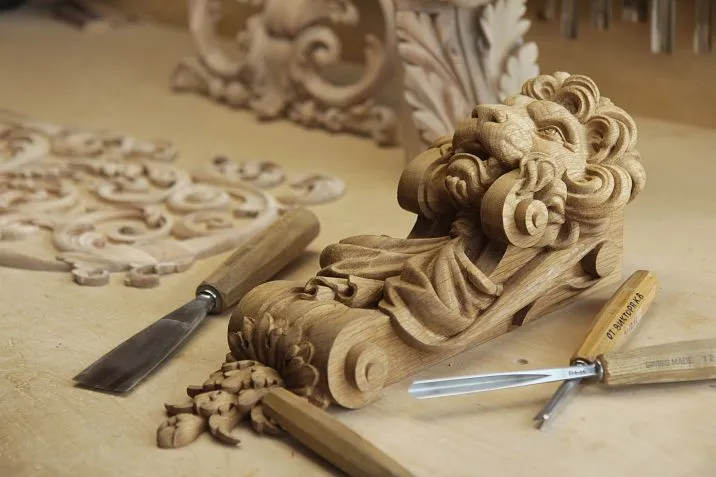
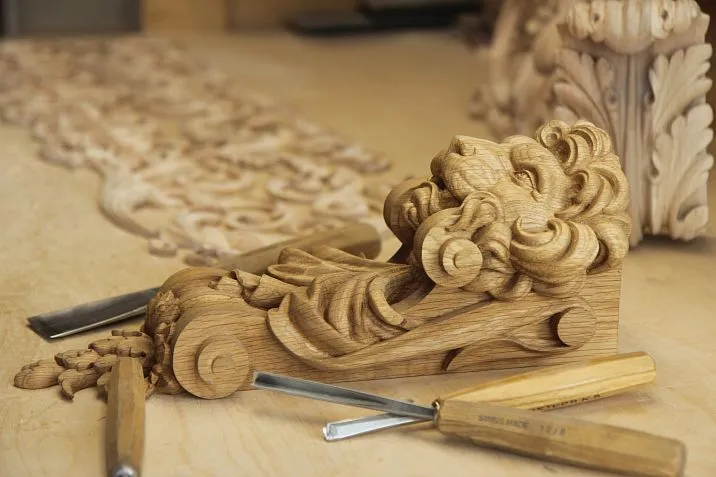
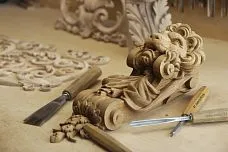
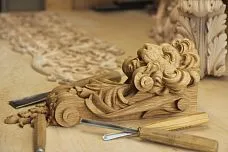
Carved decorative items are not just interior or architectural elements, but true works of art, where every detail is executed with impeccable attention to aesthetics and functionality. For centuries, wood carving has been one of the main symbols of craftsmanship and talent, and today it continues to inspire designers, architects, and lovers of beauty.
But what makes wood carving so popular? Why do its elements, whether carved window casings, decorative panels, or furniture ornaments, remain relevant for centuries? The answer lies in carving’s unique ability to combine aesthetics, traditions, and modern technologies. STAVROS offers items that demonstrate how carving can become a central accent in any interior or facade. Explore their collection in the section “House Carving”.
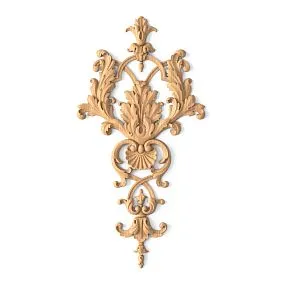

What Does 'Carved Decorative' Mean? The Art That Inspires
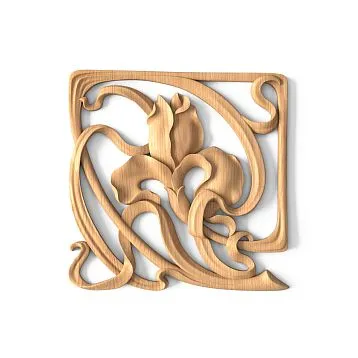
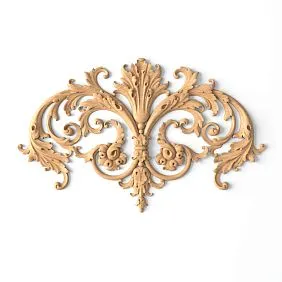
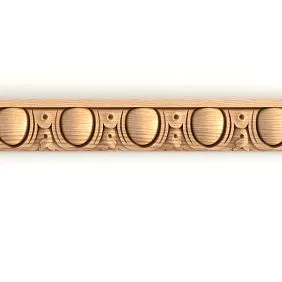
A carved decorative element is not just decoration. It is a form of expression of culture, history, and the individuality of the craftsman. Wood carving requires meticulous work and high skill, as every movement of the tool affects the final result. Creating carved elements is a combination of technical skill and artistic approach, where every detail becomes unique.
Why Are Carved Decorative Items Still in Demand?
- Aesthetic Impact
Wood carving creates visual depth and texture that cannot be achieved with other materials. For example, window casings adorned with intricate patterns can make even the simplest facade expressive and attractive. - Symbolic Meaning
Carved decorative elements often carry deep symbolism. Traditional patterns such as the sun, leaves, and flowers symbolize the connection between humans and nature, while complex geometric ornaments symbolize harmony and order. - Office: Work Space in Russian Style
Carved items, whether support brackets or decorative panels, combine utility and elegance. They perform their function while remaining a striking accent in interior or exterior spaces. - Durability
Carved decorative elements made from solid wood retain their beauty and functionality for decades. With proper treatment, such items are resistant to the effects of time and environment.
STAVROS offers a variety of carved items that will highlight the style and individuality of your space. Browse the collection house carvingto find the perfect solution.
Historical Roots of Carving: Traditions That Live for Centuries
Wood carving as an art form emerged thousands of years ago. In each region, it developed uniquely, reflecting cultural and religious characteristics. In Rus', carving became an indispensable part of architectural decoration, and carved houses are still considered symbols of the wealth and craftsmanship of their creators.
How Did Carving Develop in Russian Tradition?
- Decorating facades
In rural homes of Rus', wood carving played a decorative and symbolic role. Window casings protected homes from evil spirits, while carved cornices and gables demonstrated the owner's skill. - Furniture and Utensils
Carving was used to decorate chests, tables, benches, and other furniture. Such elements emphasized the family's status and were passed down through generations as family heirlooms. - Churches and Cathedrals
In religious architecture, carving was used to decorate iconostases, columns, and doors. These were not just decorative elements, but true works of art that inspired parishioners.
Today, Russian wood carving traditions continue to live thanks to modern masters. STAVROS is a guardian of these traditions, offering items that combine historical significance and modern technologies. Explore the collection in the section “House Carving”.
Carved Facades: Symbols of Status and Aesthetics
Facades of buildings adorned with carving have always been and remain symbols of refined taste. Such elements make any building expressive, adding individuality and charm. Carved window casings, cornices, and other elements transform the facade into a work of art.
Why Is Carving for Facades So Important?
- Even a simple building with carved elements on its facade looks luxurious. For example, windows with carved casings add visual depth to the building, highlighting its architectural features.
The use of carved elements is a way to preserve cultural heritage, making it part of the modern world. - Preservation of Traditions
Wooden elements treated with special agents can last for decades, retaining their attractiveness even in harsh climatic conditions. - Strength and stability
Example: a house with carved casings and cornices adorned with traditional patterns stands out among other buildings for its elegance. Such facades attract attention, emphasizing the uniqueness of the structure.
Example: a house with carved door and window frames, decorated with traditional patterns, stands out among other buildings for its elegance. Such facades attract attention, highlighting the uniqueness of the structure.
If you want to transform the facade of your home, pay attention to items from the section “House Carving”.
Modern applications of carving: harmony of traditions and innovations
Wood carving remains relevant in the 21st century due to its ability to adapt to modern requirements and styles. Today, carved elements are used not only for facade decoration but also for creating unique interiors.
How is carving used today?
- Decorative panels and ceilings
Carved panels decorate walls and ceilings, creating complex and striking compositions. They add depth and texture to the space. - Mirror and Picture Frames
Carved frames become independent decorative elements, emphasizing the significance of artworks or mirrors. - Furniture elements
Tables, cabinets, beds, and chests with carved patterns make interiors elegant and cozy. - Lamps and accessories
Carved bases for lamps, boxes, and other accessories highlight the owner's taste, creating harmony between utility and beauty.
STAVROS Company offers a wide selection of carved items that will be an ideal addition to both classic and modern interiors. Learn more on the page “House Carving”.
Conclusion
Carved items reflect rich history and cultural heritage, which today find their place in the most modern interiors and facades. These elements unite traditions and modern approaches, creating a space that inspires and delights.
STAVROS Company preserves the best traditions of wood carving, offering unique items for decorating homes and interiors. Explore the collection in the section “House Carving” and find what will highlight your individuality and style.