












































































Article Contents:
- Philosophy of Modern Living Space: Quiet Luxury and Conscious Comfort
- From Showy Luxury to Conscious Elegance
- Focus on Communication and Interaction
- Proximity to Nature: Ecology and Naturalness
- Current Trends in Home Furnishing for 2025
- Multifunctional Zoning: One Interior – Multiple Scenarios
- Minimalism with Character: Fewer Items – More Individuality
- Modular Furniture: Flexibility and Adaptability
- Textural Variety: Tactile Experience in the Interior
- Materials and Colors: Foundation of an Expressive Interior
- Natural materials: returning to roots
- Color Palette 2025: Natural Tones and Warm Accents
- Textiles: Final Touch in Creating Coziness
- Lighting: Creating Atmosphere and Mood
- Multi-Level Lighting: Different Scenarios for Different Situations
- Light Fixtures as Design Elements
- Technology in the Interior: Smart Home and Digital Solutions
- Smart Systems: Comfort and Safety
- Integration of Technology into Design
- Individuality in details: how to create a unique interior
- Art and collections: personal story in interior
- Plants: Life and Energy in the Interior
- Furnishing Different Rooms: Specifics and Nuances
- Living room: the center of attraction of the home
- Bedroom: territory of comfort and relaxation
- Kitchen: functionality and aesthetics
- Conclusion: Creating a Home That Inspires
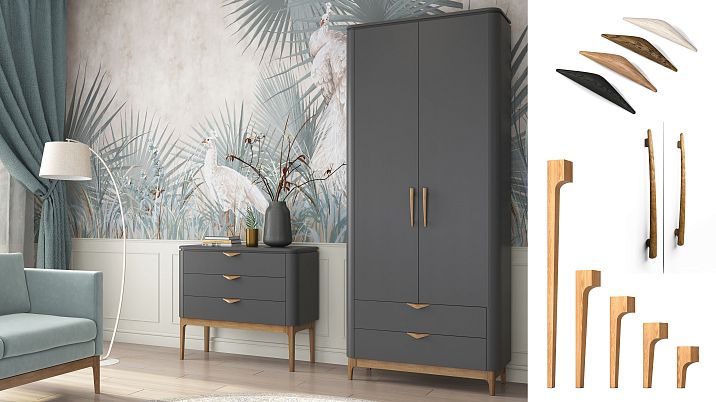
A home is not just walls and a roof over your head. It is a space where we rest, recover our strength, spend time with loved ones, celebrate important events, and experience difficult moments. Home Furnishing It is the art of creating a space that reflects your individuality, matches your lifestyle, and brings comfort every day. It is not just arranging sofas and chairs, but a whole philosophy of organizing living space.
In 2025, the approach to home furnishing has undergone significant changes. We observe an interesting balance between technology and nature, between functionality and aesthetics, between global trends and individuality. Let’s dive into the world of modern design and figure out how to create a home that not only meets current trends but remains comfortable and cozy for years to come.




Philosophy of Modern Living Space: Quiet Luxury and Conscious Comfort
If previously a home was perceived primarily as a place for rest and sleep, today it is a multifunctional space that must be simultaneously representative and cozy, technologically advanced and eco-friendly, stylish and comfortable.




From Showy Luxury to Conscious Elegance
One of the key trends of 2025 is the concept of 'quiet luxury.' This is a rejection of ostentatious wealth and flamboyance in favor of quality materials, thought-out details, and harmonious proportions. In a modern home, the value lies not in the quantity of expensive items, but in their quality, eco-friendliness, and authenticity.
This approach is evident in everything: from material selection (natural wood, stone, glass, metal) to color palette (natural, warm tones) and space organization (functionality, ergonomics, multifunctionality).
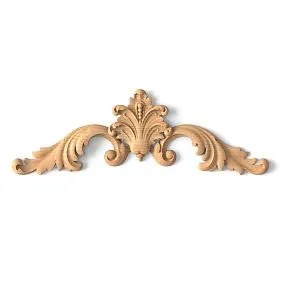
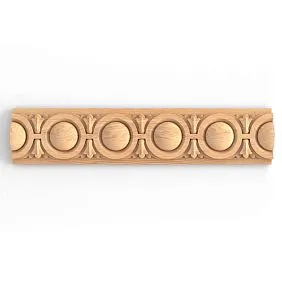
Our factory also produces:





Focus on Communication and Interaction
Another important aspect of modern home furnishing — creating a space that encourages communication and interaction. In the age of digital technology, when each family member is often absorbed in their gadget, it is especially important to organize an environment that stimulates live interaction.
This is reflected in the arrangement of furniture (for example, sofas and chairs are placed so that people can see each other), in organizing different activity zones (play area, reading zone, interaction zone), in using multifunctional furniture that can transform according to current needs.
Get Consultation
Proximity to Nature: Ecology and Naturalness
In 2025, the desire for ecology and proximity to nature has become not just a fashionable trend, but a conscious necessity. This is reflected in choosing natural materials (wood, stone, cotton, linen), using plants as an important interior element, and preferring natural color palettes.
Such an approach is not only aesthetically appealing, but also positively affects the psychological and physical health of the home’s inhabitants, creating an atmosphere of calm and harmony.
Current Trends in Home Furnishing for 2025
Modern interior design is characterized by diversity of forms, lines, textures, and shades. Let’s consider the main trends that define the appearance of homes in 2025.
Multi-functional zoning: one interior — multiple scenarios
In modern realities, a home often serves several functions: it is a place for rest, a workspace, a gaming zone, and even a sports corner. Therefore, proper zoning of space becomes especially relevant.
To divide a home into functional zones, various methods are used:
- Different materials and colors in zone decoration
- Multi-level lighting
- Furniture of different purposes
- Decorative partitions, shelves, screens
- Multi-level floors or ceilings
It is important to maintain the integrity and harmony of the space, so that the home does not appear fragmented and chaotic.
Minimalism with character: fewer items — more individuality
Minimalism remains one of the key trends in interior design, but in 2025 it takes on a new sound. It is no longer a sterile, impersonal space, but an interior with character, where each item has its own story and meaning.
Modern minimalism is characterized by:
- Clean lines and forms
- Absence of unnecessary details and decor
- Functionality of each element
- High-quality materials with expressive texture
- Thoughtful lighting
- Accent pieces that become the center of composition
This approach allows creating a space that looks simultaneously restrained and expressive, concise and individual.
Modular furniture: flexibility and adaptability
One of the most relevant trends in home furnishing has become modular furniture, which allows easily transforming the space depending on current needs.
Modular systems may include:
- Cabinets and walls
- Chests and Dressers
- Corner cabinets
- Sofas with separate sections
- Coffee tables
- Transformable furniture
Furniture with open shelves and grid bases is especially popular, creating a sense of lightness and airiness. Metal elements imitating precious metals (gold, silver), combined with wooden shelves, create a stylish and functional composition.
Textural diversity: tactile experience in interior design
In 2025, special attention is paid to textures and materials. The interior should not only be visually appealing but also tactilely engaging. This is achieved by combining various materials and surfaces: smooth and rough, matte and glossy, soft and hard.
Monochromatic interiors are especially interesting, where a single color palette is combined with multiple different textures, creating depth and dimension. For example, in a beige living room, one might combine velvet sofa upholstery, wooden table surfaces, ceramic vases, glass lamps, and metallic details.
Materials and colors: the foundation of an expressive interior
The choice of materials and color palette plays a key role in creating the atmosphere of a home. In 2025, preference is given to natural materials and natural shades, which create a sense of calm and harmony.
Natural materials: returning to the roots
In modern interiors, natural materials dominate, which are not only aesthetically pleasing but also eco-friendly:
- Wood is used both for making furniture and for wall, ceiling, and floor finishes. Especially prized are species with distinctive textures: oak, walnut, beech. Wood brings warmth and coziness to the interior, creating a connection with nature.
- Stone (granite, marble, quartzite) is often used for countertops, window sills, and decorative elements. It adds nobility and solidity to the interior.
- Glass creates an impression of lightness and airiness. Glass partitions, countertops, and shelves visually expand the space and make it brighter.
- Metal (brass, copper, bronze, black metal) is used for furniture frames, decorative elements, and lamps. It adds a modern sound and structural quality to the interior.
Combining these materials allows you to create a multifaceted, expressive interior with depth and character.
Color palette 2025: natural tones and warm accents
In the color palette of 2025, earthy, natural tones dominate, creating a sense of connection with nature and promoting relaxation:
- Various shades of green (from olive to emerald)
- Terracotta and brown
- Ochre and mustard
- Sand and beige
- Muted blue and turquoise
At the same time, monochromatic interiors are giving way to more complex color combinations, where neutral base tones are complemented by bright accents. An interesting trend is the use of gradients and smooth color transitions, which create a sense of movement and depth.
Textiles: the finishing touch in creating coziness
Textiles play an important role in creating a cozy atmosphere in the home. In 2025, the following are relevant:
- Curtains and blinds made of natural fabrics (linen, cotton, silk). They not only protect from sunlight and prying eyes but are also an important decorative element.
- Pillows and blankets of various sizes, shapes, and textures. They add color, texture, and comfort to the interior. In 2025, pillows with geometric patterns, abstract prints, or solid-colored textured fabrics are popular.
- Rugs help zone the space, add warmth and coziness, and improve room acoustics. Rugs with abstract patterns, geometric motifs, or minimalist style are in trend.
Lighting: creating atmosphere and mood
Lighting is one of the key elements in creating the atmosphere of a home. In 2025, there is a shift away from traditional overhead lighting in favor of multi-level lighting, which allows creating various lighting scenarios.
Layered lighting: different scenarios for different situations
The modern concept of home lighting implies creating several levels of light:
- Ambient lighting provides general illumination for the room. This may include recessed lights, wall sconces, or floor lamps.
- Accent lighting highlights individual interior elements: paintings, sculptures, architectural details. This is achieved using directional lights, spotlights, or track lighting systems.
- Decorative lighting creates mood and atmosphere. This may include LED strips, candles, string lights, or unusual designer lamps.
This approach allows changing the atmosphere of the home depending on the time of day and situation: bright light for work or play, dimmed light for rest and conversation, decorative lighting for creating a special mood.
Lamps as a design element
In 2025, lamps serve not only a functional but also a decorative role. They become an important design element, drawing attention and setting the style for the entire room.
Lamps made of natural materials (wood, ceramic, glass), as well as those with unusual shapes and textures, are popular. Designer models, which become true works of art, are especially interesting.
Technology in interior design: smart home and digital solutions
Modern technologies are increasingly penetrating our daily life, making it more comfortable, safe, and energy-efficient. Integrating technological solutions into home interiors is one of the key trends of 2025.
Smart systems: comfort and safety
Smart home systems allow automating numerous processes and remotely controlling various functions:
- Smart lighting allows creating various lighting scenes, automatically turning lights on and off, adjusting brightness and color temperature.
- Climate control maintains optimal temperature and humidity in the room, saving energy.
- Multimedia systems combine audio, video, and internet devices into a single network that can be centrally controlled.
- Security systems (cameras, motion sensors, smart locks) provide protection for the home and peace of mind for its occupants.
Integration of technology into design
It is important that technologies harmoniously fit into the overall design of the home without disrupting its integrity. For this, various methods are used:
- Hidden technologies: TVs that transform into paintings or mirrors when turned off, acoustic systems built into walls or ceilings, hidden projectors.
- Built-in technology: charging stations integrated into furniture, outlets that appear from the countertop upon pressing.
- Design-oriented technological solutions: smart mirrors with built-in displays, stylish speakers that look like decorative items.
Individuality in details: how to create a unique interior
Despite the existence of certain trends, each home must be unique, reflecting the individuality and lifestyle of its inhabitants. It is precisely the details that make an interior truly special and memorable.
Art and collections: personal history in interior design
Artworks, collections, and keepsakes fill the interior with personal history and make it truly unique. In 2025, authenticity and individuality are especially valued, so items that hold personal significance for owners become important interior elements.
These may be paintings, photographs, sculptures, vintage finds, travel souvenirs — everything that reflects the hobbies, memories, and values of the home’s inhabitants.
Plants: life and energy in the interior
Live plants not only purify the air and improve the microclimate, but also add life and energy to the interior. In 2025, the following are especially popular:
- Large plants in minimalist planters
- Vertical gardens and living walls
- Hanging plants
- Succulent compositions
- Cut flowers and branches in stylish vases
Plants are used not only as a decorative element but also as a way to zone space or soften architectural lines.
Furnishing various rooms: specifics and nuances
Each room in the house has its own purpose and requires a special approach to furnishing. Let's consider the specifics home furnishing for different functional zones.
Living Room: The Heart of the Home
Living room - this is a multifunctional space that often serves as a place for rest, a guest area, and even a home office. Key elements of living room furniture:
- Soft furniture: sofa and chairs - central elements of the living room, around which the entire composition is built. In 2025, models with soft, streamlined shapes are popular, creating a sense of coziness and security.
- Coffee table: a functional and decorative element that can become a striking accent in the interior. Modern models often have additional features: built-in storage drawers, adjustable height, transformable structure.
- Storage systems: cabinets, shelves, sideboards provide storage for necessary items and shape the appearance of the room. Modular systems are trending, which can be adapted to specific spaces and changing needs.
- Lighting: multi-level lighting creates different usage scenarios for the space. In addition to the main light source, it is important to provide local lighting for reading, working, and creating an atmosphere.
- Decorative elements: paintings, photographs, vases, cushions add personality and coziness. They can become striking accents in a neutral interior or support the overall color scheme.
Bedroom: territory of comfort and relaxation
The bedroom is a place for rest and recovery, so it is especially important to create an atmosphere of calm and comfort.
Main elements of bedroom furniture:
- Bed: the central element of the bedroom, the quality of which affects comfort and health. In 2025, special attention is paid not only to the design of the bed, but also to the quality of the mattress, which must correspond to the individual characteristics of the body.
- Nightstands: functional elements providing storage for necessary items within reach. Modern models may include built-in charging devices, lamps, and hidden compartments.
- Cabinet or wardrobe: storage systems for clothing and personal items. In modern bedrooms, built-in storage systems are increasingly common, which efficiently use space without creating a cluttered feeling.
- Makeup table: an element that adds functionality and individuality. Even in a minimalist interior, a makeup table with a mirror creates a special atmosphere and ensures convenience for daily rituals.
- Textiles: curtains, blankets, decorative cushions create a cozy atmosphere and complete the bedroom's look. When choosing textiles, it is advisable to prefer natural materials that are pleasant to the touch and do not cause allergic reactions.
Kitchen: functionality and aesthetics
The kitchen is not only a place for preparing food, but also a space for family gatherings and entertaining guests. Here, especially important is the combination of aesthetics and functionality.
Key elements of kitchen furniture:
- Kitchen unit: the foundation of the kitchen, including work surfaces, storage systems, built-in appliances. In 2025, matte facades in a minimalist style are popular, which not only create a sense of calm and harmony but also easily combine with any other decorative elements.
- Dining area: table and chairs, creating a comfortable space for eating and socializing. In small kitchens, the optimal solution will be a compact round table on one leg, which visually takes up less space and allows free movement around it.
- Storage systems: cabinets, shelves, pull-out systems for efficient space organization. Modern solutions include specialized organizers for dishes, cutlery, and kitchen utensils, helping maintain order and ensuring quick access to needed items.
- Appliances: refrigerator, stove, oven, dishwasher, microwave, and other devices that simplify daily life. Built-in appliances are trending, which harmoniously integrate into the overall kitchen design and do not disrupt the interior's integrity.
- Lighting: functional lighting for work zones and decorative lighting for the dining area. Properly organized lighting not only ensures comfort while preparing food but also creates a special atmosphere during family dinners.
Conclusion: creating a home that inspires
Creating an interior is not just about selecting furniture and accessories, but about forming a space that will influence your mood, productivity, and relationships with loved ones. Modern home furnishing is a balance between aesthetics and functionality, between trends and individuality, between technology and eco-friendliness.
Remember that the ideal home is not the one that looks like a magazine picture, but the one that reflects your individuality, matches your lifestyle, and makes you happier every day. Do not be afraid to experiment, mix styles, add bright accents, or, conversely, create a minimalist space — the main thing is that you feel comfortable and joyful in your home.
Investing time and resources into creating a harmonious living space is investing in your well-being and quality of life for many years to come. After all, a home is not just a place where we live — it is a space where memories are born, relationships are strengthened, and an atmosphere of happiness and harmony is created.


