Article Contents:
- The Philosophy of Decoration: More Than Just Ornamentation
- The Evolution of the Concept of 'Decoration'
- Psychological Impact of Decoration
- Moscow's Decoration Market: From Mass Market to Exclusive
- Specialized Decoration Stores
- Furniture Centers and Department Stores
- Online Stores: Convenience and Variety
- Secondhand Markets and Vintage Shops
- Key Elements of Decoration for Creating a Harmonious Space
- Textiles: Warmth and Coziness in Every Detail
- Lighting: play of light and shadow
- Art Objects: The Soul of the Interior
- Plants: Life and Energy
- Accessories: Details That Create Character
- Decorative Styles: Find Your Path
- Classic: timeless elegance
- Modern Style: Functionality and Clean Lines
- Eco-Style: Harmony with Nature
- Scandinavian style: bright simplicity
- Boho: Freedom of Self-Expression
- Color in the Interior: Psychology and Practice
- Psychological impact of color
- Stylistic Trends in Modern Decor
- Practical Tips for Choosing and Placing Decor
- The Principle of the Focal Point
- Balance and Proportions
- The Rule of Three
- Layers and Textures
- Personalization of Space
- Seasonal Decoration: Updating the Interior Throughout the Year
- Spring Decoration: Awakening and Renewal
- Summer Decoration: Brightness and Lightness
- Autumn Decoration: Coziness and Warmth
- Winter Decoration: Festivity and Magic
- Budget-Friendly Decoration: Stylish Solutions Without High Costs
- Savings Strategies
- Budget-Friendly Ideas for Updating Your Interior
- Conclusion: Creating a Harmonious Space Through Decoration
The space in which we live is not just walls, floor, and ceiling. It is a canvas for self-expression, a territory of comfort, a place of power. The interior of a home tells a story about its inhabitants — their tastes, habits, dreams, and aspirations. And the key role in this narrative is played by decorative elements, which, like precise brushstrokes of a master, complete the picture, making it truly alive and animated.
Over half a century of working in the field of interior design, I have observed how trends have changed, styles have emerged and disappeared, and approaches to space design have transformed. But one thing remained constant: the human desire to create around themselves an environment that is not only functional but also aesthetically appealing, filled with meaning and energy.
Today, with the truly boundless choice of decorative elements, it is especially important to understand how to create a harmonious space without turning it into a chaotic collection of disparate items. And no less important is to know, Decor where to buy in Moscowto acquire truly quality and stylish items that will delight the eye for many years.
In this article, I will share with you my long experience and tell you how to choose decorative elements, combine them with each other, create focal points and accents, as well as where to find unique items that will make your interior truly special.


Decor philosophy: more than just decoration
Decor is not just beautiful items arranged on shelves. It is the language your home speaks. It is a way to express yourself through the things surrounding you. It is the opportunity to create a space that emotionally and energetically supports you.




Evolution of the concept of 'decor'
Throughout human history, the approach to decorating homes has constantly changed. In ancient times, decorative elements often had a sacred significance, protecting the home from evil spirits or attracting prosperity. In the Renaissance, rich decoration demonstrated the owner's status and education. The Victorian era brought a love for abundant decorative elements, while modernism of the 20th century proclaimed the principle 'less is more'.
Today we observe a remarkable synthesis of various approaches. Modern decor can be minimalist or luxurious, traditional or avant-garde, but the main thing is that it must reflect the individuality of the owner and create an atmosphere in which comfort is felt by him alone.
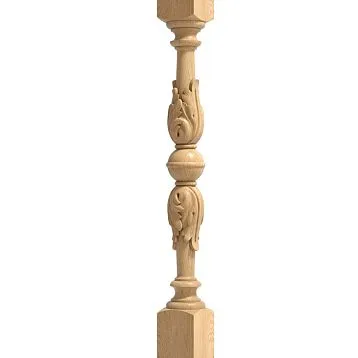
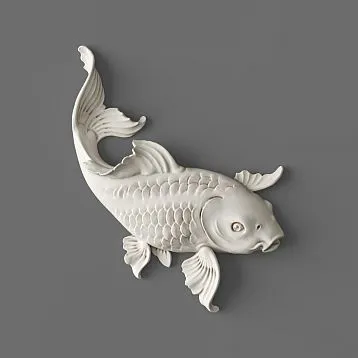
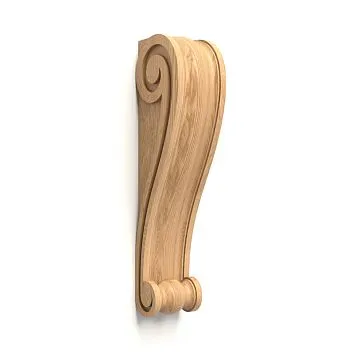
Our factory also produces:


Psychological impact of decor
Decorative elements affect our psychological state much more strongly than we can consciously realize. Colors, shapes, textures — all of this influences our subconscious, forming a certain mood and emotional background.
Warm tones create a sense of coziness and security, cool tones — spaciousness and freshness. Smooth lines calm, geometric forms stimulate intellectual activity. Natural materials give a sense of connection with nature, metallic surfaces add dynamism and modernity.
When you think about, Decor where to buy in Moscowit is important to consider not only the aesthetic aspect, but also what emotions certain items will evoke in you.
Get Consultation
Moscow decor market: from mass-market to exclusive
Moscow — a city of enormous opportunities, and this fully applies to choosing decorative elements for home. Here you can find everything: from affordable solutions for mass consumers to exclusive items created by renowned designers.
Specialized decor stores
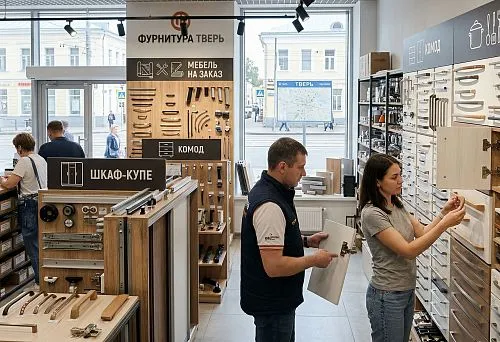
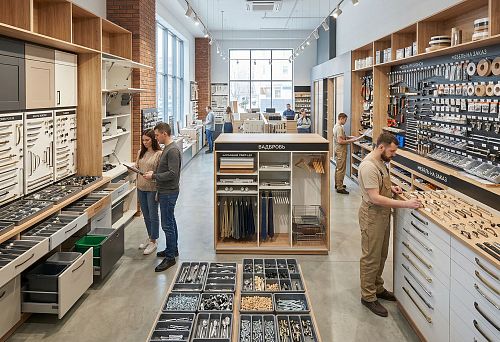
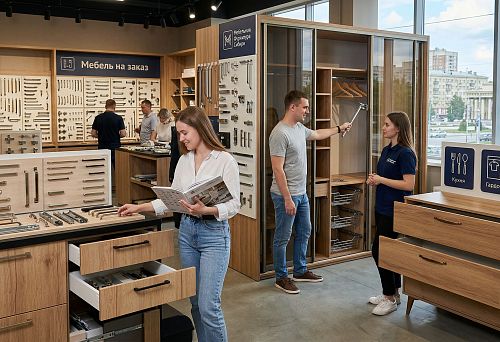
In the capital, there are numerous stores specializing exclusively in interior decorative elements. They offer a wide range of products in various styles and price categories.
Such stores usually have a thematic focus: some specialize in Scandinavian style, others in Eastern, and others in eco-solutions. This allows customers to quickly find what matches their taste and interior concept.
The advantage of specialized stores is a deep understanding of the subject and the opportunity to receive professional consultation. Here, people who truly know decor work and can provide valuable advice.
Furniture centers and department stores
Large furniture centers and department stores also offer a wide selection of decorative elements. Here you can find everything: from textiles and tableware to paintings and sculptures.
The advantage of such places is the ability to purchase everything needed for the interior in one place. You can choose furniture and immediately select suitable accessories, saving time and effort.
However, it should be remembered that in large centers the assortment is often oriented towards mass consumers, and finding truly unique items may be more difficult.
Online stores: convenience and variety
In the era of digital technology, online decor stores are gaining increasing popularity. They offer an enormous selection of products that can be ordered without leaving home.
The advantages of online shopping are obvious: 24/7 access to catalogs, ability to compare prices and features, convenient delivery. Moreover, online you can find unique items from artisans and designers around the world.
If you are wondering, Decor where to buy in Moscow For maximum convenience, pay attention to online stores with good reputation, detailed product descriptions, and high-quality photos.
Secondhand markets and vintage stores
For those seeking truly unique items with history, Moscow offers numerous secondhand markets and vintage stores. Here you can find real treasures: antique mirrors, porcelain figurines, vintage furniture, vintage posters.
Such places are a paradise for collectors and lovers of unusual items. However, searching here requires time, patience, and some experience to distinguish a truly valuable item from a fake.
Key decorative elements for creating a harmonious space
Creating a harmonious interior is about balancing various elements, each contributing to the overall picture. Let's consider the main components that will help you create a cohesive and balanced space.
Textiles: warmth and coziness in every detail
Textiles are perhaps the simplest way to transform an interior, adding warmth and individuality. Curtains, cushions, throws, rugs — all these elements not only serve practical purposes but also create a certain mood, add color and texture.
When choosing textiles, pay attention not only to color and pattern, but also to the quality of the material and its tactile properties. Natural fabrics — linen, cotton, wool, silk — are not only pleasant to the touch but also eco-friendly, which is especially important for creating a healthy microclimate in the home.
Lighting: play of light and shadow
Lighting is not just a functional necessity, but a powerful tool for creating an atmosphere. Properly chosen lighting fixtures can visually alter the proportions of a room, highlight architectural features, and create cozy zones for various activities.
Multi-level lighting is key to creating a flexible and comfortable lighting environment. Combine general lighting (chandeliers, ceiling fixtures), directional lighting (spotlights, track systems), and decorative lighting (table lamps, wall sconces, string lights, candles).
Art pieces: the soul of the interior
Artworks — paintings, sculptures, ceramics, photographs — are what give the interior individuality and depth. They can become a focal point of the space, set a color palette, reflect your interests and values.
You don't have to invest in expensive works by renowned masters. Works by emerging artists, handmade items, vintage finds — all of these can become a wonderful addition to your interior, provided they are chosen with love and understanding.
Plants: life and energy
Live plants are not just a decorative element, but full participants in the interior, bringing life, color, and movement. They purify the air, improve room acoustics, and create a connection with nature — especially important in an urban environment.
Choose plants that suit the conditions of your home (lighting, humidity, temperature) and your lifestyle. If you don't have time or skills to care for demanding varieties, opt for low-maintenance plants that will delight you with their greenery without requiring much effort from you.
Accessories: details that create character
Decorative accessories — vases, candle holders, figurines, boxes, photo frames — are the small details that make an interior feel alive and lived-in. They reflect your individuality, tell stories about your travels, hobbies, and values.
When choosing accessories, guide yourself not only by fashion trends, but also by your personal preferences. Items that evoke positive emotions and associations will create an atmosphere of comfort and joy in your home.
Decorative styles: find your path
The world of interior design offers many stylistic directions, each with its own philosophy, aesthetics, and distinctive features. Understanding the main styles will help you define your own preferences and create a harmonious space.
Classic: timeless elegance
The classic style embodies harmony, proportion, and symmetry. It is based on the architectural canons of antiquity and the Renaissance and is characterized by the use of natural materials, restrained color palettes, and elegant forms.
Features of a classic interior:
- Architectural elements: columns, pilasters, moldings, cornices
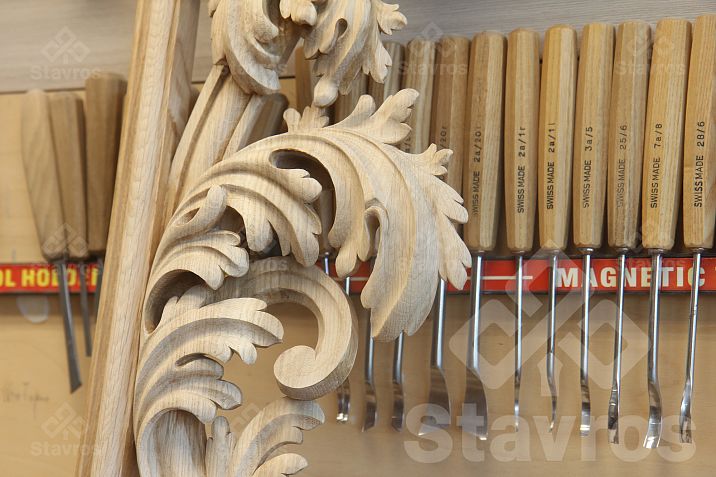
- Furniture made of precious wood with carved details
- Natural materials: marble, wood, bronze
- Symmetrical compositions
- Restrained color palette with accents of gold and silver
- Textiles with classic patterns: damask, stripes, floral motifs
Modern style: functionality and clean lines
Modern style (modernism) reflects our time, with its focus on functionality, technology, and eco-friendliness. It is characterized by clean lines, minimalism in details, and the use of innovative materials.
Key features of modern style:
- Open spaces, free layout
- Functional furniture with clear geometric shapes
- Natural materials combined with high-tech
- Neutral color palette with bright accents
- Minimal decorative elements, each with its own purpose
- Abundance of natural light, multi-level artificial lighting
Eco-style: harmony with nature
Eco-style is not just a design direction, but a philosophy of life based on respect for nature, striving for sustainable development, conscious consumption. It is characterized by the use of natural materials, natural colors, organic forms.
Main elements of eco-style:
- Natural materials: wood, stone, clay, linen, cotton, jute
- Natural color palette: shades of green, brown, beige, gray
- Abundance of live plants
- Maximum use of natural light
- Furniture and decor made from recycled or sustainably produced materials
- Minimalism in details, absence of unnecessary items
Scandinavian style: light simplicity
Scandinavian style is the embodiment of northern life philosophy, with its pursuit of light, simplicity, functionality. It is ideally suited for small spaces and regions with limited natural lighting.
Key features of Scandinavian style:
- Light color palette with predominance of white
- Natural materials, especially light wood
- Functional furniture with clean lines
- Textiles with geometric or natural patterns
- Minimalism in decor, each item has its own purpose
- Abundance of light, both natural and artificial
Boho: freedom of self-expression
Bohemian style (boho) is the embodiment of creative freedom, eclecticism, individuality. It is ideally suited for people with an artistic mindset, travelers, collectors of unusual items.
Key elements of boho style:
- Mixing of various styles, eras, cultures
- Vibrant colors, contrasting combinations
- Abundance of textiles: rugs, cushions, blankets, macrame
- Handmade items, vintage finds
- Plants in abundance, often in unusual containers
- Collections of travel items, souvenirs, artifacts
Color in interior design: psychology and practice
Color is one of the most powerful tools in a designer's arsenal. It can visually alter the proportions of a room, create a specific mood, and influence a person's physical and emotional state.
Psychological impact of color
Each color evokes certain emotions and associations:
- Red - energy, passion, excitement. Stimulates appetite and physical activity. In large amounts may cause aggression and anxiety.
- Orange - optimism, enthusiasm, creativity. Creates an atmosphere of celebration and social interaction. Well-suited for social areas.
- Yellow - joy, intellect, attention. Stimulates mental activity, but may cause fatigue with prolonged exposure.
- Green - nature, harmony, growth. Reduces tension and promotes concentration. Ideal for workspaces and relaxation areas.
- Blue - calmness, depth, trust. Lowers blood pressure and heart rate. Well-suited for bedrooms and bathrooms.
- Purple - luxury, spirituality, creativity. Stimulates imagination, but may create a sense of heaviness in large amounts.
- White - purity, spaciousness, freshness. Visually expands space, but may appear cold and sterile without warm accents.
- Black - elegance, power, depth. Visually reduces space, but adds drama and sophistication.
Color schemes and their application
There are several main types of color schemes that help create a harmonious combination:
- Monochromatic scheme - using various shades, tones, and saturation of one color. Creates a calm, elegant atmosphere.
- Analogous scheme - using adjacent colors on the color wheel. Creates a harmonious, balanced impression.
- Complementary scheme - using opposite colors on the color wheel. Creates a bright, dynamic contrast.
- Triadic scheme - using three colors equally spaced on the color wheel. Creates a rich, yet balanced palette.
- Split-complementary scheme - using one color and two adjacent to its complement. Creates contrast, but less intense than pure complementary schemes.
Practical tips for choosing and arranging decor
Decorating an interior is a creative process, but there are certain principles and rules that will help you create a harmonious and balanced space.
Principle of focal point
Every room should have a focal point - an element that draws attention and sets the tone for the entire interior. This could be a fireplace, artwork, unusual furniture, or architectural feature.
The rest of the decor should support and complement the focal point, not compete with it. Too many bright accents create visual noise and disharmony.
Balance and proportions
Decorative elements should match the scale of the room. Large items will look bulky in a small room, while small details will be lost in a spacious hall.
It is important to maintain balance among different decorative elements: colors, shapes, textures. Contrast creates interest, but should be harmonious. For example, a bright accent looks better against a neutral background, while a complex texture pairs well with smooth surfaces.
Rule of three
Decorative elements are better grouped in threes. This creates visual interest and dynamism. Groups can be made of items of different heights, shapes, colors, but united by a common theme or style.
For example, on a coffee table, you can place a vase, a stack of books, and a decorative box. On the wall - three paintings of different sizes, but in matching frames.
Layering creates depth and interest in the interior. Combine different textures: smooth and rough, shiny and matte, soft and hard.
For example, on a sofa, you can combine cushions made of different materials: velvet, linen, silk. On the wall - combine paintings, mirrors, decorative plates.
For example, on a sofa you can combine cushions made of different materials: velvet, linen, silk. On the wall - combine paintings, mirrors, decorative plates.
Personalization of space
The most important principle of decorating is creating a space that reflects your individuality. Include items in the interior that have personal significance to you: photographs, souvenirs from travels, family heirlooms, collections.
These items not only make the interior unique, but also create a sense of home, a place where you feel comfortable and safe.
Seasonal decor: updating the interior throughout the year
Changing seasons - a wonderful opportunity to refresh the interior, bring in fresh notes, reflect changes in nature. Seasonal decor helps maintain a connection with natural cycles and creates a sense of novelty without drastic changes.
Spring decor: awakening and renewal
Spring is the time of nature's awakening, and the interior should reflect this energy of renewal.
Elements of spring decor:
- Fresh flowers, especially spring ones: tulips, narcissus, hyacinths
- Light, sheer fabrics for curtains and textile accessories
- Pastel colors: soft pink, mint, lavender, light yellow
- Nature motifs: birds, butterflies, flowers
- Compositions of branches with first leaves or flowers
Summer decor: brightness and lightness
Summer is the time of brightness, light, and warmth. Summer decor should create a sense of freshness and spaciousness.
Key elements of summer decor:
- Vibrant, saturated colors: coral, turquoise, lemon yellow
- Natural materials: rattan, bamboo, sea grass
- Marine theme: seashells, coral, starfish
- Tropical plants: palms, monsteras, ficus
- Light fabrics made of natural materials: cotton, linen
Autumn decor: coziness and warmth
Autumn is the time when we begin spending more time at home, and the interior should create a sense of warmth and protection.
Recommended elements of autumn decor:
- Warm, earthy tones: terracotta, mustard, burgundy, olive
- Heavy textiles: velvet, wool, tweed
- Candles for creating warm, flickering light
- Compositions of autumn leaves, pumpkins, pinecones, acorns
- Aromatic elements with warm, spicy scents: cinnamon, cloves, orange
Winter decor: festivity and magic
Winter is the time of holidays and magic, when decor plays an especially important role in creating the atmosphere.
Winter decor elements:
- Festive colors: red, green, gold, silver
- Lights and other sources of soft, warm light
- Natural materials: pine, wood, cones
- Textiles with winter motifs: snowflakes, reindeer, Christmas trees
- Scented elements with winter scents: pine, cinnamon, vanilla
Budget decor: stylish solutions without big expenses
Creating a stylish interior does not necessarily require large financial investments. There are many ways to refresh the space with minimal costs.
Savings strategies
- Prioritization - determine key elements that are truly important for your interior, and invest in them. The rest can be replaced with more affordable alternatives.
- Gradual updating - do not try to change everything at once. Update your interior gradually, starting with the most noticeable elements.
- DIY projects - many decorative elements can be made yourself, which significantly reduces costs.
- Upcycling - give old items a second life by updating them with paint, new upholstery, or decoupage.
- Seasonal sales - plan major purchases during sales periods, when you can buy quality items at significant discounts.
Budget ideas for updating the interior
- Updating textiles - new cushions, blankets, curtains can completely change the perception of the space.
- Reorganizing furniture - sometimes it's enough to simply change the arrangement of items to make the space look fresh and new.
- Updating walls - painting one wall with an accent color, hanging wallpaper, or creating a gallery of photos and posters.
- Plants - live plants add life and color to the interior. Choose low-maintenance varieties that do not require special care.
- Lighting - new lampshades for existing fixtures, garlands, candles create a special atmosphere with minimal costs.
Conclusion: creating a harmonious space through decor
Decor is not just about decorating space; it's a way to create an environment that reflects your individuality, supports your emotional well-being, and makes your home truly yours. In this article, we considered various aspects of decorating: from choosing a style to the psychological impact of decorative elements, from seasonal updates to budget-friendly solutions.
Key principles to remember when creating decor:
- Authenticity - your home should reflect your individuality, your values, and your lifestyle. Do not blindly follow fashion trends if they do not resonate with your inner sense.
- Harmony - all decor elements should complement each other and the overall interior style. This does not mean everything has to be the same, but there should be visual connection between different elements.
- Functionality - decor should not only please the eye but also be practical. Each item should have its place and purpose.
- Evolution - the interior should not be static. It can and should change along with you, reflecting new stages of your life, new hobbies, and preferences.
- Mindfulness - choose decor consciously, considering its origin, eco-friendliness, and impact on the environment.
Creating a harmonious space is a process that requires time, attention, and a creative approach. But the result is worth the effort: a home that supports you, inspires you, and creates a sense of comfort and security.
When you ask yourself, Decor where to buy in MoscowRemember that it's not the quantity of items that matters, but their quality and significance to you. Choose what truly resonates with your soul, and your home will become a true reflection of your individuality.