Article Contents:
- Philosophy of a Holistic Approach to Interior Design
- Unity of Style as the Foundation of Harmony
- Ergonomics and Functionality: Invisible Comfort
- Psychological Comfort and the Impact of Interior Design on Mood
- Stages of Implementing a Comprehensive Approach to Furniture Arrangement
- Analysis of Needs and Lifestyle
- Space Planning and Zoning
- Style and Color Palette Selection
- Furniture and Accessories Selection
- Advantages of a Comprehensive Furnishing Approach
- Time and resource saving
- Harmony and Cohesion of the Interior
- Durability and Timelessness of the Interior
- Practical Recommendations for Implementing Comprehensive Furniture Arrangement
- Working with Professionals: Designers and Furniture Companies
- Budget Planning and Priorities
- Considering Room Characteristics and Lighting
- Balance between aesthetics and functionality
- Modern Trends in Comprehensive Furniture Arrangement
- Ecological and Natural Materials
- Individualization and customization
- Technological Innovations and Smart Furniture
- Minimalism and Functionality
- Comprehensive Furniture Arrangement for Different Types of Spaces
- Studio Apartments and Small-Sized Housing
- Spacious Apartments and Houses
- Offices and Commercial Spaces
- Conclusion: The Art of Creating a Harmonious Space
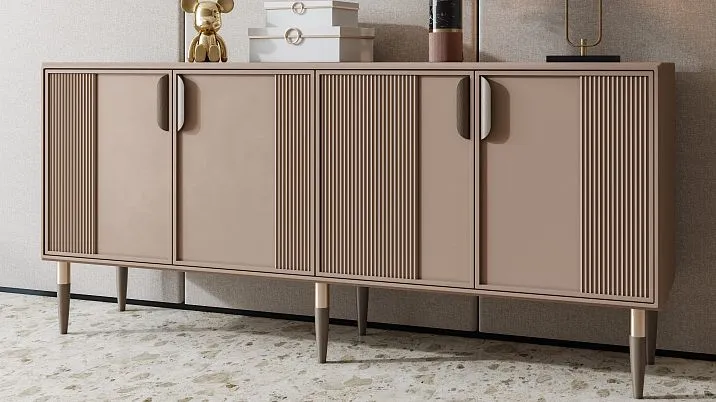
In the world of modern interior design, there are numerous approaches to furnishing living spaces. However, among all the variety of methods, a special place is held by comprehensive furniture arrangement – a holistic approach to furnishing spaces that allows you to create a truly harmonious and functional environment. This is not simply purchasing individual pieces of furniture, but a well-thought-out strategy that transforms your home into a single organism, where each element is in its proper place and performs a specific function.
Imagine a symphony orchestra, where each instrument plays in harmony with the others, creating a breathtaking melody. That’s exactly how comprehensive furniture arrangement – it unifies scattered items into a single composition that pleases the eye and makes life more comfortable. In this article, we will delve into the world of professional interior design approaches and reveal the secrets of creating a space that will delight you for many years.





Philosophy of a Holistic Approach to Interior Design
When we talk about creating an interior, it is important to understand that this is not simply a set of furniture placed in rooms. It is a complete philosophy of space organization that begins with understanding human needs and ends with creating an environment conducive to well-being and development.




Unity of style as the basis of harmony
solves this problem by offering a unified stylistic approach to all rooms. comprehensive furniture arrangement solves this problem by offering a unified stylistic approach to all rooms.
Style unity does not mean uniformity. It is rather a general concept that may vary depending on the room's purpose, yet retains common features, creating a sense of cohesion. For example, if you choose a Scandinavian style, all rooms will feature its characteristic elements: light tones, natural materials, functionality, and minimalism.
Our factory also produces:






Ergonomics and functionality: invisible comfort
One of the main advantages of a professional approach to furnishing is attention to ergonomics. Ergonomics studies the interaction between humans and surrounding objects and space. Properly organized space allows reducing physical strain, minimizing fatigue, and enhancing the efficiency of daily activities.
When planning interiors, designers consider numerous factors: height of tables and chairs, distance between furniture pieces, ease of access to frequently used items. For example, the height of the kitchen work surface should match the homeowner's height, and the distance between the sofa and coffee table should allow free leg extension while still enabling easy reach for a cup of tea.
Functionality is another important aspect. Each piece of furniture should not only look attractive but also serve a specific purpose. In modern interiors, multifunctional items are especially valued: convertible sofas, transformable tables, cabinets with built-in work zones. Such solutions are particularly relevant for small apartments, where every square meter counts.
Get Consultation
Psychological comfort and the impact of interior design on mood
Interior design affects our mood and well-being much more strongly than we think. Colors, shapes, textures — all of this influences our subconscious, evoking specific emotions and states. Professional comprehensive furniture arrangement takes these factors into account, creating a space that promotes psychological comfort.
For example, a bedroom should promote rest and relaxation, so it is appropriate to use calm, muted tones, soft textures, and smooth lines. Conversely, a home office should stimulate activity and concentration, achieved through brighter accents, sharp geometric forms, and functional space organization.
Stages of implementing a comprehensive approach to furnishing
Creating a harmonious interior is a process requiring sequence and attention to detail. Let’s consider the main stages that will help you implement a comprehensive approach to furnishing your home.
Analysis of needs and lifestyle
Before selecting furniture, it is necessary to analyze the needs of all family members and their lifestyle. Who lives in the house? What do they do? What are their hobbies and habits? Answers to these questions will help determine functional zones and their contents.
For example, if there are small children in the family, the furniture should be safe, with rounded corners and non-toxic materials. If someone works from home, a comfortable workspace must be provided. Book lovers will appreciate a cozy chair with good lighting, while those who frequently host guests will value a spacious living room with sufficient seating.
Space planning and zoning
After determining needs, you can proceed to space planning. At this stage, a plan for furniture placement is created, taking into account the room’s dimensions, window and door locations, and utilities. It is important to consider not only physical parameters but also the logic of space usage.
Zoning is the division of a space into functional zones. Even in a small apartment, you can designate areas for relaxation, work, dining, and storage. Zoning can be explicit (using partitions, different flooring) or implicit (using color, lighting, furniture arrangement).
Style and color palette selection
Choosing a style is one of the key moments in creating an interior. Style determines the overall atmosphere, furniture shapes, color palette, and decorative elements. There are many styles: from classic and Provence to minimalism and high-tech. Style selection depends on personal preferences, architectural features of the space, and practical considerations.
Color palette plays a crucial role in perceiving space. Light tones visually expand a room, while dark tones make it more cozy and intimate. When choosing colors, it is important to consider not only aesthetic preferences but also the psychological impact of color. For example, blue calms, yellow stimulates activity, green promotes concentration.
Furniture and accessory selection
Furniture selection is a process requiring attention to detail and understanding of the overall concept. Furniture should match the chosen style, be functional, and ergonomic. When selecting furniture, it is important to consider not only its appearance but also the quality of materials, structural reliability, and ease of use.
Accessories are the finishing touch that gives the interior individuality and character. Textiles, lamps, paintings, vases — all of this should harmonize with the main furniture and support the overall style. Accessories can be changed depending on the season or mood, allowing you to refresh the interior without major changes.
Advantages of a Comprehensive Approach to Furnishing
A comprehensive approach to furnishing has numerous advantages compared to purchasing individual furniture items. Let’s consider the main ones.
Time and resource savings
It seems that buying furniture individually should be more economical, as you can choose the most advantageous offers from different manufacturers. However, in practice comprehensive furniture arrangement it often proves more cost-effective in terms of price-to-quality ratio.
First, with a comprehensive approach, you save time searching for suitable furniture. Instead of visiting multiple stores and comparing endless options, you can entrust this task to professionals who already have experience and market knowledge.
Secondly, a comprehensive order often includes discounts and special terms from manufacturers. Moreover, you avoid additional costs for delivery and assembly from different suppliers.
Thirdly, a professional approach helps avoid mistakes and unsuccessful purchases. Designers take into account all nuances: from room dimensions to usage specifics, enabling the selection of optimal options right from the start.
Harmony and Integrity of the Interior
One of the main advantages of a comprehensive approach is creating a harmonious and cohesive interior. When all furniture items are selected within a unified concept, they form a single composition in which each element complements and highlights the strengths of others.
Harmony is achieved not only through stylistic unity but also through proper proportions, color and texture combinations. Professional designers know how to create a balance between various interior elements, making the space not only visually appealing but also comfortable for living.
Durability and Timelessness of the Interior
An interior created with a comprehensive approach remains current and attractive for a long time. This is achieved through the selection of quality materials, thoughtful design, and attention to detail.
Moreover, professional designers know how to create interiors that are not subject to rapid changes in fashion trends. They rely on classical design principles and the client’s individual preferences rather than fleeting trends, allowing them to create a space that will delight for many years.
Practical Recommendations for Implementing Comprehensive Furniture Layout
If you have decided to apply a comprehensive approach to furnishing your home, here are several practical recommendations that will help you achieve the best results.
Working with Professionals: Designers and Furniture Companies
Although it is possible to try planning the interior yourself, working with professional designers and furniture companies significantly increases the chances of success. Designers have experience and knowledge that enable them to create functional and aesthetically pleasing spaces.
When choosing a designer, pay attention to their portfolio and client reviews. It is important that their style and approach match your expectations. Equally important is establishing a good rapport with the designer, as you will be working closely together throughout the entire project.
Furniture Companies Specializing in Comprehensive Furniture Layoutoffer not only a wide range of furniture but also professional consultation on its selection and arrangement. They can propose ready-made solutions or create custom furniture, taking into account the specifics of your space and preferences.
Budget Planning and Priorities
Before starting the project, it is important to define the budget and set priorities. Which furniture items are most important to you? Where can you save, and where is it better not to economize? Answers to these questions will help distribute funds most effectively.
For example, if you spend a lot of time at your desk, it makes sense to invest in a quality ergonomic chair. If you value comfortable sleep, don’t economize on the bed and mattress. However, decorative elements can be chosen more affordably or even made by hand.
Remember that quality furniture is an investment in the future. It will last longer, be more comfortable to use, and maintain its attractive appearance for many years.
Considering the Features of the Room and Lighting
When planning the interior, it is important to consider the features of the room: its size, shape, window and door placement, ceiling height. These factors influence the choice of furniture and its arrangement.
For example, in small rooms, it is better to use light-colored, compact furniture, while in spacious rooms you can afford more substantial pieces. In rooms with low ceilings, prefer low furniture, while in rooms with high ceilings you can use tall wardrobes and shelves.
Lighting plays a crucial role in perceiving the interior. Properly selected lighting can visually expand the space, create a cozy atmosphere, and highlight the features of the furniture. When planning lighting, it is important to consider not only general lighting but also zone lighting, which allows creating different usage scenarios for the space.
Balance Between Aesthetics and Functionality
One of the key principles of a comprehensive approach to furnishing is the balance between aesthetics and functionality. Furniture should not only look good but also be convenient to use, meet the needs of the occupants and their lifestyle characteristics.
For example, a sofa in the living room should not only be a stylish interior element but also a comfortable place to relax. Kitchen furniture should provide convenience for food preparation and storage of products. Cabinets and chests should have sufficient storage space and be convenient to use.
When choosing furniture, pay attention to the quality of materials, structural reliability, and ease of use. Remember that even the most beautiful furniture will not bring joy if it is uncomfortable or quickly breaks down.
Modern Trends in Comprehensive Furniture Layout
The world of interior design is constantly evolving, with new materials, technologies, and trends emerging. Let’s consider some modern trends in the field of comprehensive furniture layout.
Eco-friendliness and natural materials
In recent years, an eco-friendly approach to interior design has gained increasing popularity. People strive to create a healthy and safe living environment by choosing natural materials and environmentally friendly technologies.
In the furniture industry, this is reflected in the use of natural wood, stone, glass, metal, and natural fabrics. Such materials are not only safe for health but also create a unique atmosphere of warmth and coziness that is difficult to achieve with artificial materials.
Moreover, an eco-friendly approach implies selecting furniture from manufacturers who care about the environment: using renewable resources, minimizing production waste, and applying safe material processing technologies.
Individualization and customization
Modern consumers increasingly value individuality and uniqueness. They want their homes to reflect their personalities, tastes, and preferences. In response to this demand, the furniture industry offers more and more customization options—creating furniture according to individual specifications and preferences.
Customization can involve various aspects: furniture dimensions, materials, colors, hardware, and functional features. For example, you can order a cabinet precisely to fit the niche in your apartment, choose a sofa upholstery color that perfectly matches your interior, or design a kitchen according to your culinary habits and preferences.
An individual approach allows you to create a truly unique interior that reflects your personality and matches your lifestyle.
Technological innovations and smart furniture
Modern technologies are increasingly penetrating the field of interior design. There is an increasing number of "smart" furniture equipped with various electronic devices and control systems.
For example, beds with adjustable positions and built-in massage systems, sofas with built-in gadget charging stations, kitchen sets with touch controls and built-in storage systems. Such furniture not only performs its primary functions but also offers additional features that make life more comfortable and convenient.
Technological innovations concern not only the functionality of furniture but also the process of its creation. Modern technologies allow creating furniture with complex shapes, using new materials and finishes, thereby expanding design and customization possibilities.
Minimalism and Functionality
In modern interior design, the minimalist approach is gaining increasing popularity, which implies the rejection of unnecessary details and a focus on functionality. This is especially relevant for city apartments, where every square meter counts.
Minimalist furniture is characterized by simple forms, absence of unnecessary details and decor, functionality, and ergonomics. It does not visually or physically overload space, creating a sense of openness and freedom.
Functionality is manifested in the multifunctionality of furniture: convertible sofas, transformable tables, cabinets with built-in work zones. Such furniture allows you to maximize space efficiency, adapting it to various usage scenarios.
Comprehensive furnishing for different types of rooms
Each room has its own characteristics and requires an individual approach to furnishing. Let's consider the specifics of comprehensive furnishing for different types of rooms.
Studio apartments and small apartments
Small apartments require a special approach to furnishing. Here, it is important to maximize the use of every square meter without overloading the space and preserving the feeling of openness.
For small apartments, multifunctional furniture is especially relevant: convertible sofas, transformable tables, cabinets with built-in work zones. Such furniture allows adapting the space to various usage scenarios: from sleeping and relaxing to working and entertaining guests.
Visual perception of space plays an important role. Light tones, glossy surfaces, mirrors—all of this helps visually expand the space. Proper zoning allows creating the feeling of separate rooms even in a small studio.
Spacious apartments and houses
Spacious rooms have their own challenges: how to fill the space without creating a sense of emptiness, yet without overloading it? How to create cozy zones in a large space?
In large rooms, you can use more substantial furniture, create separate functional zones using partitions, screens, and different floor coverings. Here, large sofas, spacious dining tables, spacious cabinets and chests are appropriate.
It is important to create a balance between open space and cozy zones. For example, in a large living room, you can create several zones: for watching TV, for reading, for socializing. Each zone should be functional and comfortable, yet all of them should harmoniously complement each other.
Offices and commercial spaces
comprehensive furniture arrangement Offices and commercial spaces have their own specific characteristics. Here, functionality, ergonomics, and creating a favorable working atmosphere take precedence.
Office furniture should be comfortable for work, promote concentration and productivity. It is important to consider the company's specific activities, number of employees, and characteristics of work processes.
Modern offices increasingly use the concept of open space—open areas where workstations are not separated by walls. This promotes communication and teamwork, but requires a special approach to space organization and furniture selection.
Commercial spaces (shops, restaurants, beauty salons) require special attention to design, as the interior is part of the brand and influences customer perception. Here, it is important to create an atmosphere that corresponds to the business concept and attracts the target audience.
Conclusion: the art of creating a harmonious space
comprehensive furniture arrangement It's not just buying furniture, but the art of creating a harmonious and functional space. It's an approach that requires attention to detail, understanding of design principles, and consideration of individual needs.
A professional approach to furnishing allows you to create an interior that will not only be beautiful but also comfortable for living, working, and relaxing. An interior that reflects your individuality and matches your lifestyle.
Regardless of the size of your home, your budget, and your stylistic preferences, a comprehensive approach to furnishing will help you create a space that will delight you every day and remain relevant for a long time.
Remember, a home is not just a place where we live; it is a space that affects our mood, well-being, and relationships with loved ones. Therefore, it is so important to approach its arrangement with care and love, creating not just a set of furniture items, but a harmonious environment for living and growth.