Article Contents:
- Origins of the Craft: Centuries-Old Traditions and Profound Wisdom
- Forming the Artistic Foundation in Woodworking
- Passing on Experience and the Significance of Continuity
- Technological Breakthroughs in the Digital Age
- Creative Challenge of Modernity
- Ecological Responsibility and Respect for Nature
- Depth of Traditions and Symbolism of the Crafted Items
- Aesthetic Value and Emotional Resonance
- Symbolism of Handcrafted Work and Personal Contribution
- Creative Experiments and New Approaches
- Local Production and Cultural Heritage
- The Role of the Workshop as a Creative Space
- Projections and Development Prospects
- New Horizons of Creativity
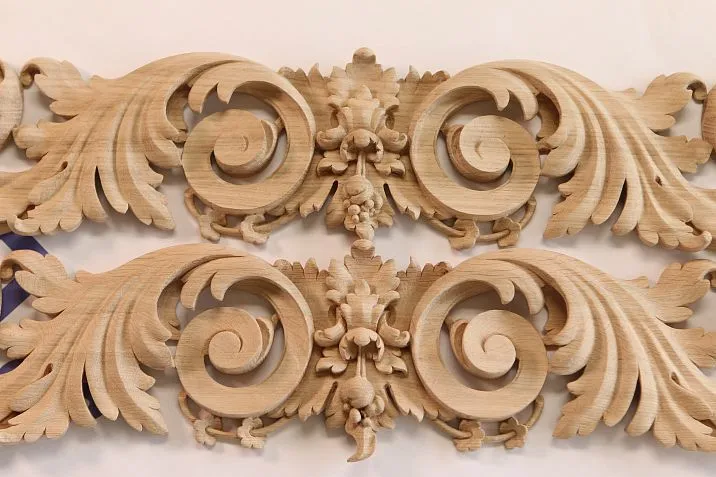
In the history of human civilization, working with wood has always been a symbol of deep connection with nature, inheritance from ancestors, and creative exploration. Masters devoted to the craft of processing solid wood have consistently sought to preserve eternal traditions while opening new horizons that allow their creations to remain relevant and sought after. Their art has been passed down from generation to generation, enriched by new techniques and approaches, yet always remaining faithful to its core purpose — to create unique works capable of winning the hearts of discerning audiences.


Origins of the Craft: Centuries-Old Traditions and Profound Wisdom




Forming the Artistic Foundation in Woodworking
The history of wood processing traces its roots to deep antiquity, when the first human tribes began to recognize the special value of natural materials. At that time, each tree was perceived not merely as a source of raw material, but as a living being possessing its own soul and character. The wisdom of ancestors was passed down through rituals and stories, in which it was explained how to properly handle this gift from nature. Craftsmen understood that within each trunk, within each curve, lay a story capable of recounting the greatness and fleeting beauty of the world.
In this atmosphere, genuine love for wood was born. Each plank, each knotted surface became an object of deep study, allowing masters to reveal hidden characteristics of the material and incorporate them into their creations. It was precisely this delicate approach to selecting and processing wood that enabled the creation of items in which aesthetics and functionality harmoniously coexisted, conveying the spirit of the time and the enduring nature of traditions.
Our factory also produces:


Passing on Experience and the Significance of Continuity
An essential part of the craft was oral and practical training, when each apprentice absorbed knowledge gained from senior masters. This process was not limited to mastering technical skills — it represented a deep immersion into the philosophy of working with natural materials. Masters taught not only methods of processing, but also how to feel wood, understand its mood and characteristics, so that, in the end, every created object could become not merely an item, but a true work of art.
By passing on their knowledge, masters inspired apprentices to pursue creative exploration, to seek new forms and modes of expression, while preserving the foundational principles of the craft. Thus, each new generation of craftsmen became a continuation of the great tradition, skillfully combining ancient wisdom with modern technologies.
Get Consultation
Modern Vision of Craft: Synthesis of Traditions and Innovations
Breakthrough of technologies in the digital age
Modern technologies, emerging due to scientific and technical progress, have significantly changed the approach to wood processing. Automated machines, laser cutters, and computer modeling allow achieving the highest precision and repeatability, making the manufacturing process faster and more efficient. However, true craftsmanship remains with those who know how to integrate new methods with ancient traditions, creating a product that has not lost its soul.
Creative challenge of the modern era
Creative Challenge of the Modern Era
The modern world requires artisans not only to know how to work with materials but also to constantly seek new forms of self-expression. Each new project becomes a test in which one must find a balance between functionality and artistic expression. In the context of global changes and rapid technological development, true artisans strive to preserve their individuality, not allowing machines to replace the subtle human gaze and intuition.
This struggle between tradition and innovation gives rise to unique creative solutions capable of winning the trust and recognition of the audience. It is precisely under such conditions that projects are born that can be called true works of art. Artisans who prefer handcrafted work often state that they craft wooden items in which every line and curve is infused with the energy of the past and directed toward the future.
Ecological responsibility and respect for nature
The question of ecology today occupies a central place in the life of society. Artisans working with solid wood understand that their activity is inseparably linked to the environment. In the context of global ecological challenges, it becomes especially important to treat nature with care, responsibly use resources, and strive for sustainable development.
Working with wood requires not only a creative approach but also strict adherence to ecological standards. Each artisan selects materials, taking into account their origin, quality, and impact on the environment. Such an approach allows creating items that not only please the eye but also serve as an example for those who strive to live in harmony with nature.
Philosophy of craftsmanship: emotional and cultural heritage
Depth of traditions and symbolism of items
Wood has always been a symbol of eternal life, the wisdom of ancestors, and the power of nature. Every object created by an artisan carries not only practical function but also deep cultural meaning. Solid wood items become not just household objects, but true monuments of craftsmanship, reflecting traditions passed down from generation to generation.
Through centuries, an unchanging bond between the artisan and their creation has persisted. Every item, whether furniture, decorative element, or utilitarian object, tells its story — the story of persistent labor, striving for perfection, and eternal love for nature. This story is conveyed through every scratch, curve, and wood texture, making the items truly unique and irreplaceable.
Aesthetic value and emotional resonance
The artistic value of solid wood items lies not only in their visual appeal but also in their ability to evoke deep emotions. Artisans infuse their work with a part of their soul, striving to create a product capable of touching the heart and leaving an indelible mark in the viewer’s memory. The delicate combination of natural forms, natural textures, and skillfully executed details becomes the foundation for creating true works of art.
Inspiration drawn by artisans from nature is reflected in every detail of their work. Even in the modern world, full of technological innovations, the art of wood processing remains a symbol of eternal beauty and harmony. Those who value true craftsmanship are able to perceive the profound essence even in the simplest item, created with love and respect for traditions.
Symbolism of handcrafted work and personal contribution
The artisan’s handcrafted work is not merely a collection of technical operations, but a true creative process in which every detail matters. Artisans who dedicate their lives to craftsmanship perceive their work as an opportunity to express their individuality and leave a mark in history. Each item they create becomes a reflection of their personal worldview, professionalism, and boundless love for their craft.
In the context of rapid technological development and mass production, handcrafted work retains its unique value. Items created with the involvement of experienced artisans possess an irreplaceable aura that cannot be replicated or automated. That is why many connoisseurs of true art prefer to purchase items where one can feel the warmth of the artisan’s hands, their attention to every detail, and deep respect for nature. For example, when choosingcraft wooden items, they receive not just a product, but a true work of art, encompassing the full force of traditions and the spirit of the times.
Modern trends in craftsmanship: from idea to realization
Creative experiments and new approaches
Modern artisans are not afraid to experiment, opening new horizons in wood processing. Inspired by both ancient traditions and modern scientific and technological achievements, they seek ways to make their creativity even more expressive and original. Each new item becomes the result of careful experimentation, using both classical methods and modern innovations. Such a synthesis allows creating objects capable of surprising even the most seasoned connoisseurs of craftsmanship.
In this process, artisans often turn to nature for inspiration. They study its forms, rhythms, and dynamics, allowing natural beauty to become a source of new ideas. It is precisely such a creative challenge that stimulates the development of craftsmanship, making it relevant and in demand in the modern world.
Local production and cultural heritage
In the context of globalization, many artisans increasingly return to their roots, striving to preserve the unique features of local craftsmanship. Each item created using traditional methods becomes not only a symbol of high quality but also a reflection of the rich cultural history of the region. Local traditions passed down from generation to generation find their embodiment in every work, creating a bridge between the past and the present.
Items created based on local traditions possess special aesthetic value. They tell stories of the richness of culture, history, and spiritual values of the people, becoming true works of art capable of uniting people of different generations. Such an approach allows artisans not only to preserve the craft heritage but also to introduce modern ideas into it, making the items relevant and in demand on the global market.
The role of the workshop as a creative space
The artisan's creative workshop is a place where ideas are born and dreams are realized. Here, amidst the scent of fresh wood, the sound of chiseling and the quiet whisper of tools, creations are made that inspire and astonish. Each workshop is a unique world, where time seems to stand still, yielding to pure creative impulse and deep respect for nature.
Artisans working in their workshops do not merely create objects; they engage in an ongoing dialogue with the material, allowing it to reveal its true essence. In this process, every detail, every stroke becomes part of a greater harmony, transforming woodworking into true art. This approach enables artisans to achieve the highest level of craftsmanship, making each piece not only beautiful but also imbued with profound meaning.
The Evolution of Craft: A Look to the Future
Projections and Development Prospects
The future of woodworking based on solid wood processing appears inseparably linked to respect for traditions and a drive for innovation. Artisans understand that to maintain the relevance of their craft, they must constantly adapt to new challenges without losing their unique identity. In the context of global changes and technological advancements, true artisanal art is capable of bridging the past and future, creating pieces capable of enduring the test of time.
Modern trends indicate growing demand for items created with the involvement of experienced artisans. Buyers increasingly choose unique, handcrafted pieces that not only decorate interiors but also tell stories infused with the spirit of tradition and the pursuit of perfection. In this context, artisans who produce wooden items become not merely manufacturers, but true custodians of cultural heritage, capable of conveying wisdom and beauty of artisanal art to future generations.
New Horizons of Creativity
In the context of rapid technological development, new opportunities for creativity emerge. Artisans increasingly experiment with forms, materials, and techniques, allowing their imagination to fully unfold. The combination of traditional methods with modern technologies enables the creation of pieces capable of astonishing with their originality and depth. Each new work becomes the result of careful exploration and experimentation, in which the artisan strives to uncover previously unexplored facets of beauty and functionality.
This creative quest often leads to the emergence of unique collections that become true works of art. Each piece, created with love and attention to detail, acquires its individuality, reflecting not only the artisan’s professionalism but also their personal vision of the world. It is precisely such works that can earn the trust and respect of audiences, opening new possibilities for the development of craftsmanship.
Conclusion: Eternal Pursuit of Perfection
Woodworking based on solid wood processing is not merely a craft production, but true art, in which every detail is imbued with deep meaning and eternal beauty. Artisans who dedicate their lives to this craft skillfully combine ancient traditions with modern innovations, creating pieces capable of enduring the test of time and winning the hearts of true connoisseurs of craftsmanship.
Each object created through painstaking effort becomes not only a functional interior element but also a piece that tells a story, absorbing the wisdom of ancestors and the pursuit of perfection. Artisans who choose the path of creativity understand: true art lies in the ability to see beauty in the simple, in the capacity to transform the ordinary into something extraordinary.
In a world where technology and mass production often replace individual approaches, items created with the involvement of true artisans become symbols of quality, warmth, and sincerity. Those who choose wooden items crafted by hand gain the opportunity to touch a timeless source of inspiration, feel the energy of nature, and understand that true value lies not only in the material but also in the spiritual.
The future of craftsmanship depends on those who are willing to move with the times without forgetting their roots and deep traditions. True mastery is born where ancient wisdom intertwines with the drive for innovation, where every new idea becomes a continuation of a great history begun by ancestors. Artisans continue to create, inspire, and produce, passing on their knowledge and love for craftsmanship to future generations.
Thus, the art of working with solid wood remains an unshakable element of cultural heritage, capable of uniting the past, present, and future. This art, in which every detail matters, every texture has its own story, and every line possesses its own soul. Artisans who dedicate their lives to this great endeavor become keepers of eternal traditions, capable of conveying wisdom and beauty, incomprehensible to ordinary perception, through their creations.
Thus, craftsmanship based on solid wood processing represents a unique blend of ancient traditions and modern innovations, capable of inspiring and winning the hearts of those who value true mastery. Artisans who choose the path of creativity do not merely create objects—they give a piece of their soul, transforming the ordinary into a work of art capable of telling the story of time, culture, and eternal pursuit of perfection.
In an age of technological change, where automation often displaces manual labor, true craftsmanship remains a bastion of sincerity and deep connection with nature. Every item crafted with attention to the finest details becomes not only a functional object but also a symbol of eternal beauty, capable of enduring time and preserving its uniqueness. May traditions passed down from generation to generation continue to inspire artisans to new achievements, and items created with love and respect become true works of art, capable of bringing light and warmth into people’s hearts.
In the age of technological change, where automation often displaces manual labor, true craftsmanship remains a bastion of sincerity and deep connection with nature. Every item crafted with attention to the finest details becomes not only a functional object but also a symbol of eternal beauty, capable of enduring time and preserving its uniqueness. May traditions passed down from generation to generation continue to inspire artisans to new achievements, and items created with love and respect become true works of art, capable of bringing light and warmth into people's hearts.