Article Contents:
- History of Wood Use in Architecture and Design
- Advantages of Natural Wood Materials in Modern Construction
- Processing Technologies and Innovative Approaches in Wood Product Manufacturing
- Economic Aspects and Quality of Wood Products
- Influence of cultural traditions on modern design
- Diversity of Applications of Natural Materials
- Sustainability and Renewability as Priorities of Modernity
- Innovative Approaches and New Technologies
- Problems and Ways to Overcome Them
- The Role of Education and Awareness in Promoting Natural Materials
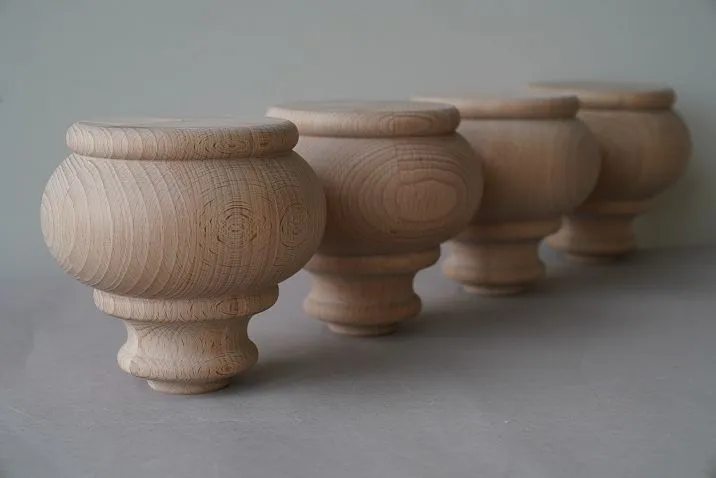
In today's world, where technological progress often casts doubt on the significance of traditional materials, wood remains an unchanging symbol of naturalness, warmth, and strength. In this article, we will thoroughly examine the history, evolution, ecological significance, and modern challenges associated with the use of wood in architecture, design, and manufacturing. The text is written with a challenge and at the same time with careful respect for the past, aiming to win the trust of both skeptical specialists and those seeking aesthetic harmony in their surroundings.


History of Wood Use in Architecture and Design
Wood has been the primary building material for humanity for centuries. Since ancient times, people have used wood to construct dwellings, make furniture, create artistic objects, and even as a source of fuel. Early civilizations, recognizing the unique properties of wood, sought to fully exploit its potential, employing diverse processing technologies and methods of joining elements.




Advantages of Natural Wood Materials in Modern Construction
One of the main reasons why wood remains in demand today is its natural ability to 'breathe'. Naturalwood materials possess unique physicochemical properties capable of regulating humidity levels in rooms, significantly improving the microclimate. In the context of rapid urban growth and constant changes in climatic conditions, wood demonstrates high resistance to temperature and humidity fluctuations. Despite its apparent fragility, with proper care, it can last for more than a hundred years while remaining aesthetically appealing.
In addition to these advantages, wood has high thermal insulation properties, making it indispensable in regions with harsh winters. When properly processed and protected from pests, wooden products maintain their structural integrity even with prolonged use. Modern manufacturers, relying on traditional processing methods, introduce innovative technologies, enabling the creation of products of the highest quality and durability.
Our factory also produces:


Ecological Significance and Sustainability of Wooden Structures
Ecological aspects of using natural materials are becoming increasingly relevant in light of global environmental challenges. Wood is a renewable resource that, with proper harvesting practices, can serve as the basis for creating environmentally clean and sustainable structures. Today, as environmental preservation becomes a top priority, naturalwood materials materials acquire special value.
Get Consultation
Processing Technologies and Innovative Approaches in Wood Product Manufacturing
Modern industry is not standing still, and traditional wood processing methods are gaining new life through the introduction of innovative technologies. Today's manufacturers combine centuries-old traditions with cutting-edge scientific achievements, allowing them to optimize production processes and improve the quality of the final product. The use of computer modeling for developing new forms and structures makes products not only functional but also aesthetically appealing.
Innovative processing methods allow achieving maximum efficiency with minimal environmental impact. For example, using laser cutting, ultrasonic welding, and other modern technologies significantly increases the precision and quality of wood processing. As a result, products become not only durable but also safe for health, as they do not require aggressive chemical compounds.
Modern technologies allow significantly reducing waste during product manufacturing, which is another important argument in favor of their ecological sustainability. Production lines equipped with the latest technology ensure minimal negative impact on the environment, which is especially important in the era of ecological crisis.
Critical Perspective: Challenges and Prospects in the World of Natural Materials
Despite obvious advantages, the use of wood faces a number of challenges, both technological and economic. Critics note that the wood processing process requires highly skilled labor and continuous updating of technological infrastructure. This creates certain difficulties for manufacturers, especially under conditions of global competition and rising market demands.
Economic Aspects and Quality of Wood Products
The economic efficiency of using wood directly depends on multiple factors: raw material costs, energy consumption, and logistics. While naturalwood materials possess undeniable advantages in terms of ecological and aesthetic qualities, their cost is often higher than that of synthetic analogs. This becomes a serious barrier to the widespread adoption of wood products in mass production.
However, the high price is often justified by the quality and longevity of the final product. In conditions where consumers increasingly value uniqueness, eco-friendliness, and individuality, wood products gain particular appeal. Proper use of natural materials allows creating products that not only please the eye but also possess high functionality.
Here, both processing technologies and specialists' self-education play a key role. Deep understanding of wood properties, knowledge of processing methods, and ability to apply modern technological solutions enable achieving the highest product quality. In the context of global competition, both innovative solutions and time-tested traditional methods are important.
Particular attention deserves an approach based on the principles of "lean production." This is not merely a fashionable trend, but a conscious strategy aimed at optimizing processes, reducing costs, and minimizing waste. Such an approach not only improves product quality but also makes it more accessible to end consumers. Modern quality control systems and automated production lines ensure consistent product characteristics and compliance with international standards.
Tradition and Modernity: Synthesis of the Past and the Future
Wood is a material with a soul. Every item made from this natural material carries within it history, traditions, and the experience of generations of craftsmen. Modern designers and architects increasingly turn to natural materials, striving to preserve this unique connection with the past, without forgetting the technological possibilities of the future.
Influence of Cultural Traditions on Modern Design
The cultural heritage of many peoples is closely linked to the use of wood in daily life and crafts. In every culture, one can find examples where wood was used not only as a construction material but also as a means of expressing national identity. Modern woodworkers often draw inspiration from traditional crafts, combining them with the latest processing technologies and contemporary design solutions.
Such an approach allows creating items possessing unique aesthetic and functional qualities. By applying innovative methods, specialists achieve not only high strength and durability of products but also their visual appeal. As a result, wood products become an indispensable part of modern interiors, highlighting the individuality of space and creating an atmosphere of comfort and harmony.
Modern interior design trends involve active use of natural materials. The growing consumer interest in eco-friendly and sustainable products indicates that mass production, often compromising product quality, is giving way to handcrafted items. This is a conscious effort to reintroduce the human element into production, valued for its uniqueness and high craftsmanship.
Diversity of Applications of Natural Materials
Naturalwood materials are used not only in traditional construction but also in the most unexpected industries. From crafting exclusive furniture to creating complex decorative elements in interiors — wood remains a universal and indispensable material. Modern architects actively use wood for building façades, creating unique compositions that attract attention and inspire admiration.
Another aspect worth attention is the use of wood in industrial design. Modern technologies allow creating items combining high functionality and aesthetic refinement. Such an approach not only meets the needs of the modern market but also preserves traditional processing methods and crafts. In the context of global competition, wood products become a marker of quality, reflecting both technological capabilities and the richness of cultural heritage.
Ecological Responsibility: Looking to the Future
The modern world cannot exist without constant search for balance between technological progress and preservation of natural resources. Using natural materials becomes one of the foundations of sustainable development aimed at preserving ecology and minimizing negative environmental impact. In the context of global ecological challenges, wood products represent not just decorative elements but an important factor contributing to improving quality of life.
Sustainability and Renewability as Priorities of Modernity
The renewability of wood, its biological degradability, and minimal environmental impact make it an ideal material for creating ecologically clean structures. Applying modern technologies and processing methods allows achieving not only high efficiency in wood use but also significant reduction of harmful emissions. Such an approach enables constructing buildings and creating products that meet the strictest international ecological safety standards.
In the context of growing ecological problems, consumers increasingly prefer products made according to sustainable development principles. This is not only economically beneficial but also contributes to preserving biodiversity and improving the quality of life for future generations. That is why specialists pay special attention to developing new technologies that allow optimizing production processes and minimizing environmental impact.
Innovative Approaches and New Technologies
Modern manufacturers are not limited to traditional wood processing methods. Implementation of digital technologies, automated quality control systems, and "lean production" methods opens new horizons in processing natural materials. Application of advanced technologies allows creating products that meet even the highest demands of the modern market while remaining true to ecological principles.
One vivid example of synthesizing tradition and innovation is the use of modern materials in combination with wood to create hybrid structures. Such items combine the strength, lightness, and aesthetic appeal of natural material with the high performance characteristics of modern composites. The result — unique solutions capable of meeting the needs of the most demanding consumers as well as professionals in design and architecture.
Experimental Perspective: From Criticism to New Possibilities
The modern market of natural materials cannot do without critical analysis of existing approaches. Each new challenge requires a conscious reevaluation of production and wood usage methods. It is important not only to acknowledge achievements but also to honestly address difficulties and potential risks.
The ambiguous assessment of wood usage is associated with a number of factors, including high raw material costs, labor-intensive traditional processing methods, and the need for continuous quality control. Many experts argue that, despite obvious advantages, the market for natural wood products
faces significant economic and technological challenges. Instead of focusing on criticism, professionals seek ways to optimize processes and introduce new technologies.wood materials A key aspect of successfully overcoming these problems is enhancing specialists' qualifications and actively integrating innovative methods into production. Only a comprehensive approach, combining traditional craftsmanship with modern technological solutions, can ensure the stable development of the industry and meet consumer demand for high-quality products.
It is necessary to consider factors of global competition, where the quality and uniqueness of wooden products often become decisive in the competition for consumers. Hence, there is a need for continuous improvement of production processes, which requires not only technical knowledge but also a creative approach. Only through experimentation and implementation of new solutions can a harmonious combination of traditions and modern market requirements be achieved.
Global competition factors must be considered, where the quality and uniqueness of wooden products often become decisive in the battle for consumers. Hence, there is a need for continuous improvement of production processes, which requires not only technical knowledge but also a creative approach. Only through experimentation and implementation of new solutions can a harmonious balance between traditions and modern market demands be achieved.
The Role of Education and Enlightenment in Promoting Natural Materials
It is impossible to overestimate the value of education and enlightenment work in the field of using natural materials. Modern specialists must possess deep knowledge not only in the field of technologies but also in philosophy, history, and ecology. Such a comprehensive approach allows creating products that not only meet market needs but also contribute to developing a culture of consumption based on respect for nature.
Educational programs, courses for professional development, and seminars on wood processing are becoming increasingly popular. They help not only transmit knowledge about traditional woodworking methods but also integrate modern technologies into production processes. As a result, professionals gain the opportunity not only to preserve cultural heritage but also to implement innovative solutions that contribute to industry development.
Conclusion: The Path to Harmony with Nature Through the Art of Woodworking
Naturalwood materials remain indispensable in the modern world, where the pursuit of ecological purity and conservation of natural resources has become a top priority. History, traditions, and innovative technologies in wood processing demonstrate that this material can meet even the highest demands of modernity. Economic and technological challenges require specialists not only deep knowledge but also a creative approach to problem-solving.
The pursuit of perfection in producing wooden items is not merely an attempt to preserve ancient traditions but also a conscious striving for harmonious interaction with nature. In the context of rapid changes and continuous technological progress, it is important to remember our roots, connecting us with the past, and principles that help build the future on a solid foundation of knowledge and experience.
Modern technologies integrated with age-old traditions allow creating items that not only delight the eye but also serve for many years, remaining symbols of durability, aesthetics, and ecological responsibility. Every specialist working with natural materials must recognize the importance of their work and strive for continuous improvement. Indeed, this is the secret to success — the ability to combine the old and the new, traditions and innovations, art and science.
With the right approach, wooden items can become not only decorative elements but also an important component of a healthy and ecologically clean life. They remind us that nature possesses boundless wisdom, and a person who knows how to work with its gifts can create true works of art reflecting the beauty and diversity of the world.
Thus, the future of natural materials depends on our ability to respect the past, use modern technologies, and strive for harmony with the environment. We stand at the threshold of a new era, when every wooden item becomes not merely an object of consumption but a symbol of conscious choice in favor of quality, ecological soundness, and durability.
Let traditions and innovations go hand in hand, enabling the creation of unique solutions capable of transforming not only interiors but also the lifestyle of modern people. We invite everyone who values high quality, aesthetics, and respect for nature to pay attention towood materialsfor they open up new opportunities for creativity, inspiration, and conscious choice in favor of true beauty.
In conclusion, we would like to emphasize that the art of working with wood is not merely a craft but a way of life, an expression of philosophy respecting nature and striving for perfection. We hope this text inspires you to new achievements, helps you discover the inexhaustible riches of this wonderful material, and convinces you that traditions can always remain relevant when properly combined with innovations and modern technologies.
With every conscious choice of materials, we lay the foundation for the future, where quality, aesthetics, and ecological responsibility go hand in hand. May every innovation introduced into the process of working with wood become a step toward creating beautiful, durable, and eco-friendly items capable of changing the appearance of the modern world.
In the context of rapid technological development and continuous updating of production processes, it is important to remember that every detail, every wooden item carries within it a history absorbed over centuries of traditions and the experience of masters. Only a conscious approach to the creation process, deep understanding of wood properties, and respect for nature can ensure true quality and durability of the product.
If you aim to create unique projects, do not stop at what has been achieved — seek new approaches and be inspired by ideas embedded in the history of wood processing. May your creativity be bold, and your solutions innovative, for only in this way can you earn the trust of your audience and prove that true craftsmanship is possible only through the combination of traditions with modern technologies.
In the era of global changes and ecological crisis, it is important to recognize the value of naturalwood materialsThey are capable not only of inspiring but also of creating conditions for healthy and harmonious life, allowing each individual to contribute to preserving nature for future generations.
Be bold, do not fear experimenting and introducing innovative approaches into traditional craftsmanship. Your responsibility to society and nature begins with choosing high-quality, ecologically clean materials capable of changing the appearance of the modern world. Recognize that true art lies in the harmony between the past and the future, tradition and innovation, and may this path lead to new discoveries and achievements.
May every decision and every innovation introduced into the process of working with wood become a step toward creating not only beautiful but also strong, durable, and eco-friendly items. After all, our ability to combine advanced technologies with deep love for nature determines the quality of the future, and every item created with soul and responsibility becomes a reflection of our shared mission — to preserve and multiply the wealth bestowed upon us by nature.
Thus, the art of wood processing remains a powerful tool for creating unique and durable items. By combining ancient traditions with modern innovations, we build a future in which
play an important role in ensuring ecological soundness, aesthetics, and quality. May this path inspire you to new achievements and help you discover new horizons in the world of natural materials and advanced technologies.wood materials Play an important role in ensuring ecological safety, aesthetics, and quality. May this path inspire you to new achievements and help you discover new horizons in the world of natural materials and advanced technologies.