Article Contents:
- Philosophy of Modern Interior Design: Cozy Minimalism and Personalization
- From Cold Minimalism to Warm Functionalism
- Personalization: Uniqueness in Every Detail
- Current Trends in Room Furnishing for 2025
- Smooth Lines and Rounded Forms: Returning to Nature
- Dark Wood: Depth and Character
- Japandi: Harmony of East and North
- Ergonomics and Functionality: The Foundation of a Comfortable Space
- Correct Furniture Arrangement: Three Approaches to Space Organization
- Symmetrical Approach
- Asymmetrical Approach
- Circular Approach
- Optimal Storage: Order Without Effort
- Multifunctional furniture: space-saving
- Materials and Colors: Foundation of an Expressive Interior
- Natural Materials: Ecological and Tactile Qualities
- Color Palette 2025: Natural Tones and Warm Accents
- Textiles: Final Touch in Creating Coziness
- Technology in the Interior: Smart Home and Digital Solutions
- Smart Systems: Comfort and Safety
- Integration of Technology into Design
- Individuality in details: how to create a unique interior
- Art and collections: personal story in interior
- Plants: Life and Energy in the Interior
- Conclusion: Creating a Space That Inspires
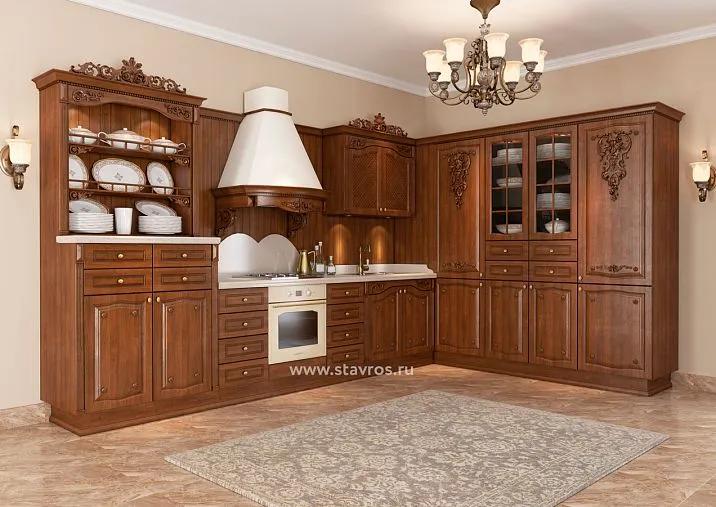
The space where we live, work, and relax shapes our mood, affects our productivity, and even our relationships with loved ones. Room Furnishing It is not merely filling empty space with interior items, but a true art of creating a harmonious environment that reflects the owner’s individuality and meets their needs.
In 2025, the approach to organizing living and working spaces has undergone significant changes. We observe an interesting balance between technology and nature, between functionality and aesthetics, between global trends and individuality. Let’s dive into the world of modern design and figure out how to create a space that will not only meet current trends but remain comfortable and cozy for years to come.




Philosophy of Modern Interior Design: Cozy Minimalism and Personalization
If previously interior design was dominated by clear stylistic directions, 2025 is marked by a blending of styles and an individual approach to space organization. Two key trends define the modern approach to room furnishing: cozy minimalism and personalization.




From Cold Minimalism to Warm Functionalism
Minimalism remains one of the leading directions in interior design, but its interpretation has significantly changed. The cold, sterile minimalism has given way to a warmer, cozier variant that combines clean lines with comfort and functionality.
Modern minimalism is characterized by:
- Clean lines and forms without excess
- Functionality of each element
- High-quality materials with expressive texture
- Neutral color palette with carefully chosen accents
- Thoughtful lighting
This approach allows creating a space that looks simultaneously restrained and expressive, concise and individual.
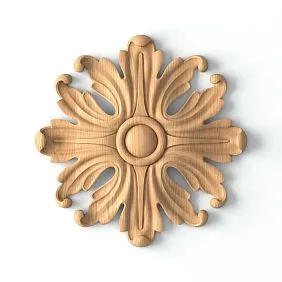
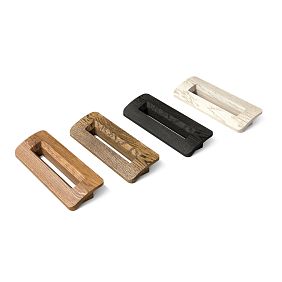
Our factory also produces:





Personalization: Uniqueness in every detail
The second significant trend of 2025 is the desire for interior personalization. People no longer want to live in typical spaces copied from fashion magazines. They strive to create an interior that reflects their individuality, hobbies, and values.
Personalization is manifested in:
- Using items with history (vintage furniture, family heirlooms)
- Integrating hobbies and interests into the interior (collections, artworks)
- Creating functional zones for specific needs
- Unconventional color and texture solutions
- Ordering furniture according to individual projects
It's interesting that personalization does not contradict minimalism. On the contrary, they complement each other beautifully: minimalism creates a calm, neutral background on which individual accents stand out vividly.
Get Consultation
Current trends in room furnishing for 2025
Modern interior design is characterized by diversity of forms, lines, textures, and shades. Let's consider the main trends that define the appearance of living and working spaces in 2025.
Smooth lines and rounded shapes: returning to nature
The main trend of this year — smooth lines and rounded shapes, visible in furniture and architectural elements. This trend aims to incorporate natural curves, where form is inspired by nature.
Soft, streamlined forms of sofas, chairs, and tables create a sense of coziness and security. They counteract the strict geometry that dominated design in recent years and bring us back to a more organic, natural perception of space.
Especially popular are beds with soft, voluminous headboards, sofas with rounded armrests, and chairs with enveloping shapes — not only visually appealing but also providing additional comfort.
Dark wood: depth and character
In 2025, there is a shift away from light wood, typical of Scandinavian interiors, toward richer, noble tones. Designers choose dark-toned wooden furniture to add depth of color, texture, and interest to the space.
Interiors feature large wooden panels, chests made of walnut, chestnut, or wenge, tables with pronounced wood grain. Combined with light walls, they create a striking contrast that adds a touch of luxury to the interior.
Japandi: harmony of East and North
One of the most current styles of 2025 — japandi, representing a modern blend of Japanese aesthetics and Scandinavian minimalism.
This style is characterized by clean lines, natural materials, functionality, and minimalism. It combines Japanese restraint with Scandinavian coziness, creating a space that is both calm and warm.
In a japandi-style interior, you will see low furniture, natural fabrics, minimalist decor, and a neutral color palette with accents of deep shades.
Ergonomics and functionality: the foundation of a comfortable space
Beautiful design is good, but if a space is not functional, it will not be comfortable, regardless of how aesthetically pleasing it looks. Therefore, when planning furnishing of rooms it is important to consider principles of ergonomics and functionality.
Correct furniture arrangement: three approaches to organizing space
There are three main ways to arrange furniture in a room: symmetrical, asymmetrical, and circular. Each has its own characteristics and suits different types of spaces.
Symmetrical arrangement
Symmetrical arrangement implies placing paired interior items at equal distances from the center. The central point may not only be the center of the room but also a large, eye-catching piece of furniture. For example, in a living room, the TV or fireplace usually serves as the center, while in a bedroom, it’s the bed.
This arrangement creates a sense of order, balance, and harmony. It is especially suitable for classic interiors and rooms with regular geometric shapes.
However, symmetrical arrangement has one significant drawback — it emphasizes all imperfections and shortcomings of the room. Therefore, it is better to use it in rooms with ideal geometry.
Asymmetrical arrangement
Asymmetrical arrangement implies arbitrary placement of furniture, which nevertheless follows a certain logic. This method allows hiding some room shortcomings, such as curved walls or disproportionate dimensions.
The main principle in asymmetrical arrangement — large items should be placed farther away, small items closer. At the same time, it is necessary to correctly choose the viewing point so that the arranged furniture appears natural.
Asymmetrical arrangement appears more informal and dynamic, making it ideal for modern interiors.
Circular arrangement
In circular arrangement, all items are placed in a circle relative to a chosen center. Often, the center is a chandelier, table, or another large piece of furniture.
This method creates a sense of unity and wholeness in space. It is especially suitable for rooms with non-standard layouts or for creating separate functional zones in large spaces.
Optimal storage: order without effort
One of the key functions of furniture — storage. Well-organized storage systems help maintain order and create a sense of calm.
In 2025, hidden storage systems are popular: built-in wardrobes that visually blend with walls, beds with drawers, multifunctional furniture with concealed compartments.
Special attention is paid to the internal filling of storage systems: pull-out baskets, pantographs for high-hanging clothes, special compartments for accessories — all of this makes using the wardrobe as convenient as possible.
Multifunctional Furniture: Space Efficiency
In urban life, where every square meter is worth its weight in gold, multifunctional furniture is becoming increasingly popular. This includes convertible sofas, transformable tables, beds with storage systems, and other items that can perform multiple functions.
Such furniture allows for the most efficient use of available space, which is especially important for small apartments. At the same time, modern technologies enable the creation of multifunctional furniture that is not only practical but also aesthetically pleasing.
Materials and colors: the foundation of an expressive interior
The choice of materials and color palette plays a key role in creating the atmosphere of a room. In 2025, preference is given to natural materials and earthy tones that create a sense of calm and harmony.
Natural materials: eco-friendliness and tactile quality
In modern interiors, natural materials dominate, which are not only aesthetically pleasing but also eco-friendly:
- Wood is used both for making furniture and for wall, ceiling, and floor finishes. Especially prized are species with distinctive textures: oak, walnut, beech. Wood brings warmth and coziness to the interior, creating a connection with nature.
- Stone (granite, marble, quartzite) is often used for countertops, window sills, and decorative elements. It adds nobility and solidity to the interior.
- Natural fabrics (linen, cotton, silk, wool) are used for upholstery, curtains, and decorative cushions. They are pleasant to the touch, hypoallergenic, and create a sense of comfort.
Combining these materials allows you to create a multifaceted, expressive interior with depth and character.
Color palette 2025: natural tones and warm accents
In the color palette of 2025, earthy, natural tones dominate, creating a sense of connection with nature and promoting relaxation:
- Various shades of green (from olive to emerald)
- Terracotta and brown
- Ochre and mustard
- Sand and beige
- Muted blue and turquoise
Monochromatic interiors are giving way to more complex color combinations, where neutral base tones are complemented by vibrant accents. An interesting trend is the use of gradients and smooth color transitions, which create a sense of movement and depth.
Textiles: the finishing touch in creating coziness
Textiles play an important role in creating a cozy atmosphere in a room. In 2025, the following are relevant:
- Curtains and blinds made of natural fabrics (linen, cotton, silk). They not only protect from sunlight and prying eyes but are also an important decorative element.
- Pillows and blankets of various sizes, shapes, and textures. They add color, texture, and comfort to the interior. In 2025, pillows with geometric patterns, abstract prints, or solid-colored textured fabrics are popular.
- Rugs help zone the space, add warmth and coziness, and improve room acoustics. Rugs with abstract patterns, geometric motifs, or minimalist style are in trend.
Technology in interior design: smart home and digital solutions
Modern technologies are increasingly penetrating our daily lives, making them more comfortable, safe, and energy-efficient. Integration of technological solutions into interior design is one of the key trends of 2025.
Smart systems: comfort and safety
Smart home systems allow automating numerous processes and remotely controlling various functions:
- Smart lighting allows creating various lighting scenes, automatically turning lights on and off, adjusting brightness and color temperature.
- Climate control maintains optimal temperature and humidity in the room, saving energy.
- Smart curtains and blinds automatically open and close depending on the time of day or light level.
- Security systems (cameras, motion sensors, smart locks) provide protection for the home and peace of mind for its occupants.
Integration of technology into design
It is important that technologies harmoniously fit into the overall design of the room without disrupting its integrity. For this purpose, various techniques are used:
- Hidden technologies: TVs that transform into paintings or mirrors when turned off, acoustic systems built into walls or ceilings, hidden projectors.
- Built-in technology: charging stations integrated into furniture, outlets that appear from the countertop upon pressing.
- Design-oriented technological solutions: smart mirrors with built-in displays, stylish speakers that look like decorative items.
Individuality in details: how to create a unique interior
Despite the existence of certain trends, each interior should be unique, reflecting the individuality and lifestyle of its inhabitants. It is precisely the details that make an interior truly special and memorable.
Art and collections: personal history in interior design
Artworks, collections, and keepsakes fill the interior with personal history and make it truly unique. In 2025, authenticity and individuality are especially valued, so items that hold personal significance for owners become important interior elements.
These can be paintings, photographs, sculptures, vintage finds, souvenirs from travels — everything that reflects the interests, memories, and values of the home’s inhabitants.
Plants: life and energy in the interior
Live plants not only purify the air and improve the microclimate, but also add life and energy to the interior. In 2025, the following are especially popular:
- Large plants in minimalist planters
- Vertical gardens and living walls
- Hanging plants
- Succulent compositions
- Cut flowers and branches in stylish vases
Plants are used not only as a decorative element but also as a way to zone space or soften architectural lines.
Conclusion: creating a space that inspires
Creating an interior is not just about selecting furniture and accessories, but about shaping a space that will influence your mood, productivity, and relationships with loved ones. Modern Room Furnishing — it is a balance between aesthetics and functionality, between trends and individuality, between technology and eco-friendliness.
Remember that the ideal interior is not the one that looks like a magazine picture, but the one that reflects your individuality, matches your lifestyle, and makes you happier every day. Do not be afraid to experiment, mix styles, add bright accents, or, conversely, create a minimalist space — the main thing is that you feel comfortable and joyful in your home.
Investing time and resources into creating a harmonious living space is investing in your well-being and quality of life for many years to come. After all, home is not just a place where we live — it is a space where memories are born, relationships are strengthened, and an atmosphere of happiness and harmony is created.