Article Contents:
- Rest Area: The Heart of Comfort
- Storage Zone: Organized Order
- Coffee Table Zone: Functional Center
- Stylistic Harmony: Choosing a Direction
- Modern Functionality
- Classic elegance
- Materials and Quality: The Foundation of Durability
- Ethnic Motifs
- Frame Materials
- Fillers for Soft Furniture
- Upholstery Materials
- Ergonomic Principles of Comfort
- Seating Parameters
- Back Support
- Dimensional Ratios and Layout
- Proportions Relative to the Room
- Walkways and Free Zones
- Color Solutions and Visual Perception
- Color Psychology in Interior Design
- Color Combinations
- Lighting and Its Interaction with Furniture
- Types of Lighting
- Interaction of Light and Furniture
- Technological Innovations in Living Room Furniture
- Built-in Technology
- Smart Features
- Living Room — It’s the Soul of Your Home, the Place Where Fates Interweave and Memories Are Born. Here, the family gathers in the evenings, friends share news, and children play under the attentive care of parents. Therefore, the question of
- Ecological aspects of selection
- Ecologically clean materials
- Recycling and disposal
- Budget Planning and Cost Optimization
- Purchase Prioritization
- Savings Strategies
- Trends of the Future
- Personalization and customization
- Sustainable development
- Conclusion
22.33 $ р. How to choose furniture for the living roomChoosing furniture is one of the most important aspects when furnishing a home. The correctness of this choice depends not only on daily comfort but also on the atmosphere of the entire house.
A modern living room performs multiple functions: it is a place for rest, a center for entertainment, a workspace, and a space for receiving guests. This multifunctionality requires a special approach to planning and furniture selection, taking into account all aspects of space usage.
In this variety of tasks lies the main challenge — finding a balance between beauty and practicality, between individual style and universality, between current needs and future family development prospects. Each piece of furniture must not only perform its function but also harmoniously fit into the overall space concept.


The anatomy of the ideal living room: space zoning
The first step in creating a perfect living room is understanding functional zones and their interrelationships. Each zone requires a special approach to furniture selection and placement.




Rest zone: the heart of comfort
The sofa is the king of the living room, around which the entire room composition is built. Its size should correspond to the room's area and the number of family members. In a small living room, a compact two-seater sofa is suitable, while in a spacious room — an angular model or a set of sofa and chairs.
The depth of the seat affects the comfort of use. A standard depth of 55-60 cm is suitable for active sitting and conversation. Deep sofas (70-80 cm) create a sense of luxury and relaxation, but may be uncomfortable for people of shorter stature.
The height of the backrest determines the nature of rest. Low backs (up to 70 cm) create a sense of spaciousness and lightness, while high backs (80-100 cm) provide head and neck support during rest. Adjustable headrests combine the advantages of both solutions.
Chairs complement the sofa group, creating additional seating and opportunities for rearranging furniture. A rocking chair brings comfort and relaxation, a swivel chair ensures mobility, and a chair with an ottoman creates a full-fledged resting spot.
Our factory also produces:


Storage zone: organized order
Walls and shelves remain a popular solution for organizing storage in the living room. Modern modular systems allow creating configurations of any complexity, tailored to specific needs and room dimensions.
The height of furniture affects the perception of space. Tall cabinets up to the ceiling maximize available volume, but may create a sense of pressure in small rooms. Low chests and sideboards preserve the feeling of spaciousness, but limit storage options.
Open and closed sections should be used in proper proportions. Open shelves display beautiful items and create visual lightness, while closed cabinets hide less aesthetic but necessary items. The optimal ratio is 60% closed sections and 40% open sections.
Display cabinets with lighting transform ordinary furniture into decorative elements. LED lighting does not emit heat, consumes minimal energy, and highlights the beauty of displayed items.
Get Consultation
Coffee table zone: functional center
The coffee table should be at the correct distance from the sofa — usually 35-45 cm. This ensures convenient access to the table without hindering getting up from the sofa. The table height should be at the level of the sofa seat or 2-3 cm lower.
The shape of the table affects safety and ease of use. Round and oval tables are safer for families with children, while rectangular tables are more functional for placing various items. Tables with adjustable height adapt to different usage situations.
Additional tables — side tables, console tables, stools — create a flexible system of surfaces that can be used as needed. Such elements are especially important when receiving guests or organizing various events.
Stylistic harmony: choosing a direction
The style of the living room should reflect the character of the family and harmonize with the overall concept of the house. Each direction has its own features in furniture selection.
Classic elegance
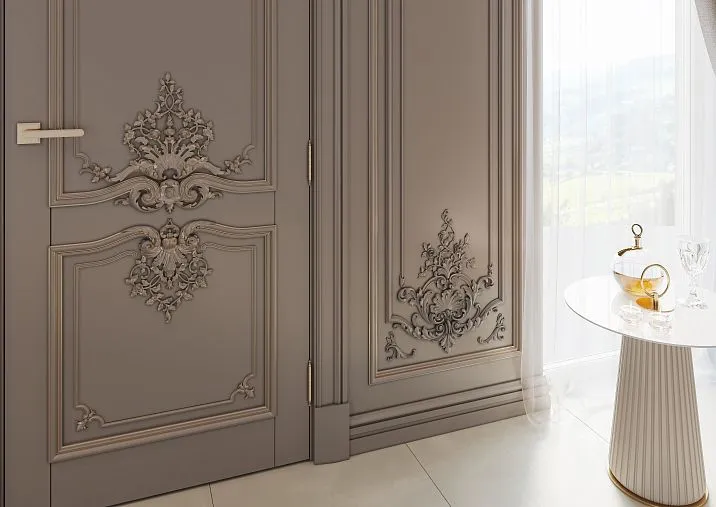
Classic style requires furniture made of noble materials with refined proportions. Sofas with high backs, carved elements, and expensive upholstery create an atmosphere of respectability. Coffee tables made of solid wood with inlays or gilding emphasize the status of the interior.
The color palette is built on noble shades — deep blue, burgundy, emerald — combined with golden accents. Fabrics — velvet, silk, jacquard — must be of the highest quality.
Neoclassicism adapts traditional forms to modern comfort requirements. Furniture retains classical proportions but is freed from excessive pomp. Clean lines, restrained decor, and quality materials create a sense of modern elegance.
Modern functionality
Minimalism prioritizes functionality over decoration. Furniture features simple forms, absence of visible hardware, monochromatic colors. Sofas with simple geometric shapes, coffee tables made of glass and metal, modular storage systems create a sense of space and order.
High-tech emphasizes technological solutions. Furniture made of glass, metal, plastic combines with built-in appliances. Transformable elements, hidden storage systems, LED lighting highlight the technological nature of the style.
Loft brings industrial aesthetics into living space. Roughly finished leather sofas, coffee tables made of metal and wood, open metal shelves create an atmosphere of a converted industrial space.
Ethnic motifs
Scandinavian style combines functionality with coziness. Light furniture made of natural wood, linen and wool textiles, simple forms create an atmosphere of a northern home. Special attention is paid to the ecological nature of materials and their natural origin.
Provence creates a romantic atmosphere of French countryside. Furniture with aging effects, pastel tones, floral motifs in upholstery and decor form a cozy, home-like space.
Materials and quality: the foundation of durability
The choice of materials determines not only the appearance of furniture but also its performance characteristics.
Frame materials
Solid wood remains the benchmark of quality for soft furniture frames. Birch, beech, and oak provide structural strength and longevity. Joints using dowels and glue create a monolithic structure capable of withstanding heavy loads.
Multi-layer birch plywood is as strong as solid wood but less prone to deformation. Modern plywood frames ensure excellent geometry of furniture throughout its entire service life.
Metal frames made of steel tubes are distinguished by exceptional strength and durability. Powder coating protects the metal from corrosion and provides an attractive appearance.
Filling materials for soft furniture
Polyurethane foam of varying densities creates the basis of modern soft furniture. PU foam with density 30-35 kg/m³ provides soft seating, 40-45 kg/m³ — medium firmness, over 50 kg/m³ — increased resilience and longevity.
Independent spring blocks in sofas provide orthopedic properties and longevity. Each spring operates independently, evenly distributing load and adapting to body contours.
Natural fillers — latex, coconut fiber, horsehair — create an eco-friendly, breathable filling. They do not cause allergies and provide a comfortable microclimate.
Upholstery materials
Natural leather — symbol of luxury and durability. It improves with age, acquiring a noble patina. Leather adapts to body temperature, creating additional comfort.
Modern generation eco-leather closely resembles natural leather in appearance and tactile sensation, but requires less maintenance and is more affordable.
Furniture fabrics must have high wear resistance (at least 20,000 Martindale abrasion cycles), resistance to fading and stains. Modern fabric technologies allow obtaining materials with water- and stain-repellent properties.
Ergonomic principles of comfort
Correct ergonomics of furniture ensures comfortable use and positively affects health.
Seat parameters
Seat height should allow legs to stand freely on the floor at a right angle. For most people, the optimal height is 42-45 cm. Too high a seat creates pressure under the knees, too low a seat makes standing difficult.
Seat depth affects support for hips and back. With correct depth, there should be a 5-8 cm gap between the edge of the seat and the back of the knee, and the back should fully contact the backrest.
Seat angle should be 3-5 degrees backward to prevent sliding. Too steep an angle makes standing difficult, while no angle creates a feeling of instability.
Back support
Lumbar support should be positioned at the level of 3-5 lumbar vertebrae. Proper lumbar support reduces spinal load and prevents fatigue during prolonged sitting.
Backrest angle for rest can be 100-110 degrees, for active sitting — 90-100 degrees. Adjustable recline allows adapting furniture to various usage situations.
Size proportions and layout
Correct furniture sizes and their placement are critically important for creating a harmonious living room space.
Proportions relative to the room
The total area of furniture should not exceed 40-50% of the floor area in the living room. This ensures sufficient free space for movement and creates a sense of spaciousness.
Furniture height should correspond to ceiling height. In rooms with low ceilings (up to 2.7 m), low furniture is preferred; in rooms with high ceilings, tall cabinets and shelves can be used.
The scale of individual items should match the room size. A large corner sofa may dominate a small room, while compact furniture may disappear in a spacious living room.
Passages and free zones
The width of passages between furniture items should be at least 60 cm for comfortable movement of one person, 80-90 cm — for passage of two people.
The space in front of the sofa for placing legs should be at least 80-100 cm. This ensures comfortable seating and easy standing up.
Activity zones — places for opening cabinet doors and pulling out drawers — must be free from other furniture items.
Color solutions and visual perception
The color of furniture significantly affects the perception of space and the atmosphere of the living room.
Psychology of color in interior design
Neutral colors — white, gray, beige — create a calm base and visually expand the space. They are universal and allow easily changing accents using textiles and accessories.
Warm tones — brown, terracotta, yellow — create a cozy, homey atmosphere. They are especially suitable for living rooms, where families spend a lot of time together.
Cool tones — blue, green, purple — calm and create a sense of spaciousness. They suit modern interiors and rooms facing south.
Color combinations
Monochromatic schemes use various shades of one color. This approach creates a calm, harmonious atmosphere, but requires skillful handling of nuances.
Contrasting combinations are built on opposite colors of the color wheel. They create a dynamic, energetic atmosphere, but require careful dosing.
Analogous schemes use adjacent colors on the color wheel, creating soft, natural transitions.
Lighting and its interaction with furniture
Lighting plays a key role in perceiving furniture and creating the atmosphere of the living room.
Types of lighting
General lighting provides even illumination of the entire room. Chandeliers, ceiling fixtures, recessed spotlights create a basic level of lighting.
Local lighting highlights individual zones and furniture items. Floor lamps next to armchairs, table lamps on consoles, backlighting in display cases create functional lighting zones.
Decorative lighting creates an atmosphere and emphasizes the beauty of furniture. LED strips behind the sofa, spotlights on paintings, candles on the coffee table transform the living room into a cozy space for relaxation.
Interaction of light and furniture
Reflective surfaces — glass tops, polished furniture, mirrored elements — enhance lighting and create light play.
Matte surfaces absorb light and create soft shadows. They are especially good for creating a cozy, intimate atmosphere.
The color of furniture affects light reflection. Light-colored furniture reflects more light, dark-colored furniture absorbs it — this must be considered when planning lighting.
Technological innovations in living room furniture
Modern furniture is increasingly equipped with technological solutions that enhance user comfort.
Built-in technology
USB ports and wireless charging in coffee tables and sofas provide convenient gadget charging. This is especially important in the era of mobile technology.
Built-in audio systems in upholstered furniture create immersive sound without visible speakers. Modern technologies allow embedding high-quality speakers into sofa and armchair backs.
LED lighting in furniture creates striking light accents and can serve as night lighting. Smart lighting systems adapt to time of day and user mood.
Smart functions
Electric transformation mechanisms allow easily changing the furniture configuration. Electric recliners, lift tables, and extendable elements are controlled with one button press.
Smart home systems integrate with furniture, allowing control of lighting, sound, and climate through furniture control panels.
Presence sensors in furniture can automatically turn on lighting or activate climate control systems when a person approaches.
Ecological aspects of selection
The eco-friendliness of furniture is becoming an increasingly important factor for conscious consumers.
Eco-friendly materials
Certified wood from sustainably managed forests (FSC, PEFC) guarantees responsible use of natural resources.
Low-emission materials of class E1 or E0 ensure minimal release of formaldehyde and other harmful substances.
Natural fillers — latex, coconut fiber, wool — create a healthy atmosphere in the living room.
Recycling and disposal
Recycled materials are used in the production of modern furniture. Recycled plastic, aluminum, and wood composites reduce environmental impact.
The ability to disassemble furniture facilitates transportation and subsequent recycling. Modular systems easily disassemble into components.
Durability as an ecological factor — quality furniture serves for decades, reducing the need for frequent replacement.
Budget planning and cost optimization
Creating the ideal living room requires careful budget planning and prioritization.
Prioritizing purchases
Basic furniture — sofa, coffee table, essential storage systems — should be purchased first. This is the functional minimum ensuring comfortable living room use.
Additional elements — chairs, decorative tables, extra storage systems — can be purchased gradually as funds become available.
Decorative accessories — cushions, blankets, lamps — complete the living room’s look and can be updated relatively affordably.
Savings strategies
Buying sets often costs less than purchasing individual items. Manufacturers offer discounts on ready-made sets.
Seasonal sales allow purchasing quality furniture at significant discounts. Plan purchases in advance.
Combining price categories — expensive basic items can be complemented with more affordable accessories, creating a harmonious look at reasonable costs.
Future trends
The furniture industry is constantly evolving, offering new solutions for modern needs.
Personalization and Customization
Modular systems are becoming increasingly flexible, allowing the creation of unique configurations tailored to specific needs.
3D printing of furniture elements opens opportunities for creating unique details and accessories.
Virtual try-on using augmented reality helps visualize how furniture will look in a specific interior.
Sustainable development
Circular economy in the furniture industry implies creating products designed for full recycling after their service life ends.
Local production reduces carbon footprint and supports regional economy.
Biomaterials — furniture made from mushroom mycelium, algae, recycled waste — represent the future of eco-friendly design.
Conclusion
The art of how to choose furniture for the living roomlies in harmoniously combining functionality, aesthetics, and personal preferences. A modern living room is a complex multifunctional space requiring thoughtful consideration for every element of the decor.
Properly selected furniture not only ensures daily comfort but also creates an atmosphere that unites the family and delights guests. Each item should work in harmony with the others, creating a cohesive composition that reflects the owners’ character and lifestyle.
In today’s world, ecological aspects of furniture selection have become particularly important. Responsible consumption, choosing eco-friendly materials, supporting sustainable production practices — this is an investment in the future of our planet and the health of future generations.
Technological innovations open new opportunities for enhancing furniture comfort and functionality. Smart systems, integration with modern technologies, adaptability to changing needs — all of this is becoming an essential part of future furniture.
Investing in quality living room furniture is an investment in the quality of life for the entire family. Properly chosen furniture serves for decades, creating a comfortable atmosphere for relaxation, socializing, and creating happy memories.
STAVROS understands the full importance of choosing the right living room furniture and offers comprehensive solutions combining traditional craftsmanship with modern technologies and design trends. Decades of experience, deep understanding of modern family needs, and a commitment to perfection allow STAVROS to create furniture that not only serves but also inspires and unites. Choosing STAVROS products means investing in creating a space that will become the true heart of your home.