Article Contents:
- Evolution of Fireplace Surrounds Through the Centuries
- Symbolic Meaning of Fireplace and Its Surround in Different Cultures
- Anatomy of a Fireplace: Basic Structural Elements
- Structural Components of a Fireplace and Their Functions
- Role of the Surround in the Overall Fireplace Construction
- Materials for Fireplace Surrounds: Traditions and Innovations
- Metal: From Classical Forging to Modern Minimalism
- Natural stone: eternal classic
- Wood: Warmth and Coziness in Every Detail
- Modern Materials: Innovative Solutions for Fireplace Mantels
- Styles of Fireplace Surrounds: From Classic to Avant-Garde
- Classic Styles: Grandeur and Elegance
- Modern Styles: Functionality and Minimalism
- Ethnic Styles: The Character of Different Cultures
- Manufacturing and Installation Technologies for Fireplace Surrounds
- Traditional Methods: Craftsmanship of Handmade Work
- Installing a Fireplace Surround: Stages and Features
- Modern Technologies: Precision and Efficiency
- Restoration and Renewal of Fireplace Mantels
- Assessing Condition and Planning Restoration Work
- Technologies for Restoring Various Materials
- Preserving Historical Value During Modernization
- Choosing the Perfect Surround for Your Fireplace
- Matching Style with Interior and Home Architecture
- Practical Aspects: Dimensions, Materials, Functionality
- Custom Design: Creating a Unique Surround
- Conclusion: Fireplace Surround as Art and Science
- In the World of Home Comfort and Architectural Design
Fireplace Surround Fireplace Surround Plays a special role, combining functionality and aesthetics into a harmonious whole. The fireplace mantel is not merely a decorative element, but a true work of art capable of transforming space, giving it character, and becoming the central accent of the interior. The fireplace surround has a multi-century history reflecting the evolution of styles, technologies, and perceptions of home comfort.
Correctly selected Fireplace Surround Capable of not only highlighting architectural features of a room, but also expressing the owner's individuality, creating a unique atmosphere of warmth and coziness. In this article, we will delve into the fascinating world of fireplace mantels, examine the variety of materials, styles, manufacturing and installation technologies, and also acquaint ourselves with the nuances of choosing the perfect surround for your fireplace.


History of Fireplace Mantels: From Medieval Fireplaces to Modern Masterpieces




Evolution of Fireplace Surrounds Through the Centuries
History fireplace surrounds are inextricably linked to the development of architecture and changes in domestic conditions. In the Middle Ages, fireplaces were simple hearths located in the center of a room, without any decorative treatment. With the advancement of construction technologies, hearths moved to walls, giving rise to the first fireplace mantels.
During the Renaissance, fireplace surrounds transformed into true works of art. Masters of that time created luxurious mantels from marble, adorned with intricate carvings, sculptural elements, and heraldic symbols. The fireplace became not merely a source of heat, but also a symbol of status, a demonstration of the owner's wealth and taste.
Baroque and Rococo brought even greater refinement and ornamentation to fireplace mantel design. Surrounds of this period were characterized by opulence, asymmetry, abundance of gilded elements, and intricate ornaments. Each fireplace mantel became a unique work of art, a central element of interior design.
Neoclassicism restored strictness and symmetry to fireplace surrounds. Mantels of this period are characterized by clear lines, geometric forms, and restrained decoration inspired by classical motifs. Marble remained the primary material, but its use became more rational and minimalist.
The Victorian era was marked by a return to rich decoration, but now using new materials and technologies. Cast iron inserts, ceramic elements, and carved wooden details became an essential part of fireplace mantels of this period.
Modernism and Art Deco introduced new forms and materials into fireplace surround design. Smooth lines, botanical motifs, use of colored glass and ceramic tiles — all of these are characteristic of fireplace mantels of the early 20th century.
Modern fireplace surrounds are distinguished by variety of styles and materials. From minimalist constructions of concrete and glass to traditional carved wooden mantels — the choice is limited only by the designer's imagination and the owner's preferences.
Our factory also produces:


Symbolic Significance of the Fireplace and Its Surrounds in Different Cultures
In different cultures, the fireplace and its surrounds hold deep symbolic significance. In European tradition, the fireplace has always been a symbol of the home hearth, family well-being, and coziness. It is no coincidence that the entire family gathered around the fireplace during long winter evenings.
In Scandinavian countries, the fireplace was considered a sacred place, associated with household deities and ancestors. The fireplace surround was often decorated with protective symbols and runic signs intended to safeguard the home and its inhabitants.
In Eastern cultures, fire also held sacred significance, and the location of the hearth was carefully chosen according to feng shui principles. In such traditions, the hearth surround was often decorated with symbols of prosperity and longevity.
In Russian culture, the stove and fireplace occupied a special place. There was even a saying: 'The stove is mother, and the red corner is father.' Decorative treatment of stoves and fireplaces reflected folk traditions and beliefs, including elements of floral and geometric ornamentation with deep symbolic meaning.
Get Consultation
Anatomy of the Fireplace: Basic Structural Components
Structural Components of the Fireplace and Their Functions
Before delving into the world of fireplace surrounds, it is important to understand the basic structure of the fireplace. A classic fireplace consists of several key elements, each serving a specific function:
- Firebox — the central part of the fireplace where fuel burns. Depending on the type of fireplace, the firebox may be open or enclosed with a glass door.
- Chimney Cap — the exhaust hood above the firebox, ensuring smooth transition of smoke into the chimney.
- Chimney — a channel for venting combustion products outside. A properly designed chimney ensures good draft and safe operation of the fireplace.
- Grate — a grid at the bottom of the firebox on which fuel is placed. It provides access to air for burning material.
- Ash Pit — a chamber for collecting ash beneath the grate.
- Damper — a shutter in the chimney, regulating draft and preventing heat loss when the fireplace is not in use.
- Mantel or Fireplace Surround — decorative treatment of the front part of the fireplace, serving both aesthetic and practical functions.
Role of the Surround in the Overall Fireplace Structure
fireplace surrounds Plays a dual role in fireplace construction. On one hand, it is a decorative element that gives the fireplace a finished look and defines its stylistic solution. On the other hand, the portal performs several practical functions:
- Protects walls from high temperatures and potential fire
- Creates a safe zone around the open flame
- Hides technical elements of the fireplace construction
- May include functional elements such as shelves, niches for storing firewood or decorative items
- Improves fireplace heat output through properly designed convection channels
The fireplace surround should be not only beautiful but also functional, taking into account the specific operating features of the fireplace and fire safety requirements. Properly designed Fireplace Surround can significantly increase the efficiency of the entire system and extend its service life.
Fireplace surround materials: traditions and innovations
Natural stone: eternal classic
Natural stone is traditionally considered one of the best materials for fireplace surrounds. Its popularity is due not only to aesthetic qualities but also practical properties: fire resistance, durability, ability to absorb and evenly release heat.
Marble is perhaps the most refined and expensive option for stone fireplace surrounds. This material is valued for its rich color solutions, unique vein patterns, and ability to be polished to a mirror finish. Marble is ideal for classic interiors, giving them an atmosphere of luxury and elegance. However, it should be remembered that marble is relatively soft (2.5–3 on the Mohs scale) and requires careful handling2.
Granite is a stronger and more resistant material to mechanical impacts. It requires less maintenance and has high thermal capacity, making it an excellent choice for functional fireplaces. The variety of granite colors and textures allows selecting an option suitable for almost any interior.
Tufa is a porous limestone, often called "young marble." Its characteristic feature is a texture with numerous voids, creating an aged surface effect. Tufa brings a sense of warmth and naturalness to interiors, fitting perfectly into Mediterranean or rustic styles.
Slate is a material with a distinct layered structure, creating an effect of natural roughness. Slate portals look especially good in interiors in country, chalet, or eco-minimalist styles.
Onyx is a semi-precious stone with a unique semi-transparent structure. When illuminated, onyx creates a stunning effect of internal glow, turning the fireplace portal into a true work of art9.
Installation of stone fireplace surrounds can be done in two ways: "wet" and "dry." In the wet method, stone is attached using a special polyester adhesive, which hardens within 15–25 minutes and provides secure fixation without gaps. The dry method involves attaching stone slabs to a metal frame using brackets, allowing individual elements to be replaced without dismantling the entire structure2.
Wood: warmth and coziness in every detail
Wood — a traditional material for fireplace surrounds, bringing a sense of warmth, coziness, and naturalness to the interior. Wooden portals are more affordable than stone ones and offer wide possibilities for stylistic solutions.
The following wood species are commonly used for making wooden surrounds:
Oak — a classic choice for fireplace portals. It is characterized by high strength, durability, and beautiful texture. Oak portals can be either massive and imposing or elegant, with delicate carving and decorative elements.
Spruce — a more affordable option with good operational characteristics. Spruce portals are often used in interiors in country, Provence, or Scandinavian styles.
Beech — a hardwood with a uniform structure, easily processed. Beech portals are distinguished by elegance and restraint, fitting perfectly into modern interiors.
Redwood — an exotic species valued for its rich reddish hue and high density. Redwood portals become a true decoration of the interior, a symbol of luxury and good taste5.
When using wood for fireplace surrounds, fire safety requirements must be considered. Wooden elements must be placed at a safe distance from the fire source and protected from heat. Often, special thermal insulation materials or composite structures are used, where wood is combined with non-combustible materials.
Modern wood processing technologies allow significantly increasing the fire resistance of wooden portals. Special impregnations and coatings protect wood from ignition, extend its service life, and preserve the material's aesthetic qualities.
Metal: from classic wrought iron to modern minimalism
— metal elements in fireplace surround are used both independently and in combination with other materials. Metal brings strength, durability, and a unique character to fireplace design.
Cast iron — a traditional material for Victorian-era fireplace portals. Cast iron surrounds are characterized by their massiveness, rich decoration, and high heat capacity. Modern casting technologies allow recreating historical samples with high precision.
Forged iron is a material that allows creating delicate, elegant structures with a unique pattern. Forged elements are often used in combined fireplaces, complementing stone or wood.
Steel is a universal material suitable for both classic and modern designs. Steel fireplaces can be painted in various colors, imitate other materials, or retain their natural metallic sheen.
Bronze and brass are noble metals that bring a sense of luxury and refinement to fireplace design. Often used for decorative elements and hardware.
Metal frames require minimal maintenance and have high resistance to temperature changes, making them a practical choice for functional fireplaces.
Modern materials: innovative solutions for fireplace surrounds
Modern industry offers numerous innovative materials for fireplace surroundscombining aesthetic qualities with practicality and functionality.
Artificial stone is a material that imitates natural stone but offers advantages such as lower weight, easier installation, and the possibility of creating seamless constructions. Modern technologies allow creating artificial stone that is virtually indistinguishable from natural stone.
Ceramica is a strong, wear-resistant material with a wide range of design solutions. Ceramic fireplaces are resistant to high temperatures, moisture, and mechanical impacts.
Flexible stone is an innovative material consisting of a thin layer of natural stone on a flexible base. For example, Spanish AIRSLATE, only 2-4 mm thick, allows creating seamless surfaces with natural stone texture.9.
Calcium silicate is a modern material with excellent thermal insulation properties. Calcium silicate panels (Skamotec 225, Silka) are used to create convection chambers and self-supporting structures for subsequent finishing.9.
Fire-resistant gypsum board and gypsum board are materials used to create structural frameworks for fireplace surrounds. They are easy to work with, allow creating complex shapes, and serve as a base for subsequent decorative finishes.
The choice of material for fireplace framing depends on many factors: interior style, fireplace functionality, project budget, and owner’s personal preferences. Often, the best results are achieved by combining different materials, creating unique, personalized solutions.
Fireplace framing styles: from classic to avant-garde
Classic styles: grandeur and elegance
Classical styles fireplace surrounds are characterized by strict proportions, symmetry, and restrained decoration. They are ideal for traditional interiors, imparting an atmosphere of nobility and refinement.
Antique style is characterized by the use of columns, pilasters, and other architectural elements borrowed from Greek and Roman architecture. Materials for such surrounds are usually white or light marble, and decoration includes meanders, acanthus leaves, and other classical ornaments.
Renaissance brought harmony of proportions and richness of decorative elements to fireplace design. Renaissance-style surrounds are often adorned with carvings, bas-reliefs, and sculptural elements depicting mythological scenes or botanical motifs.
Baroque and Rococo are styles distinguished by opulence, dynamic forms, and abundance of decoration. Fireplace surrounds in these styles are often asymmetrical, adorned with volutes, cartouches, botanical ornaments, and gilded elements. Materials include colored marble, gilded bronze, and stucco.
Neoclassicism returned strictness and symmetry to fireplace surrounds. Framings in this style feature clear lines, geometric forms, and restrained decoration inspired by ancient models. Often, white marble, columns with capitals, friezes with triglyphs and metopes are used.
Empire style emerged during Napoleon’s era and is characterized by monumentality, use of military symbolism, and Egyptian motifs. Fireplace surrounds in Empire style are often adorned with bronze appliqués in the form of laurel wreaths, eagles, sphinxes, and other symbolic elements.
Ethnic styles: the character of different cultures
Ethnic styles fireplace surrounds reflect traditions and cultural characteristics of various peoples, bringing an exotic flair and uniqueness to the interior.
Russian style is characterized by the use of izvozets — ceramic tiles with relief patterns and glaze. Izvozets fireplaces were popular in Russia since the 17th century and were distinguished by bright colors, complex ornaments, and narrative compositions. The izvozets laying technology includes several stages: edge grinding, filling the back (reverse side of the izvozets) with clay and filler, installing corner and central elements, connecting izvozets with wire, and grouting joints.8.
English style implies using wooden surrounds with carving, often combined with cast iron inserts. A traditional English fireplace is surrounded by comfortable chairs and sofas, creating a cozy place for family gatherings.
Mediterranean style is characterized by the use of natural materials: stone, terracotta, wood. Surrounds in this style often have irregular shapes and rough textures, creating a sense of handcrafted authenticity and naturalness.
Scandinavian style is characterized by simplicity of forms, minimalism, and functionality. Fireplace surrounds in Scandinavian style are usually made of light stone or wood, have clear lines, and minimal decoration.
Oriental style brings exotic motifs to fireplace design: arabesques, mosaics, wood carving. Surrounds in Oriental style often have arched shapes, adorned with delicate grilles and bright ceramic inserts.
Modern styles: functionality and minimalism
Modern styles fireplace surrounds Distinguished by concise forms, functionality, and use of innovative materials and technologies.
Minimalism implies the rejection of unnecessary details, purity of lines and forms. Minimalist fireplaces are often made of concrete, glass, metal, or stone with smooth surfaces. Emphasis is placed on proportions and material quality, rather than decorative elements.
High-tech is characterized by the use of modern materials and technologies: glass, metal, composites. Fireplaces in the high-tech style often include functional elements: built-in lighting, storage niches, technological solutions to enhance fireplace efficiency.
Loft — a style that emerged in industrial spaces converted into residential areas. Fireplaces in the loft style are often made of rough concrete, brick, weathered metal. Characterized by deliberate informality, exposed utilities, and an industrial character.
Eco-style implies the use of natural materials, natural forms, and textures. Fireplaces in eco-style may be made of unprocessed stone, wood with bark preserved, clay, or other natural materials.
Fusion — a style combining elements of various cultures and eras. Fireplaces in fusion style may combine classical forms with modern materials, ethnic motifs with minimalist design, creating unique, eclectic solutions.
Manufacturing and installation technologies for fireplace surrounds
Traditional methods: craftsmanship of manual work
Traditional manufacturing methods fireplace surrounds Based on manual work by artisans who pass on their skills from generation to generation. These technologies allow creating unique, one-of-a-kind artworks reflecting the individuality and craftsmanship of the maker.
Stone carving — an ancient art requiring high skill and special tools. The master works with a stone block, gradually removing excess material to create the intended form and decorative elements. Modern technologies allow using electric tools, but the fundamental principles of work remain unchanged.
Wood carving — a traditional technique allowing the creation of refined wooden fireplaces with rich decoration. Several types of carving are distinguished: flat relief, blind, pierced, sculptural. Each technique has its own characteristics and is used to achieve specific effects.
Artistic forging — the process of creating metal elements of a fireplace portal by heating metal and deforming it with a hammer and anvil. Forged details are characterized by a unique character, an irreplaceable pattern, and high strength.
Stucco — a technique for creating decorative elements from plaster, plaster, or special mixtures. Traditionally, stucco details are made by hand or using molds, then mounted on the fireplace portal and painted or gilded.
Tile art — a technology for creating ceramic tiles with relief patterns and glaze. Tile production includes several stages: molding clay mass, drying, first firing, glaze application, second firing. Each tile is a unique work of art.
Modern technologies: precision and efficiency
Modern manufacturing technologies fireplace surrounds Combine traditional craftsmanship with innovative methods, allowing the creation of complex, precise, and efficient structures.
CNC machining (Computer Numerical Control) — a technology allowing high-precision cutting of parts from various materials according to a computer model. CNC machines are used to process stone, wood, metal, creating perfectly accurate fireplace portal elements.
3D modeling — the process of creating a three-dimensional digital model of a fireplace portal before its physical production. This allows visualizing the future fireplace, making necessary design changes, and avoiding errors during production.
Laser cutting — a technology using a laser beam for precise cutting of materials. Particularly effective for creating intricate, complex metal elements that become part of the fireplace surround.
Waterjet cutting — a method using a stream of water with abrasive material for cutting various materials. Allows creating complex shapes from stone, metal, glass without thermal impact on the material.
3D printing — an additive technology allowing the creation of volumetric parts by layer-by-layer material buildup. Used for manufacturing prototypes, models, and some decorative elements of fireplace portals.
Installation of fireplace surrounds: stages and features
Installation fireplace surrounds A responsible process requiring professional skills and adherence to technical requirements. The quality of installation affects not only the aesthetic appearance of the fireplace but also its safety and longevity.
Preparation stage includes:
- Designing the fireplace and its surround taking into account the characteristics of the room
- Calculating loads and selecting the method of mounting
- Preparing the base: wall leveling, reinforcement if necessary
- Marking the installation location
Mounting the frame — creating a base for attaching decorative elements. Depending on the type of surround, the frame may be made of:
- Metal profiles
- Brick masonry
- Blocks of lightweight materials
- Wooden structures (in compliance with fire safety requirements)
Insulation installation — an important stage ensuring fire safety and efficient fireplace operation. For insulation, the following materials are used:
- Mineral wool with foil coating
- Calcium silicate plates (Skamotec 225, Silka)
- Special fire-resistant materials
Installation of decorative elements depends on the selected material:
- Stone elements are mounted using "wet" method with polyester adhesive or "dry" method with metal clips
- Wooden parts are mounted using concealed fasteners, ensuring secure fixation without visible elements
- Metal parts are welded to the frame or secured with bolts and nuts
- Tiles are installed using a special technique involving clay and filler filling the rump, wire connection, and grouting joints
Final finishing includes:
- Grouting joints between elements
- Surface sanding and polishing if necessary
- Application of protective coatings (for wood, stone)
- Installation of additional decorative elements
Fireplace installation "turnkey" — a comprehensive process including not only the installation of the surround but also all related works: design, fabrication of cladding, installation of the firebox and chimney, installation of the fireplace stove, and fire safety measures3.
Restoration and updating of fireplace surrounds
Assessment of condition and planning of restoration works
Fireplace surround It begins with a thorough assessment of its condition and determination of the scope of required work. It is important to distinguish three types of intervention:
Repair — local work to address minor damage: replacing 3–4 bricks, filling cracks, cleaning channels. Usually takes no more than 2 working days7.
Reconstruction — a more complex process involving replacement of assemblies, components, hardware, and castings. Requires high-level craftsmanship and takes 6–7 working days. The goal of reconstruction is to restore the fireplace’s functionality7.
Restoration — restoration of the appearance in accordance with historical and technological authenticity, confirming the style, era, and authorship of the artwork. During restoration, the functional capability of the fireplace may be disregarded by the client7.
Planning of restoration works includes:
- Study of the fireplace’s history and stylistic features
- Photographic documentation of the current condition
- Identification of original and later-added elements
- Selection of methods and materials for restoration
- Preparation of estimate and work schedule
Technologies for restoring various materials
Each material used in fireplace surround, requires specific restoration methods:
Stone (marble, granite, limestone):
- Cleaning from contaminants using special compounds
- Removal of old restoration adhesives
- Bonding fragments using special adhesives
- Reconstruction of losses using artificial stone matched in color and texture
- Surface grinding and polishing
- Application of protective coatings
Wood:
- Cleaning from old paint and varnish coatings
- Treatment with antiseptics against mold and insects
- Reconstruction of losses using wood of the same species
- Restoration of carved elements
- Toning to achieve uniform color
- Application of protective coatings (varnish, wax, oil)
Metal:
- Removal of corrosion by mechanical or chemical means
- Restoration of lost elements by casting or forging methods
- Patination to achieve historical appearance
- Application of protective coatings
Tiles:
- Careful surface cleaning
- Bonding fragments
- Reconstruction of losses using ceramic masses
- Glaze retouching
- Firing of restored elements
Preserving historical value during modernization
One of the main tasks in restoring fireplace surrounds is preserving their historical and artistic value while simultaneously adapting them to modern safety and functionality requirements.
Principles of restoring historical fireplaces:
- Minimal intervention in the original structure
- Use reversible methods and materials
- Document all stages of work
- Distinctiveness of new elements from original ones upon close inspection
- Preservation of the patina of time, imparting authenticity to the fireplace
Modernization methods while preserving historical appearance:
- Installation of modern fireplaces with enclosed combustion within historical fireplaces
- Modernization of chimneys while preserving their external appearance
- Installation of safety systems (temperature sensors, automatic dampers)
- Integration of modern heating systems (water loops, heat exchangers)
- Use of energy-efficient technologies while preserving the aesthetic of the historical fireplace
Restoration of fireplace mantels is an art of balancing historical heritage preservation with adaptation to modern requirements. A well-executed restoration not only restores the fireplace’s original beauty but also extends its service life by many decades.
Choosing the ideal surround for your fireplace
Alignment with interior style and architectural features of the house
Choosing fireplace surrounds Should begin with an analysis of the overall interior style and architectural features of the house. Harmonious integration of the fireplace mantel with the surrounding space creates a sense of completeness and design cohesion.
For classic interiors, mantels in the styles of antiquity, Renaissance, Baroque, or Classicism are suitable. Materials may include marble, carved wood, and stucco. Symmetry, proportionality, and traditional ornamentation are important.
For modern minimalist spaces, it is better to choose minimalist mantels made of stone, concrete, metal, or glass with clear lines and minimal decoration. Emphasis is placed on material quality and perfect proportions.
For rustic styles (country, Provence, chalet), mantels made of roughly-hewn stone, weathered wood, with wrought iron elements are suitable. Natural textures, handcrafted workmanship, and a sense of warmth and coziness are characteristic.
For ethnic interiors, choose mantels reflecting the cultural traditions of the chosen style: tiles for Russian style, arabesques and mosaics for Eastern, terracotta and irregular shapes for Mediterranean.
For eclectic spaces, bold experiments are possible: combining classic forms with modern materials, traditional techniques with innovative solutions. The key is to maintain balance and compositional integrity.
Practical aspects: dimensions, materials, functionality
When choosing fireplace surrounds Must consider not only aesthetic but also practical aspects:
Dimensions must correspond to:
- Room area (a too large mantel in a small room will look bulky, while a small one in a spacious hall will appear insignificant)
- Firebox dimensions (the mantel should be proportionate to the firebox opening)
- Ceiling height (optimal mantel height — 2/3 of ceiling height)
- Distance to nearby furniture and walkways (must ensure safe distance and ease of use)
Materials are selected based on:
- Fireplace functionality (fireplace mantels in use require fire-resistant, heat-resistant materials)
- Operating conditions (humidity, temperature fluctuations)
- Practicality in maintenance (some materials require regular specialized care)
- Structural weight (heavy stone portals require a sturdy foundation)
- Ecological safety (especially important for homes with children and allergy sufferers)
Portal functionality may include:
- Niche for storing firewood
- Shelves for decorative items
- Built-in lighting
- Convection openings for improved heat dissipation
- Mounting points for accessories (fireplace set, screen)
Custom design: creating a unique frame
Custom design fireplace surrounds — the opportunity to realize a unique design reflecting the homeowner’s personality and taste. This process includes several stages:
Concept development:
- Defining style and main idea
- Gathering references and sources of inspiration
- Creating a mood board (collage of images, colors, textures)
- Formulating a technical specification for the designer or craftsman
Designing:
- Creating hand-drawn sketches
- Developing detailed drawings with precise dimensions
- 3D modeling for visualizing the future portal
- Selecting materials, textures, and colors
- Detailing decorative elements
Manufacturing:
- Choosing artisans or manufacturing company
- Selecting and purchasing materials
- Manufacturing individual components
- Assembly and fitting of parts
- Final finishing and protective treatment
Installation:
- Preparation of installation site
- Installing frame and insulation
- Installation of decorative elements
- Final finishing and correction of imperfections
Custom design allows creating not just a functional interior element, but a true work of art that will delight homeowners and guests for many years, possibly becoming a family heirloom for future generations.
This is a wonderful synthesis of art and science, where aesthetics meet functionality, and traditions meet innovations. The fireplace portal is not merely a decorative element, but an important part of the structure, affecting the safety, efficiency, and longevity of the entire system.
Fireplace Surround The choice of materials, style, and manufacturing technology for the frame depends on many factors: the architecture of the house, interior style, fireplace functionality, project budget, and the owner's personal preferences. It is important to remember that quality framing is an investment that will delight you for many years, creating a cozy and warm atmosphere in your home.
Regardless of whether you choose a classic marble portal, a modern minimalist structure, or a unique designer solution, a fireplace with properly selected framing will become the focal point of your home, a place where family and friends gather, a source of not only physical but also emotional warmth.
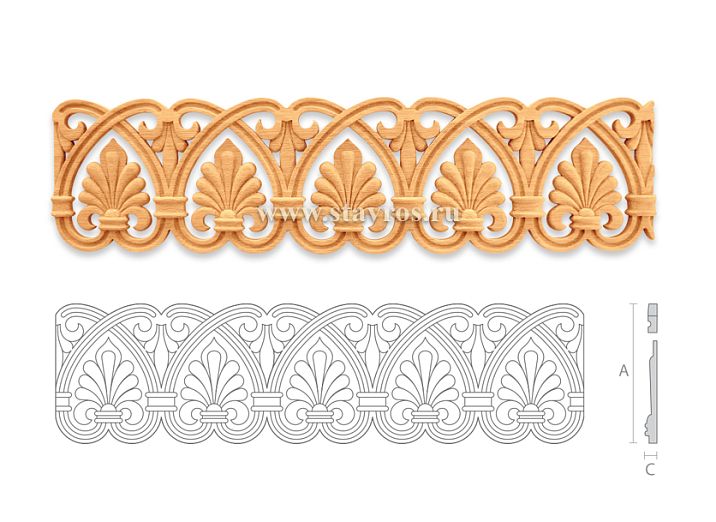
STAVROS (STAVROS) offers a wide range of solid wood products, including moldings, cornices, and skirting boards, which can become an ideal solution for creating a unique fireplace frame. Years of experience, master craftsmanship, and high-quality materials guarantee outstanding results,
Art of Fireplace Framing: Traditions, Materials, and Modern Solutions | STAVROS Company