Article Contents:
- 1. The Significance of Framing Pictures in Modern Interior Design
- 1.1. The Role of the Frame in Perceiving Art
- 1.2. Traditions and Modern Trends
- 2.1. Natural beauty and uniqueness
- 2.2. Ecological Safety and Environmental Friendliness
- 2.3. Durability and Longevity
- 2.4. Universality of Styles and Finishes
- 3.1. By Wood Species
- 3.2. By Profile and Design
- 3.3. By Finishing Method
- 4.1. Determining Size and Proportions
- 4.2. Manufacturing Quality
- 4.3. Certification and Environmental Standards
- 4.4. Budget and Price-to-Quality Ratio
- 5.1. Specialized Stores
- 5.2. Online stores
- 5.3. Custom Order
- 6.1. Preparing the Picture and Moulding
- 6.2. Methods of Mounting the Moulding
- 6.3. Installation Process
- 6.4. Final Finishing
- 7.1. Daily care
- 7.2. Prevention of Moisture Effects
- 7.3. Restoration and renewal
- 8.1. Eco-Friendly Design
- 8.2. Processing Technologies
- 8.3. Individualized Approach
- 9.1. Classical Gallery
- 9.2. Modern Exhibition
- 9.3. Home Studio
- 9.4. Office Space
- 10.1. Composition Planning
- 10.2. Precise Measurements and Calculations
- 10.3. Consultations with Specialists
- 10.4. Preparation for Installation
- 11.1. Regular Cleaning
- 11.2. Periodic Treatment with Protective Coatings
- 11.3. Prevention of Aggressive Factors
- 12.1. Environmental responsibility
- 12.2. Aesthetics of Natural Materials
- 13.1. Home Gallery
- 13.2. Classic Salon
- 13.3. Office Space
- 14.1. Innovative Processing Technologies
- 14.2. Custom Orders and Personalization
- 14.3. Ecological Trends
- 15.1. Collaboration with Artisans
- 15.2. Testing and Sample Selection
- 15.3. Attention to Installation Details
In the world of visual arts, framing a work is an inseparable part of its presentation. The frame not only protects the artwork but also emphasizes its aesthetics, helps harmonize the interior composition, and creates a special atmosphere. One of the most popular solutions in artwork framing iswooden picture moldingIt combines the natural beauty of wood, high-quality craftsmanship, and universal applicability. In this article, we will thoroughly discuss how to properly choose wooden picture molding, its main advantages, installation and maintenance nuances, as well as how it can become a key element in creating a harmonious interior.





1. Significance of Framing in Modern Interior Design




1.1. Role of the Frame in Perceiving Artwork
Framing a painting is not merely a functional element intended to protect against mechanical damage. The frame plays an important role in perceiving the artwork:
● Accentuation. It highlights the painting, defining its "frame," within which the artwork appears complete and harmonious.
● Composition Harmonization. A properly selected frame can unite different interior elements, creating a cohesive composition.
● Emotional Impact. Decorative framing can enhance the emotional perception of the artwork, emphasizing its style, color palette, and texture.
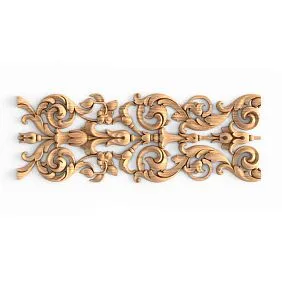
Our factory also produces:




1.2. Traditions and Modern Trends
Traditionally, frames were made of natural wood, which gave artworks a special value and status. Today, despite the emergence of artificial materials, natural wood remains unmatched in its aesthetics and durability.wooden picture molding — this is a modern embodiment of classical traditions, allowing to combine the naturalness of the material with modern processing technologies.
2. Advantages of wooden picture frame
Get Consultation
2.1. Natural Beauty and Uniqueness
One of the main advantages of a wooden frame is its natural beauty. Each piece has a unique wood grain pattern, making every frame distinctive. The natural texture and warm tones of wood create a sense of coziness and exclusivity, giving the artwork a special charm.
2.2. Ecological and safety aspects
Using natural wood guarantees the ecological safety of the product. In today's context of heightened attention to health and the environment, certified natural materials are becoming increasingly preferred. When choosing a frame, it is important to pay attention to the presence of FSC or PEFC certificates, confirming sustainable forestry practices and the absence of harmful substances.
2.3. Strength and durability
A wooden frame possesses high mechanical strength, which is especially important for protecting artwork. With proper processing and application of a protective coating (varnish, oil, or paint), the frame can retain its original appearance for decades without losing its aesthetic or functional qualities.
2.4. Versatility of styles and finishes
Natural wood easily adapts to any interior style:
● Classic and neoclassical. Carved and ornamental frames made of oak or ash impart a traditional elegance to the space.
● Modern and minimalist. Simple, sleek models in light wood create a sense of spaciousness and clean lines.
● Loft and industrial style. The contrast between rough materials (concrete, metal) and warm wood brings balance to the interior, adding coziness.
● Provence and country style. Frames with an aged effect, patina, or brushed finish emphasize homey comfort and natural decor.
3. Types of wooden picture frames
3.1. By wood species
When choosing a wooden picture frame, it is important to determine the wood species, as it affects the appearance, durability, and cost of the product.
● Oak. Oak frames are distinguished by their expressive texture, rich color, and high strength. They are suitable for luxurious classical interiors.
● Ash. Ash has a light tone and beautiful wood grain pattern, making it an ideal choice for modern and Scandinavian interiors.
● Pine. A more affordable option, pine frames are easy to process and paint, but require more careful maintenance.
● Beech. It has a uniform texture and light tone, giving the interior a sense of purity and elegance.
3.2. By profile and design
The variety of shapes and patterns allows selecting a frame that perfectly complements a specific artwork and interior:
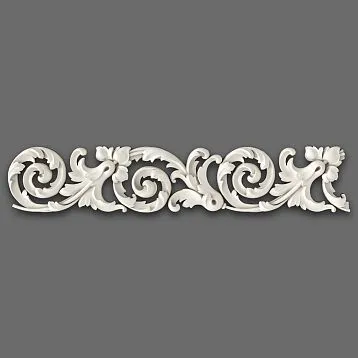
● Ornamental frame. Complex carved patterns, scrolls, and decorative elements. Such frames are often used in classical and vintage interiors.
● Simple frame. A sleek, straight profile that does not distract from the artwork, ideal for modern minimalist interiors.
● Slightly rounded. A universal solution suitable for various styles, from classic to modern.
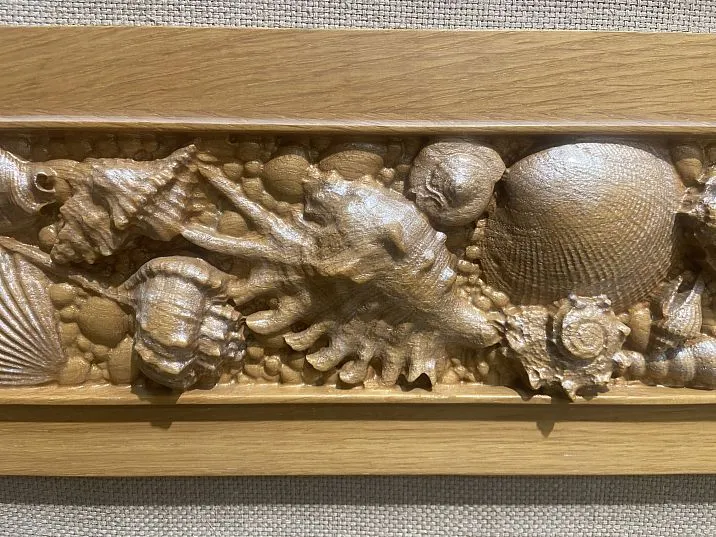
● Handmade. Exclusive frames crafted by artisans may feature unique carved elements, making each piece one-of-a-kind.
3.3. By finishing method
The finishing of the frame plays an important role in its appearance and durability:
● Natural finish. Varnished or oiled frames preserve the natural wood texture, highlighting its inherent beauty.
● Painting. The ability to choose any color allows adapting the frame to the interior’s color scheme. This is especially relevant if you need to create a contrast or, conversely, make the frame "invisible".
● Patina and brushing. Techniques that give the frame an aged, vintage look, especially popular in Provence, country, and shabby chic styles.
4. Technical aspects and selection tips
4.1. Determining size and proportions
The choice of frame size depends on the size of the painting or mirror. A too thin frame may not emphasize the artwork, while an overly bulky one may distract attention. The ideal proportion between the frame and the object being framed creates a harmonious visual balance.
● Frame thickness. Frames typically range from 20 to 50 mm in thickness. For large canvases, it is recommended to choose more substantial options.
● Profile width. The width of the frame should harmonize with the size of the artwork. For small paintings, it is advisable to choose a thin frame to avoid 'overloading' it.
● Corner geometry. A quality frame must have even, neat joints at the corners. Pay attention to the mounting method: decorative elements must align precisely when joined.
4.2. Manufacturing quality
When selecting a wooden frame, it is important to assess the quality of processing:
● Surface smoothness and flatness. The item must not have burrs, chips, or unevenness.
● Carving quality. If the frame features decorative elements, the carving should be neat, symmetrical, and detailed.
● Finish coating. The varnish or paint must be applied evenly, without streaks or drips. With a natural finish, it is important that the protective layer preserves the wood’s texture.
4.3. Certification and environmental standards
Ensure that the wood used to make the frame meets modern environmental standards. FSC or PEFC certificates guarantee that the wood comes from sustainable sources and is processed in accordance with safety requirements. This is especially important for decorating children’s rooms or high-use areas.
4.4. Budget and price-to-quality ratio
The cost of a wooden frame can vary significantly depending on the type of wood, design complexity, finishing method, and brand. When selecting an item, it is important to balance price with quality and durability. Sometimes it is more cost-effective to invest in a more expensive, proven-quality product that will last for decades rather than saving money on inferior materials.
5. Where to buy wooden frames for paintings
5.1. Specialized stores
Specialized stores of finishing materials and decorative items offer a wide variety of wooden frames. Here, you can evaluate the product quality on-site, compare different options, receive expert consultations, and even order a custom project.
● In such stores, you often can see real samples, feel the texture, assess the color and quality of processing.
● Professional consultants will help you select a frame that matches your interior style and painting size.
5.2. Online stores
Online platforms allow you to quickly compare prices and selection. One of the trusted sources is the websitePogonazh iz massiva, where you canwooden molding buy with quality assurance. Advantages of purchasing online:
● Wide selection of models and finish options.
● Detailed product descriptions, technical specifications, and photos.
● Ability to read reviews from other customers and make an informed decision.
● Convenient delivery directly to your home or office.
5.3. Custom order
For those seeking exclusivity, it is possible to manufacture a frame to individual order:
● Woodworking workshops and individual craftsmen can offer unique solutions, taking into account all your design, size, and finish preferences.
● This approach allows creating a frame that perfectly complements the artwork and interior, but requires more time and, as a rule, has a higher cost.
6. Installing a wooden picture frame: how to properly frame a piece
6.1. Preparing the painting and frame
Before beginning installation, it is important to properly prepare both the artwork and the frame:
● Surface cleaning. Ensure the painting or mirror is clean and free of damage.
● Choosing fasteners. Depending on the method of frame installation (using glue, nails, clips), prepare the necessary tools and materials.
● Size verification. Carefully measure the artwork and calculate the optimal width and thickness of the frame.
6.2. Methods of frame mounting
There are several methods for mounting a wooden picture frame:
- Glue. If you want the frame to look as neat as possible without visible fasteners, you can use mounting glue. It provides secure attachment, especially if the painting and frame surfaces are pre-cleaned of grease.
- Nails or screws. A traditional mounting method that ensures a strong connection. It is important to carefully conceal the fastener heads so they are not visible.
- Special clips or clamps. Some modern mounting systems allow quickly and without damage to secure the frame to the artwork.
6.3. Installation process
- Marking. Mark the locations on the back of the artwork (or in a special frame) where the frame will be mounted.
- Cutting and fitting. If the frame is being made manually, carefully cut off excess parts, taking into account angles and joints.
- Mounting. Apply glue or install fasteners, then carefully press the frame against the artwork, ensuring its flatness and accuracy of joints.
- Joint sealing. If small gaps remain, they can be filled with sealant or putty, then lightly sanded and repainted if necessary.
6.4. Final finishing
After installation, check that the frame neatly and evenly frames the artwork. Depending on the finishing method:
● If the frame is paintable, after mounting you can apply an additional layer of paint for perfect interior matching.
● If the item has a natural finish, it is recommended to periodically check the condition of the varnish or oil, and renew the protective coating as needed.
7. Care for wooden picture frames
7.1. Daily care
To ensure a wooden frame retains its beauty and longevity, it is necessary to follow several simple rules:
● Regularly wipe the frame with a soft cloth to remove dust.
● Avoid using aggressive cleaning agents that may damage the lacquer or paint finish.
● Periodically check the surface condition and perform light sanding if minor damage is detected, then renew the protective coating.
7.2. Moisture protection
Wood is sensitive to humidity changes, therefore it is important:
● Maintain a stable microclimate in the room (optimal humidity – 40–60%).
● Avoid prolonged contact with water during cleaning.
● Use special means to protect wood from moisture if necessary.
7.3. Restoration and Refreshing
Over time, even high-quality wooden molding may lose its original sheen:
● For scratches or light scuffs, use a wood polish.
● To refresh the molding’s finish, apply a new layer of varnish or oil to restore its original appearance.
● If damage is severe, disassembly and replacement of damaged sections may be required.
8. Modern trends in interior design using molding
8.1. Eco-friendly design
With growing attention to ecology, natural wood is taking an increasingly important place in interior design.wooden picture moldingMade from certified wood, it not only decorates the interior but also contributes to creating a healthy atmosphere in the room.
8.2. Processing technologies
Modern technologies allow creating molding with effects previously available only for expensive items:
● Patination and brushing. These methods give molding an aged effect, creating a vintage or rustic style.
● Laminating. Allows protecting the surface and imitating the appearance of expensive wood species.
● Integration with LED backlighting. Some molding models feature built-in LED strips, creating a glowing frame effect and enhancing the artwork’s presentation.
8.3. Custom approach
Today, interior design strives for maximum individuality. By orderingwooden molding for paintings, you can choose not only a ready-made option but also order a product fully matching your preferences in shape, color, and finish. This allows creating a unique composition reflecting your taste and personality.
9. Practical examples and cases
9.1. Classic gallery
In classic interiors, picture galleries are often decorated with carved molding made of oak or ash. Such molding, crafted with rich decorative carving, creates an atmosphere of elegance and luxury. Combined with gilded frames and refined lighting, they transform simple paintings into true masterpieces.
9.2. Modern exhibition
In modern interiors, where minimalist forms dominate, picture frames are chosen with simple straight profiles, painted in neutral tones. This approach allows focusing attention on the artwork itself, without distracting from it with complex decorative elements. Light painting of the molding to match wall color creates an effect of unified composition.
9.3. Home studio
In a home gallery, where paintings and photographs are framed with wooden molding, a cozy, almost museum-like atmosphere is created. Here, molding can be combined with various materials such as fabric panels or ceramic elements, giving the space individuality and a unique style.
9.4. Office space
In office interiors, using wooden molding to frame artworks helps create a work atmosphere conducive to creativity and concentration. Choosing molding with minimalist design in combination with modern paintings and photographs emphasizes a professional style and adds elegance to the interior.
10. Professional tips for selection and installation
10.1. Composition planning
Before choosing a frame for a painting, determine the overall design concept:
● Choose a picture frame that not only protects the artwork but also harmonizes with other interior elements.
● Arrange the composition, taking into account the size, shape, and placement of the artwork, so that each frame becomes part of a cohesive ensemble.
10.2. Precise measurements and calculations
When ordering a picture frame, always take precise measurements of the artwork or mirror. Remember that manufacturing a frame requires adding allowances for corners and trimming. This is especially important if you are ordering a custom frame.
10.3. Consultations with specialists
Do not hesitate to seek advice from professionals:
● Interior designers can help select a frame that highlights the style of your space.
● Retailers in specialized stores will share their experience and explain nuances of wood finishing, surface treatments, and installation.
● Consulting with artisans who specialize in custom frame making will allow you to create a unique piece that fully meets your expectations.
10.4. Preparation for installation
When installing a picture frame, it is important to follow proper technique:
● Ensure a flat and clean surface for mounting.
● Use high-quality mounting adhesive or fasteners to prevent the frame from peeling off over time.
● Carefully process corners to avoid visible seams or gaps, which is especially important for professional presentation of the artwork.
11. Care and maintenance of wooden picture frames
11.1. Regular cleaning
To maintain the original appearance of the wooden frame, simply wipe it regularly with a soft cloth. Use neutral cleaning agents to avoid damaging the finish.
11.2. Periodic treatment with protective coatings
To extend the lifespan of the frame, it is recommended to periodically renew the protective coating. This may include:
● Applying a layer of varnish or oil.
● Light sanding and reapplying the coating when minor damage or scratches appear.
11.3. Preventing exposure to aggressive factors
● Avoid prolonged exposure to direct sunlight, which may cause paint to fade.
● Monitor the humidity level in the room to avoid deformation of the wood.
● When moving heavy furniture, do so carefully to avoid damaging the frame.
12. Ecological and aesthetic aspects
12.1. Ecological responsibility
ChoosingWooden framecontributes to creating a healthy and ecologically clean space. Natural wood not only creates a cozy atmosphere but is also a material that can be recycled and disposed of without harming the environment.
12.2. Aesthetics of natural materials
Natural wood possesses a unique texture and warmth that cannot be replicated with artificial materials. Wooden frames help create interiors filled with natural beauty and organic harmony. They pair beautifully with other natural elements such as stone, ceramic, or metal, creating harmonious and cozy spaces.
13. Examples of successful projects
In one of the modern apartments in the Scandinavian minimalist style, a home gallery was created, where each painting is framed in a light tone.
The frames accentuate the natural beauty of the paintings and add lightness to the interior. The clean lines of the moldings, combined with white walls and wooden floors, create an atmosphere of coziness and tranquility.Wooden frame Light tones. The frames accentuated the natural beauty of the paintings and added lightness to the interior. The clean lines of the moldings combined with white walls and wooden flooring created an atmosphere of coziness and tranquility.
13.2. Classic Salon
In a classic interior, decorated with solid furniture, moldings, and classic wallpaper, carved oak moldings are used. Such frames add additional depth to artworks and emphasize their status. In this project, each molding was carefully selected for size and shade, making the interior harmonious and luxurious.
13.3. Office Space
In a corporate office, where a strict yet cozy atmosphere is important, moldings with minimalist design were used. Frames made of natural wood accentuated the aesthetics of artworks placed in meeting rooms and lobbies. This approach not only improved the visual perception of the space but also contributed to creating a favorable working atmosphere.
14. Trends and Development Prospects
14.1. Innovative Processing Technologies
Modern technologies allow creating moldings with high precision, ensuring flawless carving and finishing. The use of laser cutting and 3D modeling enables producing items with unique patterns that were previously difficult to achieve by hand.
14.2. Custom Orders and Personalization
An increasing number of consumers prefer individual solutions capable of highlighting the uniqueness of their interiors. Ordering a wooden molding according to a custom project has become a popular service, allowing to adapt every detail of the design to the specific preferences of the client. This not only enhances the emotional perception of the artwork but also creates a special aesthetic unity within the interior.
14.3. Ecological Trends
With growing awareness of ecological responsibility, natural wood is gaining increasing importance. Manufacturers strive to minimize the use of chemicals in processing, improving the quality and ecological safety of their products. Choosing a molding made from certified wood becomes not only an aesthetic but also an ethical choice for conscious consumers.
15. Tips for Professionals and Designers
15.1. Collaboration with Craftsmen
If you are an interior designer or architect, collaborating with experienced craftsmen specializing in wooden moldings will allow you to realize the most daring ideas. Ordering a custom frame according to your sketches ensures the uniqueness of the project and high-quality craftsmanship.
15.2. Testing and Sample Selection
Before making a final choice, it is recommended to test several molding options. Order samples, evaluate the texture, color, and finish quality. This will help make an informed choice that will harmonize with the rest of the interior elements.
15.3. Attention to Installation Details
Quality installation of wooden moldings is crucial for the longevity and aesthetics of the item. It is recommended to pay special attention to the evenness of mounting, accuracy of cutting angles, and sealing joints. Careful surface preparation and use of professional equipment will help avoid errors that may affect the overall appearance of the composition.
16. Conclusion
Wooden frame — this is not just decorative framing, but an important element capable of transforming your artwork and complementing the interior, giving it individuality, refinement, and warmth. Natural wood carries the beauty of nature, and the variety of execution options allows you to choose a molding for paintings that will perfectly fit any style — whether classic, modern, loft, Provence, or minimalism.
When choosing a frame, pay attention to the following aspects: interior style, artwork size, wood species, finish quality, and material ecological safety. Do not forget about technical installation aspects: accurate measurements, careful cutting, secure mounting, and subsequent joint treatment. A properly installed and maintained molding will become an indispensable part of the interior, emphasizing its completeness and style.
In today's market, where numerous options are available,wooden molding buy it is easy, if you know what to pay attention to. Collaborating with professionals, ordering custom pieces, and carefully testing samples will help make the right choice, which will delight you and your guests for many years.
Remember that details matter. Even a small frame can become a key element defining the atmosphere of the entire interior. By investing your soul and attention into selecting and installing a wooden molding for paintings, you will create a unique piece not only of art but also of design, reflecting your taste, values, and pursuit of perfection.
Thus,Wooden frame — this is an investment in the aesthetic harmony and functionality of your interior. From careful material selection to professional installation and regular maintenance — each stage plays an important role in achieving the final result, which will delight you with its beauty and longevity. Enjoy the design process, experiment with shapes and finishes, and let every detail of your home reflect your unique style and love for art.